2019 Chevrolet Trax: What to check before buying
Owners have filed 123 complaints with NHTSA about this car, most about the electrical, suspension, and engine. The 9 checks below target those problems, in the order you would do them at the car.
 2019
- Owner complaints
- 123
- Recalls
- 2
- Crashes reported
- 8
- 8 injuries
Your inspection sheet
Tick items off on your phone at the car, or print it. Ticks stay on this device.
0/9 checked
2019 Chevrolet Trax: inspection sheet
Paperwork and questions
Before you go, or before you touch the car0/4
Walk-around and cabin
Engine off, key in hand0/1
Test drive
At least 20 minutes, with some highway0/4
These checks are specific to this model year. For tires, body panels, fluids, and the other basics every used car needs, use the general inspection guide.
Which Trax is it?
EPA figures for each version of the 2019 Chevrolet Trax. Use them to confirm you are looking at the version that was advertised, and as a yardstick on the test drive.
| Version | Drive | EPA rating |
|---|---|---|
| 1.4L 4-cyl | AWD, FWD | 26–28 mpg |
- Reset the trip computer at the start of the drive. A Trax that averages well under the EPA 26 mpg combined on a mixed route may have an engine or tire problem.
Check the odometer against these mileages
Owners report these failures starting around the mileages below. A car inside one of these ranges deserves a closer look at that part, or records showing it was already fixed.
Premature front tire wear
24,000–26,000 miles
Brake warning messages
30,000–30,010 miles
Turbocharger failure
46,000–79,000 miles
Why these checks: what owners reported
NHTSA complaints for the 2019 Chevrolet Trax, grouped by the part owners named. Open a row to read what goes wrong.
Electrical21No crashes
Instrument cluster and center screens go white, snowy, or fully black. When they do, the speedometer, odometer, tire pressure readout, and backup camera can all disappear. Some fail within 300 miles, and dealers often cannot reproduce the fault. One owner was quoted about $2000 for the repair. A second pattern is a burning blower motor resistor and connector. It gives off a burning plastic smell before the fan quits, and some owners have replaced it more than once. With the fan dead there is no heat or defrost, so the windshield can fog.
Suspension182 crashes
Most of these filings concern recall 19V312000. Dealers confirmed the repair parts were unavailable and could not say when they would arrive. Actual failures include broken front strut mounts that clunk and grind in turns, one at 22,000 miles. A lower control arm also failed at about 8,000 miles. Some cars pull hard to the right without steering input, and one owner reports a cracked frame that made a popping noise. Two complaints are crash-related, and one involves an injury.
Engine14No crashes
Turbocharger trouble leads this group. Owners report underboost code P0299, weak acceleration on hills and highway ramps, and turbos that crack around 50,000 miles, with repair quotes near $4000. Rough running or a check engine light after refueling is often traced to the evaporative emissions purge valve, which is covered by a special coverage program. Some cars stutter and lose power above 40 mph with the traction and engine lights on. Repeat water pump failures, coolant loss, and overheating also show up.
Sudden loss of power at highway speed is the common thread here, with the check engine or reduced engine power warning lighting up. Dealers traced the cause to a failed turbo at about 46,000 miles in one case. In another, a throttle body was replaced after repeated power loss in cold weather. A separate report describes a cooling fan malfunction and failed electrical circuits. The radiator cap popped open and burned the driver, which is the one injury in this group.
Steering131 crash
Pulling to one side is the most common complaint. It often starts at delivery and survives repeated alignments and dealer visits, and some shops suspect the rack and pinion. More serious reports describe steering that will not turn left until the steering column module is replaced. Another describes power steering that cut out after a battery warning, causing a crash with an injury at 102,000 miles. In freezing weather the wheel can lock or turn stiffly until the car warms up, sometimes with a loud rubbing noise.
Transmission9No crashes
Repeat turbocharger failures lead this group. Cars stall on the highway, and some dealers refuse parts-warranty coverage by blaming low oil. One fire report describes smoke and then an engine fire on the highway with no warning lights. A mechanic later found a broken, empty transfer case. Other reports include rear wheels locking in a turn because of a rusted rear differential at about 74,200 miles, rough or missed shifts on a new car, and power loss with heavy exhaust smoke above 40 mph.
Brakes83 crashes
Brake pedals sink to the floor or refuse to move in reports of outright brake failure. Three complaints involve crashes and three involve injuries. Warning messages such as Service Brake Assist, Service StabiliTrak, and ABS Service Soon cluster around 30,000 miles, and in one case the cause was a failed brake booster. Other reports describe brakes applying on their own while driving, rear calipers that do not engage, and a brake line that came loose at a caliper hose bolt. Dealers often cannot reproduce the fault.
Wheels and tires6No crashes
Front tires that wear out early are the main pattern. Owners report nearly bald fronts by about 26,000 miles, and dealers decline to replace them. One report describes a sudden blowout on the highway with the inner sidewall torn open. More serious is a front ball joint that broke during a turn. The wheel swung sharply and the car stopped, and that vehicle was not covered by the related recall. Another owner waited over 50 days for recall parts.
Airbags32 crashes
Both crash reports here describe a problem with the driver's airbag, and each involves an injury. In one, the airbag did not deploy in a collision at about 35 mph, and the driver suffered a concussion and arm burns. In the other, it deployed with a cloud of smoke and caused a second-degree burn to the forearm. The third complaint concerns a Takata airbag recall. The dealer held that car 103 days because repair parts were unavailable.
In owners' own words
Excerpts from complaints Trax owners filed with NHTSA, as written. Listen for the same symptoms on your test drive.
The instrument cluster failed at approximately 21,100 miles in September of 2022. Every indicator lights up but doesn't function. The radio and reverse camera work sometimes but not for long. The part is on back order. The dealer has no idea when it will arrive. When I drive, I don't know my speed and I don't know if my safety systems are working.
Filed with NHTSA, December 2022
The informant system stopped working. Sometimes it goes snowy, then comes back on. Sometimes, especially in hot or cold weather, it goes black. It also effects my my phone connections like my GPS. The screen tells me “can not connect to server”. I travel a lot so all this is very frustrating. I was told it would be around $2000.00 to fix. Also the 2020 Trax I was told has a recall for the same issue, again very frustrating.
Filed with NHTSA, June 2023
Front top strut mounts completely broken loss of turning and grinding metal on metal clunking noise when you turn 22,000 miles alignment is way off factory issue bad parts
Filed with NHTSA, October 2021
The turbocharger in this vehicle cracked at around 50,000 miles and my mechanic predicts it will happen again after another 50,000. This makes the vehicle unable to accelerate at unpredictable times, making the safety of the driver of the vehicle, as well as others on the road, compromised. My mechanic believes this is a common problem with GM vehicles of this engine size. Please advise. Thank you.
Filed with NHTSA, August 2025
Engine light with P0299 code: Turbocharger/Supercharger Underboost. Car had hard time accelerating, especially going up the hills. Turbocharge By-Pass Valve replaced at a service center. Engine light came on again 2 weeks later when getting onto the freeway, attempting to accelerate to 70 mph. Same p0299 code. No prior concerns or symptoms, the car is under 89,000 miles.
Filed with NHTSA, November 2025
Even after I rotate my tires have a front end alignment and stuff it still poles to the left after driving it for a day but but I am told there is nothing wrong with the car and I'm told everything underneath the car is fine it's been doing this since I bought it with 20,000 miles now it's got 48,000
Filed with NHTSA, August 2023
Turbo Charger/Super charger is not following sufficient air. The vehicle does not excelerate, and slowed down in the middle of traffic. I had to turn the car off for 15 minuetes. Before i could drive home. Check engine light continues to disappear and reappear for the last 60 days. Diagnostic code P0299. GMC will not cover the cost under special coverage, known issues with 2017-2018 which GMC has special coverage.
Filed with NHTSA, May 2025
How the 2019 compares with other Trax years
Complaints for this year next to the average for the other model years, area by area.
The 2019 ranks second for owner complaints among 7 Trax years, about 1.9 times the average of the others. Newer years have had less time to collect complaints, so compare like with like.
- Electrical2116
- Suspension186
- Engine149
- Steering132
- Transmission95
- Brakes83
Where the 2019 fits in the Trax's history
Redesigns and mid-cycle updates change what can go wrong.
The 2019 is the fifth model year of the Trax's first generation (2015–2022).
It includes the 2017 update.
What changed for 2017
- New halogen projector headlights
- LED daytime running lights
- Dual taillights
- New grille design
- Redesigned dashboard and center instrument panel
Recalls to confirm (2)
Recall repairs are free at any Chevrolet dealer, but the seller may never have had them done. Check each campaign number against the VIN.
19V312000SuspensionApr 2019
General Motors LLC (GM) is recalling certain 2017-2019 Chevrolet Trax vehicles. A joint in one or both of the front lower-control arms may have been improperly welded. An improperly welded joint may break, resulting in the partial separation of the lower-control arm from the vehicle.
Risk: A partial separation of the lower-control arm from the vehicle could cause the attached front wheel to toe outward, impacting the vehicle's handling and steering and increasing the risk of crash.
Fix: GM will notify owners, and dealers will inspect the left and right front lower-control arms, replacing them as necessary, free of charge. The recall began June 14, 2019. Owners may contact GM customer service at 1-800-222-1020. GM's number for this recall is A182202370.
18V774000AirbagsNov 2018
General Motors LLC (GM) is recalling certain 2019 Buick Encore, Chevrolet Spark, Traverse, and Trax vehicles. The Sensing Diagnostic Module (SDM) on these vehicle may not have been turned off of "manufacturing mode," preventing the air bags from deploying in the event of a crash.
Risk: If the air bags do not deploy in the event of a crash, it can increase the risk of injury.
Fix: GM will notify owners, and dealers will reprogram the SDM module to the correct mode, free of charge. The recall began November 6, 2018. Owners may contact Buick customer service at 1-800-521-7300 and Chevrolet customer service at 1-800-222-1020. GM's number for this recall is 18365.
Also looking at these instead of a Trax?
Cars shoppers compare with the Chevrolet Trax, with their own 2019 checklists.
2019 owner complaints, side by side
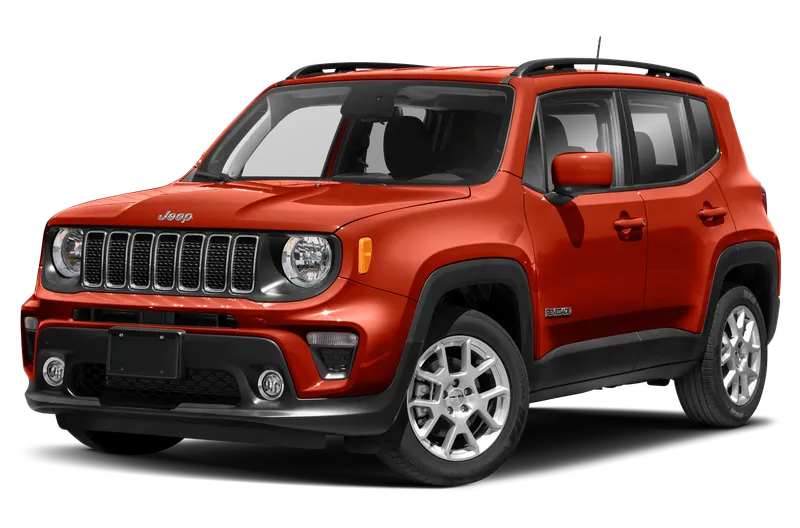
- Jeep Renegade77
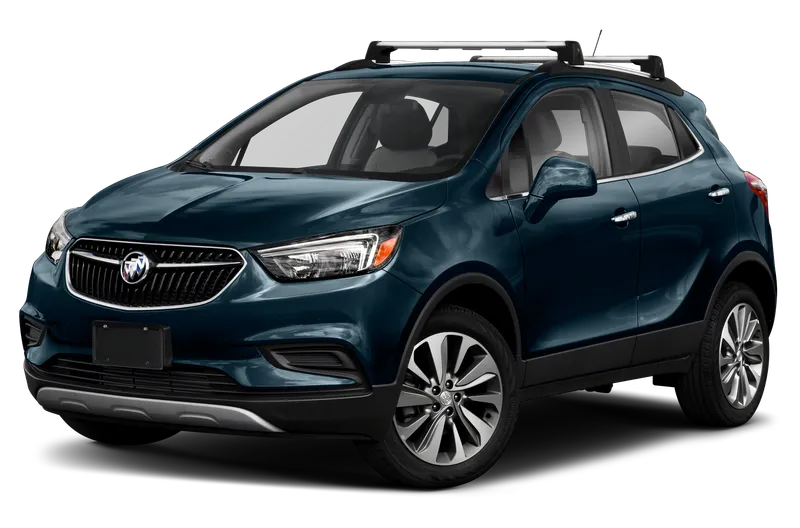
- Buick Encore82
- 2019 Chevrolet Trax123
- Kia Soul123
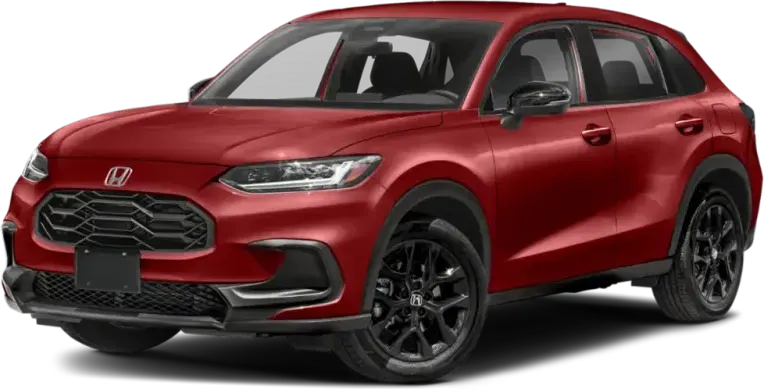
- Honda HR-V185
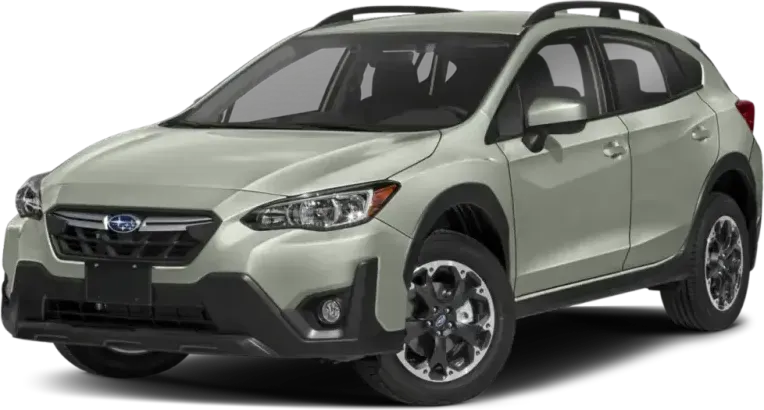
- Subaru Crosstrek272