2022 Genesis GV70: What to check before buying
Owners have filed 82 complaints with NHTSA about this car, most about the transmission, fuel system, and electrical. The 9 checks below target those problems, in the order you would do them at the car.
 2022
- Owner complaints
- 82
- Recalls
- 4
- Crashes reported
- 8
- 3 injuries
Your inspection sheet
Tick items off on your phone at the car, or print it. Ticks stay on this device.
0/9 checked
2022 Genesis GV70: inspection sheet
Paperwork and questions
Before you go, or before you touch the car0/2
Walk-around and cabin
Engine off, key in hand0/2
Cold start, engine bay, and underside
Ask the seller not to warm the car up first0/3
Test drive
At least 20 minutes, with some highway0/2
These checks are specific to this model year. For tires, body panels, fluids, and the other basics every used car needs, use the general inspection guide.
Which GV70 is it?
EPA figures for each version of the 2022 Genesis GV70. Use them to confirm you are looking at the version that was advertised, and as a yardstick on the test drive.
| Version | Drive | EPA rating |
|---|---|---|
| 2.5L 4-cyl | AWD | 24 mpg |
| 3.5L 6-cyl | AWD | 21 mpg |
- The 2022 Genesis GV70 was sold in two versions. Confirm which one this is from the window sticker, the engine cover, or the VIN report before you compare prices.
- Reset the trip computer at the start of the drive. A GV70 that averages well under the EPA 21 mpg combined on a mixed route may have an engine or tire problem.
Check the odometer against these mileages
Owners report these failures starting around the mileages below. A car inside one of these ranges deserves a closer look at that part, or records showing it was already fixed.
Stalling and sudden power loss
8,500–25,000 miles
Why these checks: what owners reported
NHTSA complaints for the 2022 Genesis GV70, grouped by the part owners named. Open a row to read what goes wrong.
Transmission18No crashes
Sudden loss of power is the main problem. The car stalls in traffic or will not go past 30 to 40 mph even with the pedal floored. Often no warning light comes on, and it runs normally after a restart. A second pattern involves the drivetrain: grinding or whining, a limited slip differential warning, refusal to shift, and a transfer case failure at 7,025 miles. A few reports describe unintended acceleration. Most failures appear under 25,000 miles. Owners report long dealer waits, parts delays, and shops that find no codes.
Fuel system10No crashes
Sudden power loss from failed fuel delivery is the core complaint. The car stalls or sputters, or it gets stuck at 25 to 35 mph while RPMs climb. Usually no dashboard warning appears, and a restart often brings it back. In several cases dealers diagnose failed fuel pumps, both low-pressure and high-pressure, and some owners wait on backordered pumps. One fuel injector fault triggered a check engine light at about 5,000 miles. Reports describe near rear-end collisions while merging and stalls in the middle of intersections.
Electrical61 crash
The main complaint is persistent warning lights. Forward collision, brake, lane departure, and blind spot alerts stay on or flash for months, and dealers can read the codes but not fix the cause. Water coming in through clogged sunroof drains soaks the dashboard, cup holders, and headliner, and owners link it to false emergency braking and stalling. Other reports describe a battery warning followed by multiple alerts, doors that do not unlock with the key fob, and a tailgate that will not open. One report is crash-related.
Engine6No crashes
Sudden stalling without warning is the core problem. The car jolts or lunges, loses power, and shuts off in traffic, on curves, and at lights while the diagnostic screen still reads normal. A restart often works briefly before it happens again. Dealers struggle to diagnose it, and owners lose the car for weeks. When a cause is named, it is the fuel pump. One owner reports the stalling stopped after the low-pressure fuel pump assembly was replaced. Several of these stalls nearly led to rear-end crashes.
Exterior lights6No crashes
Condensation builds up inside both headlight assemblies, especially in rain, and weakens light output at night. Dealers replace the headlights, but the fogging often comes back. One owner reports at least 4 replacements. Fogging can appear about one year into ownership and return a year and a half after a replacement. In one report, the low and high beam on one side failed during snow and sleet. Some dealers call the condensation normal, and owners say the warranty runs out before the problem is fixed.
Suspension41 crash
After a pothole or curb strike, the front strut pushes up through its upper mount and can hit the underside of the hood. Reports describe a loud boom, then the strut insulator breaking through the mount, with no warning light. One crash report describes a sudden sharp pull to the right that sent the car into a concrete block, with broken bushings found afterward. Owners dispute denied warranty claims and say the impacts were too minor to cause this much damage.
Steering4No crashes
Sudden heavy steering or self-steering swerves come up repeatedly. Reports describe an alarm and an "Emergency" message with stiff steering at city speeds, and side-to-side swerving on the highway even with lane assist turned off. Lane keeping assist can veer toward unmarked exit lanes or shimmy where gaps between dashed lines appear. Another report describes the steering wheel buttons and driver assist features going dead with warning lights on. The events come and go without warning, and dealers have trouble reproducing them.
Seat belts32 crashes
Restraint failures during crashes dominate this small group of reports. One crash report says a fastened driver's belt did not restrain the driver, and it cites a police report that blamed a death on seat belt failure. Another describes a belt that retracts with excessive force and no slack during a rear-end collision. A third filing concerns the seat belt pretensioner. Two of the three reports involve crashes, so these few complaints carry serious injury risk.
In owners' own words
Excerpts from complaints GV70 owners filed with NHTSA, as written. Listen for the same symptoms on your test drive.
Feel difficulty for acceleration and could not drive over 30miles on freeway. it was very dangerous in freeway most cars passed over 70 miles and gave warning signs from the back. No warning signs, messages nor symptoms before. Request roadside towing service and received call from local dealer will take 3 weeks to take inspection for diagnosis. Called customer service several times and received answer will call back 3 - 5 days only with no further action.
Filed with NHTSA, March 2022
This car had a lack of power since inception. The transmission had a horrible grinding sound during the upshift and down shifting of the transmission. Hyundai Corporation did replace the transmission but the grinding sound is not completely gone. The check engine light is currently on and has appeared for the second time with less than 6K on the odomoter. I have scheduled another appointment to take it in on 02/14/2022.
Filed with NHTSA, February 2022
During a road trip, the GV70 only having about 5000 miles, a Check Engine light came on. Cause of said warning was fuel injector malfunction. The car still operated normally. Took in to Dealer repair shop after getting back home from road trip and Dealer had car for over 5 weeks to replace a fuel injector chip. Since replacing the chip, no other problems have occurred.
Filed with NHTSA, March 2023
The fuel pump failed in the car, it is a known problem by the dealer and there were no warnings prior to failure. The dealer verifies it was the pump and it is currently on backorder. The car broke down in the middle of a major intersection in 100 degree weather with our 1 and 2 year old in the car. It is a major safety concern.
Filed with NHTSA, August 2023
Multiple warning indicators are illuminated all of the time. Forward collision, Low brake fluid, brake light, lane departure warning, check lane safety system, check blind spot safety system. Vehicle is still drivable with all of this happening.
Filed with NHTSA, December 2024
Vehicle came to complete stop on two separate occasions randomly twice in August 2023. (Power stayed on, engine stopped) - (Battery and Engine light came on) As of this point it is uncertain what component failed, but the reports of fuel injector/pump being the source of the problem is so common to the point that it's surprising that there hasn't been a nationwide recall. Right now, it's currently with the dealership service department.
Filed with NHTSA, August 2023
Random engine stalling creating safety incidents in traffic. Failure to diagnose the problem despite repeated attempts by 2 service depts.The problem became more frequent and severe until the car stalled and could not be restarted. Low pressure fuel pump assembly was replaced and the car is currently okay. This problem has cost me over 6 weeks use of my car and several dangerous traffic incidents.
Filed with NHTSA, September 2023
How the 2022 compares with other GV70 years
Complaints for this year next to the average for the other model years, area by area.
The 2022 has the most owner complaints of the 5 GV70 years we cover, about 3.0 times the average of the others. Newer years have had less time to collect complaints, so compare like with like.
- Transmission186
- Fuel system101
- Electrical65
- Engine62
- Exterior lights60
- Suspension40
Where the 2022 fits in the GV70's history
Redesigns and mid-cycle updates change what can go wrong.
The 2022 is the first model year of the GV70's first generation (2022–2024). First years of a redesign often carry teething problems that Genesis fixes in later years, so the checks above matter more than usual.
Genesis updated the GV70 for 2024, so a 2022 does not have those changes.
What changed for 2024 (not on a 2022)
- Redesigned headlamps
- New front grill
- Updated wheels
- Changes in climate controls
- Updated center console
- Replaced 12.3-inch instrument cluster with a 27-inch OLED screen
Should you avoid the first year of a redesign? See the 45-car study.
Recalls to confirm (4)
Recall repairs are free at any Genesis dealer, but the seller may never have had them done. Check each campaign number against the VIN.
24V282000Fuel systemApr 2024
Hyundai Motor America (Hyundai) is recalling certain 2022-2023 Genesis GV70, GV80, G80, and G90 vehicles. The fuel pump may fail, which can result in a loss of drive power.
Risk: A loss of drive power can increase the risk of a crash.
Fix: Dealers will inspect and replace the fuel pump assembly, free of charge. Owner notification letters were mailed June 7, 2024. Owners may contact Hyundai customer service at 1-855-371-9460. Hyundai's number for this recall is 022G. This recall is an expansion of recall number 23V-630.
23V630000Fuel systemSep 2023
Hyundai Motor America (Hyundai) is recalling certain 2021-2022 Genesis G80, GV80, and 2022 Genesis GV70 vehicles. The fuel pump may fail, which can result in a loss of drive power.
Risk: A loss of drive power can increase the risk of a crash.
Fix: Dealers will replace the fuel pump, free of charge. Owner notification letters were mailed November 8, 2023. Owners may contact Hyundai customer service at 1-855-371-9460. Hyundai's number for this recall is 016G.
23V094000Seat beltsFeb 2023
Hyundai Motor America (Hyundai) is recalling certain 2020-2023 Genesis GV80, 2021-2023 Genesis G80, 2022-2023 Genesis GV70, and 2023 Genesis GV60 vehicles. In the event of a crash, the front driver-side and/or passenger-side seat belt pretensioners may explode upon deployment.
Risk: An exploding seat belt pretensioner can project metal fragments into the vehicle, strike vehicle occupants, and result in injury.
Fix: Dealers will secure the seat belt pretensioners with a cap, free of charge. Owner notification letters were mailed April 14, 2023. For GV60 owners, Interim notification letters, notifying owners of the safety risk, were mailed April 14, 2023. A second notice will be sent once the final remedy is available. Owners may contact Hyundai customer service at 1-855-371-9460. Hyundai's number for this recall is 012G. This recall supersedes and expands recall number 21V-796. Vehicles previously repaired under recall 21V-796 will need to have the new remedy completed.
21V796000Seat beltsOct 2021
Hyundai Motor America (Hyundai) is recalling certain 2021 Elantra, Elantra HEV, Venue, Genesis GV80 and 2022 Genesis GV70 vehicles. In the event of a crash, the front driver-side and/or passenger-side seat belt pretensioner(s) may explode upon deployment.
Risk: An exploding seat belt pretensioner could project metal fragments into the vehicle, striking vehicle occupants and resulting in injury.
Fix: Dealers will replace the seat belt pretensioners, free of charge. Owner notification letters were mailed February 10, 2022. Owners may contact Hyundai customer service at 1-855-371-9460. Hyundai's numbers for this recall are 211 and 009G. This recall is replaced by NHTSA recall numbers 22V-354 for Elantra and Elantra HEV vehicles, 22V-458 for Venue vehicles, and 23V-094 for Genesis vehicles. Elantra, Elantra HEV, Venue, and Genesis vehicles already repaired under this recall will need to have the new remedies completed.
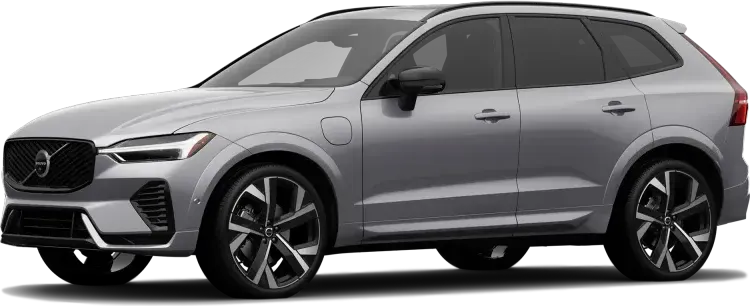
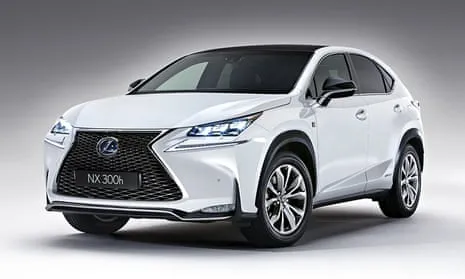
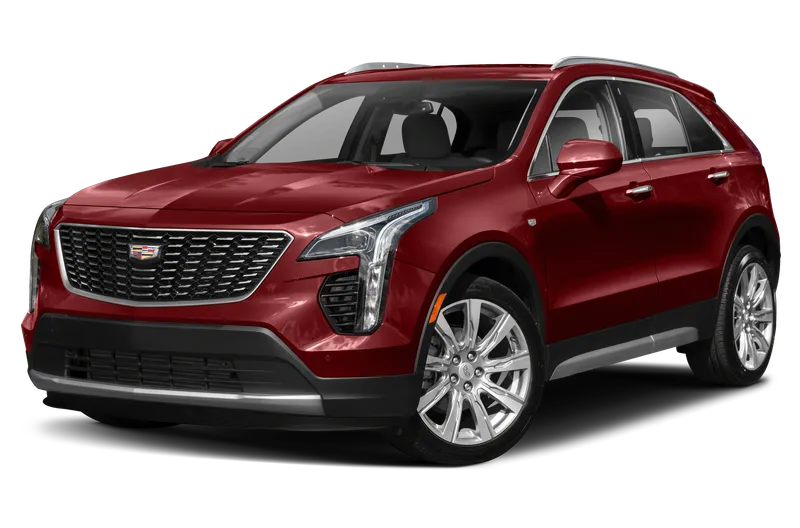
Also looking at these instead of a GV70?
Cars shoppers compare with the Genesis GV70, with their own 2022 checklists.
2022 owner complaints, side by side
- Cadillac XT43
- Lexus NX19
- Audi Q539
- Mercedes-Benz GLC51
- BMW X356
- Volvo XC6060
- 2022 Genesis GV7082