2019 Dodge Durango: What to check before buying
Owners have filed 128 complaints with NHTSA about this car, most about the exterior lights, electrical, and brakes. The 9 checks below target those problems, in the order you would do them at the car.
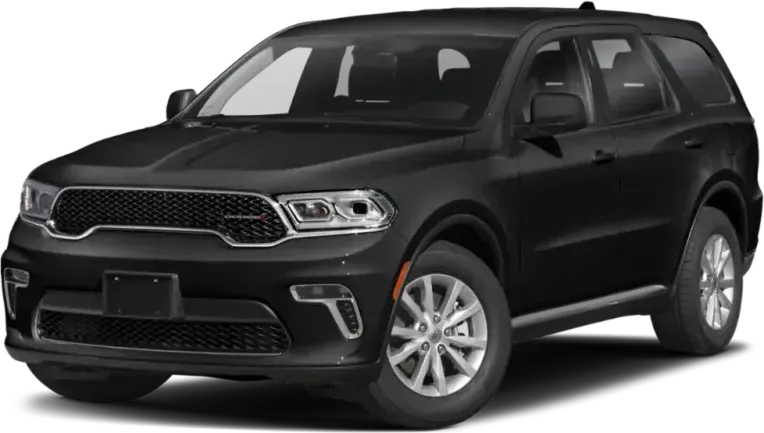 2019
- Owner complaints
- 128
- Recalls
- 4
- Crashes reported
- 4
- 8 injuries
Your inspection sheet
Tick items off on your phone at the car, or print it. Ticks stay on this device.
0/9 checked
2019 Dodge Durango: inspection sheet
Paperwork and questions
Before you go, or before you touch the car0/3
Walk-around and cabin
Engine off, key in hand0/1
Cold start, engine bay, and underside
Ask the seller not to warm the car up first0/2
Test drive
At least 20 minutes, with some highway0/3
These checks are specific to this model year. For tires, body panels, fluids, and the other basics every used car needs, use the general inspection guide.
Which Durango is it?
EPA figures for each version of the 2019 Dodge Durango. Use them to confirm you are looking at the version that was advertised, and as a yardstick on the test drive.
| Version | Drive | EPA rating |
|---|---|---|
| 3.6L 6-cyl | AWD, RWD | 21 mpg |
| 5.7L 8-cyl | AWD, RWD | 17 mpg |
| 6.4L 8-cyl | AWD | 15 mpg |
- The 2019 Dodge Durango was sold in three versions. Confirm which one this is from the window sticker, the engine cover, or the VIN report before you compare prices.
- Reset the trip computer at the start of the drive. A Durango that averages well under the EPA 15 mpg combined on a mixed route may have an engine or tire problem.
Check the odometer against these mileages
Owners report these failures starting around the mileages below. A car inside one of these ranges deserves a closer look at that part, or records showing it was already fixed.
Airbags not deploying in crashes
500–13,000 miles
Brake lights stuck on
7,000–21,000 miles
Racetrack tail light water intrusion
17,000–28,000 miles
Rear coolant line leaks
40,000–62,180 miles
Why these checks: what owners reported
NHTSA complaints for the 2019 Dodge Durango, grouped by the part owners named. Open a row to read what goes wrong.
Exterior lights30No crashes
Water leaks into the liftgate-mounted "racetrack" tail light, pools inside, and burns out sections of the LEDs. The license plate lights usually fail with it, which can mean a failed state inspection or a traffic stop. Failures show up as early as 17,000 to 28,000 miles. Single bulbs cannot be replaced, so the fix is a full assembly quoted at roughly $1,500 to $2,000. Dealers sometimes refuse coverage even under extended warranty, and one warranty replacement leaked again within a year. A rear spoiler coming off at highway speed also appears.
Electrical29No crashes
Two reports describe fires. In one, the vehicle burned while parked overnight at 9,012 miles, and the fire spread to houses. In the other, flames started inside the cabin, with the driver's seat heater suspected. More common are start/stop and stability control warnings, battery drain, no-starts, and repeated anti-theft code prompts. Several owners describe the engine shutting off while driving, taking power steering and brakes with it. Brake lights staying on are tied to a hydraulic control unit recall with no remedy available. Water entering the racetrack tail light and an antenna gasket also causes electrical faults.
Brakes15No crashes
Most reports concern brake hydraulic recalls 22V426000 and 24V838000 where dealers have no parts, some for a year or more. Owners call the wait unreasonable, and some vehicles fail state inspection in the meantime. The faults behind the recall include brake lights stuck on, ABS, traction and stability warnings, and a shifter that leaves Park without the brake pressed. Stuck brake lights appear as early as 7000 and 21,000 miles, and one hydraulic control unit replacement did not fix the problem. Other reports include a parked vehicle rolling away and poor braking with swerving.
Engine11No crashes
Coolant loss leads to sudden overheating and power loss on the road. The usual cause is unsecured coolant lines to the rear rubbing through, and in one report this happened twice in 6 months. Water pump failure at 61000 miles and oil cooler failure also cause leaks. A strong fuel smell inside and outside persists after the fuel tank and canister are replaced, and an EVAP vacuum leak triggers the engine light. Isolated reports describe stalling on a steep grade and the engine racing to about 4000 RPM during a slow turn.
Coolant leaks come from a hose that rubs against a hot metal pipe or a factory clamp mounted too close, wearing a hole in the line. One failure came at 62,180 miles. The hose sits behind underbody panels, so reaching it means removing parts. Leaks can stall the engine with smoke from under the hood. In one case overheating and an oil leak continued after the radiator and hoses were replaced.
Transmission9No crashes
Transmission faults dominate. Owners describe stalling, getting stuck in third gear, slipping into neutral unexpectedly, hard winding shifts, and sudden loss of power. One vehicle rolled backward into traffic after water entered the transmission through a loose vent tube. On the 3.6L V6, oil cooler failure leaks coolant and can ruin the engine to the point of replacement. Other reports include a cylinder 4 misfire diagnosed as a blown head gasket at 77,000 miles and a flickering dash followed by unintended acceleration. Dealers sometimes decline repairs when the VIN is not covered by a recall.
Steering6No crashes
Electric power steering cuts out with a "Power Steering Unavailable" message, sometimes at 70 mph. In some cases the wheel locks or snaps straight mid-turn, which nearly causes collisions. The fault is intermittent, so dealers often cannot reproduce it and simply reset the system. The fix is a new steering rack or gearbox, and parts are frequently back-ordered for weeks. One quote ran upwards of 4,000 dollars. One failure came just over 40k miles on a certified used vehicle.
Airbags53 crashes
Airbags fail to deploy in serious crashes. Three crash reports include 4 injuries, among them back and neck injuries expected to need surgery. One vehicle was totaled at 500 miles, and another was destroyed at 13,000 miles, with no deployment in either case. In one case the manufacturer recovered the crash data recorder but never shared the findings. Other owners see an airbag malfunction warning light, sometimes alongside a start/stop unavailable warning.
Suspension2No crashes
Only two reports. One owner was notified of a recall in Nov 2024 and still has no fix a year later, which blocks a legal sale or trade-in. The other says the rear drops sharply and braking feels inadequate when towing a combined 6000lb boat and trailer on the factory towing package.
In owners' own words
Excerpts from complaints Durango owners filed with NHTSA, as written. Listen for the same symptoms on your test drive.
I have moisture and water leaking into my racetrack light bar on my back lift gate I only have 28,000 miles on it I believe there should be a recall on this issue
Filed with NHTSA, January 2024
Center tail light has completely failed. it is still broken at the time of reporting. a majority of the rear lighting no longer works. I have not taken it to a dealership, but it is clearly not working. there is significant water build up in the tail light which is apparently a known issue. no inspection has been done. no warnings or messages. Water has been in the tail light for about 3 months. Lamp stopped illuminating 4/1/2024
Filed with NHTSA, April 2024
Every 2000 miles, vehicle won’t and keeps asking me for an anti-theft code. I have had it serviced at least 7 times and I have not had the vehicle a year. Every time I take it in they just replaced the battery and the battery cell and it works fine for about a month then it shuts down again
Filed with NHTSA, June 2021
The race track lighting on the vehicle which is the back lights has a factory defect and fills with water from rain and shorts out. Now my lights do not work and can also cause my brake lights and other lights to fail or cause an electrical fire. God forbid. This is a known problem but dodge has not made it a recall yet and should. The part is 1200 without installation.
Filed with NHTSA, January 2024
Coolant leak, due to water pump failure , has 61000 miles There are other older models that already have extended warranties for same issues This should apply to newer models as this issue persists
Filed with NHTSA, February 2023
How the 2019 compares with other Durango years
Complaints for this year next to the average for the other model years, area by area.
The 2019 ranks third for owner complaints among 8 Durango years, about 1.7 times the average of the others. Newer years have had less time to collect complaints, so compare like with like.
- Exterior lights3018
- Electrical2919
- Brakes153
- Engine114
- Transmission97
- Steering61
Where the 2019 fits in the Durango's history
Redesigns and mid-cycle updates change what can go wrong.
The 2019 is the ninth model year of the Durango's third generation (2011–2023).
It includes the 2014 update.
What changed for 2014
- Redesigned for 2014
- New design features a blackened plastic bumper and outline
Recalls to confirm (4)
Recall repairs are free at any Dodge dealer, but the seller may never have had them done. Check each campaign number against the VIN.
24V838000BrakesNov 2024
Chrysler (FCA US, LLC) is recalling certain 2018-2019 Jeep Grand Cherokee and Dodge Durango vehicles. A malfunction in the antilock-brake system (ABS) module may incorrectly illuminate the brake lights and disable the ABS and electronic stability control (ESC). In addition, the vehicle operator may be able to start and shift out of Park without the brake pedal being applied.
Risk: A vehicle that can be started and shifted out of Park without applying the brake pedal can result in a vehicle rollaway. Disabled ABS and ESC systems can reduce vehicle handling and control in certain driving situations. Brake lights that incorrectly illuminate can fail to properly indicate the driver's intention to following traffic. Any of these scenarios can increase the risk of a crash.
Fix: Dealers will replace the integrated pressure transducer and update the ABS module software, as necessary free of charge. Owner notification letters were mailed December 16, 2025. Owners may contact FCA customer service at 1-800-853-1403. FCA's number for this recall is 94B. This recall replaces previous recall number 22V-426. Vehicles previously remedied under 22V-426 will need to have the new remedy completed.
22V426000BrakesJun 2022
Chrysler (FCA US, LLC) is recalling certain 2018-2019 Jeep Grand Cherokee and Dodge Durango vehicles. A malfunction in the antilock-brake system (ABS) module may illuminate the brake lights, and allow the vehicle to start and shift out of Park without the brake pedal being applied.
Risk: A vehicle that starts and shifts out of Park without applying the brake pedal can result in vehicle rollaway, increasing the risk of a crash without prior warning and/or injury to others outside of the vehicle.
Fix: This recall is replaced by NHTSA recall number 24V838. Vehicles already repaired under this recall will need to have the new remedy completed. The remedy includes updated HCU/ABS module software that prevents the HCU/ABS module from falsely reading pressure in the primary circuit. FCA has decided to do a two-Phase Campaign remedy schedule. Phase 1 began November 17, 2022. Phase 2 begin date has not been determined yet. Interim owner notification letters explaining the safety risk were mailed July 28, 2020. Owner notification letters were mailed on November 29, 2022. Owners may contact FCA US, LLC customer service at 1-800-853-1403. FCA US, LLC's number for this recall is Z48.
20V191000Backup cameraSep 2020
Chrysler (FCA US LLC) is recalling certain 2020 Jeep Gladiator and Jeep Cherokee, 2019-2020 Ram 1500 Pickup, Ram 2500 Pickup, Ram 3500 Pickup, Chrysler Pacifica, Dodge Durango, Jeep Grand Cherokee, Jeep Wrangler, and Jeep Renegade and 2019 Dodge Challenger vehicles equipped with 8.4" or 12" radio displays. A software error can cause the rearview camera image to remain displayed after the vehicle has been shifted out of reverse. As such, these vehicles fail to comply with the requirements of Federal Motor Vehicle Safety Standard (FMVSS) number 111, "Rearview Mirrors.".
Risk: The lingering rearview image can distract the driver, increasing the risk of a crash.
Fix: Chrysler has notified owners, and dealers will update the radio display software, free of charge. Optionally, owners can choose to remotely update their software via an Over-The-Air (OTA) update available as of May 1, 2020. The recall began April 27, 2020. Owners may contact Chrysler customer service at 1-800-853-1403. Chrysler's number for this recall is W30-W37.
20V183000TransmissionMar 2020
Chrysler (FCA US LLC) is recalling certain 2019 Jeep Grand Cherokee and Dodge Durango vehicles. The front differential may have been assembled with pinion gears that are insufficiently hardened, which can lead to the gear teeth wearing down. If both pinion gears have their teeth sufficiently worn off, torque power can not be transferred from the front wheels to the driveline, resulting in loss of power while driving and loss of the PARK function when stationary.
Risk: A sudden loss of power while driving or loss of the transmission PARK function can increase the risk of a crash.
Fix: Chrysler will notify owners, and dealers will replace the front differential, free of charge. The recall began May 21, 2020. Owners may contact Chrysler customer service at 1-800-853-1403. Chrysler's number for this recall is W22.
Also looking at these instead of a Durango?
Cars shoppers compare with the Dodge Durango, with their own 2019 checklists.
2019 owner complaints, side by side
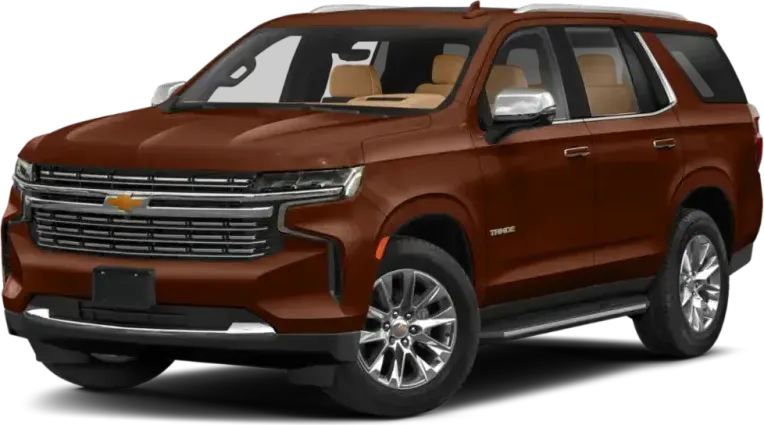
- Chevrolet Tahoe95
- 2019 Dodge Durango128
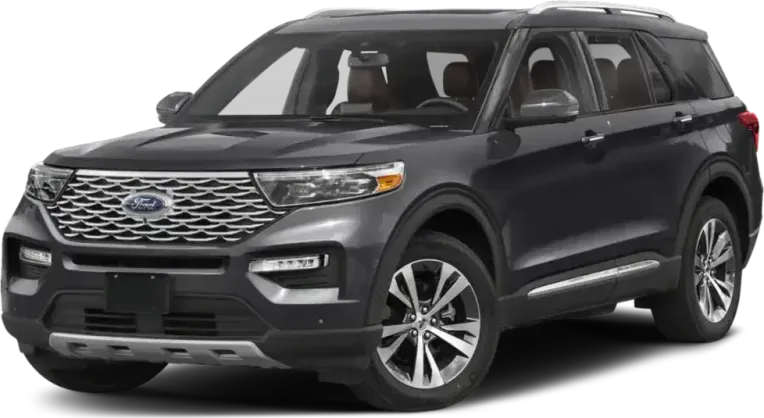
- Ford Explorer252
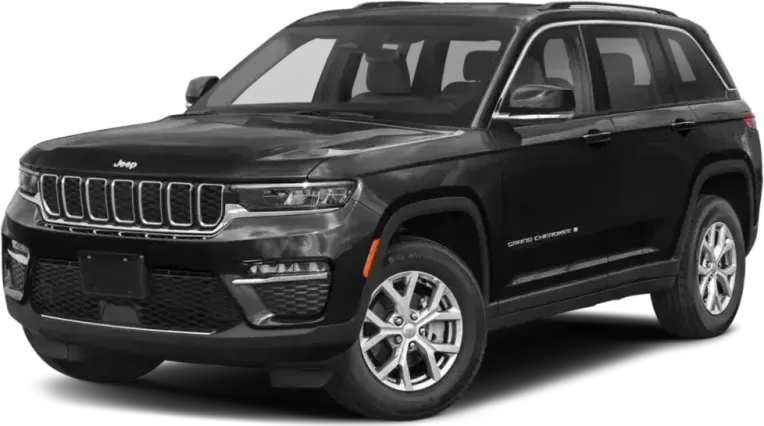
- Jeep Grand Cherokee336
- Chevrolet Traverse358
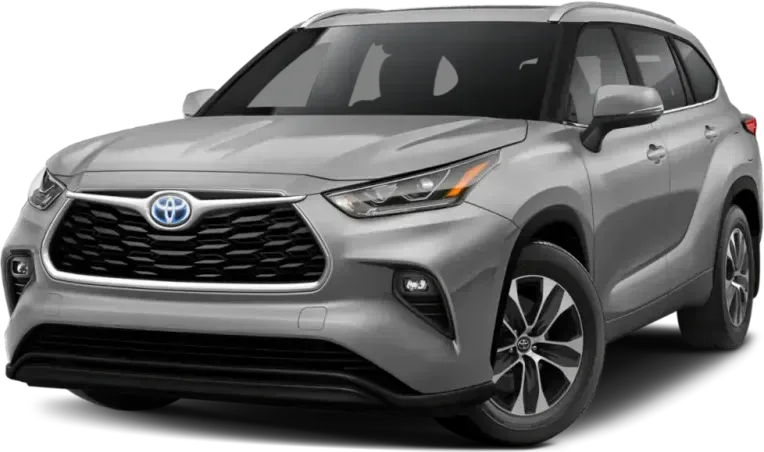
- Toyota Highlander414
- Honda Pilot794