2019 Chevrolet Suburban: What to check before buying
Owners have filed 61 complaints with NHTSA about this car, most about the transmission, engine, and steering. The 9 checks below target those problems, in the order you would do them at the car.
 2019
- Owner complaints
- 61
- Recalls
- 2
- Crashes reported
- 2
- 2 injuries
Your inspection sheet
Tick items off on your phone at the car, or print it. Ticks stay on this device.
0/9 checked
2019 Chevrolet Suburban: inspection sheet
Paperwork and questions
Before you go, or before you touch the car0/3
Cold start, engine bay, and underside
Ask the seller not to warm the car up first0/2
Test drive
At least 20 minutes, with some highway0/4
These checks are specific to this model year. For tires, body panels, fluids, and the other basics every used car needs, use the general inspection guide.
Which Suburban is it?
EPA figures for each version of the 2019 Chevrolet Suburban. Use them to confirm you are looking at the version that was advertised, and as a yardstick on the test drive.
| Version | Drive | EPA rating |
|---|---|---|
| 5.3L 8-cylGas | 4WD, RWD | 16–18 mpg |
| 6.2L 8-cylGas | 4WD, RWD | 16–17 mpg |
| 5.3L 8-cylFlex fuel | 4WD, RWD | 16–18 mpg |
- The 2019 Chevrolet Suburban was sold in three versions. Confirm which one this is from the window sticker, the engine cover, or the VIN report before you compare prices.
- Reset the trip computer at the start of the drive. A Suburban that averages well under the EPA 16 mpg combined on a mixed route may have an engine or tire problem.
Check the odometer against these mileages
Owners report these failures starting around the mileages below. A car inside one of these ranges deserves a closer look at that part, or records showing it was already fixed.
Transmission slipping and failure
85,000–130,000 miles
Engine bearing and lifter failure
101,000–113,000 miles
Why these checks: what owners reported
NHTSA complaints for the 2019 Chevrolet Suburban, grouped by the part owners named. Open a row to read what goes wrong.
Transmission28No crashes
Transmission failure dominates these reports, usually between 85,000 and 130,000 miles. Symptoms build over time: hesitation pulling away, slipping in 2nd and 3rd gear, very hard shifts, whining, and shuddering or vibration at speed. Several cars lose power in traffic or on the interstate with no warning light. Mechanics report black, burnt fluid, a fractured torque converter, and failed clutch packs. Fluid and filter service rarely fixes it, and full replacement is the usual outcome. At least one remanufactured warranty transmission begins grinding again within about 2,000 miles.
Engine12No crashes
Sudden engine failure is the main pattern, often tied to the 6.2L V8. Owners describe stuck or failed lifters, worn bearings, and engines that seize, with repair bills of $9,000 to $13,000 around 101,000 miles. Failures can hit at highway speed: the engine stutters, loses power, and the oil and flashing check-engine lights come on, creating a real rear-end crash risk. One lifter repair is followed by a second engine failure months later. Some owners link their failures to a recall or a federal investigation. A radiator weld failure at 50,000 miles also appears.
Rod bearing failure is the serious issue. A loud knock develops from the engine with no warning light, and the oil shows heavy copper contamination, meaning the engine needs replacement at about 113,000 miles. This matches the bearing and lifter failures reported under the engine category. The other complaint is minor: a check-engine light traced to a defective grille shutter, replaced at about 81,000 miles.
Steering6No crashes
Drifting and pulling are the most common complaints. The truck wanders left and right on straight roads and needs constant small corrections at highway speed, and an alignment does not cure it. One report involves an injury, with hand and arm strain from fighting the wheel. A separate pattern shows power steering cutting out intermittently at parking-lot speeds while headlights and interior lights dim, random warning messages appear, and the clock resets, at about 68,000 miles. Other reports describe dangerously stiff steering.
Brakes4No crashes
A "Service Brake Assist" warning appears alongside grinding or vibration through the brake pedal, much like ABS engaging on ice. The pedal feels harder to push or mushy, and stopping takes more effort. It happens at any speed, even in a driveway, and one case occurs at only 10,041 miles. A dealer replaces the brake booster sensor in one case. Separately, the trailer brake warning light comes on and beeps intermittently, traced to a failed electronic brake control module at about 89,000 miles.
Electrical2No crashes
An under-hood fire is the serious report here. Smoke pours from the hood within seconds of merging onto a highway in a truck owned only weeks, and the engine keeps shaking and sputtering for 30 to 40 seconds after the driver tries to shut it off. The other complaint is minor: the rear wiper intermittently stops working after a car wash or heavy rain, then works again after a restart or a few minutes' wait.
Seat belts2No crashes
Buckles lock and refuse to release, trapping occupants in their seats. It happens to both the driver's belt and a rear-seat belt, and in both cases the belt has to be cut to get the person out. That is a serious hazard in any situation requiring a quick exit, such as a crash or fire. No mileage pattern appears in these reports.
Airbags2No crashes
A "Service Safety Restraint System" message and airbag warning light come on at start-up. In one case the dash also falsely shows the hood open for about 20 seconds before clearing, at 124,400 miles. In another, the dealer finds the passenger seatbelt and front airbag need replacement, a $1,400 repair the owner pays out of pocket just past warranty. A lit restraint warning means the system may not work as intended in a crash.
In owners' own words
Excerpts from complaints Suburban owners filed with NHTSA, as written. Listen for the same symptoms on your test drive.
Transmission was slipping, took to dealership to check, serviced it by changing filter and transmission fluid and gasket. At 80k miles transmission was slipping again and jerking from stopped position. Took back to dealership now they are saying I have metal in fluid and internal transmission failure? Cost to replace $13,000? This car barely gets 10k miles per year and serviced appropriately. Recall on this power train?
Filed with NHTSA, July 2023
2019 Chevy Suburban Premium at approx 121k miles whole body of vehicle starts shaking & vibrating at 45 mph, behaving like like torque converter going bad. Transmission intermittently acts like its slipping in 2nd & 3rd gear, when it does catch it shifts VERY hard. ..No dash lights. No warnings. Nothing....
Filed with NHTSA, April 2024
Lifter stuck in cylinder 3. Cost to repair $13,000 on a 2019 Chevrolet Suburban with 101,000 miles. We have owned vehicle since new. Vehicle routinely maintained.
Filed with NHTSA, July 2025
My engine had a defect which required the entire engine to be rebuilt. The engine lifters, push rod and crankshaft all failed and I had to incur a $9000 repair. I believe this is in line with the current recall of Chevy 6.2L V8 engines like mine. I believe this is defect of Chevy's that they should be required to reimburse.
Filed with NHTSA, April 2025
The suburban pulls to side. I got it into the service center and they tried to fix the alignment but when we got it back it still does it. So im not driving it til it gets a second opinion because its definitely not the alignment if it is still doing it. So I dont feel safe driving it with me or especially my kids in it.
Filed with NHTSA, January 2026
How the 2019 compares with other Suburban years
Complaints for this year next to the average for the other model years, area by area.
The 2019 ranks fifth for owner complaints among 7 Suburban years, close to the average of the others. Newer years have had less time to collect complaints, so compare like with like.
- Transmission2813
- Engine1226
- Steering62
- Brakes44
- Electrical28
- Seat belts22
Where the 2019 fits in the Suburban's history
Redesigns and mid-cycle updates change what can go wrong.
The 2019 is the fifth model year of the Suburban's 11th generation (2015–2020).
It includes the 2018 update.
What changed for 2018
- Added hands-free power liftgate feature
- Expanded availability for 6.2-liter V8
- Updated infotainment screens
Recalls to confirm (2)
Recall repairs are free at any Chevrolet dealer, but the seller may never have had them done. Check each campaign number against the VIN.
19V761000BrakesOct 2019
General Motors LLC (GM) is recalling certain 2015-2020 Chevrolet Suburban, Tahoe, and GMC Yukon, and 2014-2018 Chevrolet Silverado 1500 and GMC Sierra 1500 vehicles equipped with a 5.3-liter engine, a 3.08-ratio rear axle and four-wheel drive. If a wheel-speed sensor fails, while the vehicle is traveling between 41 and 60 mph in four-wheel or automatic mode, the Electronic-Brake Control Module (EBCM) software may activate the driveline-protection system.
Risk: Unintended activation of the driveline-protection system will cause unintended braking on the wheel on the opposite side of the failed sensor, causing the vehicle to pull to one side unexpectedly, increasing the risk of a crash.
Fix: GM will notify owners, and dealers will reprogram the EBCM, free of charge. The recall began December 11, 2019. Owners may contact Chevrolet customer service at 1-800-630-2438 or GMC customer service at 1-800-462-8782. GM's number for this recall is N192261050.
18V673000Seat beltsSep 2018
General Motors LLC (GM) is recalling certain 2018-2019 Cadillac CT6, Escalade ESV, Chevrolet Suburban, Volt, and GMC Yukon XL vehicles. Certain second-row or third-row rear seatbelts retractor assemblies may not automatically lock when the seatbelt is fully pulled out of the retractor, possibly preventing a child seat from being properly secured. As such, these vehicles fail to comply with the requirements of Federal Motor Vehicle Safety Standard (FMVSS) number 208, "Occupant Crash Protection.".
Risk: If the child seat is not properly secured in the event of a crash, it can increase the risk of injury.
Fix: GM will notify owners, and dealers will inspect the rear seatbelt retractors and replace them if necessary, free of charge. The recall began November 7, 2018. Owners may contact Cadillac customer service at 1-800-458-8006, Chevrolet customer service at 1-800-222-1020 or GMC customer service at 1-800-462-8782. GM's number for this recall is 18315.
Also looking at these instead of a Suburban?
Cars shoppers compare with the Chevrolet Suburban, with their own 2019 checklists.
2019 owner complaints, side by side
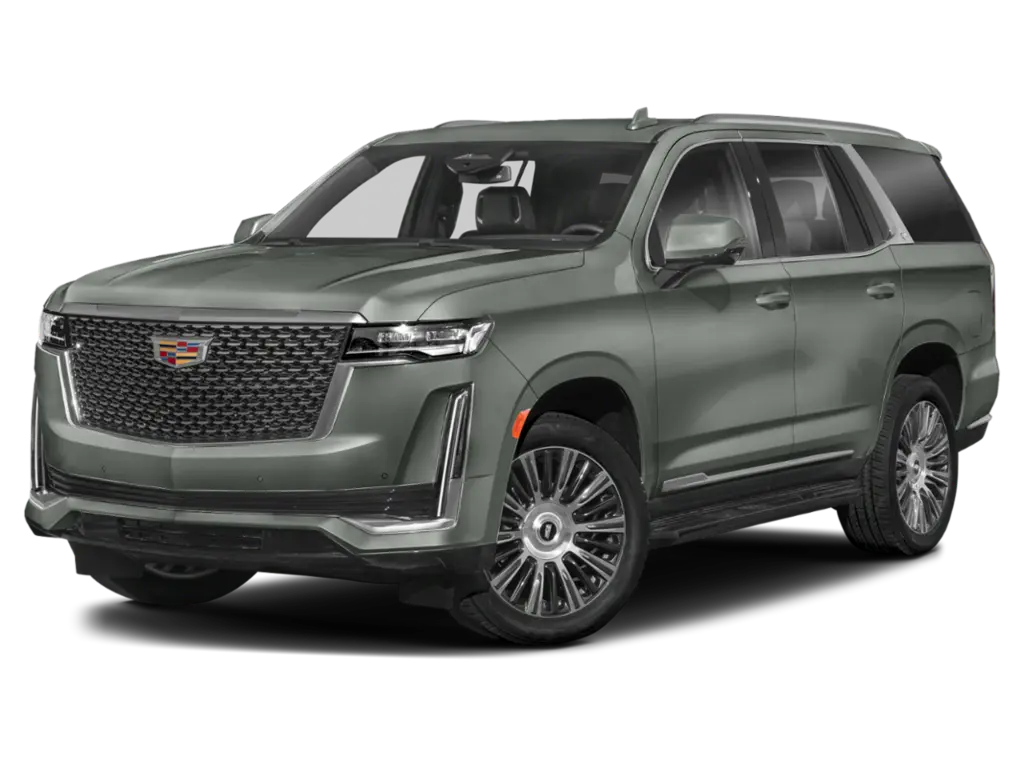
- Cadillac Escalade51
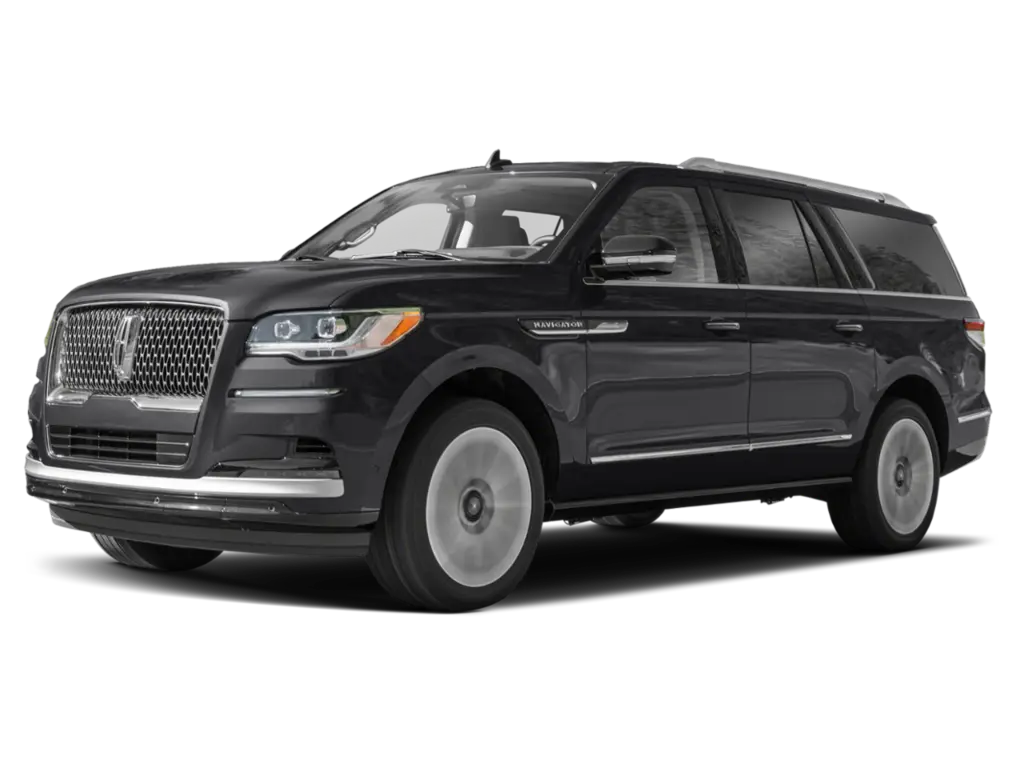
- Lincoln Navigator58
- 2019 Chevrolet Suburban61
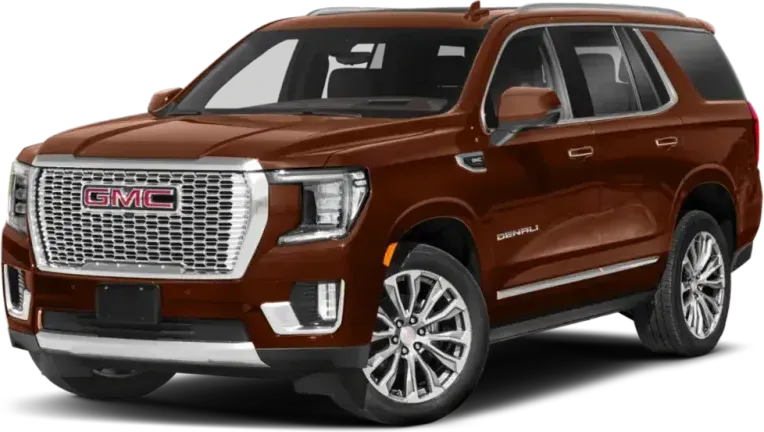
- GMC Yukon95
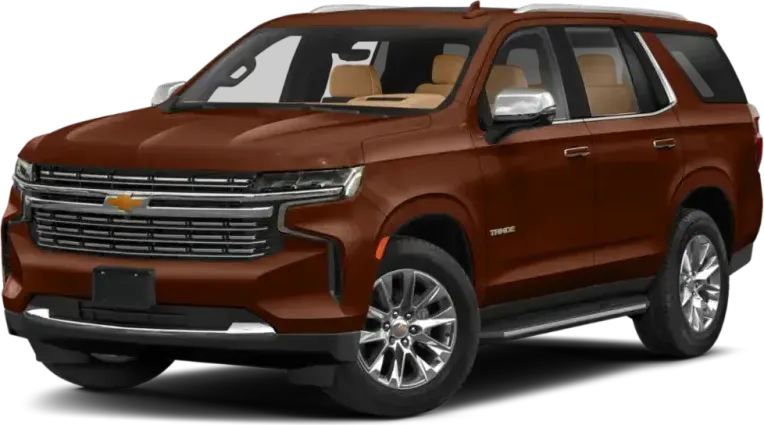
- Chevrolet Tahoe95