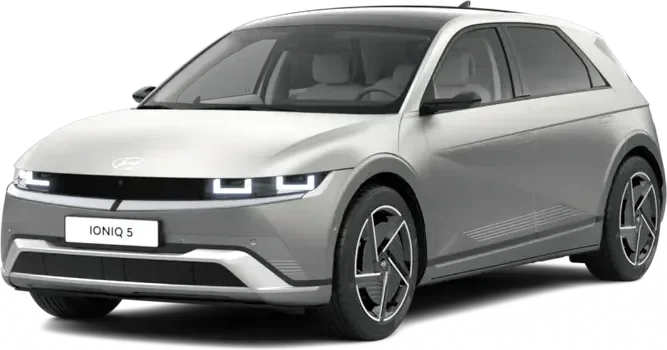
2025 Hyundai Ioniq 5: What to check before buying
Owners have filed 158 complaints with NHTSA about this car, most about the electrical, transmission, and automatic emergency braking. The 10 checks below target those problems, in the order you would do them at the car.
 2025
- Owner complaints
- 158
- Recalls
- 8
- 1 urgent
- Crashes reported
- 1
- 1 injury
One recall on this model year told owners to park outside until the repair was done.
Do not buy until you have dealer paperwork or a recall lookup showing it was completed for this VIN.
Your inspection sheet
Tick items off on your phone at the car, or print it. Ticks stay on this device.
0/10 checked
2025 Hyundai Ioniq 5: inspection sheet
Paperwork and questions
Before you go, or before you touch the car0/3
Walk-around and cabin
Engine off, key in hand0/1
Cold start, engine bay, and underside
Ask the seller not to warm the car up first0/2
Test drive
At least 20 minutes, with some highway0/4
These checks are specific to this model year. For tires, body panels, fluids, and the other basics every used car needs, use the general inspection guide.
Which Ioniq 5 is it?
EPA figures for each version of the 2025 Hyundai Ioniq 5. Use them to confirm you are looking at the version that was advertised, and as a yardstick on the test drive.
| Version | Drive | EPA rating |
|---|---|---|
| Electric | AWD, RWD | 290–318 mi range |
- With a full charge, the range estimate on the dash should land near the EPA figure of 290–318 miles. A much lower number on a mild day can mean a worn battery; ask for a battery health report.
Check the odometer against these mileages
Owners report these failures starting around the mileages below. A car inside one of these ranges deserves a closer look at that part, or records showing it was already fixed.
ICCU failure and power loss
2,949–9,400 miles
Why these checks: what owners reported
NHTSA complaints for the 2025 Hyundai Ioniq 5, grouped by the part owners named. Open a row to read what goes wrong.
Electrical84No crashes
The integrated charging control unit (ICCU) fails, often with a loud pop and a "Check electric vehicle system" or battery warning. Speed drops to roughly 20 to 30 mph, and the car often shuts down completely within minutes, sometimes in traffic. Most reports come in the first 9,400 miles, and some failures happen while charging. Replacement parts are often back-ordered with no estimate, leaving cars at dealers for weeks. One replacement unit failed again. Smaller patterns include high-voltage battery replacements, repeatedly dead 12V batteries, and a coolant pump fault that killed the A/C.
Transmission33No crashes
Drive power cuts out after a loud pop from the rear, followed by warnings to check the electrical system or stop the vehicle. The car goes into limp mode near 25 mph and then dies, sometimes on busy roads or highways. Dealers diagnose a failed ICCU, usually with a blown high-voltage fuse, and parts are often back-ordered. Code P1A9096 shows up repeatedly. Other reports describe the car dropping into neutral on a freeway, a battery-overheated warning that stopped the car in traffic, and continued acceleration in N e-Shift mode.
Automatic emergency braking9No crashes
False driver-attention alerts fire while the driver is looking at the road. The in-cabin eye camera loses track of drivers wearing glasses or sunglasses, and some get alerts in strong sunlight or with no glasses at all. Loud chimes repeat, sometimes every few minutes, then adaptive cruise and lane assist shut off. One report describes the car starting an automatic emergency stop on the highway. Dealers say they cannot fix it, and the warning cannot be disabled while adaptive cruise is on. Owners call the alarms a distraction risk.
Acceleration and cruise control5No crashes
The car keeps accelerating for a second or two after the driver lifts off the throttle, mainly in the N e-Shift simulated gearbox mode on the Ioniq 5 N. Several reports say the behavior started after a recall or over-the-air software update. Given the car's power, owners describe a near-accident and a real loss-of-control risk. A separate report describes i-Pedal one-pedal mode failing to slow the car for a few seconds after the accelerator is fully released.
Fuel system5No crashes
Propulsion cuts out without warning, including at 65 mph on the highway, with the accelerator pedal not responding until the car is restarted. Several reports are ICCU failures with a pop, limp mode, and a dead car on the roadside. One traction battery failed at about 1,250 miles while parked, leaving the car stuck in neutral, and the 12V battery then died during towing. Others feel pulsing or hesitation at partial throttle and partial regen around 60 to 65 mph, which a dealer confirmed on other cars but could not fix.
Engine4No crashes
Complete power loss at freeway speed is the most serious report here: no warning lights, a coast to the shoulder, and normal driving after a restart. Another report ties code P1A9096 to the ICCU. A loud screeching noise at highway speed matches a service bulletin about a missing wave washer in the motor housing on certain builds. Surging or pulsing that prevents holding a steady 60 to 65 mph also appears. Only four reports fall in this category.
Lane keeping4No crashes
Lane keeping becomes nearly unusable because it is tied to the infrared eye monitor. With sunglasses, or prescription glasses in front or side sunlight, the camera cannot see the driver's eyes and sounds nonstop false warnings. Switching the warning off in the settings does not stop the beeping. The only workarounds owners mention are driving without glasses or giving up lane keeping. Owners call this a design flaw that removes a safety feature rather than a part that breaks.
Brakes2No crashes
Hard braking on the highway can follow false driver-attention warnings when Highway Driving Assist and lane keeping are on, after the system fails to pick up the driver's eyes again. A separate Ioniq 5 N report describes the car accelerating for three seconds after the pedal was released above 30 mph and the brakes responding only after a delay. A dealer found a failed ABS module and a needed software update but did not repair it. There are only two reports here.
In owners' own words
Excerpts from complaints Ioniq 5 owners filed with NHTSA, as written. Listen for the same symptoms on your test drive.
This morning my new Hyundai Ioniq 5 with 1900 miles made a loud pop noise and suddenly the car acceleration slow to almost a halt. Then the “Check electric vehicle system” warning light came up on the dashboard. From what I have seen from forums, this most likely a ICCU malfunction needing a replacement. This was scary because the car behind me could have crash into us since the car literally almost a full stop without any warning.
Filed with NHTSA, November 2025
The ICCU (integrated charging control unit) failed July 6, 2025 when the car had 6,800 miles on it. I was driving it on the road at the time and it suddenly would not go faster than 20 miles per hour. It was in the shop for weeks to repair. The replacement ICCU just failed again on January 31, 2026 at a mileage of 15,380. The car is inoperable and cannot be driven.
Filed with NHTSA, February 2026
The ICCU failed with only 5,000 miles driven. The car then lost power, and would not move. Luckily, I was in a residential area. Had I been on the highway, I am uncertain if I would have been able to safely pull off to the side of the road.
Filed with NHTSA, January 2026
2:27 pm on 02/06/2026. Pop heard from the trunk area, then displayed "Stop vehicle and check power supply," the car lost power and then became completely immobile. The car has 3500 miles on it. Bluelink app showed "Everything looks good."
Filed with NHTSA, February 2026
Car constantly gives false alarm that driver is not looking at road. It’s particularly bad with sunglasses or even normal glasses, but false alarms are common even without glasses in strong sunlight. It’s a serious safety issue because the car constantly beeps false warnings and threatens to disable driving assistance. Internet forums are full of users reporting same issue, this component is defective.
Filed with NHTSA, July 2025
After the recent RECALL, while driving up I almost got in an accident because after upshifting the car, the car accelerated more than I intended, prolonged movement forward that never happened before the recall. This is a very dangerous situation.
Filed with NHTSA, March 2025
When using the N-Shift mode with the current OTA software update, the car will accelerate when lifting off the throttle in higher gears at lower rpms in the programed faux shift logic.
Filed with NHTSA, March 2025
How the 2025 compares with other Ioniq 5 years
Complaints for this year next to the average for the other model years, area by area.
The 2025 ranks third for owner complaints among 5 Ioniq 5 years, close to the average of the others. Newer years have had less time to collect complaints, so compare like with like.
- Electrical84118
- Transmission3337
- Automatic emergency braking93
- Acceleration and cruise control54
- Fuel system55
- Engine40
Recalls to confirm (8)
Recall repairs are free at any Hyundai dealer, but the seller may never have had them done. Check each campaign number against the VIN.
25V482000ElectricalPark outsideJul 2025
Hyundai Motor America (Hyundai) is recalling certain 2025 IONIQ 5 vehicles. The high voltage battery system may contain an improperly tightened bus bar, which can cause a short-circuit.
Risk: An electrical short in the high voltage battery system increases the risk of a fire.
Fix: Owners are advised to park their vehicles outside and away from structures until the recall remedy is complete. Dealers will inspect and repair the high voltage battery system, as necessary, free of charge. Owner notification letters were mailed August 25, 2025. Owners may contact Hyundai customer service at 1-855-371-9460. Hyundai's number for this recall is 280.
26V068000ElectricalFeb 2026
Hyundai Motor America (Hyundai) is recalling certain 2025-2026 IONIQ 5 and 2026 IONIQ 9 vehicles. The high voltage battery system may contain an improperly tightened bus bar, which can cause a short-circuit.
Risk: An electrical short in the high voltage battery system increases the risk of a fire.
Fix: Dealers will inspect and tighten the bus bar retention bolts, as necessary, free of charge. Owner notification letters are expected to be mailed April 6, 2026. Owners may contact Hyundai customer service at 1-855-371-9460. Hyundai's number for this recall is 294. Vehicle Identification Numbers (VINs) involved in this recall became searchable on NHTSA.gov on February 7, 2026.
25V797000Seat beltsNov 2025
Hyundai Motor America (Hyundai) is recalling certain 2025 IONIQ 5 vehicles. The seat belt retractors for the driver and front passenger seats may not be securely fastened.
Risk: An improperly secured seat belt retractor may not function properly in a crash, increasing the risk of injury.
Fix: Dealers will inspect and secure the seat belt retractors, as necessary, free of charge. Owner notification letters were mailed December 30, 2025. Owners may contact Hyundai customer service at 1-855-371-9460. Hyundai's number for this recall is 287. Vehicle Identification Numbers (VINs) involved in this recall became searchable on NHTSA.gov on November 19, 2025.
25V605000SuspensionSep 2025
Hyundai Motor America (Hyundai) is recalling certain 2025 IONIQ 5 electric vehicles. Certain rear suspension alignment adjustment bolts may have been improperly tightened, which can cause a loss of vehicle stability control.
Risk: A loss of vehicle stability control increases the risk of a crash.
Fix: Dealers will replace the adjustment bolts, align the wheels, and replace tires if necessary, free of charge. Owner notification letters were mailed October 10, 2025. Owners may contact Hyundai customer service at 1-855-371-9460. Hyundai's number for this recall is 284. Vehicle Identification Numbers (VINs) involved in this recall became searchable on NHTSA.gov on September 13, 2025.
25V373000Exterior lightsJun 2025
Hyundai Motor America (Hyundai) is recalling certain 2025 Hyundai IONIQ 5 vehicles. The right-side headlight may have an incorrect headlight aim label, which can result in improperly aimed headlights. As such, these vehicles fail to comply with the requirements of Federal Motor Vehicle Safety Standard number 108, "Lamps, Reflective Devices, and Associated Equipment.".
Risk: Improperly aimed headlights can result in insufficient illumination of the road, decreasing the driver's visibility and increasing the risk of a crash.
Fix: Hyundai will mail owners a corrected label with inspection and installation instructions. Owners may bring their vehicle to a dealer for the repair, free of charge. Owner notification letters were mailed July 15, 2025. Owners may contact Hyundai customer service at 1-855-371-9460. Hyundai's number for this recall is 279.
25V235000BrakesApr 2025
Hyundai Motor America (Hyundai) is recalling certain 2025 Hyundai IONIQ 5 "N" vehicles equipped with left-foot braking (LFB) and N e-shift features. The integrated electronic brake (IEB) and vehicle control unit (VCU) software may cause reduced braking performance when LFB is activated. Additionally, the vehicle may continue to accelerate after the pedal is released and the vehicle's N e-shift feature is engaged.
Risk: Reduced braking performance and unexpected, continued acceleration increase the risk of a crash.
Fix: Owners are advised not to use the LFB or N e-Shift features until the remedy has been performed. The IEB and VCU software will be updated over-the-air (OTA) or by a dealer, free of charge. Owner notification letters were mailed April 25, 2025. This recall replaces NHTSA recall number 25V-065. Vehicles repaired under the previous recall will need to have the new remedy completed. Owners may contact Hyundai customer service at 1-855-371-9460. Hyundai's number for this recall is 277.
25V064000ElectricalFeb 2025
Hyundai Motor America (Hyundai) is recalling certain 2025 IONIQ 5 EV vehicles. The rear floor wiring harness may contain an open circuit, which can result in the rear side air bag not deploying as intended.
Risk: A rear side air bag that does not deploy as intended can increase the risk of injury in a crash.
Fix: Dealers will inspect and replace the rear floor wiring harness, as necessary, free of charge. Owner notification letters were mailed March 12, 2025. Owners may contact Hyundai customer service at 1-855-371-9460. Hyundai's number for this recall is 274.
25V065000BrakesFeb 2025
Hyundai Motor America (Hyundai) is recalling certain 2025 Hyundai IONIQ 5 "N" vehicles equipped with a left-foot braking (LFB) feature. The integrated electronic brake (IEB) and vehicle control unit (VCU) software may cause reduced braking performance when LFB is activated.
Risk: Reduced braking performance can increase the distance required to stop the vehicle, increasing the risk of a crash.
Fix: Owners who have not received the recall remedy are advised not to use the LFB feature until the updated remedy has been performed. Additionally, owners who have received the recall remedy are advised not to use the 'N' E-shift feature until the updated remedy has been performed. Dealers will update the IEB and VCU software, free of charge. Owner notification letters were mailed March 12, 2025. This recall is replaced by NHTSA recall number 25V-235. Vehicles already repaired under this recall will need to have the new remedy completed. Owners may contact Hyundai customer service at 1-855-371-9460. Hyundai's number for this recall is 275.
Also looking at these instead of a Ioniq 5?
Cars shoppers compare with the Hyundai Ioniq 5, with their own 2025 checklists.
2025 owner complaints, side by side
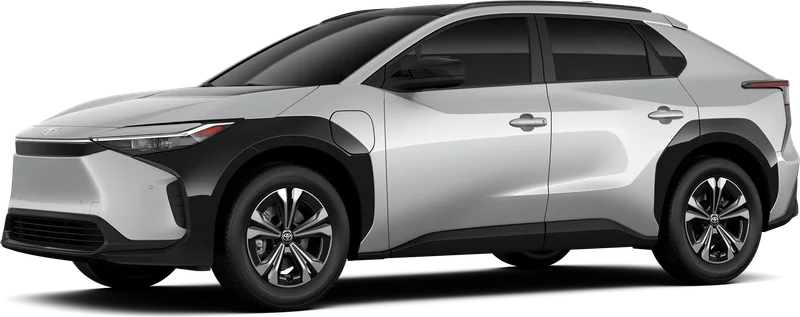
- Toyota bZ4X5
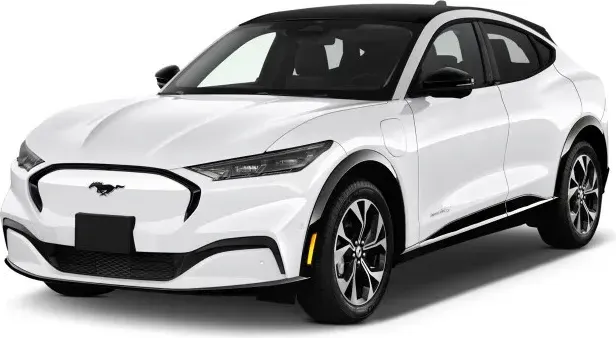
- Ford Mustang Mach-E8
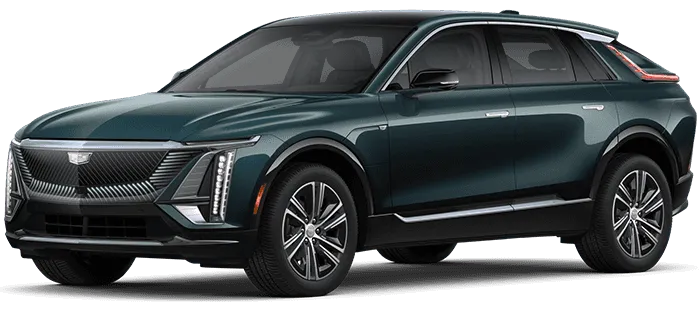
- Cadillac Lyriq13
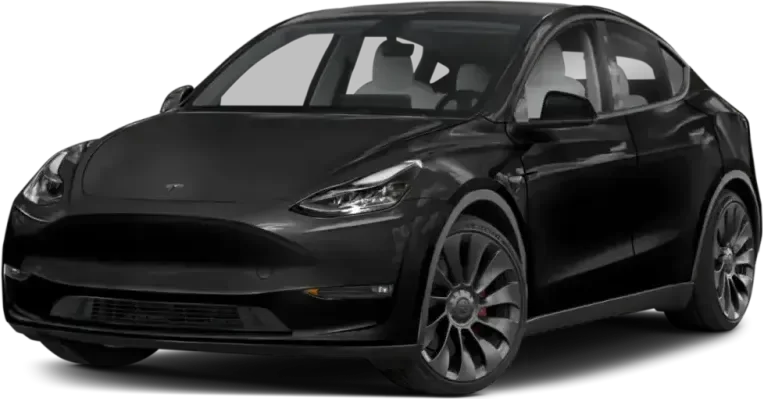
- Tesla Model Y69
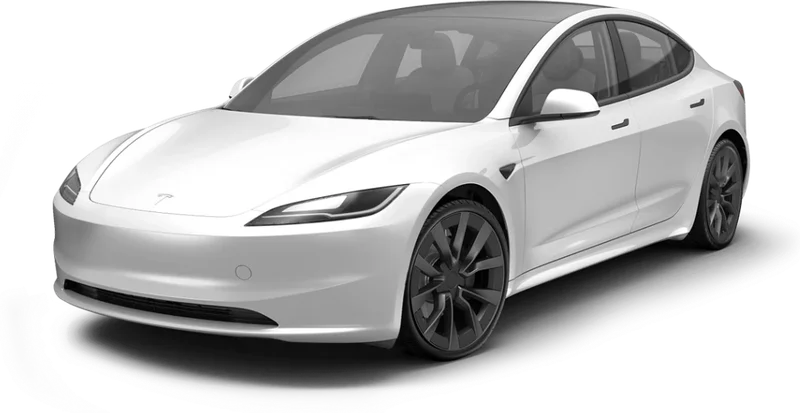
- Tesla Model 387
- 2025 Hyundai Ioniq 5158
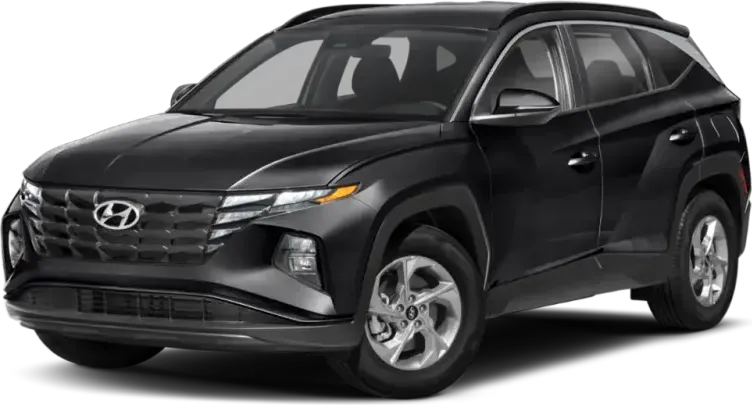
- Hyundai Tucson251