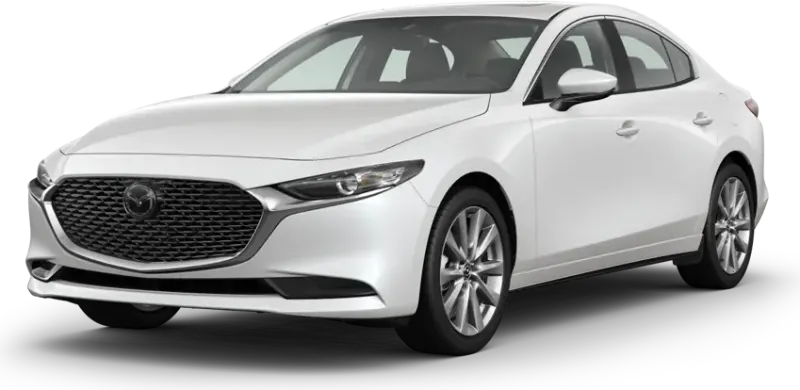
2020 Mazda 5: What to check before buying
Owners have filed 127 complaints with NHTSA about this car, most about the electrical, automatic emergency braking, and brakes. The 9 checks below target those problems, in the order you would do them at the car.
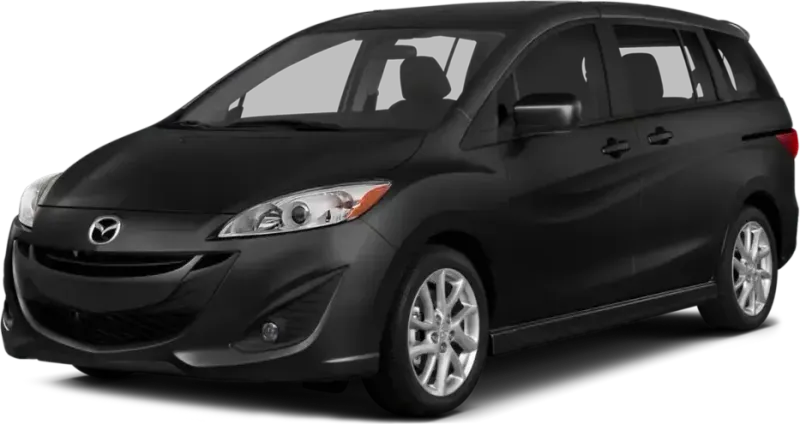 2020
- Owner complaints
- 127
- Recalls
- 5
- Crashes reported
- 8
- 6 injuries
Your inspection sheet
Tick items off on your phone at the car, or print it. Ticks stay on this device.
0/9 checked
2020 Mazda 5: inspection sheet
Paperwork and questions
Before you go, or before you touch the car0/1
Walk-around and cabin
Engine off, key in hand0/1
Cold start, engine bay, and underside
Ask the seller not to warm the car up first0/3
Test drive
At least 20 minutes, with some highway0/4
These checks are specific to this model year. For tires, body panels, fluids, and the other basics every used car needs, use the general inspection guide.
Check the odometer against these mileages
Owners report these failures starting around the mileages below. A car inside one of these ranges deserves a closer look at that part, or records showing it was already fixed.
Transmission chirp, torque converter failure
32,000–61,000 miles
Low oil and oil consumption
52,764–55,000 miles
Why these checks: what owners reported
NHTSA complaints for the 2020 Mazda 5, grouped by the part owners named. Open a row to read what goes wrong.
Electrical301 crash
The touchscreen registers phantom touches. It changes screens, raises the volume to maximum, places calls and drops navigation while driving, and the knob and buttons can stop responding. Software updates often do not fix it, and some owners pay for a new screen. Other reports describe batteries that drain repeatedly, forward camera warnings that disable the driver-assist systems, and dash lights that cut out. In one hospitalization, the engine kept running in a garage after being switched off. In one crash report, the brake pedal would not move and the steering stopped responding.
Automatic emergency braking161 crash
Automatic emergency braking engages when nothing is ahead. It slams the car to a stop in slow traffic, on clear town streets around 35 mph, and when a car in the next lane passes. Drivers describe near rear-end collisions and passengers thrown forward. Dealers often cannot reproduce the fault. Some reports describe a failed front radar sensor that disables collision warning and radar cruise control. In one crash, the car sped up again after the driver tapped the brake to cancel adaptive cruise, and it sideswiped a truck.
Brakes112 crashes
Most reports describe the automatic braking system braking hard with no car ahead. The car shows BRAKE warnings, and drivers behind have to stop suddenly. One driver reports neck and back pain. Two crash reports say the car did not stop when the brakes were applied while parking. In one injury report, the car rolled backward while in Park and the open door ran over the owner. Other complaints include an ABS light with brake lockup and stalling at about 2,000 miles, and grinding noises needing new brakes and calipers at 32000 miles.
Engine9No crashes
The low oil light comes on before the scheduled oil change, and some owners suspect the engine is burning oil. Oil leaks from the timing cover, oil pan gasket and seals are common, and one report describes oil reaching a spark plug. One owner reports a cracked cylinder head above the exhaust manifold, with burning oil and smoke in the cabin. Less common reports include idle speed swinging while stopped at a light, a whoop sound at idle that dealers cannot explain, a faulty thermostat, and an engine that keeps running after shutoff.
Transmission9No crashes
The transmission chirps on the 3rd-to-4th upshift or when accelerating gently at 20 to 35 mph. Dealers diagnose a failing torque converter, metal debris inside the transmission, or a transaxle that needs replacing. Onset is usually between 32,000 and 61,000 miles, often with jerking. Help with costs varies: one owner got partial coverage, while others were told their VIN was not covered. Other reports describe a cracked cylinder on a non-turbo engine at 34,000 miles costing over $7,000, oil consumption, and a limp-mode event that stopped the car.
Body and structure71 crash
Strong crosswinds at highway speed cause a loud screech or howl from the doors, and dealers often cannot reproduce it. Water leaks come in through the driver door window and the windshield. In one case the windshield leak blocked the driver's view. Sunroofs shatter outward while driving with no visible impact. Owners also report paint chipping on the hood in the first year. A power liftgate opens by itself and was damaged by a closing garage door. One crash report blames a failed rear camera and warning system.
Acceleration and cruise control42 crashes
The car surges forward on its own at low speed, while parking, in a drive-thru, or after being parked. Drivers say braking did not stop it. Two crash reports describe hitting a building and a pole, with one injury and one vehicle declared a total loss. Brake system and camera malfunction messages appeared after one collision. A separate report says the cruise control buttons on the steering wheel are not lit, which led a driver to raise the speed by mistake at night.
Airbags41 crash
Passenger-side curtain airbags deploy on the highway with no collision. The bang is loud enough to leave ears ringing, and the deployed bags block the side windows and mirrors while traffic is alongside. Dealers find no system fault. In another report, the driver-side airbags fired after a tire blowout and the car shut off. One crash report with an injury says the airbags did not deploy when the car hit a guardrail and scraped along it.
In owners' own words
Excerpts from complaints 5 owners filed with NHTSA, as written. Listen for the same symptoms on your test drive.
The display screen just starts adjusting the navigation volume on it’s on while I’m driving. Or it will change the radio station, change to the Bluetooth on my phone or change to a different screen all by itself.This started not long after purchasing the vehicle. August 2021.
Filed with NHTSA, October 2023
"ghost touch" issue on my cars touch screen operates by itself or doesn't respond. I was driving down a dark road when it went black, the screen had adjusted its brightness down to zero! The radio will change stations then freeze and the manual controls won't even work.
Filed with NHTSA, November 2024
I was traveling behind a propane truck, that was going to make a right turn. I disengaged the adaptive cruise control by tapping on the break. I began coasting to a stop, suddenly the car began accelerating again with no warning. I was forced to make the turn with the propane truck and side swiped the truck in the process.
Filed with NHTSA, May 2023
I was driving 35MPH on a side street in “sport” mode. Car system beeped, car auto stopped, red circle with explanation mark and the word Break appeared on my center console. My drive shift popped out of Drive. No object was in front of my car, nothing ran out in front of it. Fortunately, there weren’t any other cars behind me or an accident would have followed.
Filed with NHTSA, May 2021
My car only has 32000 miles on it and I was told that I need new brakes and calipers. My car is making grinding and creaking noises when I back up, stop or get into it. Because of these brake issues it feels like the car is taking longer to stop. I have never had a car that needed this extensive of a brake job at 32000 miles. This seems excessive.
Filed with NHTSA, August 2023
My car's automatic emergency brake is deploying without warning, during driving, when there are no other cars in my forward proximity. I took it to the dealership to have it fixed, and on the drive home, it did it again. There is a recall for similar makes and models for this year, but my car has not been included.
Filed with NHTSA, August 2023
Low oil light came on at 52,764 miles, 300 miles before the next oil change on the manufacturer-recommended 7500 mile schedule. I've switched to a 5000 mile oil change schedule and will be monitoring oil level going forward for excessive oil consumption. I have always done oil changes every 7500 miles and have followed all other maintenance prescribed in the manual.
Filed with NHTSA, October 2024
Engine developed multiple oil leaks from oil seal and timing cover. The leaks could result in engine failure and endanger driver and/or passengers. No warning lights activated, was found at routine oil change. Defect was reported to manufacturer, but warranty had expired, and they refused accept responsibility. Research revealed this vehicle is known to have this defect.
Filed with NHTSA, July 2025
How the 2020 compares with other 5 years
Complaints for this year next to the average for the other model years, area by area.
The 2020 ranks fourth for owner complaints among 8 5 years, close to the average of the others. Newer years have had less time to collect complaints, so compare like with like.
- Electrical3021
- Automatic emergency braking164
- Brakes118
- Engine941
- Transmission919
- Body and structure74
Recalls to confirm (5)
Recall repairs are free at any Mazda dealer, but the seller may never have had them done. Check each campaign number against the VIN.
24V695000AirbagsSep 2024
Mazda North American Operations (Mazda) is recalling certain 2016-2023 MX-5 Miata vehicles. A software error in the air bag control module may cause the front air bags to deploy with excessive force during a crash. As such, these vehicles fail to comply with the requirements of Federal Motor Vehicle Safety Standard number 208, "Occupant Crash Protection.".
Risk: An air bag that deploys with excessive force can increase the risk of injury during a crash.
Fix: Dealers will update the Sophisticated Air Bag Sensor (SAS) control module software, free of charge. Owner notification letters were mailed November 7, 2024. Owners may contact Mazda customer service at 1-800-222-5500. Mazda's number for this recall is 6924I.
22V885000Exterior lightsNov 2022
Mazda North American Operations (Mazda) is recalling certain 2020-2021 Mazda2 vehicles. The headlights are missing adjustment prevention caps, which can allow the headlights to be improperly adjusted. As such, these vehicles fail to comply with the requirements of Federal Motor Vehicle Safety Standard number 108, "Lamps, Reflective Devices, and Associated Equipment.".
Risk: Improperly adjusted headlights can reduce visibility, increasing the risk of a crash.
Fix: Dealers will install the missing adjustment prevention caps, free of charge. Owner notification letters were mailed December 28, 2022. Owners in Puerto Rico may contact Mazda customer service at (787) 620-7546. Owners in the United States may contact Mazda customer service at 1-800-222-5500 Option 6. Mazda's number for this recall is 5622K.
21V875000Fuel systemNov 2021
Mazda North American Operations (Mazda) is recalling certain 2018 Mazda3, Mazda6, 2019 CX-3, 2018-2019 MX-5, CX-5, CX-9, and 2019-2020 Mazda2 vehicles. The impeller inside the low-pressure fuel pump may crack and deform, potentially causing the fuel pump to fail.
Risk: Fuel pump failure may cause an engine stall, increasing the risk of a crash.
Fix: Dealers will replace the fuel pumps, free of charge. Owner notification letters were mailed July 18, 2022. Owners may contact Mazda customer service at 1-800-222-5500 Option 4. Mazda's number for this recall is 5321K.
20V346000BrakesJun 2020
Mazda North American Operations (Mazda) is recalling certain 2020 CX-30 and Mazda3 vehicles. The front brake caliper mounting bolts may not have been tightened properly during assembly, possibly allowing the calipers to loosen.
Risk: Loose brake calipers can reduce braking performance or interfere with wheel rotation, affecting vehicle handling. Either of these scenarios can increase the risk of a crash.
Fix: Mazda will notify owners, and dealers will inspect the front brake caliper bolts, tightening them as necessary. If bolts are missing, the affected brake caliper will be replaced. Repairs will be performed free of charge. The recall began July 24, 2020. Owners may contact Mazda customer service at 1-800-222-5500, Option 4. Mazda's number for this recall is 4420F.
19V907000Automatic emergency brakingDec 2019
Mazda North American Operations (Mazda) is recalling certain 2019-2020 Mazda3 vehicles. The Smart Brake System (SBS) can falsely detect an obstacle while driving, activating the automatic emergency braking system and suddenly stopping the vehicle.
Risk: Stopping the vehicle unexpectedly increases the risk of a crash.
Fix: Mazda will notify owners, and dealers will update the SBS software. In addition, vehicles with certain production dates will receive an instrument cluster software update or replacement and a replacement owner's manual. These repairs will be performed free of charge. The recall began February 14, 2020. Owners may contact Mazda customer service at 1-800-222-5500, Option 4. Mazda's number for this recall is 4219L.
Also looking at these instead of a 5?
Cars shoppers compare with the Mazda 5, with their own 2020 checklists.
2020 owner complaints, side by side
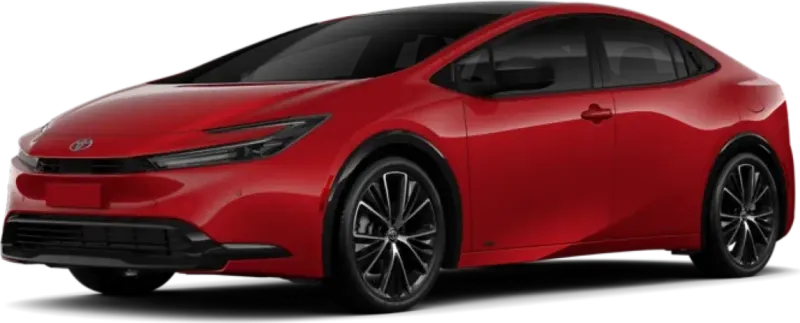
- Toyota Prius30
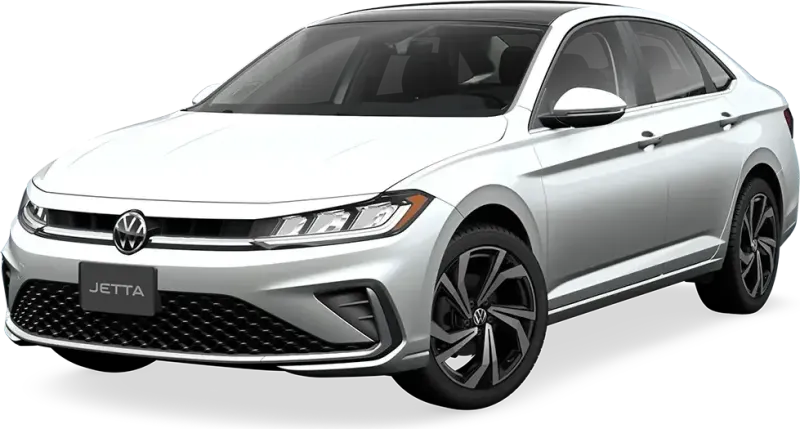
- Volkswagen Jetta48
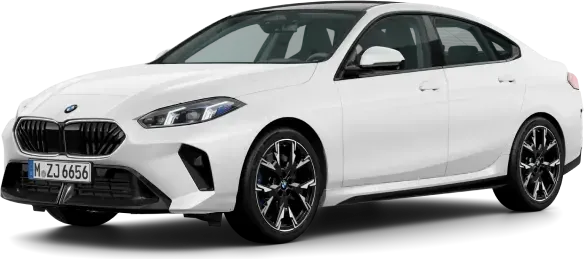
- BMW 2 Series62
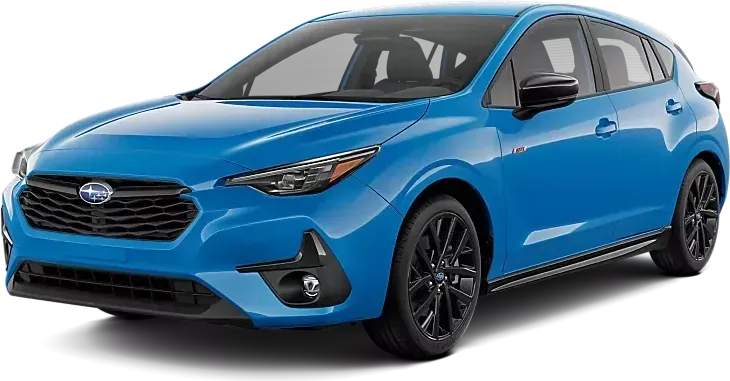
- Subaru Impreza83
- 2020 Mazda 5127