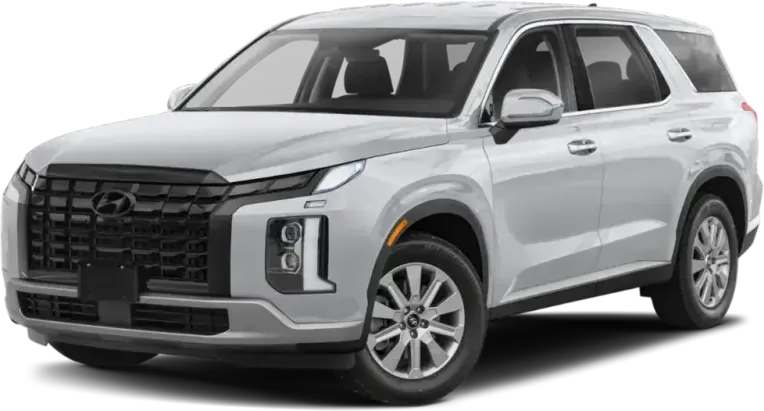
2023 Hyundai Palisade: What to check before buying
Owners have filed 326 complaints with NHTSA about this car, most about the brakes, wipers and visibility, and seat belts. The 10 checks below target those problems, in the order you would do them at the car.
 2023
- Owner complaints
- 326
- Recalls
- 5
- 1 urgent
- Crashes reported
- 6
- 2 injuries
One recall on this model year told owners to park outside until the repair was done.
Do not buy until you have dealer paperwork or a recall lookup showing it was completed for this VIN.
Your inspection sheet
Tick items off on your phone at the car, or print it. Ticks stay on this device.
0/10 checked
2023 Hyundai Palisade: inspection sheet
Paperwork and questions
Before you go, or before you touch the car0/3
Walk-around and cabin
Engine off, key in hand0/2
Cold start, engine bay, and underside
Ask the seller not to warm the car up first0/2
Test drive
At least 20 minutes, with some highway0/3
These checks are specific to this model year. For tires, body panels, fluids, and the other basics every used car needs, use the general inspection guide.
Which Palisade is it?
EPA figures for each version of the 2023 Hyundai Palisade. Use them to confirm you are looking at the version that was advertised, and as a yardstick on the test drive.
| Version | Drive | EPA rating |
|---|---|---|
| 3.8L 6-cyl | AWD, FWD | 21–22 mpg |
- Reset the trip computer at the start of the drive. A Palisade that averages well under the EPA 21 mpg combined on a mixed route may have an engine or tire problem.
Check the odometer against these mileages
Owners report these failures starting around the mileages below. A car inside one of these ranges deserves a closer look at that part, or records showing it was already fixed.
Early electrical and camera faults
818–1,600 miles
Early stalling or power loss
1,700–5,000 miles
Rear shock absorber failure
10,000–32,000 miles
ABS activation over rough surfaces
23,000–35,000 miles
Why these checks: what owners reported
NHTSA complaints for the 2023 Hyundai Palisade, grouped by the part owners named. Open a row to read what goes wrong.
Brakes643 crashes
The ABS kicks in when the car brakes over bumps, rail crossings, gravel, potholes or even painted road markings. The pedal shakes or grinds, and the car keeps rolling at low speeds, sometimes past stop signs or into intersections. Most reports describe speeds under 30 mph with no warning light. Dealers often cannot reproduce the problem and find nothing wrong. Three complaints involve crashes. One describes a stiff pedal with a "Radar blocked" warning in stop-and-go traffic. One owner noticed the problem at 23000 miles.
Wipers and visibility58No crashes
Second-row side windows look hazy or cloudy in direct sun, which blocks the view out to the side and backward. In one case, replacement glass from the dealer looked just as bad. The panoramic sunroof can shatter with a loud bang while driving with no impact, and dealers sometimes refuse warranty coverage. Wipers stop working after snow or ice builds up and may need an engine restart to move again. Some windshields crack and the cracks spread with no visible cause.
Most complaints cover two problems. Second-row windows look cloudy and distorted in sunlight, and owners say they are much less clear than the third-row glass. The sunroof can also explode while driving, often at interstate speed and with a gunshot-like sound, sometimes sending glass into the cabin. One dealer blamed a rock. Another replaced the glass at no cost and cited a service bulletin. Smaller groups of complaints describe windshield specks or blur in low sun, cracked windshields, and wipers that act up in snow.
Seat belts32No crashes
Buckles in the front and second rows come undone while the car is moving, even after they were clicked in and tugged. Other buckles take several tries to latch, or will not latch at all, which makes it impossible to install some forward-facing child seats. Federal recall 25V607000 covers the problem, but many complaints say the parts are not available yet. Owners report waiting months, or leaving the car at the dealer for weeks. One failure happened at 44,000 miles.
Transmission30No crashes
The engine loses power or stalls without warning. Some cars do this at highway speed, and others will not move from a stop, especially in Snow Mode. Several cases happened very early, between 1700 and 5000 miles, sometimes with a misfire or an engine control warning. Some owners hear a clunk and feel hesitation when pulling away while turning. In one case, a rear coupling replacement at 17,000 miles did not stop the problem from coming back. One owner reports a shudder and delay on upshifts. Many complaints here also mention the ABS problem or seat belt recall parts delays.
Electrical241 crash
Faults often appear in nearly new cars. Doors read as open, the push-button start fails, and cameras or parking sensors quit within the first few thousand miles. Batteries die without a low-voltage warning and show a "Check ESC" message instead. Some owners describe sudden brake application with the horn and headlights dead, plus false wrong-way alerts, and in one case cruise control jumped to 90mph. One injury crash says the car did not shift into Park and rolled into a tree. Bluelink and SOS button failures also appear.
Suspension17No crashes
The rear shocks fail, causing thumping, clunking, creaking and a bouncy, unstable ride, worst on small bumps and turns under 30 mph. Failures start as early as 4988 miles. Replacement shocks often fail again within 10,000 to 20,000 miles, and some owners are on their seventh or eighth shock. Owners point to the self-leveling shocks on upper trims. Dealers replace shocks and mounts under warranty, sometimes citing TSB 22-SS-001H, but parts are often back-ordered.
Steering11No crashes
The wheel locks or thuds hard when Idle Stop and Go restarts the engine, which makes turning from a light difficult. Some cars shut down while driving, with every warning light on and power steering lost, then recover after a restart. Dealers often cannot find the cause, and one car sat at the dealer for weeks. A few owners report the wheel hitting a hard stop at low speed or the car pulling to the right. Several complaints filed here actually describe the ABS problem over bumps.
Body and structure8No crashes
The sunroof glass shatters on its own while driving, sometimes at highway speed and with no sign of debris. In one case, fragments cut the driver's arm and struck a following car, and another owner had it happen twice. Wind noise is the other main complaint. It comes from the driver or passenger door above 40 mph and is loud enough to cause headaches. One owner reports a cracked door trim panel.
In owners' own words
Excerpts from complaints Palisade owners filed with NHTSA, as written. Listen for the same symptoms on your test drive.
Anti locking braking system malfunctioning and preventing me from braking at low speeds in a parking lot and at a stop light. No lights on internally (Dash). Had to swerve to avoid hitting the vehicle in front of me at the stop light and had to hit my horn to have the person in the parking lot slam on their brakes to avoid hitting me. Both incidents happened at about 5 miles per hours on flat grounds.
Filed with NHTSA, August 2025
When driving over uneven roads and if you need to apply the brakes abruptly, the ABS engages (shaking brake pedal) and I am unable to immediately stop my SUV until I’m back on even surface. This has occurred twice going over train track Road crossing and someone quickly needed to stop and once I was on the tracks I had to immediately brake but I could not slow down. SUV has 23000 miles.
Filed with NHTSA, November 2025
Both LR and RR door windows are Smoky, Foggy, Hazy at all times but when exposed to direct sunlight are a safety hazard and need to be replaced. Hyundai provided me with a TSB #23-BD-001H. It states the FMVSS are meet. I strongly disagree with this TSB. The TSB also stated on CERTAIN 2023 MY Palisades. My question is if it meets or exceeds FMVSS then why isn’t that why on all 2023 Palisades not just CERTAIN ones??
Filed with NHTSA, June 2023
While driving in snowy conditions my windshield wipers failed to work. They were working and then about 15 minutes in to my drive they stopped working. I had to pull off the side of the interstate with semi trucks flying by to pick the compacted snow out. It did not work and I slowly and very carefully had to continue until I was able to make it home and they were able to thaw.
Filed with NHTSA, March 2023
The seat belt for the driver seat spontaneously unbuckles while the car is in motion. After fastening the buckle, the buckle disengages while driving, with no warning or provocation. This has happened 3 times on the driver seat and once on the 2nd row captain chair. The dealership has offered to inspect and replace all the buckles. The car has 10k miles and is 8 months old.
Filed with NHTSA, December 2023
The buckle on the seatbelts in both the passenger side and behind the passenger side in the 2nd row doesn't latch. Sometimes it takes 4/5 times to click the seatbelt in before it latches. It also will randomly unlatch. VERY unsafe to be always using seatbelts, only to have them not be trusted due to un latching. It happens multiple times a week, and has been going on since Summer 2024.
Filed with NHTSA, February 2025
The ABS braking problem has not been mentioned to Hyundai or any other company or organization to date as it was just recently experienced. I recently put unscreened millings on the road end of my gravel driveway. When coming to a slow stop before entering the public road I now experience the brake vibration or chattering with deminished braking responce. Fortunately, I have not experienced this while driving on a public road in 35,000 miles.
Filed with NHTSA, September 2024
Received this message “A possible condition with your Engine Control System Ha’s been detected. A full system check is recommended to be done when convenient. Please contact your local dealership to schedule an appointment.” at only 2,153 miles on my new 2023 Hyundai Palisade Calligraphy.
Filed with NHTSA, July 2023
How the 2023 compares with other Palisade years
Complaints for this year next to the average for the other model years, area by area.
The 2023 ranks third for owner complaints among 7 Palisade years, close to the average of the others. Newer years have had less time to collect complaints, so compare like with like.
- Brakes6442
- Wipers and visibility5834
- Seat belts3234
- Transmission3012
- Electrical2417
- Suspension1720
Where the 2023 fits in the Palisade's history
Redesigns and mid-cycle updates change what can go wrong.
The 2023 is the fourth model year of the Palisade's first generation (2020–2025).
It includes the 2022 update.
What changed for 2022
- Increased tech features
- New trim levels
Recalls to confirm (5)
Recall repairs are free at any Hyundai dealer, but the seller may never have had them done. Check each campaign number against the VIN.
23V526000TransmissionPark outsideJul 2023
Hyundai Motor America (Hyundai) is recalling certain 2023-2024 Palisade Tucson, 2023 Sonata, Elantra, and Kona vehicles. The electronic controller for the Idle Stop & Go oil pump assembly may contain damaged electrical components that can cause the pump controller to overheat.
Risk: An electric oil pump assembly that overheats increases the risk of a vehicle fire.
Fix: Owners are advised to park outside and away from structures until the recall repair is complete. Dealers will inspect and replace the electric oil pump controller, as necessary, free of charge. Owner notification letters were mailed starting September 7, 2023. Owners may contact Hyundai customer service at 1-855-371-9460. Hyundai's number for this recall is 246.
26V034000AirbagsJan 2026
Hyundai Motor America (Hyundai) is recalling certain 2020-2025 Palisade vehicles. The side curtain air bags for third-row occupants may deploy improperly in a crash. As such, these vehicles fail to comply with the requirements of Federal Motor Vehicle Safety Standard (FMVSS) number 226, "Ejection Mitigation.".
Risk: Improper side curtain air bag deployment increases the risk of injury during a crash.
Fix: The remedy is currently under development. Owner notification letters are expected to be mailed March 23, 2026. Owners may contact Hyundai customer service at 1-855-371-9460. Hyundai's number for this recall is 292. Vehicle Identification Numbers (VINs) involved in this recall became searchable on NHTSA.gov on January 24, 2026.
25V607000Seat beltsSep 2025
Hyundai Motor America (Hyundai) is recalling certain 2020-2025 Palisade vehicles. The seat belt buckles in the driver, passenger, and second-row window seats may fail to latch.
Risk: Seat belt buckles that fail to latch may not properly restrain occupants in a crash, increasing the risk of injury.
Fix: Passengers are advised to insert the belt firmly into the buckle with a quick and direct motion, pulling on the belt to confirm the seat belt is fully secured, until the recall remedy is performed. Dealers will replace the seat belt buckle assemblies, free of charge. Interim notification letters, notifying owners of the safety risk, were mailed beginning October 23, 2025. Additional letters will be sent once the final remedy is available, anticipated February 2026. Owners may contact Hyundai customer service at 1-855-371-9460. Hyundai's number for this recall is 283. Vehicle Identification Numbers (VINs) involved in this recall became searchable on NHTSA.gov on September 13, 2025.
23V415000BrakesJun 2023
Hyundai Motor America (Hyundai) is recalling certain 2023 Palisade vehicles. The brake booster diaphragm may become misaligned and cause an internal vacuum leak, which can result in a loss of power brake assist.
Risk: A loss of power brake assist can extend the distance required to stop, increasing the risk of a crash.
Fix: Dealers will inspect and replace the brake booster as necessary, free of charge. Owner notification letters were mailed July 14, 2023. Owners may contact Hyundai customer service at 1-855-371-9460. Hyundai's number for this recall is 245.
23V180000Wipers and visibilityMar 2023
Hyundai Motor America (Hyundai) is recalling certain 2021-2023 Palisade vehicles. The windshield wiper motor may operate intermittently or fail to operate due to snow or ice buildup on the windshield, causing the wipers to fail.
Risk: Windshield wiper failure can reduce visibility, increasing the risk of a crash.
Fix: Dealers will replace the driver-side windshield wiper arm, free of charge. Owner notification letters were mailed May 15, 2023. Owners may contact Hyundai customer service at 1-855-371-9460. Hyundai's number for this recall is 243. This recall is an expansion of recall number 22V-627.
Also looking at these instead of a Palisade?
Cars shoppers compare with the Hyundai Palisade, with their own 2023 checklists.
2023 owner complaints, side by side
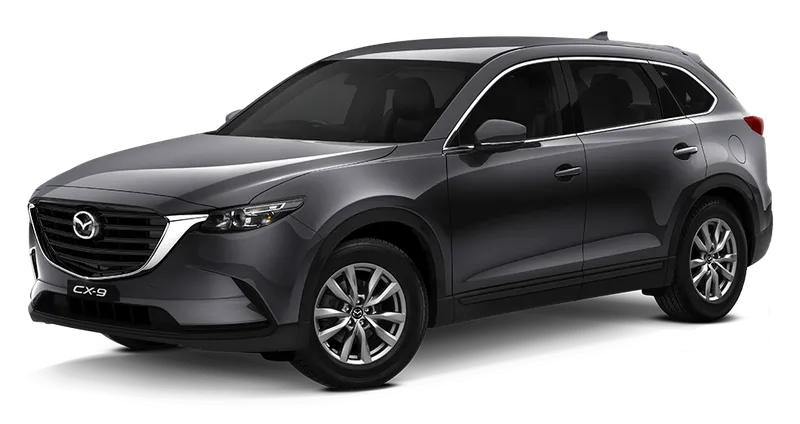
- Mazda CX-912
- Buick Enclave17
- Honda Pilot93
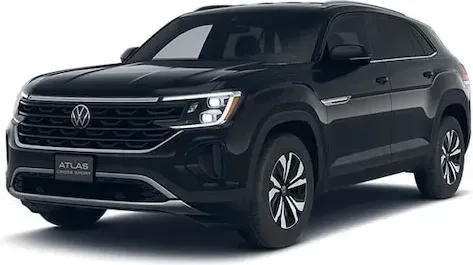
- Volkswagen Atlas114
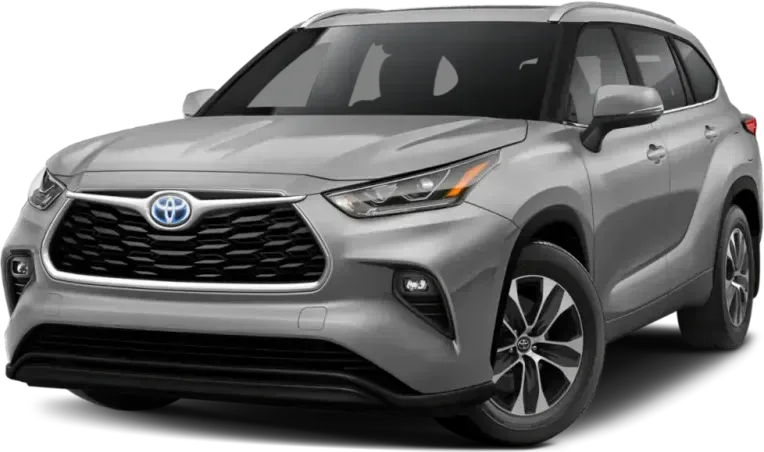
- Toyota Highlander140
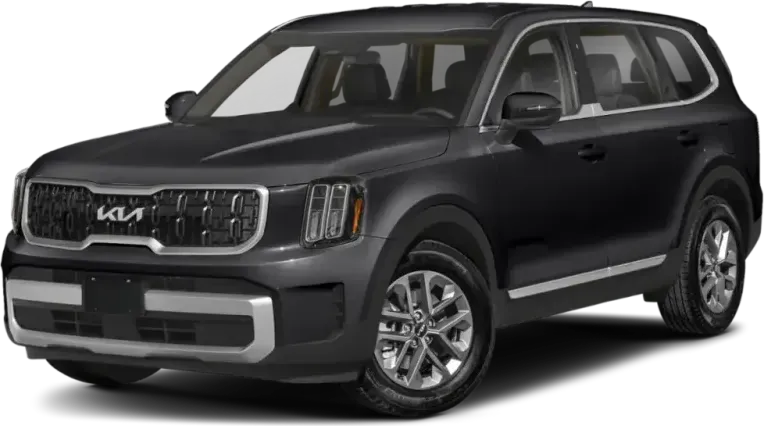
- Kia Telluride161
- 2023 Hyundai Palisade326