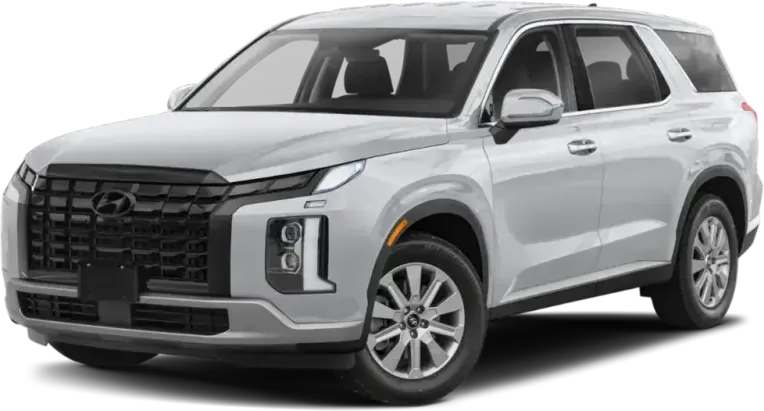
2022 Hyundai Palisade: What to check before buying
Owners have filed 241 complaints with NHTSA about this car, most about the seat belts, wipers and visibility, and electrical. The 10 checks below target those problems, in the order you would do them at the car.
 2022
- Owner complaints
- 241
- Recalls
- 5
- 1 urgent
- Crashes reported
- 3
- 6 injuries
One recall on this model year told owners to park outside until the repair was done.
Do not buy until you have dealer paperwork or a recall lookup showing it was completed for this VIN.
Your inspection sheet
Tick items off on your phone at the car, or print it. Ticks stay on this device.
0/10 checked
2022 Hyundai Palisade: inspection sheet
Paperwork and questions
Before you go, or before you touch the car0/3
Walk-around and cabin
Engine off, key in hand0/1
Cold start, engine bay, and underside
Ask the seller not to warm the car up first0/4
Test drive
At least 20 minutes, with some highway0/2
These checks are specific to this model year. For tires, body panels, fluids, and the other basics every used car needs, use the general inspection guide.
Which Palisade is it?
EPA figures for each version of the 2022 Hyundai Palisade. Use them to confirm you are looking at the version that was advertised, and as a yardstick on the test drive.
| Version | Drive | EPA rating |
|---|---|---|
| 3.8L 6-cyl | AWD, FWD | 21–22 mpg |
- Reset the trip computer at the start of the drive. A Palisade that averages well under the EPA 21 mpg combined on a mixed route may have an engine or tire problem.
Check the odometer against these mileages
Owners report these failures starting around the mileages below. A car inside one of these ranges deserves a closer look at that part, or records showing it was already fixed.
Windshield cracking without impact
1,200–3,000 miles
Spontaneous sunroof shattering
8,000–11,000 miles
Leaking rear shocks
29,800–48,860 miles
Why these checks: what owners reported
NHTSA complaints for the 2022 Hyundai Palisade, grouped by the part owners named. Open a row to read what goes wrong.
Seat belts52No crashes
Buckles release on their own while the SUV is moving, in the driver, front passenger, and second-row seats. Some buckles also refuse to latch until forced several times. Dealers often say they cannot reproduce it. Most recent reports concern recall 25V607000: owners got the notice but parts were on nationwide backorder, and many waited months for the fix. A belt that unlatches in a crash offers no protection. One separate report describes a third-row buckle crushed when the row was folded.
Wipers and visibility40No crashes
Wipers quit in snow when buildup packs the cowl area, so drivers have to pull over and clear it. Recall 23V180000 targeted this, yet several owners report the driver-side wiper failing again after the recall repair, in snow and in heavy rain. Windshields crack with no visible impact, sometimes within the first 3000 miles. Other complaints describe rain-sensing wipers running on dry days, washer fluid fumes entering the cabin through the vents, and a sunroof shattering on the highway.
Panoramic sunroofs shatter with a gunshot-like bang, usually at highway speed with nothing striking the roof. Glass falls into the cabin when the shade is open, and 5 people were cut. One sunroof broke in a parked car. Dealers have blamed rocks and refused warranty coverage. Windshields crack spontaneously on new vehicles, including after a remote-start warm-up and after a chip repair. Other reports cover wipers stalling in light snow and power mirrors that stop adjusting.
Electrical20No crashes
Fire risk tied to the tow package wiring is the most serious item here. One parked SUV burned in a driveway, and the fire started in rear wiring. Under the recall, dealers pulled a fuse as a stopgap, which disables towing, and the permanent wiring kit sat on backorder for months. The most common day-to-day fault is the child safety lock: it clicks repeatedly, then shows a failure message. Other reports describe the speedometer dropping to zero, a dark dash display, and parking sensor errors.
Suspension181 crash
Rear self-leveling shocks leak and start clunking, thumping, or creaking over bumps. Many owners have had them replaced two to four times, and the noise often comes back within a few thousand miles. Leaking shocks are commonly reported between 29,800 and 48,860 miles. A service bulletin covers the rear insulator caps, but owners call it a temporary fix. Worn shocks are linked to uneven tire wear. The one crash-flagged report describes brakes that needed pumping to stop, not a shock failure.
Engine17No crashes
Heavy oil consumption causes stalls at stops, rough running, and limp mode on the highway, often with no low-oil warning. These reports cluster at higher mileage, from about 48,000 to 95K. Radiators crack and leak coolant, with two failures at about 15,000 miles fixed under warranty. Isolated reports include a head gasket oil leak at 4500 miles, a drain plug falling out and seizing the engine, and a fragile plastic oil filter housing that some shops will not touch.
Steering14No crashes
Pulling hard to the right is the most common problem, often from the first drive. The wheel sits off center and is harder to turn left. Alignments do not cure it, and a steering torque reset helps only briefly. Some owners link it to the steering angle sensor. More dangerous reports describe the wheel locking up or turning heavy, sometimes alongside a lane-assist or collision-avoidance warning. One repair replaced the steering motor and control unit. Alternator failures have also killed power steering and shut the engine off while driving.
Trailer Hitches14No crashes
Nearly every report is about a recall delay, not a breakdown. Owners got notice of recall 22V633000 for the tow hitch wiring, but the repair part was unavailable for an extended period. As a temporary step, dealers removed the tow hitch fuse, which leaves the hitch wiring dead. Owners say the manufacturer took an unreasonable amount of time to supply the permanent fix. Only one report describes an actual fault: no trailer lights after hooking up, on a vehicle covered by the recall.
Transmission10No crashes
Loss of power is the central complaint. The engine revs but the SUV fails to accelerate, hesitates when merging, or stalls coming to a stop, often with no warning light. Some dealers diagnosed transmission failure, and one transmission failed again after replacement. Parts shortages stretched repair waits. Radiator and coolant leaks also show up here, with overheating warnings and hoses needing repeat service. A service bulletin acknowledges radiator coolant leaks on these Palisades, but there is no recall.
In owners' own words
Excerpts from complaints Palisade owners filed with NHTSA, as written. Listen for the same symptoms on your test drive.
The seatbelts in the Driver, Front passenger and second row passenger come unlatched by themselves, unprompted and at times, do not want to buckle until multiple times of forces them in. The driver seat with the lower seat adjustment will move unexpectedly without prompting. This is not the first time this has happened. It has occurred multiple times this past year, starting around 36,000 miles.
Filed with NHTSA, April 2025
I am the second owner of this vehicle and have only been driving it for two weeks. The second row driver’s side seatbelt has disengaged on multiple occasions (at least 5) while the car is in motion. The passenger seatbelt has disengaged twice and the driver’s seatbelt has disengaged once. Obviously this is a serious issue that could result in major injuries if an accident ever occurred. I will be taking the vehicle in for service as soon as possible.
Filed with NHTSA, April 2025
This is in reference to Hyundai Recall Number: 243, NHTSA Recall Number: 23V-180 Took my Hyundai to dealership on 3 different occasions for the intermittent wiper not working properly. It activates indiscriminately on clear sunny days and doesn't react to rain hitting the windshield. Three different times I took to dealership for this same problem including the safety recall. The problem still exists. It is a safety hazard on rainy days in Florida.
Filed with NHTSA, July 2023
I was driving on freeway and a small rock or something made a low sound impact with my car’s windshield resulting into a crack. There was traffic on freeway so car wasn’t driven above 40mph speed. The windshield appears to be super thin, and probe to these issues. This thing isn’t being covered by Hyundai and is first in my driving life of 9 years. This is first time with Hyundai, lexus and Mercedes didn’t have any low quality windshields.
Filed with NHTSA, January 2022
Vehicle randomly burst into flames while parked and shut off in our driveway beside our home.vehicle is total loss. Fire department determined fire started driver side rear of vehicle in wiring. Diehl Hyundai of Sharon was the last dealer to proved service and closed the recall on this vehicle. Vehicle model is known for this type of fire. Dealer did not make us aware of this recall before purchase. Vehicle was purchased specifically for towing ability.
Filed with NHTSA, February 2025
Child safety locks fail more frequently than they work. At any given time the locks star making a rapid clicking sound and then a “child safety lock malfunction” message appears on the dash. I have three young children who can reach the window buttons and handles while buckled putting our safety at risk when majority of the time this safety feature malfunctions. This has been on going for months but is getting rapidly more frequent.
Filed with NHTSA, June 2023
Rear shocks failed at 71,000 miles, front shocks are now failing at 73,000 miles. Vehicle is not driven under harsh conditions and all recommended maintenance has been performed. Service advisor said “the Palisade is notorious for this”. Front rotors/brakes have been reported as in good conditions for months. Now, front rotors are suddenly so warped they need to be replaced immediately.
Filed with NHTSA, November 2025
Suspension has been an issue since 10,000 miles. Rear shocks replaced at 58,000. 3,000 miles later the noise & bumpy ride have returned. Had to replace front brakes before 50,000 miles due to wear. Replaced all 4 tires due to extreme uneven wear at 45,000.
Filed with NHTSA, June 2025
How the 2022 compares with other Palisade years
Complaints for this year next to the average for the other model years, area by area.
The 2022 ranks fifth for owner complaints among 7 Palisade years, close to the average of the others. Newer years have had less time to collect complaints, so compare like with like.
- Seat belts5230
- Wipers and visibility4037
- Electrical2018
- Suspension1820
- Engine1711
- Steering147
Where the 2022 fits in the Palisade's history
Redesigns and mid-cycle updates change what can go wrong.
The 2022 is the third model year of the Palisade's first generation (2020–2025).
It is also the first year of a mid-cycle update.
What changed for 2022
- Increased tech features
- New trim levels
Recalls to confirm (5)
Recall repairs are free at any Hyundai dealer, but the seller may never have had them done. Check each campaign number against the VIN.
22V633000Trailer HitchesPark outsideAug 2022
Hyundai Motor America (Hyundai) is recalling 2020-2022 Palisade vehicles potentially equipped with a tow hitch harness installed as original equipment, or purchased as an accessory through a Hyundai dealership. Debris and moisture accumulation on the tow hitch harness module printed circuit board (PCB) may cause an electrical short, which can result in a fire.
Risk: A fire while parked or driving can increase the risk of injury.
Fix: Owners are advised to park outside and away from structures until the recall repair is complete. Dealers will install a new fuse and wire extension kit, as necessary, free of charge. Owner notification letters were mailed May 18, 2023. Owners may contact Hyundai customer service at 1-855-371-9460. Hyundai's number for this recall is 235.
26V034000AirbagsJan 2026
Hyundai Motor America (Hyundai) is recalling certain 2020-2025 Palisade vehicles. The side curtain air bags for third-row occupants may deploy improperly in a crash. As such, these vehicles fail to comply with the requirements of Federal Motor Vehicle Safety Standard (FMVSS) number 226, "Ejection Mitigation.".
Risk: Improper side curtain air bag deployment increases the risk of injury during a crash.
Fix: The remedy is currently under development. Owner notification letters are expected to be mailed March 23, 2026. Owners may contact Hyundai customer service at 1-855-371-9460. Hyundai's number for this recall is 292. Vehicle Identification Numbers (VINs) involved in this recall became searchable on NHTSA.gov on January 24, 2026.
25V607000Seat beltsSep 2025
Hyundai Motor America (Hyundai) is recalling certain 2020-2025 Palisade vehicles. The seat belt buckles in the driver, passenger, and second-row window seats may fail to latch.
Risk: Seat belt buckles that fail to latch may not properly restrain occupants in a crash, increasing the risk of injury.
Fix: Passengers are advised to insert the belt firmly into the buckle with a quick and direct motion, pulling on the belt to confirm the seat belt is fully secured, until the recall remedy is performed. Dealers will replace the seat belt buckle assemblies, free of charge. Interim notification letters, notifying owners of the safety risk, were mailed beginning October 23, 2025. Additional letters will be sent once the final remedy is available, anticipated February 2026. Owners may contact Hyundai customer service at 1-855-371-9460. Hyundai's number for this recall is 283. Vehicle Identification Numbers (VINs) involved in this recall became searchable on NHTSA.gov on September 13, 2025.
23V180000Wipers and visibilityMar 2023
Hyundai Motor America (Hyundai) is recalling certain 2021-2023 Palisade vehicles. The windshield wiper motor may operate intermittently or fail to operate due to snow or ice buildup on the windshield, causing the wipers to fail.
Risk: Windshield wiper failure can reduce visibility, increasing the risk of a crash.
Fix: Dealers will replace the driver-side windshield wiper arm, free of charge. Owner notification letters were mailed May 15, 2023. Owners may contact Hyundai customer service at 1-855-371-9460. Hyundai's number for this recall is 243. This recall is an expansion of recall number 22V-627.
22V353000ElectricalMay 2022
Hyundai Motor America (Hyundai) is recalling certain 2022 Palisade vehicles. The instrument cluster assembly may have been manufactured with excessive adhesive, which can disable the instrument cluster display screen.
Risk: A disabled display screen will not show critical information, such as the meters, gauges, and warning lights, which can increase the risk of a crash.
Fix: Dealers will replace the instrument cluster assembly, free of charge. Owner notification letters were mailed July 15, 2022. Owners may contact Hyundai customer service at 1-855-371-9460. Hyundai's number for this recall is 230.
Also looking at these instead of a Palisade?
Cars shoppers compare with the Hyundai Palisade, with their own 2022 checklists.
2022 owner complaints, side by side
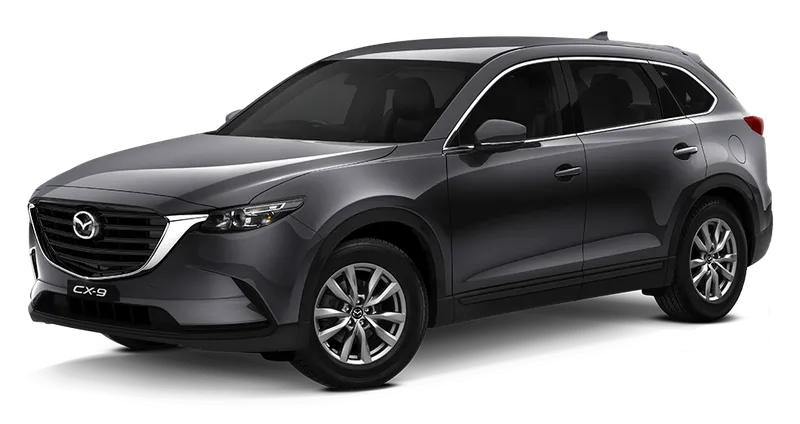
- Mazda CX-99
- Buick Enclave12
- Honda Pilot105
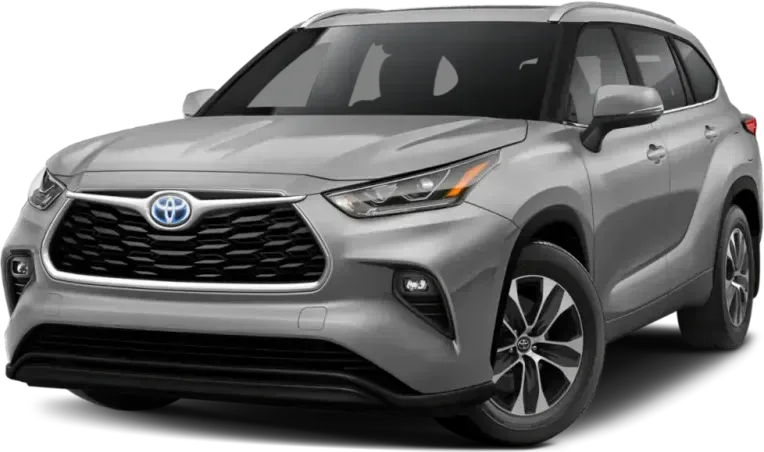
- Toyota Highlander186
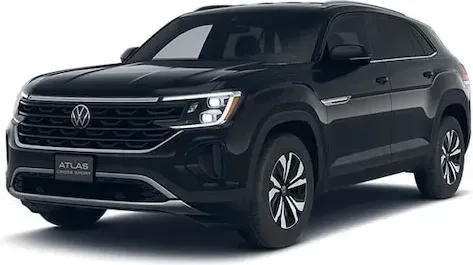
- Volkswagen Atlas217
- 2022 Hyundai Palisade241
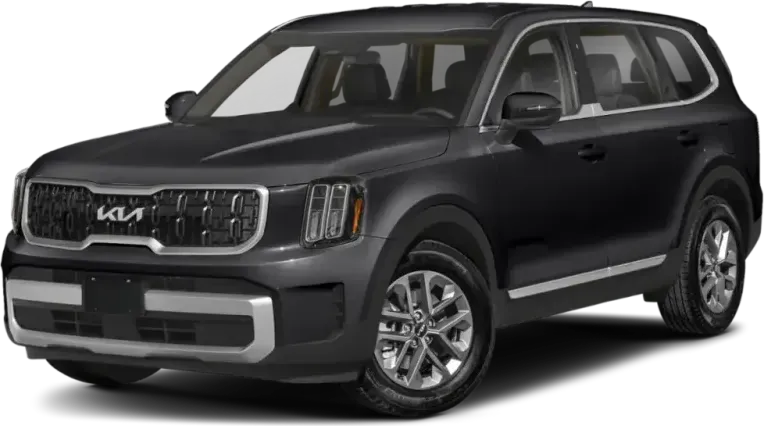
- Kia Telluride280