2020 Hyundai Palisade: What to check before buying
Owners have filed 521 complaints with NHTSA about this car, most about the wipers and visibility, suspension, and engine. The 10 checks below target those problems, in the order you would do them at the car.
 2020
- Owner complaints
- 521
- Recalls
- 5
- 1 urgent
- Crashes reported
- 17
- 23 injuries
One recall on this model year told owners to park outside until the repair was done.
Do not buy until you have dealer paperwork or a recall lookup showing it was completed for this VIN.
Your inspection sheet
Tick items off on your phone at the car, or print it. Ticks stay on this device.
0/10 checked
2020 Hyundai Palisade: inspection sheet
Paperwork and questions
Before you go, or before you touch the car0/6
Cold start, engine bay, and underside
Ask the seller not to warm the car up first0/1
Test drive
At least 20 minutes, with some highway0/3
These checks are specific to this model year. For tires, body panels, fluids, and the other basics every used car needs, use the general inspection guide.
Which Palisade is it?
EPA figures for each version of the 2020 Hyundai Palisade. Use them to confirm you are looking at the version that was advertised, and as a yardstick on the test drive.
| Version | Drive | EPA rating |
|---|---|---|
| 3.8L 6-cyl | AWD, FWD | 21–22 mpg |
- Reset the trip computer at the start of the drive. A Palisade that averages well under the EPA 21 mpg combined on a mixed route may have an engine or tire problem.
Check the odometer against these mileages
Owners report these failures starting around the mileages below. A car inside one of these ranges deserves a closer look at that part, or records showing it was already fixed.
Windshield cracking from minor impacts
150–15,000 miles
First rear shock failure
20,000–37,000 miles
Repeat rear shock failure
45,000–86,000 miles
Excessive engine oil consumption
65,000–98,000 miles
Why these checks: what owners reported
NHTSA complaints for the 2020 Hyundai Palisade, grouped by the part owners named. Open a row to read what goes wrong.
Wipers and visibility1131 crash
Windshields crack from small pebbles at ordinary speeds, often within the first few thousand miles. Many reports put the first crack under 2,000 miles, some as early as 150. Small chips spread into long cracks within hours. Several cracks appear while parked, during a car wash, or with no impact at all. Replacement glass often cracks again. Glass shops reportedly decline to repair the chips because the cracks keep spreading, so most cases end in a full replacement, and some owners pay for several.
Wipers freeze up in snow and cold, and in one crash the wipers seized in a snowstorm and 2 people were hurt. Many reports concern recall 22V627000, and owners say the repair parts are not available. Sunroof glass shatters suddenly with a loud bang while driving, or comes off its track. Windshields crack from minor impacts or with no impact at all, around 10,000 to 12,000 miles in these reports, and some owners replace them repeatedly.
Suspension56No crashes
Self-leveling rear shocks fail and keep failing. The usual signs are clunking, knocking, or rattling from the rear, a harsher ride over bumps, and instability on the highway. No warning light comes on. First failures cluster around 20,000 to 37,000 miles, and replacements often wear out again after about another 20,000. Some owners also report the rubber on the rear strut top insulator disintegrating. Repairs under TSB 22-SS-001H were covered under warranty, but owners past warranty are refused, with one quoted $6,000. Some can't find replacement parts.
Engine49No crashes
The 3.8L V6 burns oil, and many owners find it nearly or completely empty well before the scheduled change. No low-oil warning comes on. Symptoms include knocking, rattling, rough idle, sputtering, stalling, and in some cases a seized engine. One engine caught fire and ended up with a hole in the block. Consumption most often starts between 65,000 and 98,000 miles, though some cars show it under 24,000. Dealers typically require repeated 1,000-mile oil consumption tests before a cleaning or engine replacement. Long waits and denials past the 100,000-mile powertrain warranty are common.
Seat belts32No crashes
Buckles come unlatched on their own while driving. Owners report it in the front seats, the captain's chairs, and the rear, and some belts won't latch at all. Many reports concern recall 25V-607 for the buckle assemblies, and owners say parts are on back order and dealers can't do the repair. Third-row buckles get crushed and cracked when the power-folding seats go down. A driver belt that won't retract also appears. Some dealers blame debris or deny warranty coverage.
Transmission311 crash
Heavy oil consumption dominates here as well. Some engines burn 3 quarts in 1,000 miles and get replaced after failed consumption tests, sometimes after waits of months. Cars stall or lose all power, including while merging onto a highway. Transmission complaints include sticking in one gear, dropping out of gear, slipping, and metal shavings in the fluid, and some cars are on their third transmission. One crash involved a sudden surge while braking into a parking space. In one fire, popping, hissing, and a loss of power at 65 mph came first.
Electrical301 crash
The instrument cluster goes dark or reads wrong. The speedometer, tachometer, and fuel gauge stop working, sometimes as early as 2,100 miles and more often in hot weather. Blind spot warning gives false alerts or shuts itself off. Some owners report the emergency brakes engaging at highway speed with nothing ahead. A/C compressors fail despite a related service bulletin. Alternator failures and random shutoffs at idle leave cars stranded. One unintended acceleration crash injured 3 people, and one owner got a burn from an electrical shock at the liftgate.
Body and structure23No crashes
Loud whistling and wind noise come from the front door glass, mostly above 50 mph. Owners say a service bulletin for it was issued and later withdrawn. Liftgate struts crack or come apart, and one power liftgate fell and struck a person on the head. Other liftgates stop closing partway down. Sunroofs shatter, or the wind deflector breaks and jams the panel. Paint peels down to bare metal on the roof and liftgate, and exterior plastic trim degrades in the sun. One owner says a door cut their leg again after a recall repair.
Steering143 crashes
The wheel binds or locks during low-speed turns, sometimes with a loud noise, then frees up. Dealers often can't reproduce it. Other reports describe a whirring or whining noise when turning that returns after a gear replacement, a thud at full lock blamed on voltage, and a car that pulls hard to the right. Some lockups follow a burst of driver-assist error messages. Of the 3 crash reports, one involved a locked wheel, one a sudden surge, and one a steering column that sheared in a minor rear impact.
In owners' own words
Excerpts from complaints Palisade owners filed with NHTSA, as written. Listen for the same symptoms on your test drive.
The rubber covering on the rear passenger side strut top insulator disintegrated twice. It was replaced in 2022 at 20,000 miles and now again in 2024 at 57,000. It was confirmed by the dealer and acknowledge that this is a known problem. The issue caused a loud knocking sound when I drove and vehicle instability. I was afraid to drive my vehicle until it was fixed. There were no messages, warnings or lamps that indicated what the issue was.
Filed with NHTSA, June 2024
Rear shocks failing due premature wear and tear. There were/are no warning lamps and there was no singular incident (eg. accident) that caused this problem that I am aware. The passenger-side rear shock started exhibiting knocking noises in August 2024 when the car was 5 yo and had approx. 85000 miles. Since, the knocking is more frequent but not louder. Also, the ride has slowly become worse over bumps. Dealer confirmed problem.
Filed with NHTSA, May 2025
The engine of my 2020 Palisade has burned about 1.5 quarts of engine oil every 1k miles. I found this when checked the dipstick after 3k miles and barely see any oil on the dipstick. Even with the oil level far below the LOW level, the car doesn't have any light to warn me about it is being low on oil. This problem can lead me to blown the engine by not having any oil, also stranded on the highway.
Filed with NHTSA, February 2024
Engine started burning oil at 65000 miles. It has now run almost completely out of oil twice at about 4200 miles since last oil change, not even close to reaching the manufacturer recommended interval of 7500 miles between oil changes. On top of the engine consuming oil at an alarming rate, there are no warning indicator lights that turn on to let you know your oil level is critically low.
Filed with NHTSA, October 2025
I rent my vehicle on the Turo app Market and depend On it as income. When this recall occurred the vehicle was suspended from the platform as it was being rented out to a client and was not informed during the recall as she was driving it, therefore putting her at risk, as well as myself as a host. Its been a month and now I am unable to do business or drive the car knowing the potential consequences stated by the recall indefinitely.
Filed with NHTSA, October 2025
The seatbelt is flush with the seat and does not allow for a safe and easy fashion to buckle our son in while in his booster seat. We can get it done, but it is extremely difficult and he cannot do it on his own. Upon doing some research, many people are now using seatbelt extenders to help with that issue, which is not allowed/rated for this use. I was considering it until I saw the potential danger involved.
Filed with NHTSA, May 2023
How the 2020 compares with other Palisade years
Complaints for this year next to the average for the other model years, area by area.
The 2020 has the most owner complaints of the 7 Palisade years we cover, about 2.3 times the average of the others. Newer years have had less time to collect complaints, so compare like with like.
- Wipers and visibility11325
- Suspension5613
- Engine496
- Seat belts3234
- Transmission3111
- Electrical3016
Where the 2020 fits in the Palisade's history
Redesigns and mid-cycle updates change what can go wrong.
The 2020 is the first model year of the Palisade's first generation (2020–2025). First years of a redesign often carry teething problems that Hyundai fixes in later years, so the checks above matter more than usual.
Hyundai updated the Palisade for 2022, so a 2020 does not have those changes.
What changed for 2022 (not on a 2020)
- Increased tech features
- New trim levels
Should you avoid the first year of a redesign? See the 45-car study.
Recalls to confirm (5)
Recall repairs are free at any Hyundai dealer, but the seller may never have had them done. Check each campaign number against the VIN.
22V633000Trailer HitchesPark outsideAug 2022
Hyundai Motor America (Hyundai) is recalling 2020-2022 Palisade vehicles potentially equipped with a tow hitch harness installed as original equipment, or purchased as an accessory through a Hyundai dealership. Debris and moisture accumulation on the tow hitch harness module printed circuit board (PCB) may cause an electrical short, which can result in a fire.
Risk: A fire while parked or driving can increase the risk of injury.
Fix: Owners are advised to park outside and away from structures until the recall repair is complete. Dealers will install a new fuse and wire extension kit, as necessary, free of charge. Owner notification letters were mailed May 18, 2023. Owners may contact Hyundai customer service at 1-855-371-9460. Hyundai's number for this recall is 235.
26V034000AirbagsJan 2026
Hyundai Motor America (Hyundai) is recalling certain 2020-2025 Palisade vehicles. The side curtain air bags for third-row occupants may deploy improperly in a crash. As such, these vehicles fail to comply with the requirements of Federal Motor Vehicle Safety Standard (FMVSS) number 226, "Ejection Mitigation.".
Risk: Improper side curtain air bag deployment increases the risk of injury during a crash.
Fix: The remedy is currently under development. Owner notification letters are expected to be mailed March 23, 2026. Owners may contact Hyundai customer service at 1-855-371-9460. Hyundai's number for this recall is 292. Vehicle Identification Numbers (VINs) involved in this recall became searchable on NHTSA.gov on January 24, 2026.
25V607000Seat beltsSep 2025
Hyundai Motor America (Hyundai) is recalling certain 2020-2025 Palisade vehicles. The seat belt buckles in the driver, passenger, and second-row window seats may fail to latch.
Risk: Seat belt buckles that fail to latch may not properly restrain occupants in a crash, increasing the risk of injury.
Fix: Passengers are advised to insert the belt firmly into the buckle with a quick and direct motion, pulling on the belt to confirm the seat belt is fully secured, until the recall remedy is performed. Dealers will replace the seat belt buckle assemblies, free of charge. Interim notification letters, notifying owners of the safety risk, were mailed beginning October 23, 2025. Additional letters will be sent once the final remedy is available, anticipated February 2026. Owners may contact Hyundai customer service at 1-855-371-9460. Hyundai's number for this recall is 283. Vehicle Identification Numbers (VINs) involved in this recall became searchable on NHTSA.gov on September 13, 2025.
22V627000Wipers and visibilityAug 2022
Hyundai Motor America (Hyundai) is recalling certain 2020-2021 Palisade vehicles. The windshield wiper motor may become inoperative, causing the wipers to fail.
Risk: Windshield wiper failure can reduce visibility, increasing the risk of a crash.
Fix: Dealers will replace the driver-side windshield wiper arm, free of charge. Owner notification letters were mailed December 13, 2022. Owners may contact Hyundai customer service at 1-855-371-9460. Hyundai's number for this recall is 233.
19V802000AirbagsNov 2019
Hyundai Motor America (Hyundai) is recalling certain 2020 Palisade vehicles. The mounting bolts used to secure the side curtain air bags may damage the side curtain air bags during deployment.
Risk: Damaged side curtain air bags may not inflate properly in the event of a crash, increasing the risk of injury.
Fix: Hyundai will notify owners, and dealers will install a protective cover on the mounting bolts, free of charge. The recall began December 20, 2019. Owners may contact Hyundai customer service at 1-855-371-9460. Hyundai's number for this recall is 186.
Also looking at these instead of a Palisade?
Cars shoppers compare with the Hyundai Palisade, with their own 2020 checklists.
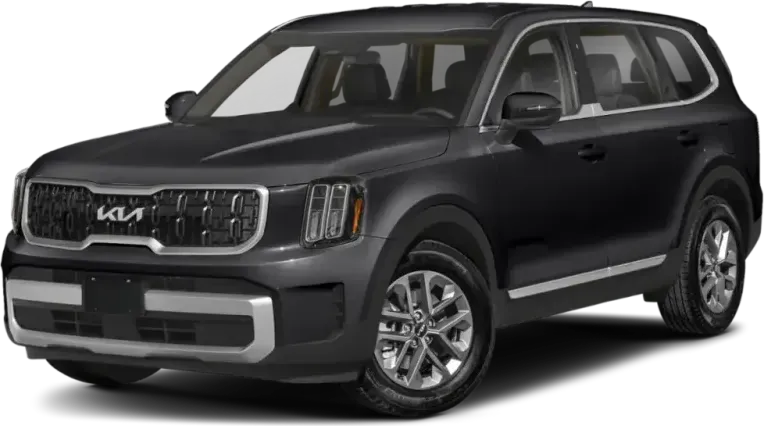
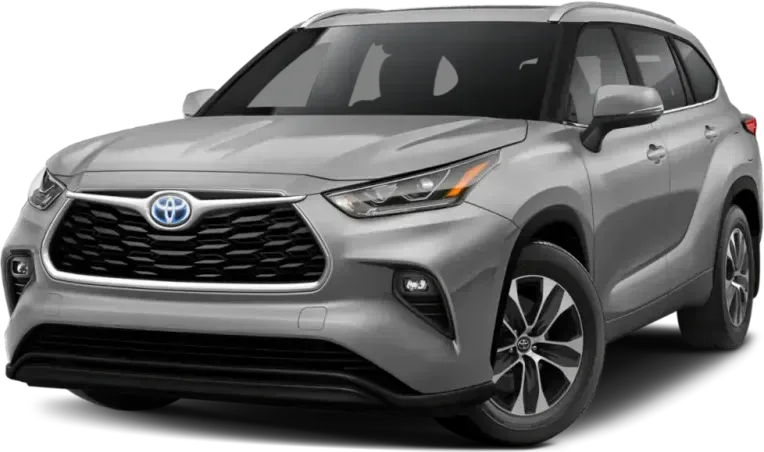
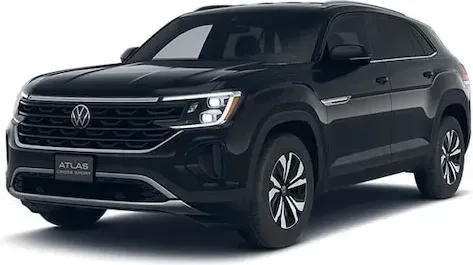
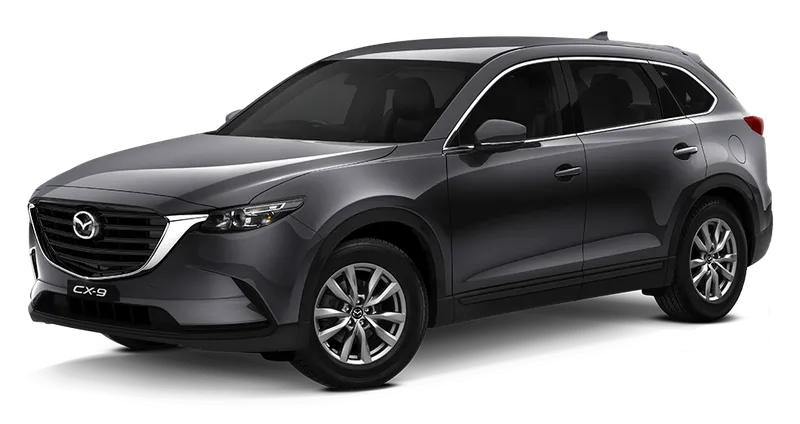
2020 owner complaints, side by side
- Mazda CX-919
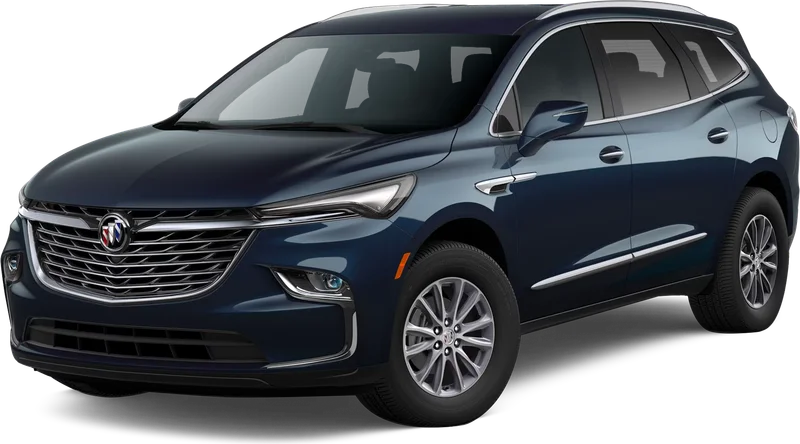
- Buick Enclave48
- Volkswagen Atlas116
- Toyota Highlander269
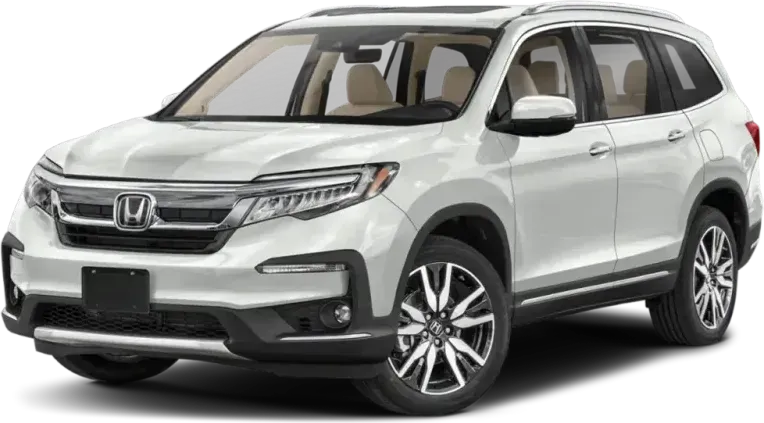
- Honda Pilot431
- 2020 Hyundai Palisade521
- Kia Telluride667