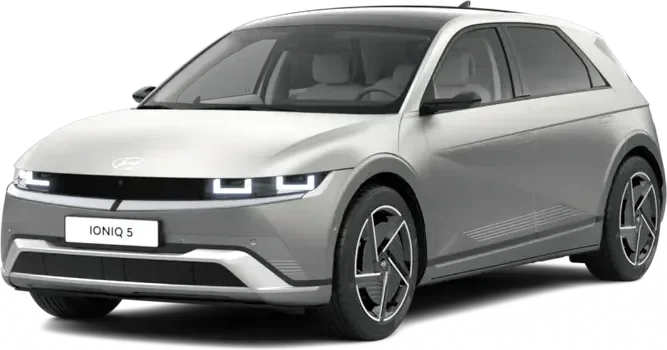
2022 Hyundai Ioniq 5: What to check before buying
Owners have filed 349 complaints with NHTSA about this car, most about the electrical, transmission, and fuel system. The 9 checks below target those problems, in the order you would do them at the car.
 2022
- Owner complaints
- 349
- Recalls
- 3
- Crashes reported
- 7
Your inspection sheet
Tick items off on your phone at the car, or print it. Ticks stay on this device.
0/9 checked
2022 Hyundai Ioniq 5: inspection sheet
Paperwork and questions
Before you go, or before you touch the car0/4
Walk-around and cabin
Engine off, key in hand0/1
Test drive
At least 20 minutes, with some highway0/4
These checks are specific to this model year. For tires, body panels, fluids, and the other basics every used car needs, use the general inspection guide.
Which Ioniq 5 is it?
EPA figures for each version of the 2022 Hyundai Ioniq 5. Use them to confirm you are looking at the version that was advertised, and as a yardstick on the test drive.
| Version | Drive | EPA rating |
|---|---|---|
| Electric | AWD, RWD | 256–303 mi range |
- With a full charge, the range estimate on the dash should land near the EPA figure of 256–303 miles. A much lower number on a mild day can mean a worn battery; ask for a battery health report.
Check the odometer against these mileages
Owners report these failures starting around the mileages below. A car inside one of these ranges deserves a closer look at that part, or records showing it was already fixed.
ICCU and fuse failure
7,300–24,700 miles
Why these checks: what owners reported
NHTSA complaints for the 2022 Hyundai Ioniq 5, grouped by the part owners named. Open a row to read what goes wrong.
Electrical2082 crashes
Sudden loss of drive power is the main failure. Most cases trace to the Integrated Charging Control Unit (ICCU) and its high-voltage fuse. Drivers often hear a pop and see "Check electric vehicle system," then "Stop vehicle and check power supply." Speed drops to around 20 to 25 mph and the car shuts down. The 12V battery drains and home charging stops. Failures show up from about 7,300 to 24,700 miles, including after the Service Campaign 997 software update. Repairs often stall for weeks on back-ordered parts. Two crash reports say the car would not stop under braking.
Transmission671 crash
Propulsion cuts out while driving, and ICCU failures cause most of it. Some happen at highway speed in heavy traffic. Warnings such as "Check electrical system" or "12V battery voltage low" come first, then the car slows to a crawl or dies. Repeat ICCU and 12V battery replacements and long waits for parts are common. Reported mileages run from 9,300 to 49,000. Other reports describe brief power cuts, a phantom "Emergency Braking" message, and one failed EV battery. In one crash report, the car moved on its own into a garage after the shifter failed.
Fuel system12No crashes
These reports cover two problems. ICCU failures put the car in limp mode at about 25 to 30 mph and show "Stop vehicle and check power supply." The car then cannot charge. Some units have been replaced twice, and parts can take months. Separately, Level 2 home charging stops partway, especially on warm days above 32 amps or around 9kw, and the charge port runs hot. Owners say the service bulletin fix only lowers charging speed. One report describes speed suddenly capped at 20 mph.
Steering10No crashes
Most of these reports are ICCU and high-voltage fuse failures, not steering faults. The car shows warnings such as "Stop Vehicle Check Power Supply" or "12v Battery Critical," slows, and shuts down. In some cases the wheels lock and the hazard lights will not work. Steering can feel unassisted afterward. Some owners report a second ICCU failure after a warranty repair. Other complaints describe a shift knob that sticks out or falls off, lane assist grabbing the wheel during power surges, and the car pulling right on the freeway.
Exterior lights8No crashes
Brake lights stay off in i-Pedal or one-pedal driving unless the accelerator is fully released. The car can slow sharply, to about 5 mph or a full stop, with no signal to drivers behind. Owners describe tailgaters braking hard. They say it happens at all speeds and has since delivery, with no warning lights, so it appears to be normal behavior rather than a fault. One other complaint says the headlight on one side turns off when the turn signal is on.
Acceleration and cruise control71 crash
Acceleration cuts out, or the car slows without warning, on the highway. Smart cruise control and the forward safety system shut off at speed, and the accelerator stops responding at 70 to 75 mph, so drivers have to coast to the shoulder. Restarting the car often clears it, and dealers find nothing wrong. Other reports describe the car putting itself in park, weaker ECO-mode acceleration after a recall repair, and driver-assist settings wiped by a Bluelink outage. In one crash, a parked car rolled away after the shifter control unit failed.
Brakes71 crash
Unintended rolling is the main concern. After stopping on a slight incline, the car rolls backward unless the driver presses harder on the brake. In one serious report, a parked, switched-off car rolled backward and pinned a person in a snowbank. Others report collision warning and automatic braking not activating in stop-and-go traffic, a "Stop vehicle and check brake system" error with limp mode, and strong regenerative slowing while the accelerator is still pressed. Dealers often find nothing wrong.
Parked cars roll away when left in Park without the parking brake set. One car rolled backward on a slight incline after being shut off, and it rolled again whenever the brake pedal was released. Another rolled away in a parking garage and hit a wall at about 700 miles. That owner had received notice of recall campaign 22V324000 for the parking brake. Neither report includes a dealer diagnosis or repair.
Automatic emergency braking62 crashes
Automatic braking both fires falsely and fails to fire. The system brakes hard under overpasses and road signs, or cruise control shuts off with a radar-blocked message and the car slows fast, nearly causing rear-end collisions. Two crash reports describe forward collision warning and auto braking not activating, and ABS or all-wheel drive seeming not to work. One dealer found a front radar alignment failure and would not cover it under warranty. Another report links lasting ABS and Smart Cruise Control warnings to an ICCU problem.
In owners' own words
Excerpts from complaints Ioniq 5 owners filed with NHTSA, as written. Listen for the same symptoms on your test drive.
15 miles south of Crescent City California, "Check EV system" warning displayed, and power immediately tapered to a crawl in 30 seconds or so. No earlier warnings appeared. Car was towed to Northwoods Hyundai in Eureka where the problem was identified as ICCU failure. No parts appear to be available, and car has been sitting in the elements now for over 6 weeks, 300 miles from home. No repair date has been indicated, and the new ICCU is still back ordered.
Filed with NHTSA, April 2025
The 12v battery died because the electric battery drained it. Ultimately, the electric battery is dead on a 1 year old car and needs replacement. The night before the failure, the car had 145 miles and drained the battery to 83 miles. Prior to that and an ongoing complaint to the dealership from November until this point, the range went from 245 miles per charge to 190 to 219 miles per charge. The 219 was after a system update in January.
Filed with NHTSA, March 2023
The vehicle completely lost power and there was 207 miles left to the charge. The message displayed on the driver's screen read "12V battery voltage low. Stop safely" I had no other choice than to stop since the car suddenly had zero power. The car was towed to Hyundai dealership on 2/15/23 and I have yet to have the vehicle repaired. Hyundai keeps informing me that the part is on order and delayed. I have been waiting a long time for a defective vehicle.
Filed with NHTSA, June 2023
The car was driving fine, and an error popped up indicating to pull over and check battery. As I am going to pull over a red flashing indicator pops up saying “pull over and check battery”. As I start to pull over the car speed drops to 25 miles per hour and fully dies as I make it to the side of the road.
Filed with NHTSA, April 2023
ICCU failed and my car will not charge. The dealer has diagnosed this issue. Parts are not available to fix this issue. The problem has been reported to the manufacturer but they have no expected delivery date for the needed parts. I was told it could be months.
Filed with NHTSA, January 2026
The ICCU broke and the associated fuse blew. The car would only go about 25 mph. It told me to stop driving. The car was taken to the dealer for ICCU and fuse replacement. It said check electric vehicle system, then stop vehicle and check power supply.
Filed with NHTSA, April 2024
While driving on highway I got below messages “Safety Functions are limited radar block warning message” Warning message went away after 15 minutes but then “Stop Vehicle Check Power Supply” warning message appeared and vehicle slowed on highway and stopped after 2 miles. Dealer replaced ICCU and Fuse that controls high voltage (charges 12v battery from main battery).
Filed with NHTSA, May 2023
How the 2022 compares with other Ioniq 5 years
Complaints for this year next to the average for the other model years, area by area.
The 2022 has the most owner complaints of the 5 Ioniq 5 years we cover, about 2.3 times the average of the others. Newer years have had less time to collect complaints, so compare like with like.
- Electrical20887
- Transmission6729
- Fuel system123
- Steering100
- Exterior lights81
- Acceleration and cruise control73
Where the 2022 fits in the Ioniq 5's history
Redesigns and mid-cycle updates change what can go wrong.
The 2022 is the first model year of the Ioniq 5's first generation (2022–2024). First years of a redesign often carry teething problems that Hyundai fixes in later years, so the checks above matter more than usual.
Hyundai updated the Ioniq 5 for 2024, so a 2022 does not have those changes.
What changed for 2024 (not on a 2022)
- Updated infotainment system
- Larger battery pack (84 kWh)
- Added rear hatch windscreen wiper
- Minor improvements to power efficiency and aerodynamics
- N-Line variant added
Should you avoid the first year of a redesign? See the 45-car study.
Recalls to confirm (3)
Recall repairs are free at any Hyundai dealer, but the seller may never have had them done. Check each campaign number against the VIN.
24V868000ElectricalNov 2024
Hyundai Motor America (Hyundai) is recalling certain 2022-2024 IONIQ 5, 2023-2025 IONIQ 6, Genesis GV60, Genesis GV70 "Electrified," and Genesis G80 "Electrified" vehicles. The Integrated Charging Control Unit (ICCU) may become damaged and stop charging the 12-volt battery, which can result in a loss of drive power.
Risk: A loss of drive power increases the risk of a crash.
Fix: Dealers will inspect and replace the ICCU and its fuse, as necessary. In addition, dealers will update the ICCU software. All repairs will be performed free of charge. Owner notification letters were mailed December 20, 2024. Owners may contact Hyundai customer service at 1-855-371-9460 or Genesis customer service at 1-844-340-9741. Hyundai's numbers for this recall are 272 (Hyundai) and 025G (Genesis). This recall expands and replaces previous recall number 24V-204. Vehicles previously repaired under recall 24V-204 will need to have the new remedy completed.
24V204000ElectricalMar 2024
Hyundai Motor America (Hyundai) is recalling certain 2022-2024 IONIQ 5, 2023-2024 IONIQ 6, Genesis GV60, Genesis GV70 "Electrified," and Genesis G80 "Electrified" vehicles. The Integrated Charging Control Unit (ICCU) may become damaged and stop charging the 12-Volt battery, which can result in a loss of drive power.
Risk: A loss of drive power increases the risk of a crash.
Fix: This recall is replaced by NHTSA recall number 24V-868. Vehicles already repaired under this recall will need to have the new remedy completed. Dealers will inspect and replace the ICCU and its fuse, as necessary. In addition, dealers will update the ICCU software. All repairs will be performed free of charge. Owner notification letters were mailed April 22, 2024. Owners may contact Hyundai customer service at 1-855-371-9460. Hyundai's number for this recall is 257/021G.
22V324000BrakesMay 2022
Hyundai Motor America (Hyundai) is recalling certain 2022 Ioniq 5 vehicles. A software error in the Shifter Control Unit (SCU) may disengage the parking mechanism, which can allow the vehicle to rollaway.
Risk: Vehicle rollaway can increase the risk of a crash or injury.
Fix: Drivers are recommended to use the Electronic Parking Brake (EPB) when parking their vehicles until the remedy has been performed. Dealers will update the Shifter Control Unit software, free of charge. Owner notification letters were mailed July 14, 2022. Owners may contact Hyundai customer service at 1-855-371-9460. Hyundai's number for this recall is 228.
Also looking at these instead of a Ioniq 5?
Cars shoppers compare with the Hyundai Ioniq 5, with their own 2022 checklists.
2022 owner complaints, side by side
- Kia Sportage39
- Toyota Corolla120
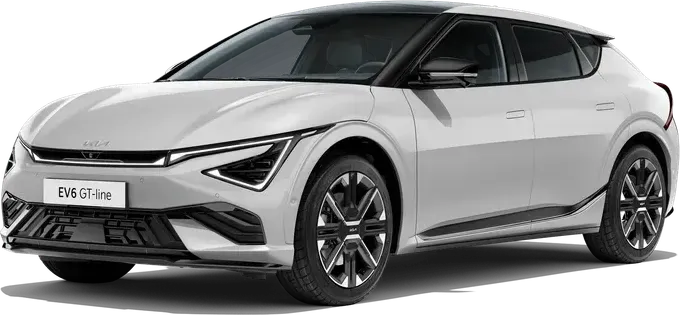
- Kia EV6215
- 2022 Hyundai Ioniq 5349
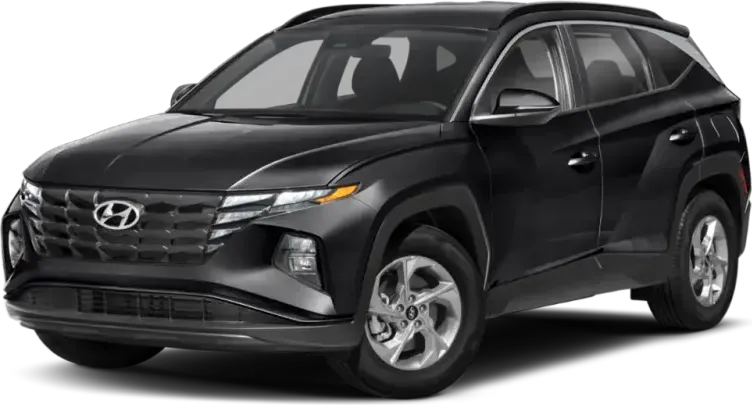
- Hyundai Tucson433
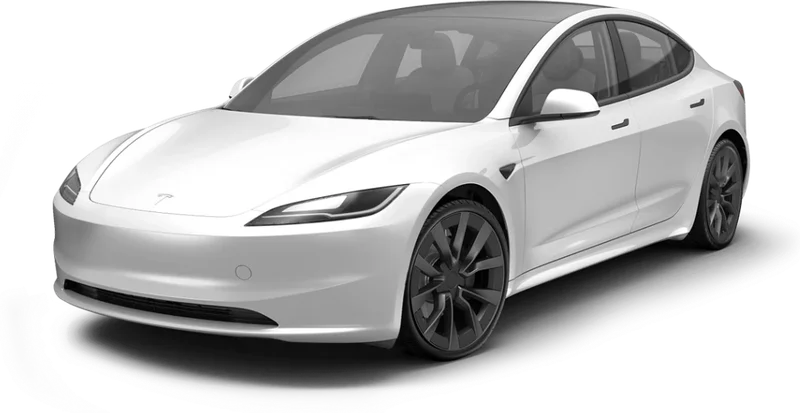
- Tesla Model 3729
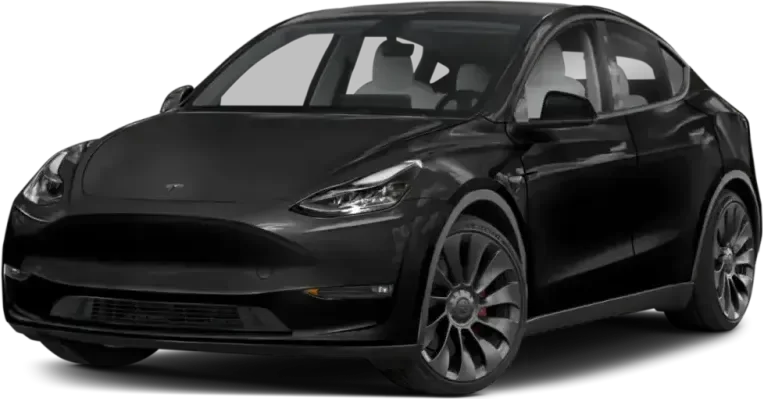
- Tesla Model Y783