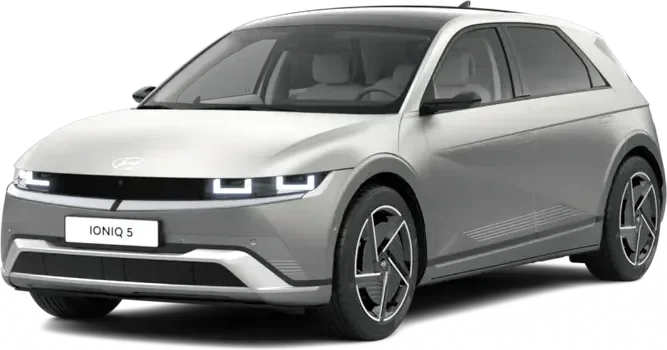
2023 Hyundai Ioniq 5: What to check before buying
Owners have filed 311 complaints with NHTSA about this car, most about the electrical, transmission, and acceleration and cruise control. The 9 checks below target those problems, in the order you would do them at the car.
 2023
- Owner complaints
- 311
- Recalls
- 3
- Crashes reported
- 8
- 2 injuries
Your inspection sheet
Tick items off on your phone at the car, or print it. Ticks stay on this device.
0/9 checked
2023 Hyundai Ioniq 5: inspection sheet
Paperwork and questions
Before you go, or before you touch the car0/3
Walk-around and cabin
Engine off, key in hand0/2
Cold start, engine bay, and underside
Ask the seller not to warm the car up first0/1
Test drive
At least 20 minutes, with some highway0/3
These checks are specific to this model year. For tires, body panels, fluids, and the other basics every used car needs, use the general inspection guide.
Check the odometer against these mileages
Owners report these failures starting around the mileages below. A car inside one of these ranges deserves a closer look at that part, or records showing it was already fixed.
Tire foam detachment vibration
10,800–16,000 miles
ICCU failure and power loss
22,000–25,000 miles
Why these checks: what owners reported
NHTSA complaints for the 2023 Hyundai Ioniq 5, grouped by the part owners named. Open a row to read what goes wrong.
Electrical1761 crash
A sudden "check electrical system" warning, often after a loud pop, is the core complaint, and dealers trace it to a failed ICCU. The car drops into a power-limited turtle mode and often dies, sometimes at highway speed. The 12V battery stops charging, so jump starts and new batteries help only briefly. Failures show up around 22,000 to 25,000 miles and recur after recall work. Repairs often take a week or more, and replacement ICCUs are back ordered. One fire report describes a charging pin melting during DC fast charging, and one crash followed brake failure in reverse.
Transmission571 crash
Sudden loss of drive power is the main pattern, and most cases trace back to ICCU failure. A pop and a "check electrical system" warning come first, then speed is capped somewhere between 12 and 30 mph before the car stops. Some failures follow recall software updates or an earlier ICCU replacement. A second pattern appears after 50 to 60 miles of fast highway driving: the rear motor quits, power limited mode kicks in, and the car hesitates or lurches. Back-ordered parts stretch repairs. One crash involved the car lurching forward while stopping in a parking garage.
Acceleration and cruise control82 crashes
Unexpected surging and speed swings define this category. On the highway, often after about 50 miles, the car drops 3 to 5 mph with an unresponsive accelerator, then lurches back to speed, with or without cruise control. Two crashes involve sudden acceleration while pulling into parking spaces. Other reports describe the car creeping forward when Auto Hold disengages after a driver-assistance error, a false radar blockage warning that shuts off cruise and forward safety features, and brake lights that stay dark during regenerative braking.
Brakes72 crashes
Brake lights that stay off during regenerative braking are the main complaint. In i-Pedal and Level 3 regen, the car can slow hard with dark brake lights unless the accelerator is fully released, and owners report close calls with drivers behind them. Both crash reports appear to describe the same incident filed twice: after a shift from reverse to drive with i-Pedal engaged, the car rolled forward, the brake pedal went to the floor, and the car stopped against an electrical pole.
Automatic emergency braking6No crashes
Driver-assistance faults and erratic behavior make up this group. Reports include sensor errors that disable cruise control, a misaligned camera the dealer would not cover under warranty, and condensation in front of the camera that makes the car jerk within its lane. Adaptive cruise has accelerated hard after setting itself to 85 mph. One report says automatic emergency braking failed to activate, though dealers found the system working as designed. Another notes that pressing the brake only pauses cruise control. One entry is an ICCU failure at highway speed.
Fuel system6No crashes
Limp mode capped at 25 mph is the most common report here, caused by a failed ICCU, sometimes weeks after recall repairs or a new 12V battery. Owners describe a pop followed by a "check electric vehicle system" warning. Other cases include a 12V battery drained overnight by a faulty navigation head unit, a charging port that overheats and throttles charging even after a software update, and repairs stalled for weeks waiting on parts.
Wheels and tires6No crashes
Severe vibration at highway speed is the pattern, traced to sound-dampening foam inside the original Michelin tires coming loose. The foam balls up, the tire will not balance, and the shaking can make the car hard to drive above roughly 45 to 60 mph. Onset shows up around 10,800 to 16,000 miles, and it can repeat on replacement tires. Shops and dealers often struggle to diagnose it. Owners end up buying new tires or having the foam removed.
Exterior lights5No crashes
Brake lights stay off while the car slows under regenerative braking. In i-Pedal mode and regen levels 2 and 3, the lights come on only when the accelerator is fully released or the brake pedal is pressed. The car can slow hard, even nearly to a stop, without warning drivers behind. Owners report near rear-end collisions and describe it as the default software behavior. Some have stopped using one-pedal driving because of it.
In owners' own words
Excerpts from complaints Ioniq 5 owners filed with NHTSA, as written. Listen for the same symptoms on your test drive.
Was driving on highway and started receiving error messages for "check electrical system". Car speed dropped to max of 45mph while actively on a highway. Was able to pull off an exit but car needed a 55 mile tow to the closest dealer. Dealer has identified that the ICCU needs to be replaced but has no timeline as the item is on back order. Car is model year 2023, purchased in February of 2023 and has 22,000 miles on it.
Filed with NHTSA, May 2025
I was driving the car 70 miles per hour in a highway. Car suddenly stopped and only go 5 mph. I was lucky no car behind me. If not I could be death today. I brought it to service and ICCU unit failed which is happened almost all Hyundai IONIQ 5. They replaced it with same ICCU and it will happen again. I think they want me to make an accident next time. This car is not safe to drive with this charging unit.
Filed with NHTSA, December 2024
2023 Hyundai Ioniq 5 ICCU failed with DTC P1A9096 which renders the vehicle in limp mode once the 12V battery drains. This is a major issue which keeps happening even after severals recalls with software updates related to this problem. When this incident happened i had gotten all the recalls and software updates available for the entire care and still it failed prematurely at 35K miles.
Filed with NHTSA, May 2025
I drove on the freeway around 70 miles/H last July 14th, 2023 with my wife. But suddenly the speed dropped down after I dropped my car at NORM REEVES Hyundai dealer. They keep 4 days for the test. They said all test is OK. But I am afraid to drive on the freeway. I Leased Jun 17th, 2023 new IONIQ5. Is this OK? What should I do?
Filed with NHTSA, July 2023
brake lights do not come on when the car is in regenerative braking or driving mode and the driver is touching the gas pedal. Drivers following the car are not aware the car is actually braking not coasting. This is causing a rearending hazard. Mfr needs to correct issues so brake lights come on when car is in regenerative braking mode and the car is deaccellerating regardless of gas pedal activity
Filed with NHTSA, May 2023
Driving on the highway, my car will suddenly lose power momentarily and the speed drop 3-5 mph. My accelerator is unresponsive. Then the car will accelerate quickly with a jerk to accelerate to the set speed. May occur on level ground but often occurs at the bottom of a hill. I have no control during this loss of power.
Filed with NHTSA, August 2023
Brake lights do NOT come on when decelerating in I-PEDAL mode and Level 3 regen brake modes, perhaps more. The car should instead generously apply brake lights by default anytime deceleration occurs via regen braking.
Filed with NHTSA, May 2023
Brake lights do not lit while decelerating using regen braking system without letting foot off of accelerator. There is no indication for vehicle behind mine to decelerate which can result in collision
Filed with NHTSA, May 2023
How the 2023 compares with other Ioniq 5 years
Complaints for this year next to the average for the other model years, area by area.
The 2023 ranks second for owner complaints among 5 Ioniq 5 years, about 1.9 times the average of the others. Newer years have had less time to collect complaints, so compare like with like.
- Electrical17695
- Transmission5731
- Acceleration and cruise control83
- Brakes73
- Automatic emergency braking64
- Fuel system64
Where the 2023 fits in the Ioniq 5's history
Redesigns and mid-cycle updates change what can go wrong.
The 2023 is the second model year of the Ioniq 5's first generation (2022–2024).
Hyundai updated the Ioniq 5 for 2024, so a 2023 does not have those changes.
What changed for 2024 (not on a 2023)
- Updated infotainment system
- Larger battery pack (84 kWh)
- Added rear hatch windscreen wiper
- Minor improvements to power efficiency and aerodynamics
- N-Line variant added
Recalls to confirm (3)
Recall repairs are free at any Hyundai dealer, but the seller may never have had them done. Check each campaign number against the VIN.
24V868000ElectricalNov 2024
Hyundai Motor America (Hyundai) is recalling certain 2022-2024 IONIQ 5, 2023-2025 IONIQ 6, Genesis GV60, Genesis GV70 "Electrified," and Genesis G80 "Electrified" vehicles. The Integrated Charging Control Unit (ICCU) may become damaged and stop charging the 12-volt battery, which can result in a loss of drive power.
Risk: A loss of drive power increases the risk of a crash.
Fix: Dealers will inspect and replace the ICCU and its fuse, as necessary. In addition, dealers will update the ICCU software. All repairs will be performed free of charge. Owner notification letters were mailed December 20, 2024. Owners may contact Hyundai customer service at 1-855-371-9460 or Genesis customer service at 1-844-340-9741. Hyundai's numbers for this recall are 272 (Hyundai) and 025G (Genesis). This recall expands and replaces previous recall number 24V-204. Vehicles previously repaired under recall 24V-204 will need to have the new remedy completed.
24V204000ElectricalMar 2024
Hyundai Motor America (Hyundai) is recalling certain 2022-2024 IONIQ 5, 2023-2024 IONIQ 6, Genesis GV60, Genesis GV70 "Electrified," and Genesis G80 "Electrified" vehicles. The Integrated Charging Control Unit (ICCU) may become damaged and stop charging the 12-Volt battery, which can result in a loss of drive power.
Risk: A loss of drive power increases the risk of a crash.
Fix: This recall is replaced by NHTSA recall number 24V-868. Vehicles already repaired under this recall will need to have the new remedy completed. Dealers will inspect and replace the ICCU and its fuse, as necessary. In addition, dealers will update the ICCU software. All repairs will be performed free of charge. Owner notification letters were mailed April 22, 2024. Owners may contact Hyundai customer service at 1-855-371-9460. Hyundai's number for this recall is 257/021G.
24V065000TransmissionFeb 2024
Hyundai Motor America (Hyundai) is recalling certain 2023 IONIQ 5, IONIQ 6, and Genesis GV60 vehicles. The rear inner driveshaft may have been improperly heat-treated, allowing it to break under load and resulting in a loss of drive power.
Risk: A loss of drive power increases the risk of a crash.
Fix: Dealers will replace the rear inner driveshaft, free of charge. Owner notification letters were mailed March 29, 2024. Owners may contact Hyundai customer service at 1-855-371-9460. Hyundai's numbers for this recall are 253(H), 017G(G).
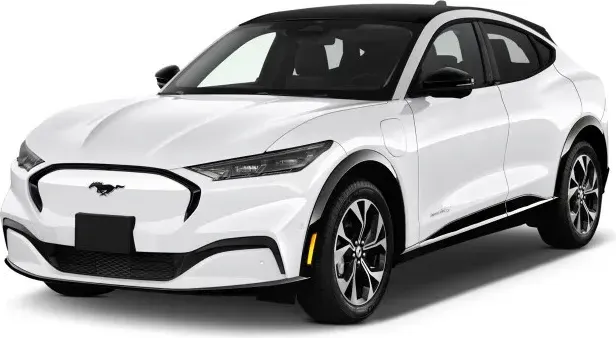
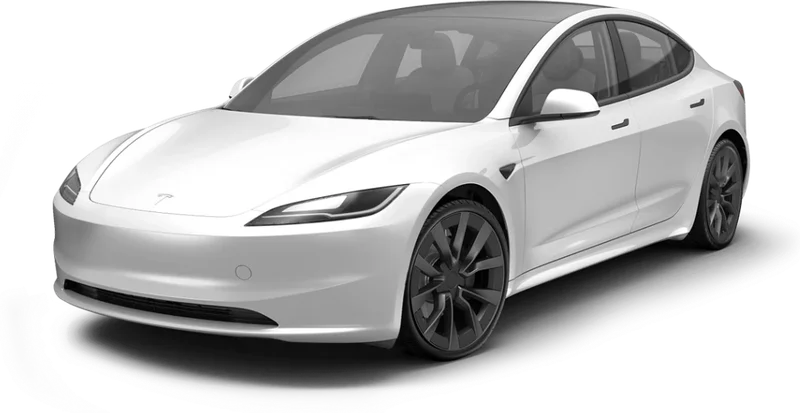
Also looking at these instead of a Ioniq 5?
Cars shoppers compare with the Hyundai Ioniq 5, with their own 2023 checklists.
2023 owner complaints, side by side
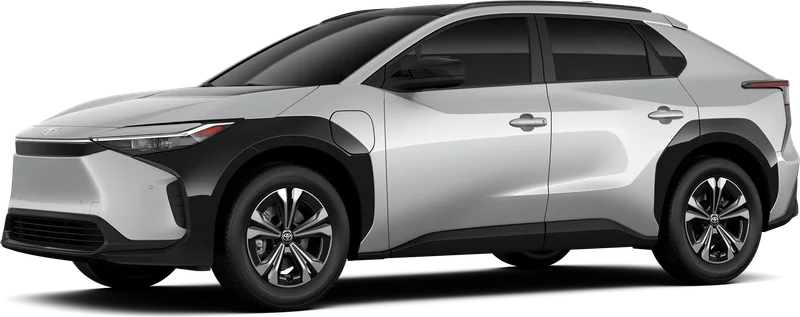
- Toyota bZ4X15
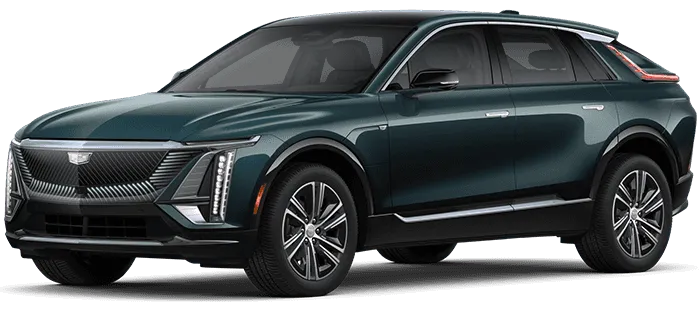
- Cadillac Lyriq24
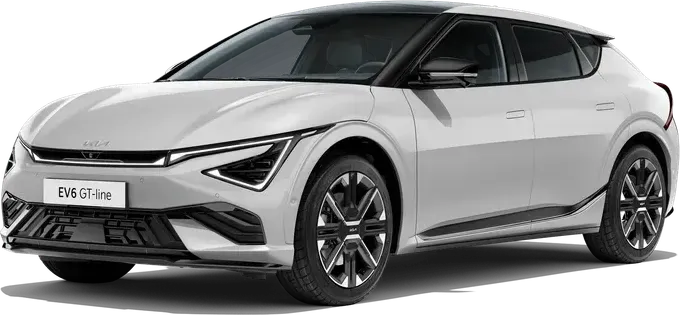
- Kia EV698
- Ford Mustang Mach-E104
- 2023 Hyundai Ioniq 5311
- Tesla Model 3386
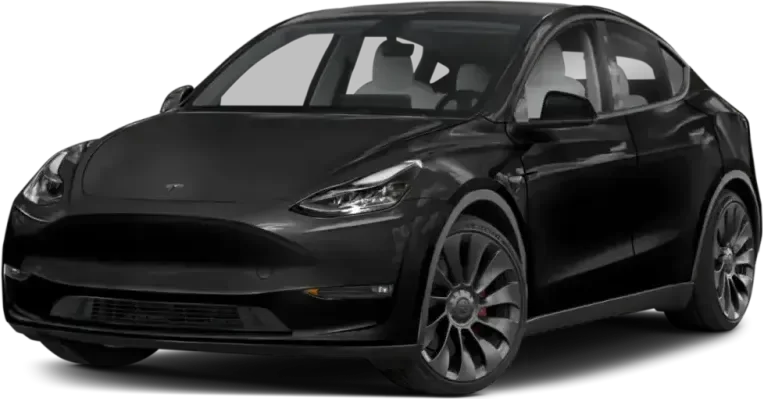
- Tesla Model Y997