2018 Toyota Tacoma: What to check before buying
Owners have filed 190 complaints with NHTSA about this car, most about the fuel system, brakes, and transmission. The 9 checks below target those problems, in the order you would do them at the car.
 2018
- Owner complaints
- 190
- Recalls
- 3
- Crashes reported
- 6
- 1 injury
Your inspection sheet
Tick items off on your phone at the car, or print it. Ticks stay on this device.
0/9 checked
2018 Toyota Tacoma: inspection sheet
Paperwork and questions
Before you go, or before you touch the car0/3
Cold start, engine bay, and underside
Ask the seller not to warm the car up first0/1
Test drive
At least 20 minutes, with some highway0/5
These checks are specific to this model year. For tires, body panels, fluids, and the other basics every used car needs, use the general inspection guide.
Which Tacoma is it?
EPA figures for each version of the 2018 Toyota Tacoma. Use them to confirm you are looking at the version that was advertised, and as a yardstick on the test drive.
| Version | Drive | EPA rating |
|---|---|---|
| 2.7L 4-cyl | 4WD, RWD | 20–21 mpg |
| 3.5L 6-cyl | 4WD, RWD | 20–21 mpg |
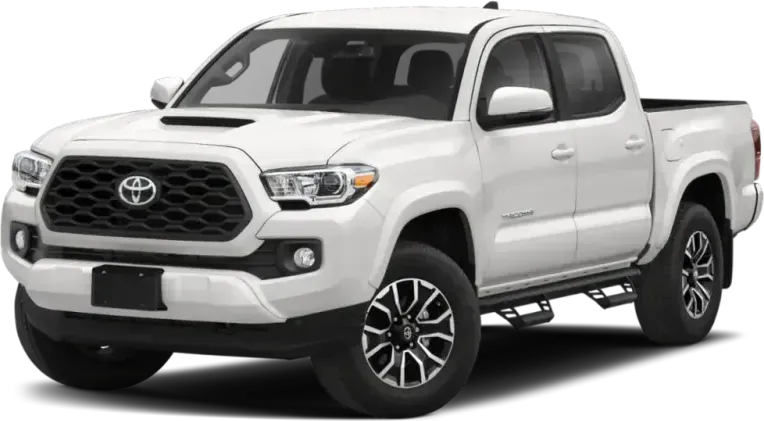
- The 2018 Toyota Tacoma was sold in two versions. Confirm which one this is from the window sticker, the engine cover, or the VIN report before you compare prices.
- Reset the trip computer at the start of the drive. A Tacoma that averages well under the EPA 20 mpg combined on a mixed route may have an engine or tire problem.
Why these checks: what owners reported
NHTSA complaints for the 2018 Toyota Tacoma, grouped by the part owners named. Open a row to read what goes wrong.
Fuel system53No crashes
The low-pressure fuel pump fails. The truck loses power at highway speed, runs rough, stalls, or won't start, sometimes with no warning light. Most of these complaints date from 2020 and are about the fuel pump recall: owners waited months for parts and some were told to park their trucks. A few say stalling continued after the recall repair, or that dealers couldn't reproduce the low fuel pressure. Some report a strong fuel smell in the cab.
Most of these complaints are about the fuel pump recall, not about breakdowns. Owners received the notice, but dealers had no parts, and most of these owners had not had a failure. The few actual failures describe stalling without warning, hesitation when accelerating, shaking, and trouble starting. One report says the problem continued after the pump was replaced. Separately, the fuel tank cover can rattle loose when its mounting nuts corrode, reported at around 56,000 miles.
Brakes325 crashes
Brake fluid leaks into the cab. The brake master cylinder or booster seeps from the back, runs down the pushrod, and drips onto the pedal, floor mat, and floor, where it can cause rust. Pedals feel softer or travel further before the brakes bite. More serious reports describe the pedal suddenly dropping to the floor at low speed, sometimes in cold weather, and the truck rolling into a wall or garage. Five of these complaints involve crashes and one involves an injury. Several owners tie the leak to a brake recall, but their VINs are not covered.
Transmission25No crashes
The automatic transmission shudders, hesitates, and hunts for gears, mostly between 35 and 60 mph at light throttle in the top gears. When the driver accelerates out of a coast or a slowdown, there is a delay of a second or more, then a hard downshift and a surge. Many owners notice this in the first few thousand miles. Dealers often can't reproduce it or call it normal, and a software update only partly helps. Manual trucks have their own reports: bucking at low rpm, and a clutch pedal that stays on the floor below 20 degrees F.
Electrical13No crashes
The pre-collision system gives false alarms. It flashes brake warnings or triggers with nothing ahead, and dealers often find no fault code. Rodents chew through the soy-based wire coating, which knocks out lights, air conditioning, and key fob functions. Other reports describe a radio that cuts out and drops phone calls, a wireless charging pad that overheats and bubbles, and a hood that won't open when the battery is dead. Two private-sale buyers found rolled-back odometers, including one truck showing 57,000 miles that actually had 254,000.
Acceleration and cruise control12No crashes
Radar cruise control and the pre-collision system brake hard for no reason, even on open roads and curves. A recall for the front radar sensor addressed water getting into the grille sensor, but one owner says the braking came back after the fix. Two reports describe the truck surging past 90 or 100 mph with cruise control on. Others describe a delay of several seconds before the engine responds from a stop, low-speed loss of power, and a warning that the brake and accelerator were pressed at once.
Engine12No crashes
Misfires and stalling lead these reports. The check engine light flashes, the engine runs rough, and the truck may go into limp mode or die and refuse to restart. Dealers often can't find a cause. One misfire case was traced to a leaking intake valve, and the dealer recommended a new engine. Hesitation of 1 to 2 seconds when pulling away from a crawl, such as during left turns, persists after computer updates. Less common reports include ticking noises, metal shavings in the oil, erratic cold idle, and failed tensioner bearings at 70,000 miles.
Body and structure7No crashes
Water gets into the cab through poorly sealed rear cabin vents and the headliner. It soaks the carpet and padding, breeds mold, and rusts the cab mount bolts. Peeling paint and failed clear coat show up on the hood and the tops of the rear doors, including on white trucks. One owner also reports that the air conditioning drain tube drips onto the frame rail, which can lead to rust there.
Steering5No crashes
The electric power steering fails, making the truck hard to turn with no warning light. In one case a mechanic traced this to the rack and pinion at about 35,000 miles. Other reports describe the steering wheel and seat vibrating between 10 and 30 mph, and a rattle from the front suspension on rough roads. The rest of these complaints are actually about power loss and shifting problems, with one blaming the open fuel pump recall.
In owners' own words
Excerpts from complaints Tacoma owners filed with NHTSA, as written. Listen for the same symptoms on your test drive.
Brake fluid is leaking into cab of the truck around the brake pedal area. Brake pedal needs to be pushed in slightly more than normal. My truck has the same issues stated in the 2018-2019 Tacoma brake master cylinder recall. As stated in the original recall braking could be affected which could result in crash. I called Toyota and explain the situation and all I received was “there are currently no open recalls for your vehicle.”
Filed with NHTSA, November 2022
The Electrohydraulic Brake Booster leak a Brake Fluid in the driver side Cabin near to Brake pedal.. This brake Fluid leak touch de floor paint and cause rust on the metal floor… eventually make the warning light on on dash panel and canceling brake functions and another think on brake system .. is a brake fail dangerous.. to much tacoma owners report that fails but Toyota USA solution is replace a Part but out of warranty ..
Filed with NHTSA, July 2024
2018 2WD Tacoma. Auto transmission. Ever since new and even today, when traveling 30-40 MPH and slowing to anywhere from 10-25 MPH, and then trying to accelerate, the engine and/or transmission stumbles/hesitates for at least a full second, and then the engine races higher and a hard transmission downshift occurs jerking your head and body back and sending the vehicle into a fast acceleration.
Filed with NHTSA, November 2022
Odometer Fraud. The contact purchased a 2018 Toyota Tacoma. The contact stated that upon retrieving the Carfax report after purchasing the vehicle, it was discovered that there was a mileage discrepancy, and the vehicle seller was not the title holder. The vehicle was a private sale. At the time of purchase, the vehicle mileage was 32,000, and the contact later discovered that the mileage was over 200,000 through the Carfax report.
Filed with NHTSA, October 2025
Rodents ate through eleven soy base coated wires. These wires just so happen to go to the fob, my air conditioning, and one headlight. This is obviously a safety issue. I contacted Toyota and filed my concerns. They told me that there is nothing they could do. I at the least would like a reasonable explanation why they engineered food into their electrical system. Thanks for listening.
Filed with NHTSA, June 2024
How the 2018 compares with other Tacoma years
Complaints for this year next to the average for the other model years, area by area.
The 2018 ranks second for owner complaints among 8 Tacoma years, about 2.2 times the average of the others. Newer years have had less time to collect complaints, so compare like with like.
- Fuel system5310
- Brakes3213
- Transmission2518
- Electrical137
- Acceleration and cruise control122
- Engine125
Where the 2018 fits in the Tacoma's history
Redesigns and mid-cycle updates change what can go wrong.
The 2018 is the third model year of the Tacoma's third generation (2016–2023).
Toyota updated the Tacoma for 2020, so a 2018 does not have those changes.
What changed for 2020 (not on a 2018)
- Exterior updates
- New technologies like Apple CarPlay, Android Auto
Recalls to confirm (3)
Recall repairs are free at any Toyota dealer, but the seller may never have had them done. Check each campaign number against the VIN.
20V682000Fuel systemNov 2020
Toyota Motor Engineering & Manufacturing (Toyota) is recalling certain 2018-2019 4Runner, 2019-2020 Avalon, 2019 Corolla Hatchback, 2017-2019 Highlander, 2018-2020 Camry, 2020 Corolla, 2018-2019 Land Cruiser, 2017-2020 Tacoma, 2019-2020 RAV4, 2019-2020 Sequoia, 2017-2020 Sienna, 2019-2020 Tundra, 2018-2020 Lexus ES350, 2017 Lexus GS200t, 2017-2019 Lexus GS350, 2019 Lexus GS300, 2018-2020 Lexus LC500h, 2019-2020 Lexus LS500, 2018-2019 Lexus GX460, 2017 Lexus IS200t, 2019 Lexus IS300, 2019 Lexus IS350, 2018-2020 Lexus LC500, 2018 Lexus LS500, 2019 Lexus LS500h, 2018-2019 Lexus LX570, 2017 Lexus RC200t, 2019 Lexus RC300, RC350, 2017 and 2019-2020 Lexus RX350, 2018-2020 RX350L, 2019 Lexus UX200, 2018-2019 Lexus NX300 vehicles. The low-pressure fuel pump inside the fuel tank may fail.
Risk: If the fuel pump fails, the engine can stall while driving, increasing the risk of a crash.
Fix: Toyota will notify owners, and dealers will replace the fuel pump assembly with an improved one, free of charge. Owners of specific models were notified that remedy parts were available starting January 21, 2021. Owners of other models will be notified as remedy parts become available. Remedy parts should be available for all affected vehicles by late March 2021. Owners may contact Toyota customer service at 1-888-270-9371 or Lexus customer service at 1-800-255-3987. Note: This recall is an expansion of recall 20V-012. Toyota's number for this recall is 20TA02. Lexus' number for this recall is 20LA01.
20V012000Fuel systemJan 2020
Toyota Motor Engineering & Manufacturing (Toyota) recalled certain 2018-2019 4Runner, Highlander, Camry, Land Cruiser, Sequoia, Sienna, Tacoma and Tundra, and Lexus RC 300, RC 350, GS 350, GX 460, IS 300, LC 500, LS 500, LX 570, RX 350L, and 2019 Toyota Avalon and Corolla, and certain Lexus NX 300, and ES 350 vehicles on January 13, 2020. On March 4, 2020, Toyota expanded the recall to include certain 2014-2015 Toyota 4Runner and Land Cruiser, 2018 Avalon, Corolla, 2014 FJ Cruiser, 2017 Sienna and Lexus 2018 ES 350, 2018-2019 GS 300, 2013-2014 GS350, 2014-2015 GX 460, IS 350 and LX 570, 2014 IS F, 2018-2019 IS 350, LC 500H and LS 500H, 2013-2015 LS 460, 2015 NX 200T and RC350, 2017 RC 200T and RX 350. Toyota also removed the 2018-2019 Toyota 4Runner and Land Cruiser and 2018-2019 Lexus GX 460 and LX 570 and 2019 NX300 from inclusion in this recall. On March 19, 2020, Toyota expanded the recall to include 2015 Lexus GS350 vehicles. The low-pressure fuel pump inside the fuel tank may fail.
Risk: If the fuel pump fails, the engine can stall while driving, increasing the risk of a crash.
Fix: Toyota will notify owners, and dealers will replace the fuel pump, free of charge. The recall began May 4, 2020. Owners may contact Toyota customer service at 1-888-270-9371 or Lexus customer service at 1-800-255-3987. Toyota's numbers for this recall are 20TB02 and 20TA02 for Toyota vehicles and 20LB01 and 20LA01 for Lexus vehicles.
18V888000BrakesDec 2018
Toyota Motor Engineering & Manufacturing (Toyota) is recalling certain 2018-2019 Toyota Tacoma vehicles. Improper machining of the brake master cylinder may result in internal damage of one of the seals, affecting brake performance.
Risk: Reduced brake performance can lengthen the distance needed to stop the vehicle, increasing the risk of a crash.
Fix: Toyota will notify owners, and dealers will replace the brake master cylinder, free of charge. The recall began January 28, 2019. Owners may contact Toyota customer service at 1-888-270-9371. Toyota's numbers for this recall are J16/J06.
Also looking at these instead of a Tacoma?
Cars shoppers compare with the Toyota Tacoma, with their own 2018 checklists.
2018 owner complaints, side by side
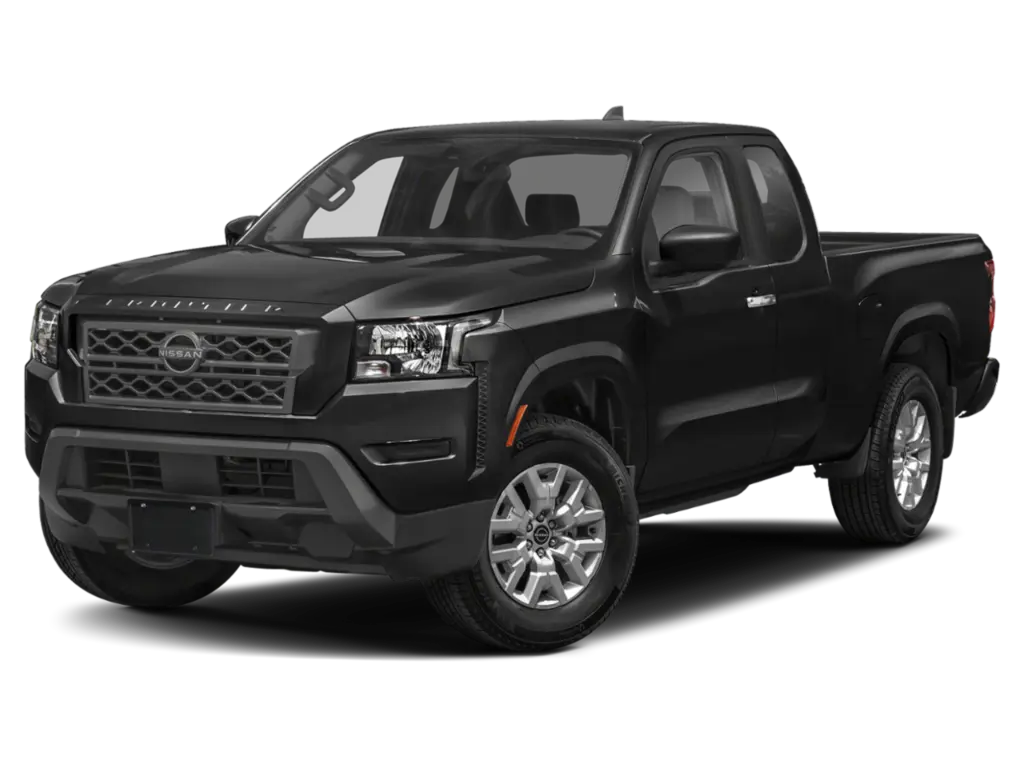
- Nissan Frontier25
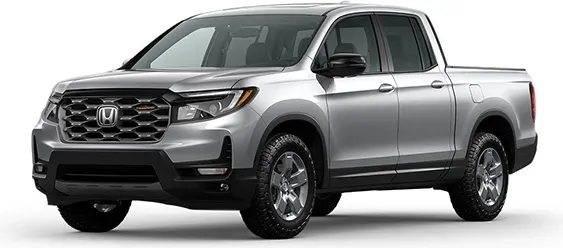
- Honda Ridgeline153
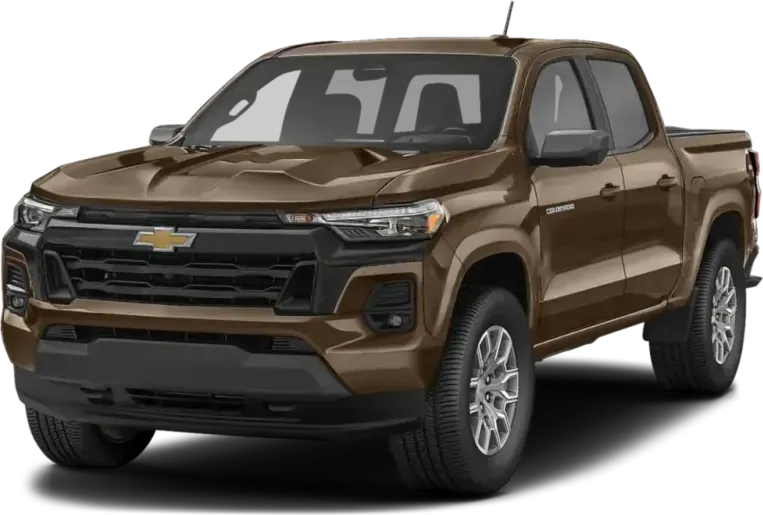
- Chevrolet Colorado173
- 2018 Toyota Tacoma190
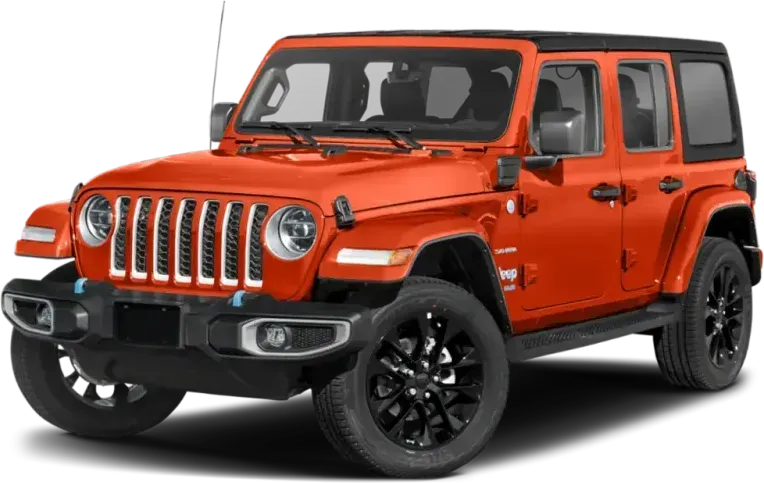
- Jeep Wrangler1,750