2019 Toyota Tacoma: What to check before buying
Owners have filed 203 complaints with NHTSA about this car, most about the fuel system, transmission, and brakes. The 9 checks below target those problems, in the order you would do them at the car.
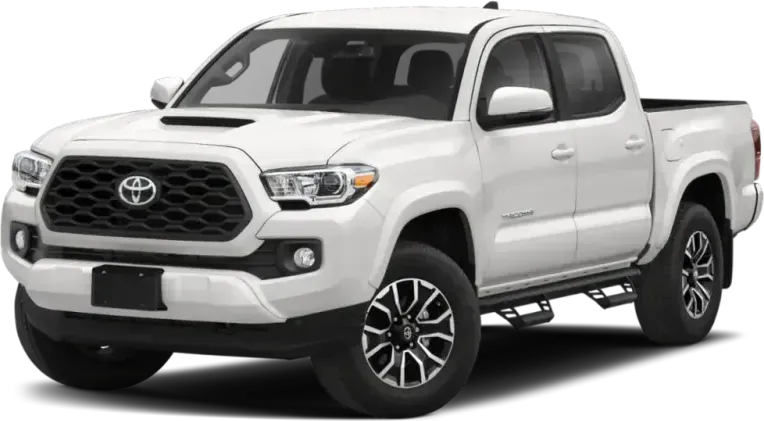 2019
- Owner complaints
- 203
- Recalls
- 4
- Crashes reported
- 9
- 5 injuries
Your inspection sheet
Tick items off on your phone at the car, or print it. Ticks stay on this device.
0/9 checked
2019 Toyota Tacoma: inspection sheet
Paperwork and questions
Before you go, or before you touch the car0/2
Cold start, engine bay, and underside
Ask the seller not to warm the car up first0/3
Test drive
At least 20 minutes, with some highway0/4
These checks are specific to this model year. For tires, body panels, fluids, and the other basics every used car needs, use the general inspection guide.
Which Tacoma is it?
EPA figures for each version of the 2019 Toyota Tacoma. Use them to confirm you are looking at the version that was advertised, and as a yardstick on the test drive.
| Version | Drive | EPA rating |
|---|---|---|
| 2.7L 4-cyl | 4WD, RWD | 20–21 mpg |
| 3.5L 6-cyl | 4WD, RWD | 20–21 mpg |
- The 2019 Toyota Tacoma was sold in two versions. Confirm which one this is from the window sticker, the engine cover, or the VIN report before you compare prices.
- Reset the trip computer at the start of the drive. A Tacoma that averages well under the EPA 20 mpg combined on a mixed route may have an engine or tire problem.
Check the odometer against these mileages
Owners report these failures starting around the mileages below. A car inside one of these ranges deserves a closer look at that part, or records showing it was already fixed.
Transmission hesitation and judder
200–4,700 miles
Steering rack fluid leaks
29,000–78,000 miles
Number 1 cylinder valve damage
59,966–60,000 miles
Why these checks: what owners reported
NHTSA complaints for the 2019 Toyota Tacoma, grouped by the part owners named. Open a row to read what goes wrong.
Fuel system541 crash
Engines sputter and shut off while driving, often at highway speed or while slowing for a light, which leaves the truck without power in traffic. One crash report follows a stall like this. Most complaints link the stalling to the low-pressure fuel pump recall and describe long waits because dealers had no parts or no remedy yet. Some trucks lose power again after the recall pump goes in, including a second pump failure at 36,000 miles. Others report hard starts, rough idle, and stalls on trucks the VIN lookup does not list as affected.
Most of these complaints are about fuel pump recalls 20V012 and 20V682 and the long wait for parts. Dealers repeatedly confirmed the recall part was unavailable, and many owners say the repair took far too long. While they waited, some trucks stalled, idled rough, hesitated, or needed several tries to start. One report describes the truck accelerating on its own from idle after a high-pressure fuel pump replacement. Separately, the differential skid plate bracket can rub the fuel tank and risk a puncture. The skid plate was redesigned, but trucks already built were not fixed.
Transmission36No crashes
Automatic transmissions judder, pulse, and hunt for gears, mostly when slowing to a stop or accelerating lightly uphill. Hesitation between 35 and 60 mph and slow takeoff from a stop show up on trucks with a few hundred to a few thousand miles. Some owners suspect the torque converter, and dealers often call it normal. More serious reports describe sudden power loss and lurching at highway speed, and a stall with a high transmission temperature warning. A cylinder head and valve replacement near 60,000 miles, a leaking coolant bypass joint, and a manual transmission rattle in neutral also appear.
Brakes333 crashes
Brake pedals go soft, sink slowly toward the floor, or stop at a hard point without adding stopping power. Three reports involve crashes after the truck failed to stop, and several of these trucks had only a few thousand miles. Pulsing and shaking under braking is the most common complaint. Front rotors and rear drums get replaced repeatedly, and the vibration returns within a few thousand miles. Brake fluid leaking from the master cylinder into the driver footwell is another pattern, and some trucks outside the recall range were refused help. False braking with cruise control on also shows up.
Electrical20No crashes
Heat and fire near the dash charging area are the most serious reports. One describes flames near the air conditioning controls and phone charging pad while driving, with an injury and a total loss. Another describes a console that bubbled from heat near the auxiliary ports. Fuel gauges read empty on a full tank or full after a long drive. Bluetooth drops calls with iPhones, and dealers have no fix. Several trucks suddenly slow or will not accelerate while ABS, collision, or traction warnings light up. A leaking third brake light caused mold and corrosion near the control modules.
Engine141 crash
Stalling while driving or coasting is the most common engine complaint, and owners often tie it to the fuel pump recall and its slow remedy. Valve damage in the number 1 cylinder, with little or no compression, shows up near 60,000 miles. Other reports describe ticking and lifter noise, a timing cover gasket leak found at 70k, a coolant leak from a flaw in the engine block, and a full engine replacement after long driving on the recalled pump. One crash happened when the truck surged forward while parking.
Steering9No crashes
Fluid leaks from the rack onto the rubber boots, and the leaks usually turn up during routine service at mileages from 29,000 to 78,000. Owners report replacement costs of $1,700 to $2,200, and one was told the engine has to be partly pulled to replace the rack. Early signs include fluid that sits below the low line when cold and rattles from the front end. Owners worry about losing power assist at highway speed. Reports of the truck wandering on the road and a dead horn also appear.
Body and structure71 crash
Water gets into the rear cab through failed rear cabin pressure vents, leaving a mildew smell and possible mold. Warranty claims were denied because the vents count as trim, and repair estimates can climb steeply when the bed and carpet have to come off. White paint chips and flakes on trucks that fall outside Toyota's paint campaign. Other reports describe driver door hinges breaking off the frame, and a crash into a wall after the brake pedal sank to the floor.
Acceleration and cruise control61 crash
Adaptive cruise control and the pre-collision system brake hard for no clear reason, often when a car passes in the next lane or at a toll booth, which risks a rear-end collision at highway speed. Other reports describe the truck accelerating and downshifting after the driver lifts off the gas. The most serious complaint is a brake failure while parking that ended in a crash into a wall, injuring 2 people at about 2,000 miles. The 4x4 knob also sits close enough to the fan knob to engage by mistake.
In owners' own words
Excerpts from complaints Tacoma owners filed with NHTSA, as written. Listen for the same symptoms on your test drive.
While driving at Highway speeds fuel pump failed resulting in near miss collision on Interstate. Initial fuel pump was replaced with recall. This is second pump that failed. Vehicle towed to Bob Tyler Toyota in Pensacola Fl where fuel pump replaced by owner. Toyota refuses to pay for pump even though class action lawsuit resulted in Toyota being responsible for reimbursement. Vehicle has only 36000 miles.
Filed with NHTSA, October 2025
Received notice of a recall on the low pressure fuel pump in November 2020; still have not been notified to bring my truck in for repairs. I don't feel safe driving more than 20 or 30 miles from home as I don't want to be stranded if the fuel pump fails.
Filed with NHTSA, May 2021
The engine part “Coolant bypass joint” failed, started leaking coolant at 44k miles, because it was made of inferior plastic material, unlike the same part used in the same 3.5L V6 engines in the Lexus vehicles, which are made of aluminum. This is a widespread failure since 2016 model years, and Toyota refused change the design or manufacturing material of the part, or to repair it under warranty. The part number for this failed part is 16356-31051.
Filed with NHTSA, April 2023
Brake pedal went to floor as I tried to stop truck from hitting a VW that rear ended a truck in front of them. I can still press brake pedal to floor taking just a few seconds to do so. I have forward this fact to my insurance adjuster, along with the dash camera footage of the accident.
Filed with NHTSA, November 2021
Approximately 100 feet from the vehicle, I rear end of the car in front of me. when I hit the brake pedal it didn’t seem like it stopped the vehicle I ran into another car and totaled the Toyota Tacoma. Conditions for dry and cloudy and road construction nearby.
Filed with NHTSA, March 2024
How the 2019 compares with other Tacoma years
Complaints for this year next to the average for the other model years, area by area.
The 2019 has the most owner complaints of the 8 Tacoma years we cover, about 2.4 times the average of the others. Newer years have had less time to collect complaints, so compare like with like.
- Fuel system5410
- Transmission3617
- Brakes3313
- Electrical206
- Engine144
- Steering94
Where the 2019 fits in the Tacoma's history
Redesigns and mid-cycle updates change what can go wrong.
The 2019 is the fourth model year of the Tacoma's third generation (2016–2023).
Toyota updated the Tacoma for 2020, so a 2019 does not have those changes.
What changed for 2020 (not on a 2019)
- Exterior updates
- New technologies like Apple CarPlay, Android Auto
Recalls to confirm (4)
Recall repairs are free at any Toyota dealer, but the seller may never have had them done. Check each campaign number against the VIN.
20V682000Fuel systemNov 2020
Toyota Motor Engineering & Manufacturing (Toyota) is recalling certain 2018-2019 4Runner, 2019-2020 Avalon, 2019 Corolla Hatchback, 2017-2019 Highlander, 2018-2020 Camry, 2020 Corolla, 2018-2019 Land Cruiser, 2017-2020 Tacoma, 2019-2020 RAV4, 2019-2020 Sequoia, 2017-2020 Sienna, 2019-2020 Tundra, 2018-2020 Lexus ES350, 2017 Lexus GS200t, 2017-2019 Lexus GS350, 2019 Lexus GS300, 2018-2020 Lexus LC500h, 2019-2020 Lexus LS500, 2018-2019 Lexus GX460, 2017 Lexus IS200t, 2019 Lexus IS300, 2019 Lexus IS350, 2018-2020 Lexus LC500, 2018 Lexus LS500, 2019 Lexus LS500h, 2018-2019 Lexus LX570, 2017 Lexus RC200t, 2019 Lexus RC300, RC350, 2017 and 2019-2020 Lexus RX350, 2018-2020 RX350L, 2019 Lexus UX200, 2018-2019 Lexus NX300 vehicles. The low-pressure fuel pump inside the fuel tank may fail.
Risk: If the fuel pump fails, the engine can stall while driving, increasing the risk of a crash.
Fix: Toyota will notify owners, and dealers will replace the fuel pump assembly with an improved one, free of charge. Owners of specific models were notified that remedy parts were available starting January 21, 2021. Owners of other models will be notified as remedy parts become available. Remedy parts should be available for all affected vehicles by late March 2021. Owners may contact Toyota customer service at 1-888-270-9371 or Lexus customer service at 1-800-255-3987. Note: This recall is an expansion of recall 20V-012. Toyota's number for this recall is 20TA02. Lexus' number for this recall is 20LA01.
20V012000Fuel systemJan 2020
Toyota Motor Engineering & Manufacturing (Toyota) recalled certain 2018-2019 4Runner, Highlander, Camry, Land Cruiser, Sequoia, Sienna, Tacoma and Tundra, and Lexus RC 300, RC 350, GS 350, GX 460, IS 300, LC 500, LS 500, LX 570, RX 350L, and 2019 Toyota Avalon and Corolla, and certain Lexus NX 300, and ES 350 vehicles on January 13, 2020. On March 4, 2020, Toyota expanded the recall to include certain 2014-2015 Toyota 4Runner and Land Cruiser, 2018 Avalon, Corolla, 2014 FJ Cruiser, 2017 Sienna and Lexus 2018 ES 350, 2018-2019 GS 300, 2013-2014 GS350, 2014-2015 GX 460, IS 350 and LX 570, 2014 IS F, 2018-2019 IS 350, LC 500H and LS 500H, 2013-2015 LS 460, 2015 NX 200T and RC350, 2017 RC 200T and RX 350. Toyota also removed the 2018-2019 Toyota 4Runner and Land Cruiser and 2018-2019 Lexus GX 460 and LX 570 and 2019 NX300 from inclusion in this recall. On March 19, 2020, Toyota expanded the recall to include 2015 Lexus GS350 vehicles. The low-pressure fuel pump inside the fuel tank may fail.
Risk: If the fuel pump fails, the engine can stall while driving, increasing the risk of a crash.
Fix: Toyota will notify owners, and dealers will replace the fuel pump, free of charge. The recall began May 4, 2020. Owners may contact Toyota customer service at 1-888-270-9371 or Lexus customer service at 1-800-255-3987. Toyota's numbers for this recall are 20TB02 and 20TA02 for Toyota vehicles and 20LB01 and 20LA01 for Lexus vehicles.
19V244000EquipmentMar 2019
Gulf States Toyota (GST) is recalling certain 2019 C-HR, 4Runner, Avalon, Avalon Hybrid, Camry, Camry Hybrid, Highlander, Land Cruiser, Prius, RAV4, Sequoia, Tacoma, Sienna, Tundra and Yaris vehicles. The text on the load capacity label may become illegible. As such, these vehicles fail to comply with the requirements of Federal Motor Vehicle Safety Standard (FMVSS) number 110, "Tire Selection and Rims.".
Risk: If the driver cannot read the label, they may unknowingly overload the vehicle, increasing the risk of a crash.
Fix: GST will notify owners, and dealers will provide corrected load carrying capacity modification labels, free of charge. The recall began May 24, 2019. Owners may contact GST customer service at 1-800-444-1074. GST's number for this recall is 19R1.
18V888000BrakesDec 2018
Toyota Motor Engineering & Manufacturing (Toyota) is recalling certain 2018-2019 Toyota Tacoma vehicles. Improper machining of the brake master cylinder may result in internal damage of one of the seals, affecting brake performance.
Risk: Reduced brake performance can lengthen the distance needed to stop the vehicle, increasing the risk of a crash.
Fix: Toyota will notify owners, and dealers will replace the brake master cylinder, free of charge. The recall began January 28, 2019. Owners may contact Toyota customer service at 1-888-270-9371. Toyota's numbers for this recall are J16/J06.
Also looking at these instead of a Tacoma?
Cars shoppers compare with the Toyota Tacoma, with their own 2019 checklists.
2019 owner complaints, side by side
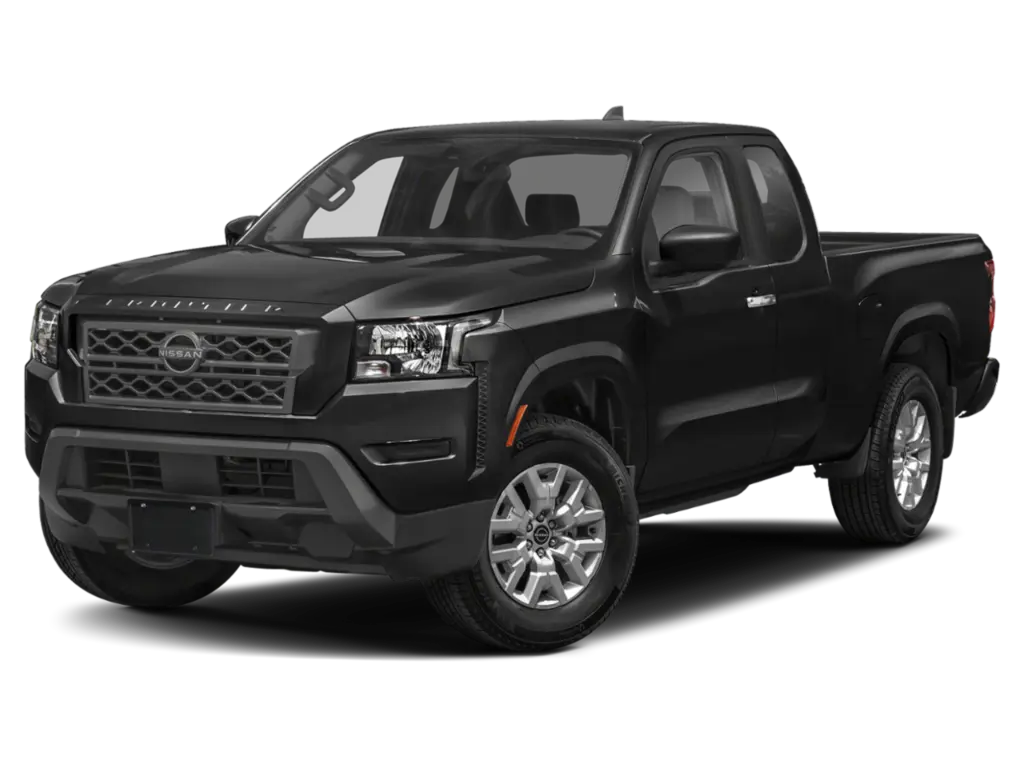
- Nissan Frontier31
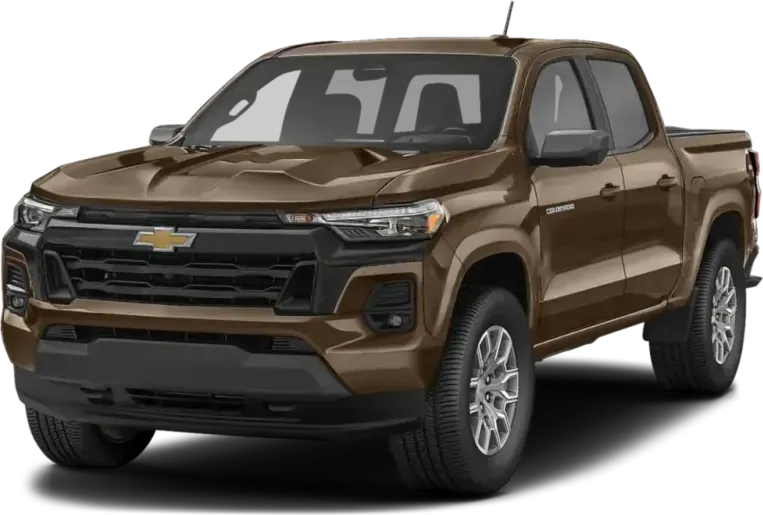
- Chevrolet Colorado139
- 2019 Toyota Tacoma203
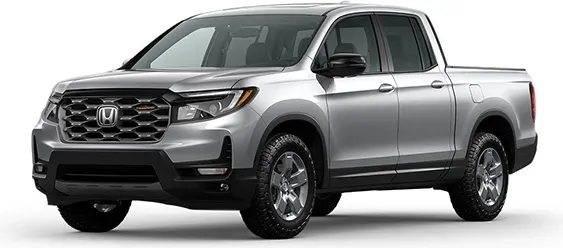
- Honda Ridgeline222
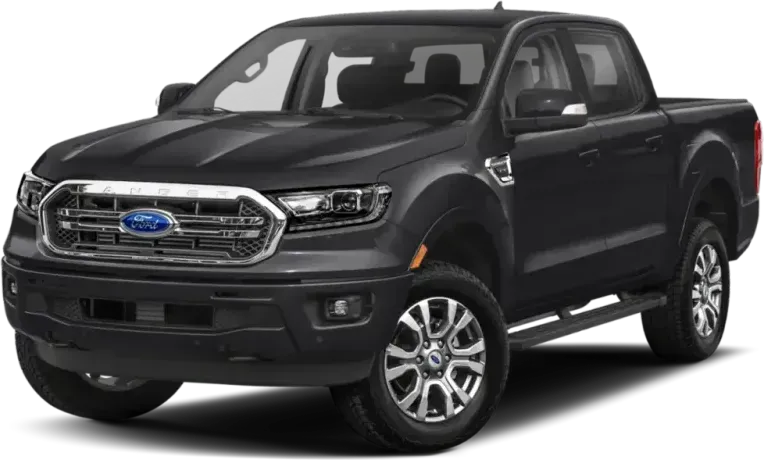
- Ford Ranger237
- Jeep Wrangler691