Used 2026 Toyota Camry: What to look for before buying
Owners have filed 151 complaints with NHTSA about this car, most about the fuel system, seats, and transmission. The 7 checks below target those problems, in the order you would do them at the car.
NHTSA data through October 2026Updated Maintained by Arnas Kazlaus
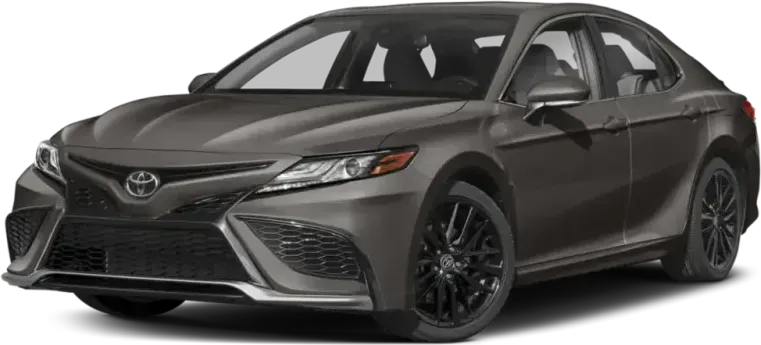 2026
- Owner complaints
- 151
- Recalls
- 0
- Crashes reported
- 15
- 11 injuries
- Reliability
- Excellent
- 88/100 on Auto Reliability Index
Your inspection sheet
Tick items off on your phone at the car, or print it. Ticks stay on this device.
0/7 checked
2026 Toyota Camry: inspection sheet
Paperwork and questions
Before you go, or before you touch the car0/1
Walk-around and cabin
Engine off, key in hand0/2
Cold start, engine bay, and underside
Ask the seller not to warm the car up first0/1
Test drive
At least 20 minutes, with some highway0/3
These checks are specific to this model year. For tires, body panels, fluids, and the other basics every used car needs, use the general inspection guide.
Which Camry is it?
EPA figures for each version of the 2026 Toyota Camry. Use them to confirm you are looking at the version that was advertised, and as a yardstick on the test drive.
| Version | Drive | EPA rating |
|---|---|---|
| 2.5L 4-cyl | AWD, FWD | 50–51 mpg |
- On the hybrid, watch for the car moving off on electric power at low speed and for any hybrid system warning on the dash.
- Reset the trip computer at the start of the drive. A Camry that averages well under the EPA 50 mpg combined on a mixed route may have an engine or tire problem.
Check the odometer against these mileages
Owners report these failures starting around the mileages below. A car inside one of these ranges deserves a closer look at that part, or records showing it was already fixed.
Loose front bumper clips
1,567–5,000 miles
Popping, loose front seatbacks
5,200–7,500 miles
Why these checks: what owners reported
NHTSA complaints for the 2026 Toyota Camry, grouped by the part owners named. Open a row to read what goes wrong.
Fuel system42No crashes
Sudden loss of power at highway speed is the most serious failure described. It comes with a beeping alarm, a check engine light and a "Hybrid System Malfunction" message. A few owners also report a burning odor, a crackling engine noise and shuddering at or above 65 mph. Still, most of the 42 complaints come from owners who got a recall notice and were told repair parts are not available. Dealers often keep the car, hand out loaners and sometimes call it unsafe to drive. Several owners say Toyota turned down their buyback requests.
Seats18No crashes
Popping, clicking and crunching from the front seatbacks is the main complaint. Drivers feel it in the mid-back and shoulders when they accelerate, brake, turn or hit bumps. Most reports involve the driver seat. Some involve both front seats, and several trace the noise to the lumbar support. Some owners say the seatback feels loose or never fully locks. Several say it gets worse in warm weather. Dealers often cannot reproduce it and offer no repair. Reports come in between about 5,200 and 7,500 miles, and some start within days of purchase.
Transmission131 crash
Most of these complaints are about waiting for a recall fix that has not arrived. Owners describe cars parked at dealers for months, loaners, and advice not to drive. They also describe promised repair dates, such as the first quarter of 2026, that came and went. Several say the dealer sold them the car new with the recall still open. Other reports include a parked car that rolled away and crashed with the shifter in park. Others describe a low-speed front wheel squeak that came back after a wheel bearing replacement, and a sudden drop in highway fuel economy.
Electrical11No crashes
The car shuts down completely while driving. Warnings such as "Hybrid System Malfunction" and "Drive-Start Control Malfunction" appear first. Then the gauges, center screen and cabin lights go dark, and power steering and brake assist drop to backup levels. Other owners find a blank instrument cluster at startup, including one at about 7,500 miles. Many complaints are about an open recall with no fix available. Owners also say dealers sold cars without the recall repair done and that vehicles have sat at dealers for months.
Body and structure81 crash
The front bumper keeps coming loose under the passenger-side headlight. Owners describe a visible gap, sagging, and clips that pop out again soon after dealer repairs. Reports appear between about 1,567 and 5,000 miles. Some dealers blame curb or driveway contact. At least one owner says Toyota denied further warranty repairs. Other complaints describe a loud hum above 30 mph and a whistling noise on the driver side. A single crash report describes sudden acceleration into a building that caused an injury, with no airbag deployment.
Brakes41 crash
The car does not stop when the brake pedal is pressed hard. In one complaint this happened after cold starts and went away once the engine warmed up. Other reports describe a repeated "Braking Power Low" warning along with a check engine light, and a car that swerved during an emergency stop on dry pavement. Another report describes unintended acceleration with no braking response that ended in a crash with an injury. Four complaints are too few to show a clear pattern, but each one involves loss of control.
Lane keeping41 crash
Lane keeping assist steers against the driver in the most serious report, which describes a highway crash with an injury. Another complaint describes a system malfunction message that shuts off blind spot monitoring and rear cross traffic alert, so the driver gets no warnings. The other complaints find the driver-assist alarms distracting but do not describe a fault. Four complaints are too few to show a pattern.
Automatic emergency braking32 crashes
Two crash reports describe sudden acceleration or automatic braking that did not engage. In one, the car surged forward after the driver tried to turn on cruise control, and the steering and brakes reportedly locked. In the other, forward collision warning and emergency braking did not engage before a rear-end collision. Three people were hurt across these crashes. The third complaint finds the driver-assist alerts distracting and asks for a way to turn them off permanently.
In owners' own words
Excerpts from complaints Camry owners filed with NHTSA, as written. Listen for the same symptoms on your test drive.
Two days after purchasing vehicle, I noticed a popping noise coming from the bottom driver seat, and the seat back of the driver seat. I took vehicle to the dealer, and the dealer was unable to replicate the issue. I noticed this issue every time I drive. I opened up the seat cover and noticed a loose piece in the seat frame. I think this may be causing the issue. I will be taking the vehicle to the dealer again to see what can be done.
Filed with NHTSA, January 2026
Passenger seat constantly popping when braking or accelerating. You can also feel a large bag in the lower lumbar area. All very uncomfortable for what I thought would be the best car we have ever owned. Very disappointed in Toyota, as seat popping happened in 2025 models too
Filed with NHTSA, July 2026
My 2026 Toyota Camry Hybrid XSE (VIN 4T1DAACKXTU213841) purchased on September 26/2025 is subject to Safety Recall 25TA15 / NHTSA ID 25V869 for a loose inverter bolt that can cause loss of motive power or fire. Toyota says no remedy is available until at least Q1 2026. I transport my minor child in this vehicle and do not feel safe operating it with a known and unresolved fire/crash risk. I am reporting this defect and lack of remedy.
Filed with NHTSA, January 2026
I bought this Camry and then my insurance notified me there was an open safety recall. When I saw there was a risk of fire, I took it straight to the Toyota dealership where it is now sitting with no remedy for the recall available. This recall started in December 2025 and it is now July 2026. I can’t even drive the new car I bought and am in a loaner from Toyota.
Filed with NHTSA, July 2026
This is a manufacturer safety recall (NHTSA #25V869) for a loose bolt inside the hybrid inverter that could cause loss of motive power or a vehicle fire. The vehicle was sold to me as new with the recall already open and unrepaired. As of this date, Toyota has not made the remedy available, more than 6 months after the recall was announced. I am concerned about driving the vehicle given the fire/power-loss risk described in the official recall notice.
Filed with NHTSA, July 2026
Sheehy Toyota of Laurel sold me a vehicle that was on a stop sale for a serious defect recall. The dealership sold the car to me the same day the stop sale was lifted WITHOUT addressing the recall, and lied about them fixing it before it was purchased.
Filed with NHTSA, June 2026
How the 2026 compares with other Camry years
Complaints for this year next to the average for the other model years, area by area.
The 2026 ranks sixth for owner complaints among 9 Camry years, well under the average of the others. Newer years have had less time to collect complaints, so compare like with like.
- Fuel system4221
- Seats183
- Transmission1336
- Electrical1121
- Body and structure87
- Brakes430
Also looking at these instead of a Camry?
Cars shoppers compare with the Toyota Camry, with their own 2026 checklists.
2026 owner complaints, side by side
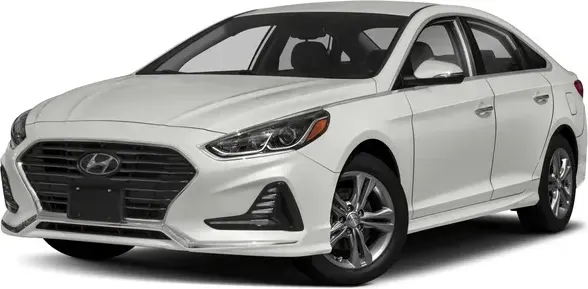
- Hyundai Sonata7
- Ford Mustang9
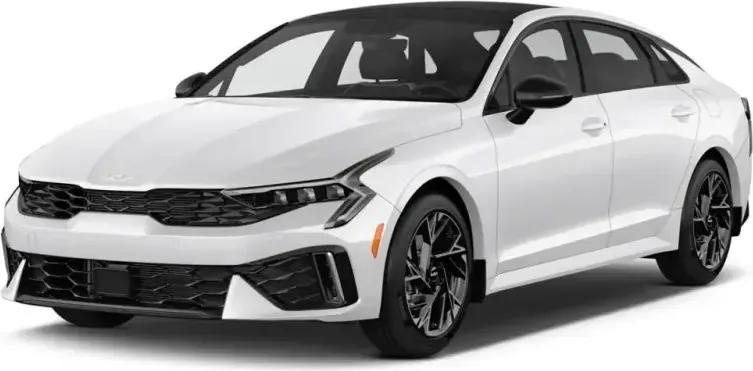
- Kia K514
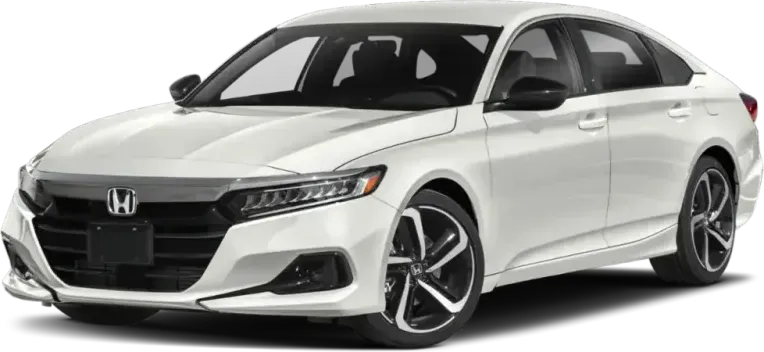
- Honda Accord16
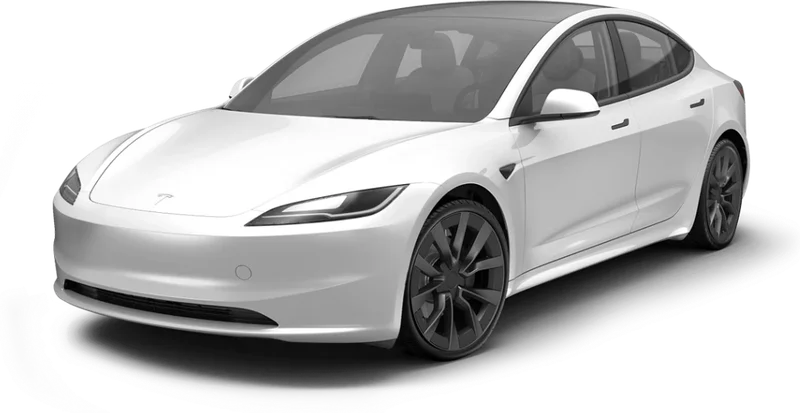
- Tesla Model 331
- 2026 Toyota Camry151