2018 Mazda CX-5: What to check before buying
Owners have filed 310 complaints with NHTSA about this car, most about the engine, transmission, and electrical. The 9 checks below target those problems, in the order you would do them at the car.
 2018
- Owner complaints
- 310
- Recalls
- 3
- Crashes reported
- 18
- 5 injuries
Your inspection sheet
Tick items off on your phone at the car, or print it. Ticks stay on this device.
0/9 checked
2018 Mazda CX-5: inspection sheet
Paperwork and questions
Before you go, or before you touch the car0/3
Cold start, engine bay, and underside
Ask the seller not to warm the car up first0/3
Test drive
At least 20 minutes, with some highway0/3
These checks are specific to this model year. For tires, body panels, fluids, and the other basics every used car needs, use the general inspection guide.
Which CX-5 is it?
EPA figures for each version of the 2018 Mazda CX-5. Use them to confirm you are looking at the version that was advertised, and as a yardstick on the test drive.
| Version | Drive | EPA rating |
|---|---|---|
| 2.5L 4-cylGas | 4WD, FWD | 26–28 mpg |
| 2.2L 4-cylDiesel | 4WD, FWD | 28–29 mpg |
- The 2018 Mazda CX-5 was sold in two versions. Confirm which one this is from the window sticker, the engine cover, or the VIN report before you compare prices.
- Reset the trip computer at the start of the drive. A CX-5 that averages well under the EPA 26 mpg combined on a mixed route may have an engine or tire problem.
Check the odometer against these mileages
Owners report these failures starting around the mileages below. A car inside one of these ranges deserves a closer look at that part, or records showing it was already fixed.
Soul Red paint chipping
3,500–30,000 miles
Cracked cylinder head oil leak
31,000–64,770 miles
Why these checks: what owners reported
NHTSA complaints for the 2018 Mazda CX-5, grouped by the part owners named. Open a row to read what goes wrong.
Engine1111 crash
Cracked or porous cylinder heads are the dominant failure. Oil leaks onto the exhaust manifold, producing a burning smell, smoke from under the hood, and fumes inside the cabin. Several owners report no warning light until oil ran low. Most failures land between about 31,000 and 64,770 miles, often just outside the powertrain warranty, and dealers commonly decline goodwill help. Reported repair bills run near $6,000. Some cars first get a timing cover or gasket repair before the head is found. One complaint describes a crash after loss of engine power.
Transmission341 crash
Cylinder head cracks repeat here, with oil spraying onto the exhaust or catalytic converter, white smoke, and a burnt oil smell at roughly 52,000 to 62,500 miles. Quoted repairs reach $7,500, and shops call the car unsafe to drive until fixed. A second pattern is stalling at a light or in traffic, including after the recall 19V-497 software update. One crash followed the car stopping while driving. Scattered reports cover early engine noise, a dragging feeling at highway speed, and a thermostat valve that opens too soon.
Electrical25No crashes
Touchscreen ghost touch is the most common problem: the display changes stations, makes calls, cranks the volume, and sometimes goes black and takes the backup camera with it. A second group describes the engine stalling or losing power in traffic, in some cases after the related recall update was done. One car caught fire on the highway from an unknown cause. Other reports include Smart City Brake Support faults causing a sudden stop, a flashing key warning, and a liftgate that misbehaves.
Fuel system19No crashes
Most complaints concern the fuel pump recall, campaign 21V875000, not new failures. Owners got recall notices but waited months because dealers had no parts. Some cars stall, hesitate at low speed, jerk after cold starts, idle roughly, or will not restart while waiting, with the check engine light sometimes on. A few owners say symptoms continued after the recall repair, and others with matching symptoms were told their car was not included. Independent mechanics diagnosed failed fuel pumps in several stalls.
Brakes163 crashes
Smart City Brake Support false alarms lead these reports. The system slams the car to a stop when traffic ahead is turning away or the driver is already braking, and one rear-end crash followed a false stop. Rear calipers that stick or seize cause grinding, overheated rotors, and fast pad wear, with one failure at 38,000 miles. Electric parking brake warnings and a failed actuator also appear. Three crashes are on file, one with an injury, including reports of the car surging while the brake was pressed.
Body and structure10No crashes
Every report here involves Soul Red Crystal paint chipping far more than expected, mostly on the hood and doors, sometimes in chunks. Chips appear early, from under 3,500 miles to under 30,000 miles, and on garaged cars. Owners describe the paint as thin and poorly bonded to the metal. Dealers usually offer only a touch-up pen or ask owners to pay, despite the color being a paid option. This is cosmetic, with no safety risk reported.
Airbags94 crashes
Passenger side air bag or seat belt fault warnings come on intermittently, traced to a faulty sensor or restraint module, with one reported at about 54,000 miles. Mazda declined to cover one car just past the warranty period. The driver's side air bags deployed without the front bag after a curb strike and injured the driver. A removed seat's air bag went off on a shop floor. Several crash entries here actually describe sudden acceleration while braking in parking lots.
Acceleration and cruise control93 crashes
Three crashes describe the car surging forward at parking speed while the driver pressed the brake, ending in collisions with walls, buildings, or other cars. Dealers found no cause. Other reports cover stalling or loss of power on the highway even after the 19V497 recall recalibration, limp mode that limits speed, and hesitation when accelerating. Some owners say adaptive cruise slows the car instead of letting them pass, or slows on hills after the recall update.
In owners' own words
Excerpts from complaints CX-5 owners filed with NHTSA, as written. Listen for the same symptoms on your test drive.
There is a known issue with 2018 Mazda CX 5 related to a cracked cylinder head. I have just under 60,000 miles and I noticed smoke coming from under the hood near the exhaust manifold and a strong odor of burning oil. Dolan Mazda in Reno, NV has confirmed I have a cracked cylinder head and it is the cause of the burning oil. I am concerned that oil leaking from the cracked cylinder head onto the exhaust is a fire hazard. I feel a recall should be issued.
Filed with NHTSA, February 2025
We own a 2018 Mazda CX-5 which developed a cracked cylinder head after slightly over 53,000 miles. We had oil leaking in our driveway and our dealership advised us not to drive it as this would be an extreme safety issue. I was advised to contact you as this seems to be an ongoing issue with Mazda CX-5's from 2018-2021. There is a safety bulletin TSB #SA-031-21. I am hoping this will help with resolving this with Mazda costumer service.
Filed with NHTSA, March 2024
Vehicle was brought to dealership for a fuel pump safety recall. I was advised that the belt tightener was leaking and was in urgent need of replacement. Failure of the belt tightener would result in drive train belts loosening with an impact on operation of the vehicle. The car is 4 years old and has less than 12,000 miles on it. Belt tighteners are normally designed to last 75,000+ miles, suggesting a possible defect in this case.
Filed with NHTSA, August 2022
Smelled smoke (burnt oil) for over a year. Dealer could not address. Finally found that the cylinder heads had cracked and required replacement at $7500. Car was only 51K miles.
Filed with NHTSA, February 2025
Approximately 9:15am 5/16/21 I was driving on the road when my engine stalled and went out. Was stuck in the middle of the road for a couple of minutes while I tried to restart the car. My vehicle was recalled for this very purpose but 13 days prior I went into the dealership to fix the issue and get a software update. After said update I experienced the recall issue on my vehicle.
Filed with NHTSA, May 2021
The informational screen will just start going "haywire"--someone described it as a "ghost touch!" It will change screens without warning, going through my saved contacts and calling or deleting them. Changing channels etc..---it is more than a nuisance, it can be a hazard!
Filed with NHTSA, January 2023
How the 2018 compares with other CX-5 years
Complaints for this year next to the average for the other model years, area by area.
The 2018 has the most owner complaints of the 8 CX-5 years we cover, about 3.2 times the average of the others. Newer years have had less time to collect complaints, so compare like with like.
- Engine11122
- Transmission349
- Electrical2514
- Fuel system190
- Brakes165
- Body and structure103
Where the 2018 fits in the CX-5's history
Redesigns and mid-cycle updates change what can go wrong.
The 2018 is the second model year of the CX-5's second generation (2017–2025).
Mazda updated the CX-5 for 2022, so a 2018 does not have those changes.
What changed for 2022 (not on a 2018)
- Restyled bumpers
- Updated headlights and tail lights
- Revised suspension
Recalls to confirm (3)
Recall repairs are free at any Mazda dealer, but the seller may never have had them done. Check each campaign number against the VIN.
21V875000Fuel systemNov 2021
Mazda North American Operations (Mazda) is recalling certain 2018 Mazda3, Mazda6, 2019 CX-3, 2018-2019 MX-5, CX-5, CX-9, and 2019-2020 Mazda2 vehicles. The impeller inside the low-pressure fuel pump may crack and deform, potentially causing the fuel pump to fail.
Risk: Fuel pump failure may cause an engine stall, increasing the risk of a crash.
Fix: Dealers will replace the fuel pumps, free of charge. Owner notification letters were mailed July 18, 2022. Owners may contact Mazda customer service at 1-800-222-5500 Option 4. Mazda's number for this recall is 5321K.
19V497000EngineJun 2019
Mazda North American Operations (Mazda) is recalling certain 2018-2019 CX-5, Mazda6, and 2019 Mazda3 vehicles. A software error in the powertrain control module (PCM) may cause the engine to stall.
Risk: An unexpected stall increases the risk of a crash.
Fix: Mazda will notify owners, and dealers will reprogram the PCM software, free of charge. The recall began August 20, 2019. Owners may contact Mazda customer service at 1-800-222-5500, option 4. Mazda's number for this recall is 3719F.
18V426000AirbagsJun 2018
Mazda North American Operations (Mazda) is recalling certain 2018 Mazda CX-5 vehicles. In the event of a side impact or rollover crash, the side curtain air bags may not properly unfold during deployment. As such, these vehicles fail to comply with the requirements of Federal Motor Vehicle Safety Standard (FMVSS) number 226, "Ejection Mitigation.".
Risk: If the air bags do not deploy properly in a crash, it can increase the risk of injury.
Fix: Mazda will notify owners, and dealers will replace the curtain air bags, free of charge. The recall began July 31, 2018. Owners may contact Mazda customer service at 1-800-222-5500, Option 4. Mazda's number for this recall is 2718F.
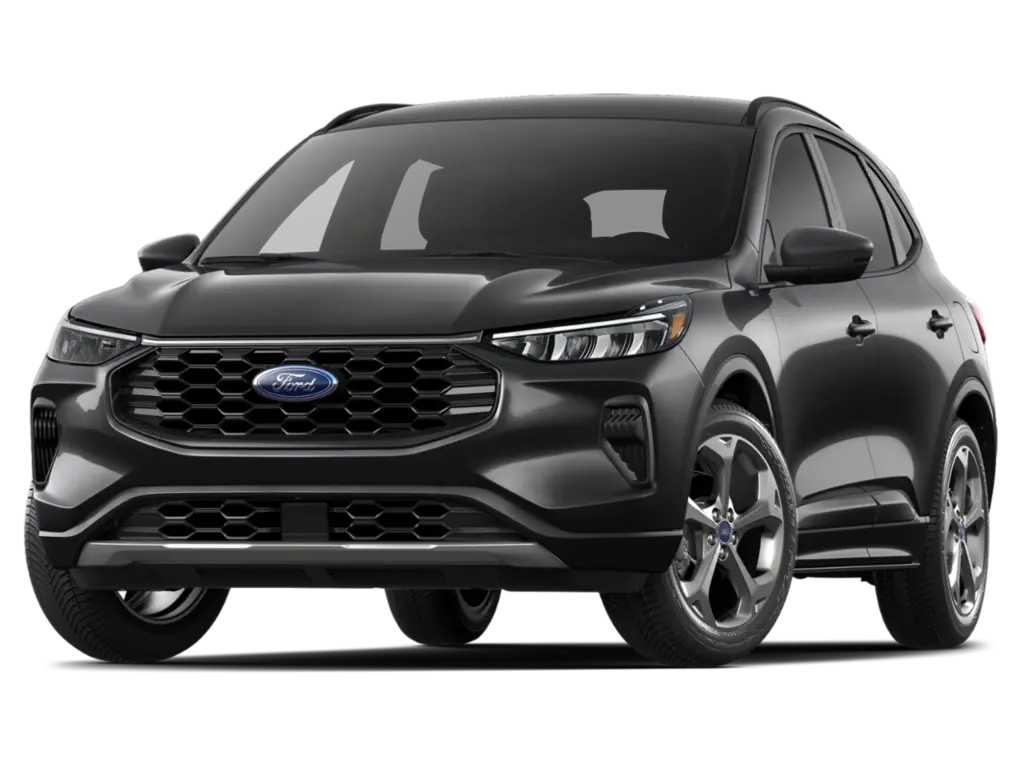
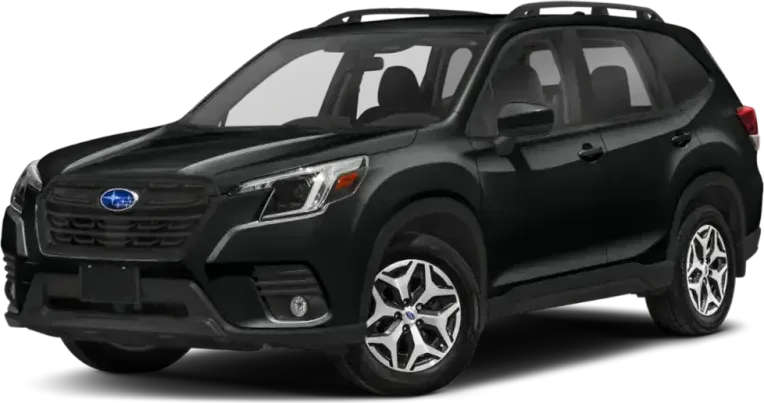
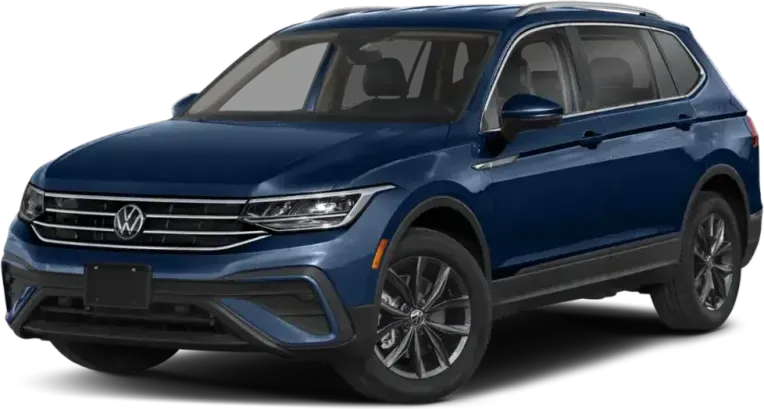
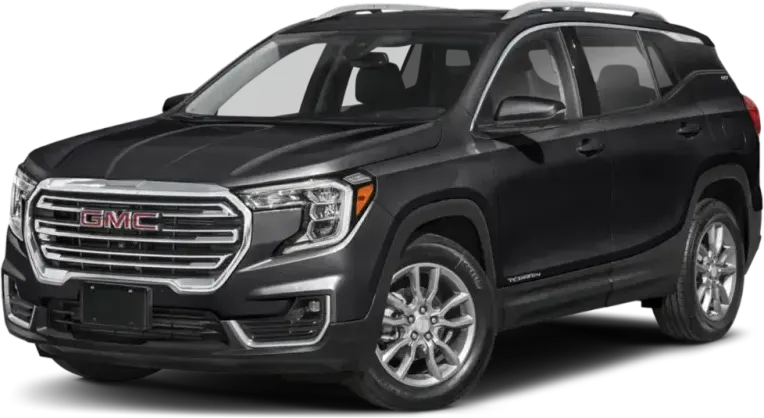
Also looking at these instead of a CX-5?
Cars shoppers compare with the Mazda CX-5, with their own 2018 checklists.
2018 owner complaints, side by side
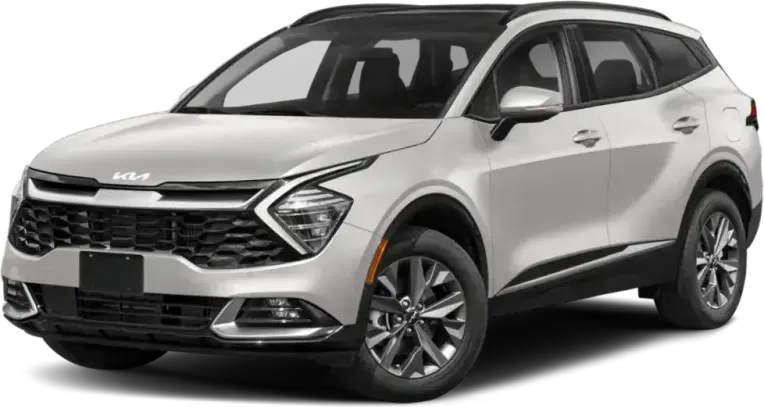
- Kia Sportage147
- GMC Terrain201
- Volkswagen Tiguan275
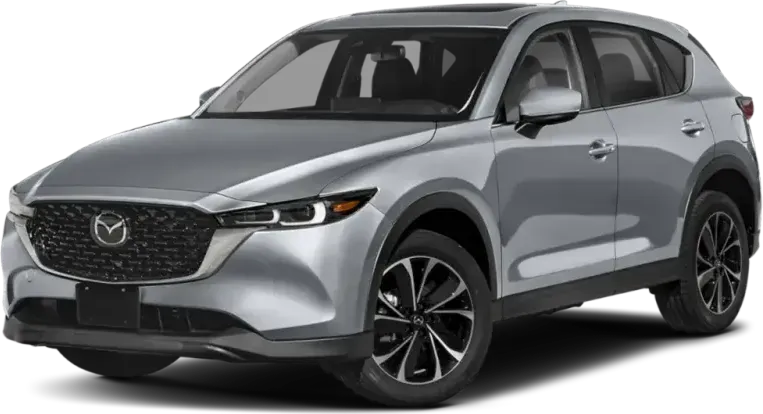
- 2018 Mazda CX-5310
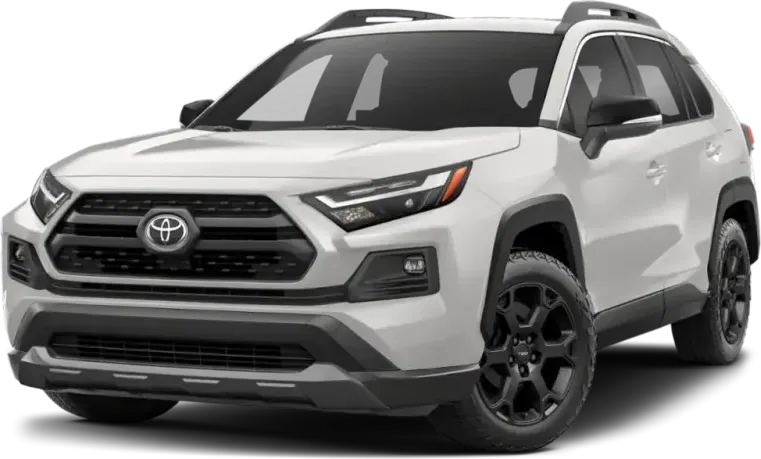
- Toyota RAV4330
- Subaru Forester475
- Ford Escape1,597