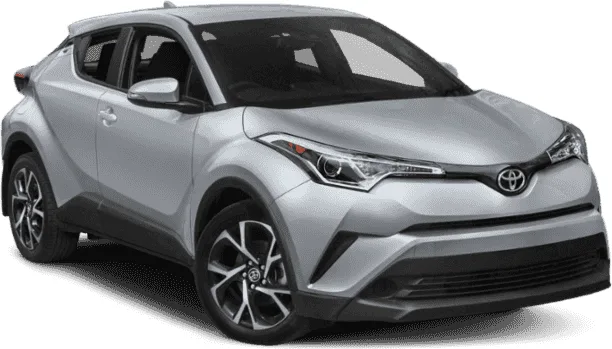
2019 Toyota C-HR: What to check before buying
Owners have filed 101 complaints with NHTSA about this car, most about the transmission, electrical, and wipers and visibility. The 9 checks below target those problems, in the order you would do them at the car.
 2019
- Owner complaints
- 101
- Recalls
- 3
- Crashes reported
- 3
- 3 injuries
Your inspection sheet
Tick items off on your phone at the car, or print it. Ticks stay on this device.
0/9 checked
2019 Toyota C-HR: inspection sheet
Paperwork and questions
Before you go, or before you touch the car0/2
Walk-around and cabin
Engine off, key in hand0/1
Cold start, engine bay, and underside
Ask the seller not to warm the car up first0/3
Test drive
At least 20 minutes, with some highway0/3
These checks are specific to this model year. For tires, body panels, fluids, and the other basics every used car needs, use the general inspection guide.
Which C-HR is it?
EPA figures for each version of the 2019 Toyota C-HR. Use them to confirm you are looking at the version that was advertised, and as a yardstick on the test drive.
| Version | Drive | EPA rating |
|---|---|---|
| 2.0L 4-cyl | FWD | 29 mpg |
- Reset the trip computer at the start of the drive. A C-HR that averages well under the EPA 29 mpg combined on a mixed route may have an engine or tire problem.
Check the odometer against these mileages
Owners report these failures starting around the mileages below. A car inside one of these ranges deserves a closer look at that part, or records showing it was already fixed.
CVT transmission failure
60,000–149,000 miles
Why these checks: what owners reported
NHTSA complaints for the 2019 Toyota C-HR, grouped by the part owners named. Open a row to read what goes wrong.
Transmission551 crash
The CVT fails internally, usually with a whine, grinding, or rhythmic whoop noise that grows louder over time. Dealers report metal flakes in burnt fluid, failed bearings, and center differential grinding, and they typically call for a full transmission replacement. Most failures land between about 100,000 and 125,000 miles, with some as early as 60,000. Warning lights rarely come on before the failure, and owners fear losing power in traffic. Quotes run from $9,900 to $14,000. One crash report describes a car that reversed out of a driveway by itself at 2,500 miles.
Electrical6No crashes
The car loses power or won't start without much warning. Reports include an alternator that quits, which drains the battery and cuts the power steering and lights, plus sudden stalls with check engine and parking brake faults. In some cases the parking brake stays engaged after a jump start. Several warnings can appear at once, such as reduced braking power and pre-collision failure, after minor wiring or sensor damage. One car slowed from highway speed and would not accelerate. Rodent-chewed wiring is another cause owners cite.
Wipers and visibility5No crashes
The windshield cracks with no impact point, often while the car sits parked overnight or right after a door closes. Cracks start at the glass edge, at the top, at the bottom, or under the passenger-side wiper, then spread across the glass. One crack appeared at just 4,500 miles. Some owners also report odd spots in the glass and repeat replacements. Toyota and dealers generally deny responsibility, which leaves owners paying or filing insurance claims.
Engine3No crashes
Most of these few reports describe transmission trouble, not engine faults. A whistling noise is diagnosed as early transmission wear, and an eCVT failure at 148,000 miles carries an expensive dealer repair quote. The single true engine report covers intermittent no-starts with check engine, lane assist, and forward collision warnings. After repeat dealer visits, that one was traced to a failed valve lift controller and housing sub-assembly.
In owners' own words
Excerpts from complaints C-HR owners filed with NHTSA, as written. Listen for the same symptoms on your test drive.
Transmission humming at 76k miles, and jerking wildy, almost caused wreck that could have killed me and daughter! And I am not, and I repeat I am not the only one with this problem. All it takes is a quick Google search to find out that nearly all 2018-2019 Toyota Ch-r owners are all complaining about this, and for a 9k Transmission when you still owe 16-24k in payments is ludicrous! Toyota needs to address and fix the issue!
Filed with NHTSA, November 2023
Vehicle had just over 100k miles on it and a grinding sound started in the front right side of the vehicle. After driving for another month the sound had become louder and a rattling could be heard under the car. Took the car to the dealer and they wanted $15,000 to replace the transmission. The CVT type transmission used on this vehicle and the 2018 model have had repeated reports of failure at as low as 20k miles.
Filed with NHTSA, July 2025
Vehicle only has 40K miles and it has been giving me battery issues along with an engine spurring sound. The vehicle stopped running suddenly and provided me with a check engine light as well as EPB malfunction. Contacted a mechanic and he believes it may be a manufacturer issues along with possible vehicle recalls. I have kept up with maintenance and there is no reason for so many issues.
Filed with NHTSA, February 2023
The alternator dies suddenly and without warning. The battery quickly drains, and you lose control of the power steering. All lights shut off, not allowing for hazards to be turned on. Testing shows the alternator is producing 0.7 Volts, and the battery is at 2 amps. The battery is a Toyota brand, less than 2 years old. The car has 60,000 miles on it.
Filed with NHTSA, September 2022
Windshield cracked while sitting in my carport overnight. No impact damage, cracked from bottom of Windshield and is halfway across the Windshield. Filing insurance claim this week.
Filed with NHTSA, September 2022
How the 2019 compares with other C-HR years
Complaints for this year next to the average for the other model years, area by area.
The 2019 ranks second for owner complaints among 5 C-HR years, close to the average of the others. Newer years have had less time to collect complaints, so compare like with like.
- Transmission5563
- Electrical67
- Wipers and visibility50
- Engine34
Where the 2019 fits in the C-HR's history
Redesigns and mid-cycle updates change what can go wrong.
The 2019 is the second model year of the C-HR's first generation (2018–2022).
Toyota updated the C-HR for 2020, so a 2019 does not have those changes.
What changed for 2020 (not on a 2019)
- New front and rear design
- Updated interior features
- Introduction of Android Auto and Apple CarPlay as standard
Recalls to confirm (3)
Recall repairs are free at any Toyota dealer, but the seller may never have had them done. Check each campaign number against the VIN.
19V877000Seat beltsDec 2019
Toyota Motor Engineering & Manufacturing (Toyota) is recalling certain 2019-2020 C-HR and 2020 Corolla and Corolla Hybrid vehicles equipped with rear seat belt assemblies with a dual-mode locking mechanism. The seat belt webbing sensor locking mechanism may not lock as intended.
Risk: In the event of a crash involving multiple impacts, the seat belt may not properly restrain the occupant, increasing the risk of injury.
Fix: Toyota will notify owners, and dealers will inspect the rear seat belt assembly production dates, and replace the assemblies, as necessary, free of charge. The recall began February 7, 2020. Owners may contact Toyota customer service at 1-888-270-9371. Toyota's numbers for this recall are 19TB22 and 19TA22.
19V244000EquipmentMar 2019
Gulf States Toyota (GST) is recalling certain 2019 C-HR, 4Runner, Avalon, Avalon Hybrid, Camry, Camry Hybrid, Highlander, Land Cruiser, Prius, RAV4, Sequoia, Tacoma, Sienna, Tundra and Yaris vehicles. The text on the load capacity label may become illegible. As such, these vehicles fail to comply with the requirements of Federal Motor Vehicle Safety Standard (FMVSS) number 110, "Tire Selection and Rims.".
Risk: If the driver cannot read the label, they may unknowingly overload the vehicle, increasing the risk of a crash.
Fix: GST will notify owners, and dealers will provide corrected load carrying capacity modification labels, free of charge. The recall began May 24, 2019. Owners may contact GST customer service at 1-800-444-1074. GST's number for this recall is 19R1.
18V710000TransmissionOct 2018
Toyota Motor Engineering & Manufacturing (Toyota) is recalling certain 2019 Toyota C-HR vehicles. The rear axle hub bearing bolts may have been insufficiently tightened, causing the bolts to loosen and damage the rear brake components or cause a rear wheel to detach.
Risk: If the bolts loosen and damage the rear brake components, or cause a rear wheel to detach, it would increase the risk of a crash.
Fix: Toyota will notify owners, and dealers will inspect the rear axle hub bearing bolts. If a bolt is found to be loose or detached, the dealer will replace the rear axle hub bearing assembly and rear axle carrier sub-assembly, free of charge. The recall began November 6, 2018. Owners may contact Toyota customer service at 1-888-270-9371. Toyota's number for this recall is J0Y.
Also looking at these instead of a C-HR?
Cars shoppers compare with the Toyota C-HR, with their own 2019 checklists.
2019 owner complaints, side by side
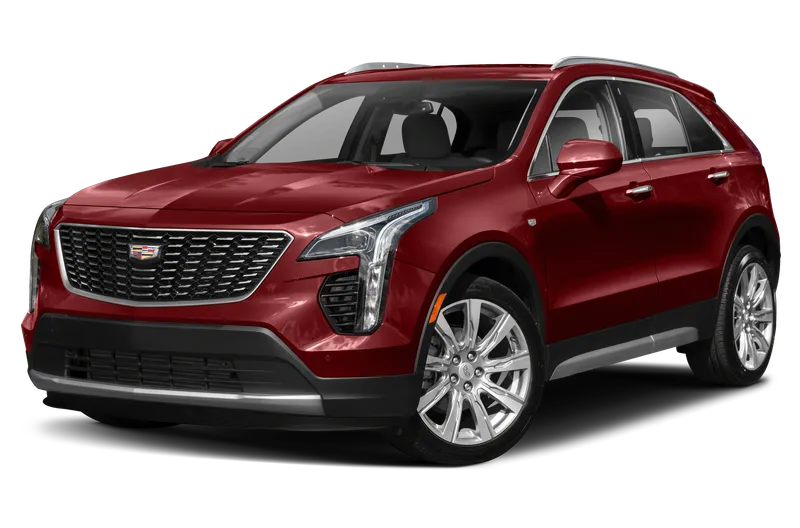
- Cadillac XT420
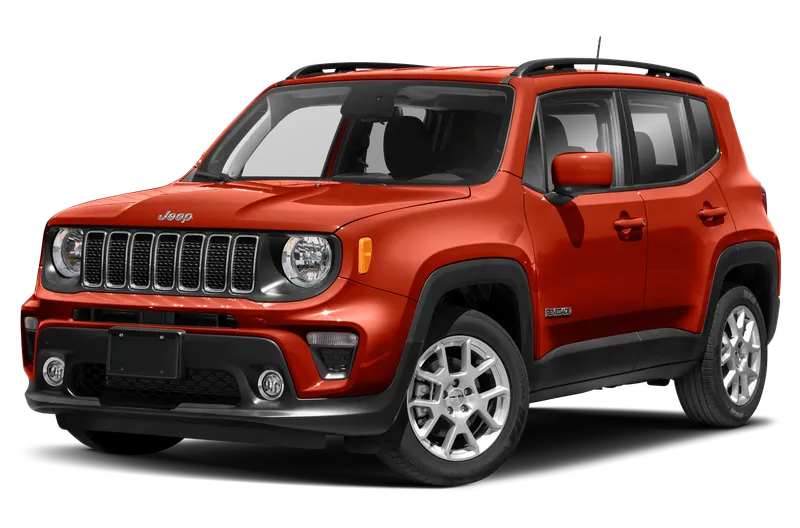
- Jeep Renegade77
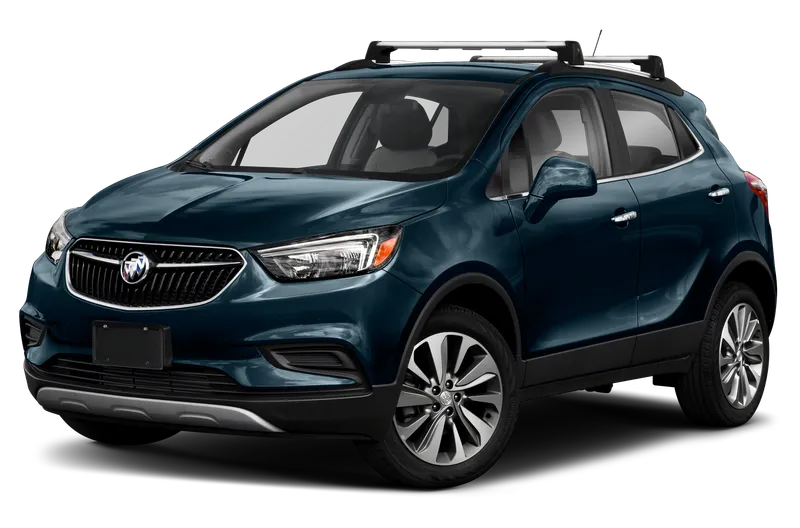
- Buick Encore82
- 2019 Toyota C-HR101
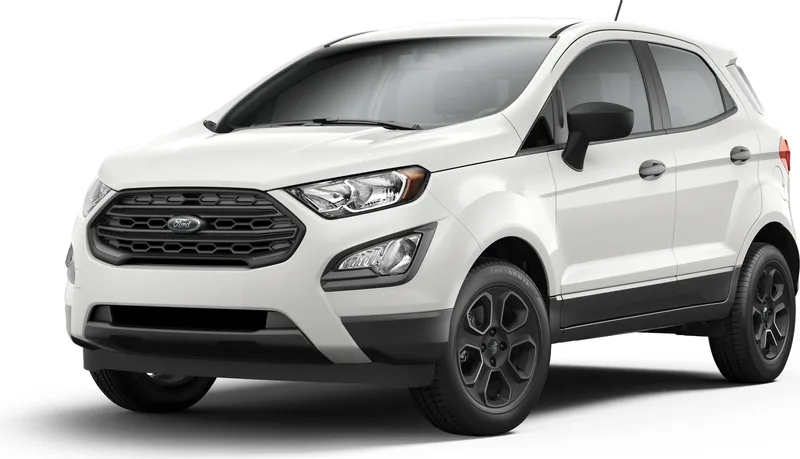
- Ford EcoSport451