2020 Toyota C-HR: What to check before buying
Owners have filed 55 complaints with NHTSA about this car, most about the transmission, steering, and electrical. The 8 checks below target those problems, in the order you would do them at the car.
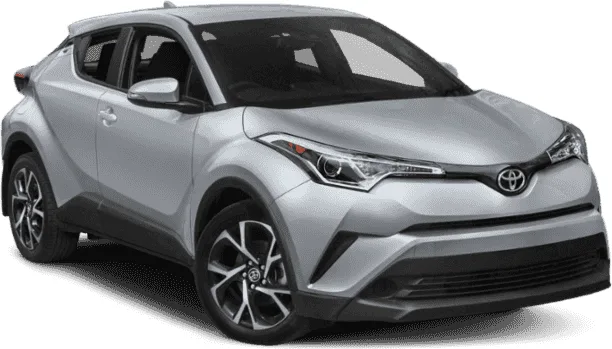 2020
- Owner complaints
- 55
- Recalls
- 1
- Crashes reported
- 1
- 1 injury
Your inspection sheet
Tick items off on your phone at the car, or print it. Ticks stay on this device.
0/8 checked
2020 Toyota C-HR: inspection sheet
Paperwork and questions
Before you go, or before you touch the car0/2
Walk-around and cabin
Engine off, key in hand0/2
Cold start, engine bay, and underside
Ask the seller not to warm the car up first0/2
Test drive
At least 20 minutes, with some highway0/2
These checks are specific to this model year. For tires, body panels, fluids, and the other basics every used car needs, use the general inspection guide.
Which C-HR is it?
EPA figures for each version of the 2020 Toyota C-HR. Use them to confirm you are looking at the version that was advertised, and as a yardstick on the test drive.
| Version | Drive | EPA rating |
|---|---|---|
| 2.0L 4-cyl | FWD | 29 mpg |
- Reset the trip computer at the start of the drive. A C-HR that averages well under the EPA 29 mpg combined on a mixed route may have an engine or tire problem.
Check the odometer against these mileages
Owners report these failures starting around the mileages below. A car inside one of these ranges deserves a closer look at that part, or records showing it was already fixed.
CVT transmission failure
90,000–130,000 miles
CVT whining noise
95,000–115,000 miles
Why these checks: what owners reported
NHTSA complaints for the 2020 Toyota C-HR, grouped by the part owners named. Open a row to read what goes wrong.
Transmission41No crashes
The CVT transmission fails, often with no warning light. Many reports start with a high-pitched whine from the front of the car, then lag or rough acceleration, rattling, and finally a loss of power. Some cars lose propulsion on the highway, which is a real hazard in traffic, and 1 injury is reported. Whining tends to show up around 95,000 to 115,000 miles, and full failures cluster between about 90,000 and 130,000 miles. Several used buyers report failure within days of purchase. Dealers quote $10,000 to over $13,000 for a replacement transmission, close to what the car is worth.
Steering31 crash
Loss of control while turning a corner is reported in 1 crash, which damaged the front end. No cause is given. The other reports are about tires, not steering parts: a rear sidewall slit and blowout at low mileage, plus repeated front passenger tire blowouts and fast tread wear. One owner suspected the tie rods, but the dealer found nothing wrong. With only 3 complaints and no shared symptom, the data points to no clear steering defect.
Electrical3No crashes
Stalling and no-start problems appear here, but the causes differ. One filing is really a transmission failure: the car seized while leaving the highway, the check engine light came on, and the dealer found metal debris in the front axles. In another, liquid from the console cup holder leaked down and shorted a communication computer, bringing up a key fob malfunction message and leaving the car unable to start. A third describes repeated stalling at 20 mph with warning lights, needing a jump start, with no diagnosis yet.
In owners' own words
Excerpts from complaints C-HR owners filed with NHTSA, as written. Listen for the same symptoms on your test drive.
At 100k miles, car began to make whining noise that changed with accelerating and decelerating. Toyota dealership diagnosed a slipping belt in the transmission and transmission was replaced. Filing NHTSA report due to significant amount of transmission problems the Toyota C-HR has and other owners have experienced.
Filed with NHTSA, July 2025
My transmission went out @105k without any warning. There is no engine light warning or anything. I can shift the gear into reverse, neutral, and drive but the car will not move. Took to dealership and was told that to fix the problem I have to change a whole new transmission which was quoted at 11.3k
Filed with NHTSA, September 2025
How the 2020 compares with other C-HR years
Complaints for this year next to the average for the other model years, area by area.
The 2020 ranks third for owner complaints among 5 C-HR years, well under the average of the others. Newer years have had less time to collect complaints, so compare like with like.
- Transmission4166
- Steering31
- Electrical38
Where the 2020 fits in the C-HR's history
Redesigns and mid-cycle updates change what can go wrong.
The 2020 is the third model year of the C-HR's first generation (2018–2022).
It is also the first year of a mid-cycle update.
What changed for 2020
- New front and rear design
- Updated interior features
- Introduction of Android Auto and Apple CarPlay as standard
Recalls to confirm (1)
Recall repairs are free at any Toyota dealer, but the seller may never have had them done. Check each campaign number against the VIN.
19V877000Seat beltsDec 2019
Toyota Motor Engineering & Manufacturing (Toyota) is recalling certain 2019-2020 C-HR and 2020 Corolla and Corolla Hybrid vehicles equipped with rear seat belt assemblies with a dual-mode locking mechanism. The seat belt webbing sensor locking mechanism may not lock as intended.
Risk: In the event of a crash involving multiple impacts, the seat belt may not properly restrain the occupant, increasing the risk of injury.
Fix: Toyota will notify owners, and dealers will inspect the rear seat belt assembly production dates, and replace the assemblies, as necessary, free of charge. The recall began February 7, 2020. Owners may contact Toyota customer service at 1-888-270-9371. Toyota's numbers for this recall are 19TB22 and 19TA22.
Also looking at these instead of a C-HR?
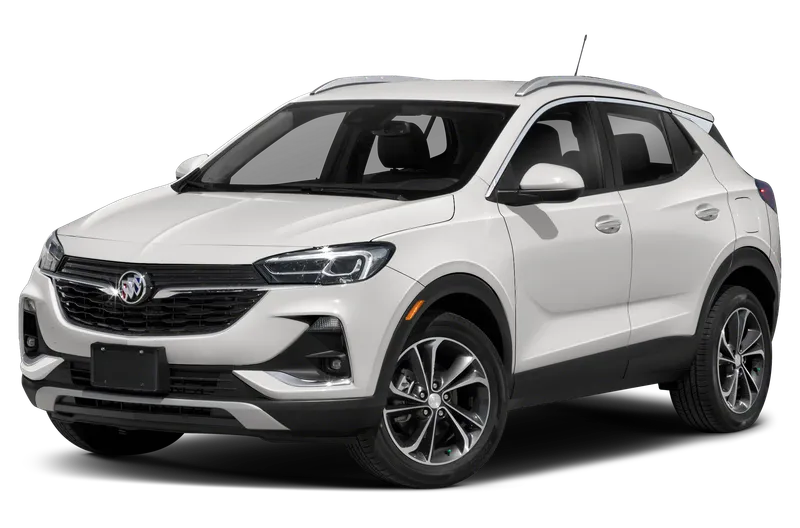
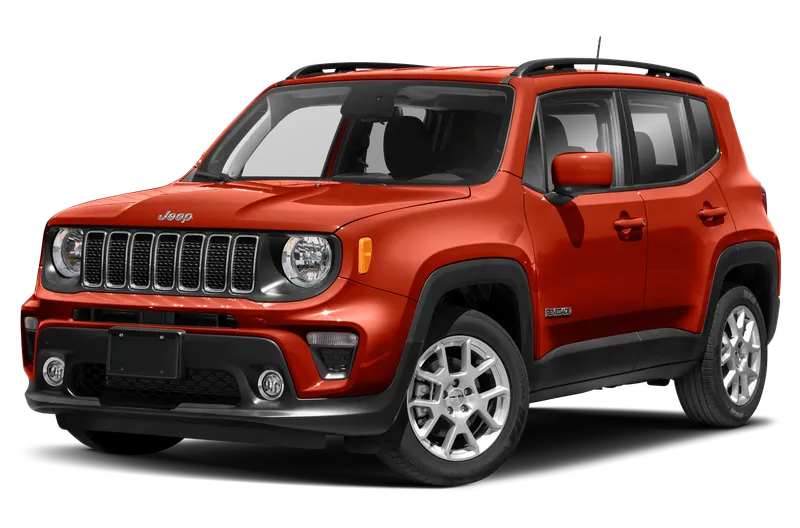
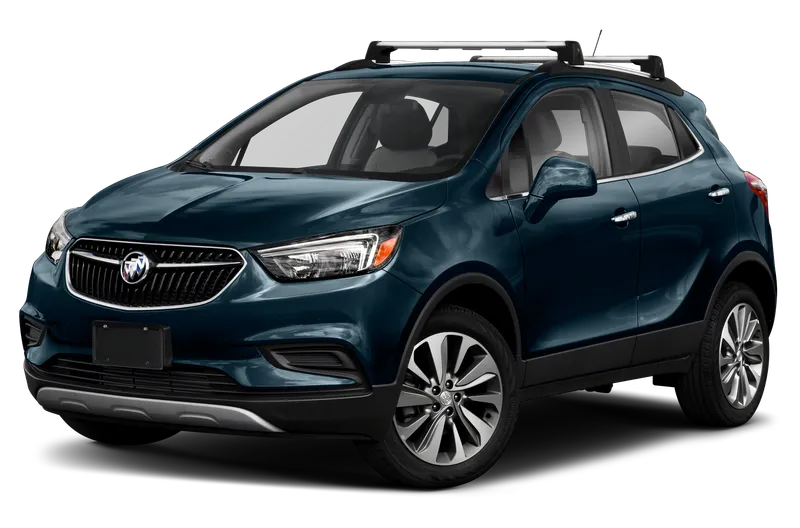
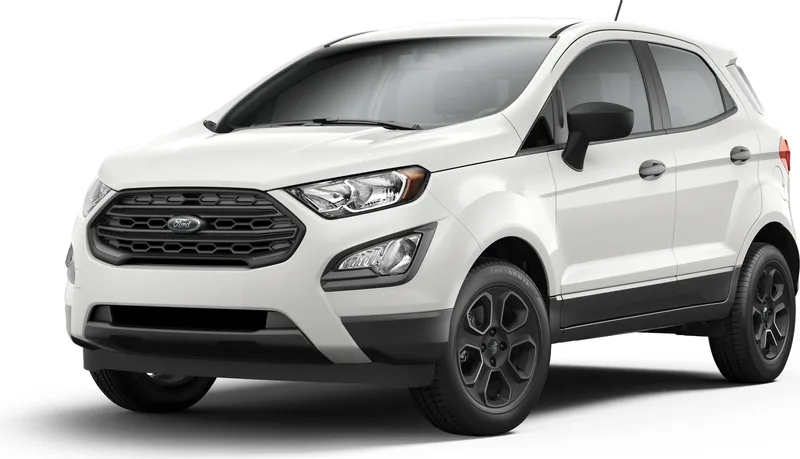
Cars shoppers compare with the Toyota C-HR, with their own 2020 checklists.
2020 owner complaints, side by side
- Cadillac XT417
- Buick Encore19
- 2020 Toyota C-HR55
- Jeep Renegade62
- Buick Encore GX66
- Ford EcoSport390