2019 Subaru Outback: What to check before buying
Owners have filed 1,017 complaints with NHTSA about this car, most about the electrical, wipers and visibility, and steering. The 9 checks below target those problems, in the order you would do them at the car.
 2019
- Owner complaints
- 1,017
- Recalls
- 3
- Crashes reported
- 22
- 17 injuries
Your inspection sheet
Tick items off on your phone at the car, or print it. Ticks stay on this device.
0/9 checked
2019 Subaru Outback: inspection sheet
Paperwork and questions
Before you go, or before you touch the car0/3
Walk-around and cabin
Engine off, key in hand0/3
Test drive
At least 20 minutes, with some highway0/3
These checks are specific to this model year. For tires, body panels, fluids, and the other basics every used car needs, use the general inspection guide.
Which Outback is it?
EPA figures for each version of the 2019 Subaru Outback. Use them to confirm you are looking at the version that was advertised, and as a yardstick on the test drive.
| Version | Drive | EPA rating |
|---|---|---|
| 2.5L 4-cyl | AWD | 28 mpg |
| 3.6L 6-cyl | AWD | 22 mpg |
- The 2019 Subaru Outback was sold in two versions. Confirm which one this is from the window sticker, the engine cover, or the VIN report before you compare prices.
- Reset the trip computer at the start of the drive. A Outback that averages well under the EPA 22 mpg combined on a mixed route may have an engine or tire problem.
Check the odometer against these mileages
Owners report these failures starting around the mileages below. A car inside one of these ranges deserves a closer look at that part, or records showing it was already fixed.
Early windshield cracks
4,615–10,104 miles
Windshield cracks without impact
29,000–46,000 miles
Repeated dead batteries
30,000–35,000 miles
Why these checks: what owners reported
NHTSA complaints for the 2019 Subaru Outback, grouped by the part owners named. Open a row to read what goes wrong.
Electrical3541 crash
Batteries go dead again and again, often after the car sits for a day or two. New batteries do not fix it. Several dealers trace the drain to the data communications module (DCM), which does not fully go to sleep. Other dealers find no drain and send the car home. Some cars have gone through three or four batteries, with trouble often starting around 30,000 to 35,000 miles. The touchscreen head unit also fails. It delaminates, flips between screens, changes stations and makes calls on its own. Replacement parts are often back-ordered.
Wipers and visibility345No crashes
Windshields crack with little or no impact, often while the car sits in a garage or driveway. Cracks start under the wipers, near the rearview mirror or at the edges, then spread across the driver's view within hours or days. Many reports come in at around 10,000 miles. Some owners have replaced the glass two to four times. Dealers usually blame rock strikes and refuse warranty coverage. Some cracks run around the EyeSight camera, and owners report that replacement glass needs the camera recalibrated.
Cracks appear in the windshield while the car is parked or moving, with no impact heard, and they keep spreading. Most reports fall between about 29,000 and 46,000 miles. Cracks often come back after replacement, and some owners are on a third windshield. Dealers often call it a rock chip, not a factory defect, and deny warranty claims, though one owner got a free replacement from the manufacturer. In a separate report, the display flashes on and off and the backup camera stops working. That owner's car is not covered by the related recall.
Steering351 crash
The car wanders at highway speeds, starting around 45 mph. Owners describe a dead zone on center that forces constant correction, and they compare it to driving on ice or in a strong crosswind. Dealers often say it drives normally. Some cars pull left or right without warning, and lane-keeping assist over-corrects. Some owners notice it within the first few hundred miles. A separate problem involves the steering column adjustment lever, which lets the column collapse now and then. One complaint is listed as crash-related but gives little detail.
Body and structure21No crashes
Glass cracks or shatters without impact in most of these reports. Windshields split on their own, sometimes on the third or fourth replacement. Sunroof glass explodes at highway speed, and in one case the hood flew open at 35 mph and blocked the driver's view. The power liftgate can stop partway up, beep and start closing. One owner was hurt holding it back with an arm. A failed front door seal let water flood the floor, and two owners question the spot welds under the dash.
Acceleration and cruise control197 crashes
The car surges forward at parking speeds while the driver holds the brake. It happens pulling into garages and parking spots, and waiting at gates or stop signs. Seven reports involve crashes into garage doors and walls, fences, trees, a power pole or parked cars. Mileage tends to fall between about 12,000 and 22,000 miles. Dealers usually cannot find a cause. On the highway, adaptive cruise control lets speed climb well past the set speed. One car sped up into the car ahead while on cruise control, and pre-collision braking did not activate.
Transmission141 crash
Oil leaks from the cam carrier are the costliest problem in a small, mixed set of reports, and one dealer warned the repair may not hold. Transmission failures include chain slippage and a car that lost drive and was stranded on the freeway. Other reports describe oil burning, a carrier bearing whine starting between 10,000 and 11,000 miles, and stumbling with power loss that the dealer could not fix. One car caught fire after getting stuck in first gear. Another backed up on its own while in drive and injured the driver.
Airbags115 crashes
Airbags fail to deploy in front, side and rear-end crashes. Five reports involve crashes, with nine people injured. In one crash, the passenger airbag fired with the seat empty while the driver's airbag did not. Outside of crashes, the common problem is an airbag warning light that comes and goes. It is often traced to the front passenger occupant detection system, which misreads whether someone is seated and can switch the airbag off. Some dealers replace the occupant detection seat frame, and others find no fault.
Brakes95 crashes
The brakes fail to stop the car when it surges forward at parking speeds, the same pattern reported under speed control. These reports include five crashes and three injuries. On the highway, one car locked up and stopped after a light tap on the brakes, and following cars hit it from behind. Other owners say the pedal slowly sinks to the floor under steady pressure. One dealer found a leaking brake master cylinder, and the part was on back order for weeks. False automatic braking with no car ahead also appears.
In owners' own words
Excerpts from complaints Outback owners filed with NHTSA, as written. Listen for the same symptoms on your test drive.
Touchscreen has delaminated and bubbled, and it begins to operate on its own, and is unresponsive to correction. This affects the Settings, Navigation, and Infotainment systems. At worst, it causes Navigation and Maps to be inoperative at critical times. At best, it is distracting to the driver while trying to get it responsive, back in control. Dealership wants $3K TO REPLACE ENTIRE SCREEN SYSTEM, which is excessive for a new vehicle.
Filed with NHTSA, April 2024
With less than 7000 miles on the odometer, our Outback2019 radio system component started to malfunction and rotate thru channels. Sheehy Subaru of Springfield performed system update, but no change. The entire component was ordered but is now on back order. It is now almost 4 months and we don't trust other possible related components of the system (e.g., GPS) to function properly to feel safe driving this vehicle.
Filed with NHTSA, January 2023
My windshield has chipped and cracked 4 times in the 5 yrs that I've owned this car, purchased new. In the first three cases, a minor chip started cracking the windshield almost immediately. In the last case, which I haven't had repaired yet, there wasn't even a chip. The windshield seemed to just spontaneously crack. The glass shop for replacement #3 noted that the car is now rusting under the windshield. The car has only 39K miles on it.
Filed with NHTSA, June 2024
Driving down a smooth road with no vehicles in front of me on July 13, 2021. Windshield spontaneously cracked at the base in the center. Not a rock chip. Crack spread up 6 inches, left another 6 inches within the 15 minutes it took to drive home. Cracks in the windshield have continued to spread in the days following. Vehicle has total 25,300 miles on odometer.
Filed with NHTSA, July 2021
2019 Subaru outback with 55,000 miles has a head gasket leaking 3 months over the warranty. But within the mileage. Also the steering column manual lever adjustment collapses intermittently causing severe safety issues and/or an accident.
Filed with NHTSA, February 2024
Three windshields have now cracked beyond repair and needed to be replaced with barely 33,000 miles on the vehicle. The first replacement was done in July 2019 when the car was barely six months old. The second replacement was done in April 2021, barely two months ago. That third windshield cracked the second week of June 2021. It is currently scheduled for replacement.
Filed with NHTSA, June 2021
The hood popped open at 35 mph causing loss of sight. I was in traffic and luckily was able to pull the car off the road. I am taking it to the dealer as soon as I can get an appointment. There were no warning lights or messages prior. I will secure the hood with something before I drive it to the dealer. If I had been driving on the Interstate I am sure the hood would have smashed into windshield. I consider this a very dangerous problem.
Filed with NHTSA, November 2023
How the 2019 compares with other Outback years
Complaints for this year next to the average for the other model years, area by area.
The 2019 has the most owner complaints of the 8 Outback years we cover, about 2.8 times the average of the others. Newer years have had less time to collect complaints, so compare like with like.
- Electrical35490
- Wipers and visibility345144
- Steering358
- Body and structure214
- Acceleration and cruise control195
- Transmission149
Where the 2019 fits in the Outback's history
Redesigns and mid-cycle updates change what can go wrong.
The 2019 is the fifth model year of the Outback's fifth generation (2015–2019).
It includes the 2018 update.
What changed for 2018
- Front and side cameras
- Apple CarPlay and Android Auto
Recalls to confirm (3)
Recall repairs are free at any Subaru dealer, but the seller may never have had them done. Check each campaign number against the VIN.
21V587000Fuel systemJul 2021
Subaru of America, Inc. (Subaru) is recalling certain 2019-2020 Ascent, 2018 Forester, 2018-2020 Impreza, Legacy, Outback, 2018-2019 BRZ, WRX, and Toyota 86 vehicles. The low-pressure fuel pump inside the fuel tank may fail.
Risk: Fuel pump failure can cause an engine stall while driving, increasing the risk of a crash.
Fix: Dealers will replace the low-pressure fuel pump, free of charge. Owner notification letters were mailed September 24, 2021. Subaru and Toyota owners may call customer service at 1-844-373-6614. Subaru's number for this recall is WRG-21.
20V218000Fuel systemApr 2020
Subaru of America, Inc. (Subaru) is recalling certain 2019 Impreza, Outback, Legacy, and Ascent vehicles. The low pressure fuel pump may become inoperative.
Risk: If the low pressure fuel pump fails, the engine may stall without the ability to restart the vehicle, increasing the risk of a crash.
Fix: Subaru will notify owners, and dealers will replace the low pressure fuel pump, free of charge. The recall began June 4, 2020. Owners may contact Subaru customer service at 1-844-373-6614. Subaru's number for this recall is WRD-20.
19V493000Body and structureJun 2019
Subaru of America, Inc. (Subaru) is recalling certain 2019 Legacy and Outback vehicles. Spot welds located on the duct below the cowl panel may have been improperly applied, impacting the vehicle's body strength.
Risk: In the event of a crash, the reduced strength of the vehicle body may increase the risk of injury.
Fix: Subaru will notify owners, and dealers will inspect the vehicles and repair or repurchase the vehicle, as necessary, free of charge. The recall began July 26, 2019. Owners may contact Subaru customer service at 1-844-373-6614. Subaru's number for this recall is WUH-93.
Also looking at these instead of a Outback?
Cars shoppers compare with the Subaru Outback, with their own 2019 checklists.
2019 owner complaints, side by side
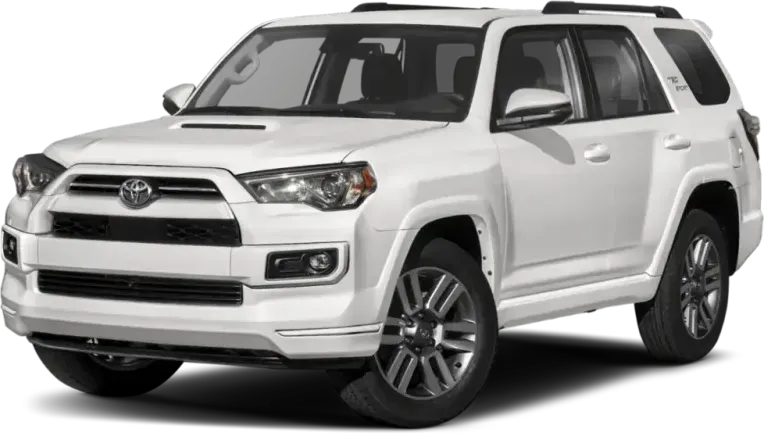
- Toyota 4Runner61
- Ford Explorer252
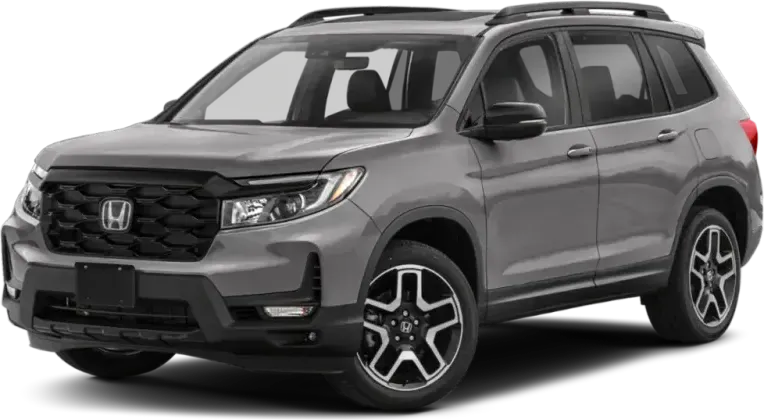
- Honda Passport253
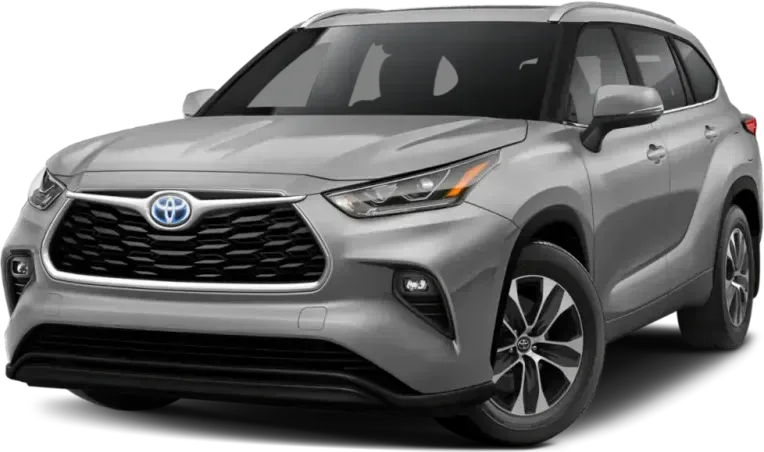
- Toyota Highlander414
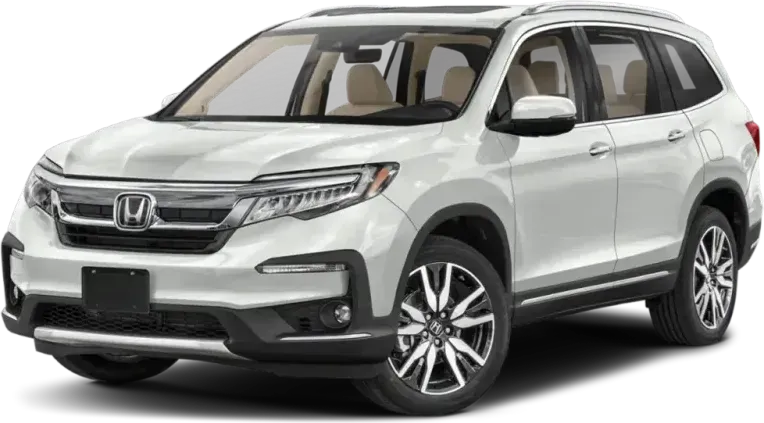
- Honda Pilot794
- Toyota RAV4864
- 2019 Subaru Outback1,017