2020 Subaru Ascent: What to check before buying
Owners have filed 310 complaints with NHTSA about this car, most about the electrical, wipers and visibility, and transmission. The 10 checks below target those problems, in the order you would do them at the car.
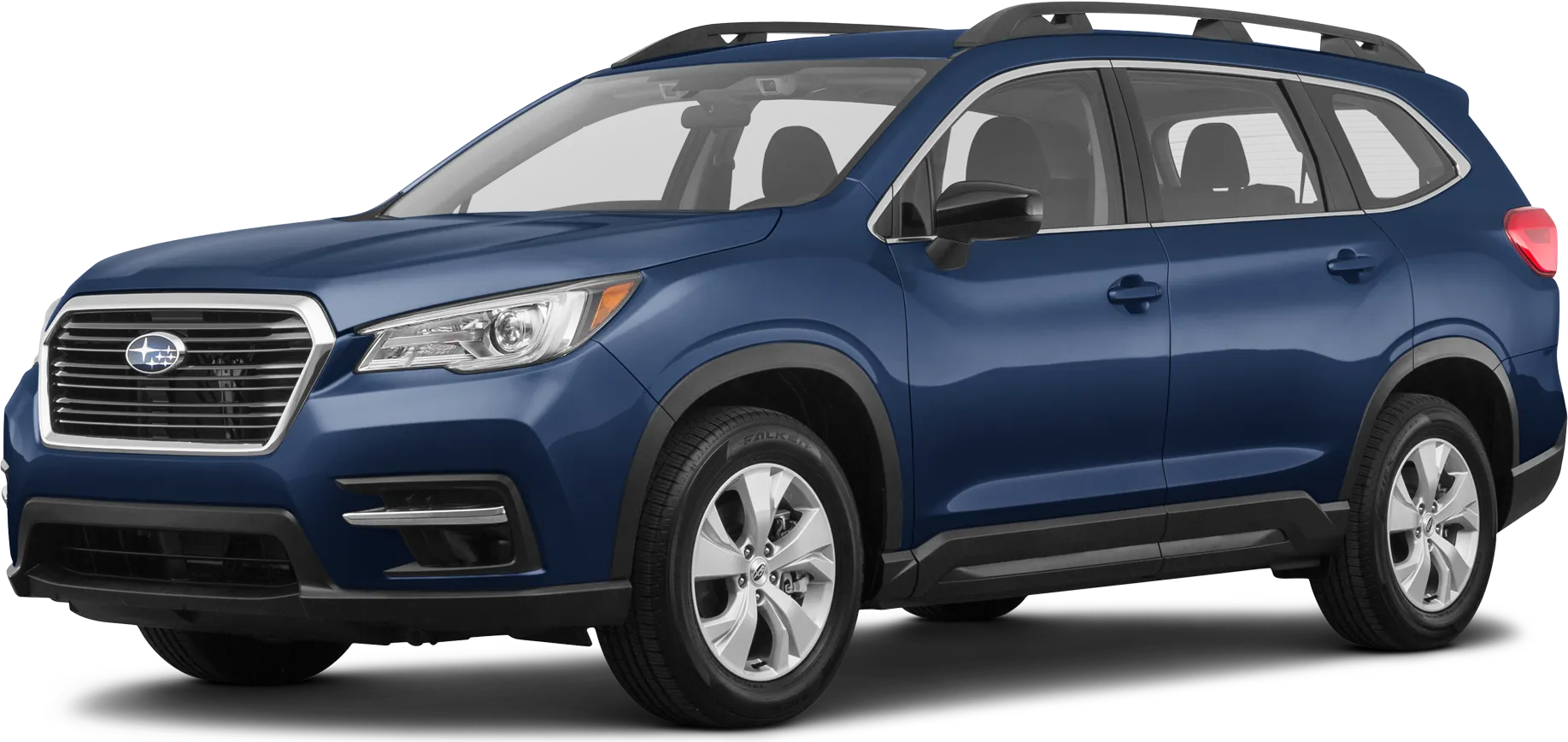 2020
- Owner complaints
- 310
- Recalls
- 4
- 1 urgent
- Crashes reported
- 5
- 5 injuries
One recall on this model year told owners to park outside until the repair was done.
Do not buy until you have dealer paperwork or a recall lookup showing it was completed for this VIN.
Your inspection sheet
Tick items off on your phone at the car, or print it. Ticks stay on this device.
0/10 checked
2020 Subaru Ascent: inspection sheet
Paperwork and questions
Before you go, or before you touch the car0/4
Cold start, engine bay, and underside
Ask the seller not to warm the car up first0/2
Test drive
At least 20 minutes, with some highway0/4
These checks are specific to this model year. For tires, body panels, fluids, and the other basics every used car needs, use the general inspection guide.
Which Ascent is it?
EPA figures for each version of the 2020 Subaru Ascent. Use them to confirm you are looking at the version that was advertised, and as a yardstick on the test drive.
| Version | Drive | EPA rating |
|---|---|---|
| 2.4L 4-cyl | AWD | 23 mpg |
- Reset the trip computer at the start of the drive. A Ascent that averages well under the EPA 23 mpg combined on a mixed route may have an engine or tire problem.
Check the odometer against these mileages
Owners report these failures starting around the mileages below. A car inside one of these ranges deserves a closer look at that part, or records showing it was already fixed.
Spontaneous windshield cracks
1,250–29,200 miles
Battery drain and no-start
1,600–20,000 miles
CVT slipping and hesitation
2,800–28,000 miles
Warped front brake rotors
6,000–20,000 miles
Transmission failure and replacement
16,000–50,542 miles
Front strut failure
43,000–64,000 miles
Why these checks: what owners reported
NHTSA complaints for the 2020 Subaru Ascent, grouped by the part owners named. Open a row to read what goes wrong.
Electrical98No crashes
Batteries go dead on nearly new cars, often after sitting a few days or with the tailgate left open. Owners describe repeated jump starts, batteries replaced more than once, and dealers who find nothing wrong. Reports start as early as 400 miles, and most come in under 20,000. The radio often cuts out or resets before a drain, and dash lights may flash. Some cars blow the main fuse or burn a wiring harness, including while towing. One car stalled at 35 mph, and one fire report describes smoke and a burning plastic smell from the floorboard.
Wipers and visibility55No crashes
Windshields crack with no visible impact, either while driving at highway speed or while parked in a driveway or garage. Cracks often start at the lower edge or a corner and spread across the glass within minutes or hours. Most reports come in the first year, at well under 10,000 miles, and some owners replace the glass twice. A few describe heavy pitting and small chips that distract the driver. Dealers often decline warranty coverage, so owners pay through insurance.
Windshields crack without warning or impact, often with an audible crack while driving at 40 to 65 mph or overnight while parked. Cracks start at the lower edge, center, or near the mirror and can grow about 24 inches within days. Reported mileage spans 1,000 to 60,000, with many around 20,000 to 29,200. Dealers often blame a rock, deny warranty coverage, or refer owners to glass shops. One report describes tiny dots across the glass blocking the view.
Transmission52No crashes
The CVT slips, hesitates, or jerks, with RPM flares and lurches between roughly 20 and 65 mph. Some cars lose power on hills or while merging. More severe cases end with a loud noise, warning lights, EyeSight disabled, no gear engaging, and a tow. Transmissions are replaced under warranty, sometimes more than once, and symptoms can return afterward. Reported failures range from 16,000 to 50,542 miles. Owners say reprogramming often does not help. One CVT fluid leak damaged wiring and the engine computer, with a quoted repair over $9,400.
Brakes16No crashes
Front brakes shudder and grind, with vibration felt through the steering wheel, worst at highway speed or going downhill. Dealers diagnose warped rotors and resurface or replace rotors and pads, but the problem keeps returning. Onset is typically between 6,000 and 20,000 miles, with repeat repairs reported at 36,000 and 49,000 miles, the last costing $610 once out of warranty. Some cars go through a third set of rotors. A separate complaint describes the parking brake engaging on its own.
Engine91 crash
Problems here vary widely. One crash report describes the car surging forward in a driveway with no response from the brakes. Other reports include a PCV valve failure that destroyed the engine at highway speed, engine sludge requiring replacement at 82,000 miles, and an alternator failure that killed power steering and stalled the car in traffic. A serpentine belt shredded at 1,289 miles and caused overheating. Owners also describe a persistent gasoline smell at idle and jerking with high RPM but no acceleration.
Body and structure9No crashes
The hood vibrates, flexes, and lifts at 50 to 65 mph or in gusty winds, and dealers call it normal. Glass is the other theme: sudden windshield cracks and a cracked sunroof with no chip, with windshield replacement plus EyeSight recalibration quoted over $1,000. Other reports include a power liftgate that locks out with an alarm until the battery is disconnected, water leaks causing mold on seats and carpets, and rust on metal window trim within months.
Suspension7No crashes
Front struts fail, causing rattling, clunking, or rumbling over bumps, potholes, and dirt roads, with no warning lights. Failures cluster between 43,000 and 64,000 miles, and some cars lose both front struts within a short span. One dealer quoted $1344 for a single strut assembly, and owners report a national back order on parts. A dealer cited corrosion on failed struts. One brand-new car showed front clunking from the start.
Airbags44 crashes
Airbags fail to deploy in serious crashes. All 4 reports involve crashes, with 5 injuries, including head injuries and whiplash. The impacts include hitting a building, a cow at 55 mph, a truck, and a multi-vehicle pileup. One crash report also describes sudden unwanted acceleration, brakes that did not stop the car, no automatic emergency braking, and a seatbelt that did not lock. Another owner does not recall any collision warning or automatic braking before impact.
In owners' own words
Excerpts from complaints Ascent owners filed with NHTSA, as written. Listen for the same symptoms on your test drive.
Excessive battery drain for no reason. The vehicle has a random battery drain for no apparent reason. This vehicle has less than 26K miles on it and has needed a charge or jump-start more than 10+ times. We have been able to replicate the problem numerous times, once charged, the battery and alternator pass tests.
Filed with NHTSA, August 2022
While parked, I adjusted the rear view mirror to my driving position. I heard a cracking noise and saw a crack go about three inches down from the rear view mirror on the windshield. Over night it spread from the mirror all the way down to the base of the windshield. I inspected the windshield for impact damage and found none.
Filed with NHTSA, October 2022
My mother pulled off of Interstate 85 in North Carolina and while preparing to turn of the exit ramp the car lurched forward and then back. The transmission chain had snapped, and it seems similar to what was going on with the 2019 Subaru Ascent. This one is 2020, and had 16000 miles approximately. The vehicle had to be towed.
Filed with NHTSA, August 2021
Bought in December 2021 had dealership fix breaks before bought then again after 3000 miles then again after 5 000 miles. Brakes still shudder and emit loud noises. Have only had 6 months and breaks are bad again. Car shakes with acceleration and hesitates to accelerate .
Filed with NHTSA, June 2022
16000 miles. Front brakes vibrate hard when you press the brake. The whole front of the car vibrates it feels the same when the ABS system vibrates. Really scary sound and vibration.
Filed with NHTSA, August 2021
The emergency brake occasionally comes on for no apparent reason. It has happened multiple times before but, never while driving until today. The button appeared to be stuck when I went to disengage it as well which made no sense. There was nothing in the way for it to get stuck. Upon further research in the Subaru forums it appears ours is not the only one to have experienced this. This leads me to believe there may be an unknown issue.
Filed with NHTSA, August 2024
How the 2020 compares with other Ascent years
Complaints for this year next to the average for the other model years, area by area.
The 2020 ranks second for owner complaints among 6 Ascent years, about 2.7 times the average of the others. Newer years have had less time to collect complaints, so compare like with like.
- Electrical9832
- Wipers and visibility5524
- Transmission5218
- Brakes166
- Engine95
- Body and structure92
Where the 2020 fits in the Ascent's history
Redesigns and mid-cycle updates change what can go wrong.
The 2020 is the second model year of the Ascent's first generation (2019–2023).
Subaru updated the Ascent for 2023, so a 2020 does not have those changes.
What changed for 2023 (not on a 2020)
- New front fascia
- New LED headlights with high-beam assist
- New C-shaped taillights
- 11.6-inch touchscreen display
- Improvements to standard features
Recalls to confirm (4)
Recall repairs are free at any Subaru dealer, but the seller may never have had them done. Check each campaign number against the VIN.
22V907000ElectricalPark outsideDec 2022
Subaru of America, Inc. (Subaru) is recalling certain 2019-2022 Ascent vehicles. The ground bolt that secures the ground terminal of the Positive Temperature Coefficient (PTC) heater may have been improperly fastened, which could result in melting of the ground terminal and surrounding components.
Risk: A melting ground terminal increases the risk of a fire.
Fix: Owners are advised to park their vehicle away from structures and to avoid leaving the vehicle unattended while the engine is running. An owner who notices or smells smoke coming from the dash or driver's footwell area should immediately stop operating the vehicle and turn the ignition switch to the "Off" position. Dealers will replace the PTC heater ground bolts and if necessary, replace the ground wire and the connector holder, free of charge. Owner notification letters are expected to be mailed February 6, 2023. Owners may contact Subaru's customer service at 1-844-373-6614. Subaru's number for this recall is WRL-22.
21V954000SteeringDec 2021
Subaru of America, Inc. (Subaru) is recalling certain 2020 Ascent vehicles. Due to an incorrect tapered hole in the housing, the front tie rod ends may not fit properly. The improper fit can result in the tie rods and housings being deformed during assembly and service replacement if excessive torque is applied.
Risk: The tie rods may separate from the housing, causing a loss of steering control and increasing the risk of a crash.
Fix: Dealers will replace the left and right front tie rod ends and housings, free of charge. Owner notification letters were mailed February 7, 2022. Owners may contact Subaru customer service at 1-844-373-6614. Subaru's number for this recall is WRL-21.
21V955000TransmissionDec 2021
Subaru of America, Inc. (Subaru) is recalling certain 2019-2020 Ascent, 2020 Legacy and Outback vehicles. A programming error in the Transmission Control Unit (TCU) may allow the clutch to engage before the drive chain is completely clamped.
Risk: An improperly secured drive chain may slip and break, causing a loss of drive power and increasing the risk of a crash.
Fix: Dealers will reprogram the TCU, inspect TCU data for chain slip, and visually inspect the chain guide. If evidence of chain slippage or damage is found, the transmission will be replaced. Repairs will be performed free of charge. Owner notification letters were mailed August 19, 2022. This recall includes all vehicles previously recalled under 19V-855. Vehicles previously recalled under 19V-855 will need to have the new remedy performed for this recall once available. Owners may contact Subaru customer service at 1-844-373-6614. Subaru's number for this recall is WRK-21.
21V587000Fuel systemJul 2021
Subaru of America, Inc. (Subaru) is recalling certain 2019-2020 Ascent, 2018 Forester, 2018-2020 Impreza, Legacy, Outback, 2018-2019 BRZ, WRX, and Toyota 86 vehicles. The low-pressure fuel pump inside the fuel tank may fail.
Risk: Fuel pump failure can cause an engine stall while driving, increasing the risk of a crash.
Fix: Dealers will replace the low-pressure fuel pump, free of charge. Owner notification letters were mailed September 24, 2021. Subaru and Toyota owners may call customer service at 1-844-373-6614. Subaru's number for this recall is WRG-21.
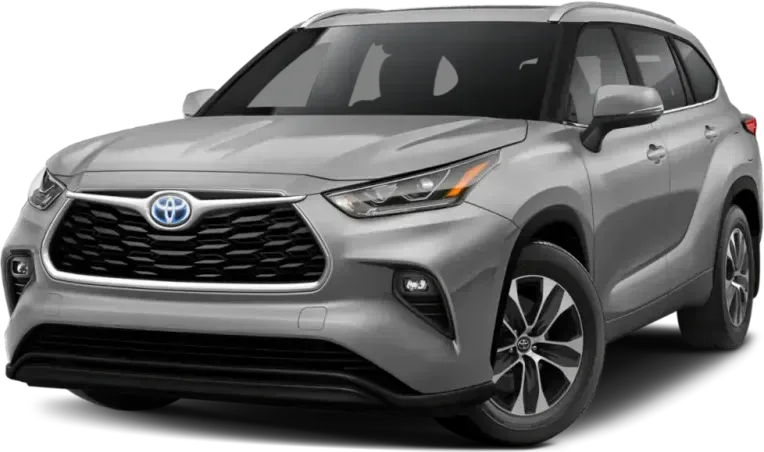
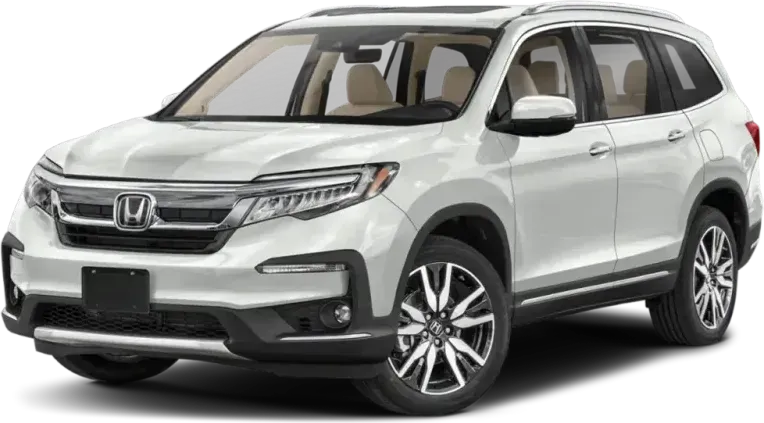
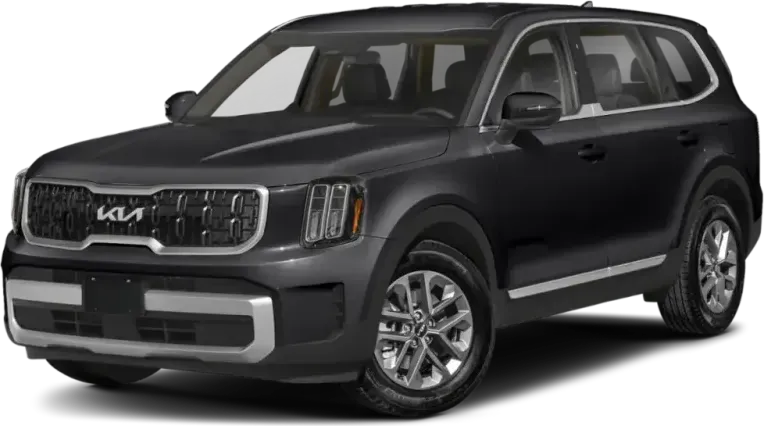
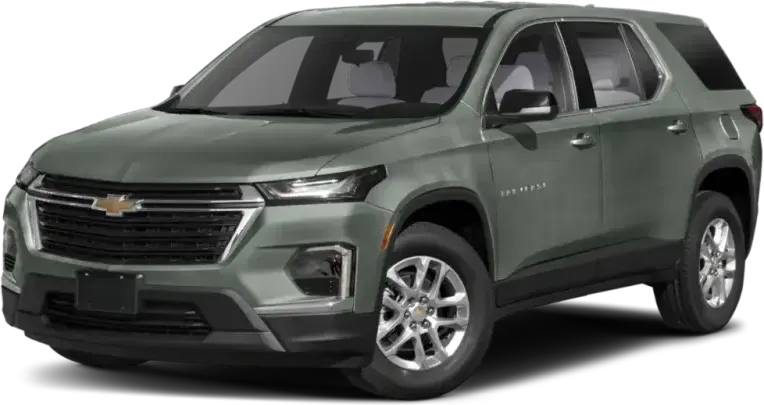
Also looking at these instead of a Ascent?
Cars shoppers compare with the Subaru Ascent, with their own 2020 checklists.
2020 owner complaints, side by side
- Volkswagen Atlas116
- Chevrolet Traverse188
- Toyota Highlander269
- 2020 Subaru Ascent310
- Honda Pilot431
- Hyundai Palisade521
- Kia Telluride667