2023 Chevrolet Bolt: What to check before buying
Owners have filed 146 complaints with NHTSA about this car, most about the electrical, steering, and automatic emergency braking. The 9 checks below target those problems, in the order you would do them at the car.
 2023
- Owner complaints
- 146
- Recalls
- 3
- Crashes reported
- 17
- 8 injuries
Your inspection sheet
Tick items off on your phone at the car, or print it. Ticks stay on this device.
0/9 checked
2023 Chevrolet Bolt: inspection sheet
Paperwork and questions
Before you go, or before you touch the car0/3
Cold start, engine bay, and underside
Ask the seller not to warm the car up first0/1
Test drive
At least 20 minutes, with some highway0/5
These checks are specific to this model year. For tires, body panels, fluids, and the other basics every used car needs, use the general inspection guide.
Which Bolt is it?
EPA figures for each version of the 2023 Chevrolet Bolt. Use them to confirm you are looking at the version that was advertised, and as a yardstick on the test drive.
| Version | Drive | EPA rating |
|---|---|---|
| Electric | FWD | 259 mi range |
- With a full charge, the range estimate on the dash should land near the EPA figure of 259 miles. A much lower number on a mild day can mean a worn battery; ask for a battery health report.
Check the odometer against these mileages
Owners report these failures starting around the mileages below. A car inside one of these ranges deserves a closer look at that part, or records showing it was already fixed.
Auxiliary transmission pump faults
200–400 miles
Phantom automatic emergency braking
2,400–10,000 miles
Loss of drive power, towing
3,350–5,144 miles
Steering wheel not returning center
42,000–55,000 miles
Why these checks: what owners reported
NHTSA complaints for the 2023 Chevrolet Bolt, grouped by the part owners named. Open a row to read what goes wrong.
Electrical332 crashes
Sudden loss of drive power is the main pattern. Cars shut off or drop into reduced propulsion, show electric drive unit warnings, and need towing, sometimes within the first few thousand miles. Owners also report charging errors, blown fuses, and repeat dealer visits that do not fix the fault. Two reports describe fires, one starting under the driver's seat while parked. Other complaints cover door locks that stop working after rain, an electrical shock from the hatch while charging, and airbag warning lights. Some cars spend weeks at the dealer.
Steering23No crashes
After a turn, the wheel stays off center and the driver has to pull it straight by hand. Effort builds gradually until the wheel feels stiff, and many cars develop clicking or clunking from the steering gear, especially at low speeds. Reports cluster between about 42,000 and 55,000 miles, after bumper-to-bumper coverage ends. Shops confirm internal binding in the rack and pinion, and replacing the steering rack fixes it. Some dealers cannot reproduce the problem. One owner cites an out-of-warranty repair cost of around $3,000.
Automatic emergency braking153 crashes
Automatic emergency braking engages with nothing in the road. The car brakes hard at anything from a crawl to highway speed, sometimes with a collision beep and sometimes with none, and several drivers are nearly rear-ended. Repeat events are common, and some owners count five or more. Dealers usually find no trouble codes and cannot confirm the fault. Other complaints describe Super Cruise disengaging or failing to find the lane, and a telematics module failure that knocks out GPS, OnStar, and Super Cruise. Three reports involve crashes.
Exterior lights153 crashes
Rear brake lights and turn signals sit low in the bumper. The larger lights on the hatch work only as running lights and stay dark when the driver brakes. Drivers behind, especially in trucks and SUVs, watch the hatch and miss the stop signal. Many owners report near rear-end collisions, three complaints involve crashes, and one driver was pulled over by police who thought the brake lights were out. This is a design issue, not a failed part. One report describes snow covering the headlights while driving.
Acceleration and cruise control113 crashes
The car surges forward or backward at parking-lot speeds, climbing parking bumpers and hitting trees, barriers, and other vehicles. Three of these reports involve crashes, and dealers often find no codes. A second pattern is a sudden propulsion error that caps speed at 30 mph on the highway, tied in one case to an auxiliary transmission fluid pump that failed at 200 miles. Adaptive cruise and Super Cruise also draw complaints: braking with no traffic ahead, speeding up toward a slower vehicle, and abrupt stops the accelerator cannot override.
Transmission101 crash
Propulsion power drops without warning and the car will not go above 30 mph, often on highways, with a "Propulsion Power is Reduced" or "Service Transmission" message. OnStar diagnostics often return code P2797, and owners link it to the auxiliary transmission fluid pump. A second pattern is a "Conditions not correct for shift" error at startup that leaves the car stuck until it is restarted or towed. Dealers often cannot replicate these faults. One crash report describes the car accelerating from a stop into oncoming traffic, with injuries.
Brakes92 crashes
The brake pedal feels soft or slow to respond, or the car skids without fully stopping. Two such reports end in crashes, one with injuries. Regenerative braking feels inconsistent and is weaker when the battery is fully charged. Some drivers report automatic braking with nothing ahead, causing neck and back pain. In one car, pedal braking failed along with ESC and steering assist warnings, and the dealer confirmed and repaired the fault. Other owners note that the brake lights sit low and that regen braking from the steering-column control or in one-pedal mode does not turn them on.
Airbags42 crashes
Airbags fail to deploy in two crashes. In one, the car hits the rear of another vehicle. In the other, a utility pole strikes the front corner. A separate pattern is an intermittent "Service Safety Restraint System" message with the airbag light on, appearing in one car under 300 miles. One dealer finds stored codes but cannot reproduce the warning. Only four complaints are on file, so no broad trend is clear.
In owners' own words
Excerpts from complaints Bolt owners filed with NHTSA, as written. Listen for the same symptoms on your test drive.
I just bought this vehicle this Sunday. I drove about 400 miles and Wednesday, I got warning ️ electric drive unit ️. Yesterday I took my car to dealership and got call from them that auxiliary transmission issue and they will replace it. Car is still at the dealership, now we are afraid to drive that car and what if it jeopardizes our safety. We drive a lot for work as a home health provider.
Filed with NHTSA, May 2023
I have been getting errors when I charge the car since last year. 3500 miles on a brand new 2023 and it's been at the dealership for over 30 days they offered me 2000 bucks and keep the car under warranty and I would have to pay the lemon lawyers 800 so I didn't take the deal. I have no car but I still pay 836 for my car note.
Filed with NHTSA, January 2026
After around 55,000 miles, the steering column began making noise during slow speed corning. When the vehicle is not in motion, the driver can replicate this issue by turning the steering wheel into the 45 degrees position. The repair out of warranty is subject to around $3,000 and this typically is always the case as only the bumper-to-bumper warranty will cover this repair and is limited to 36,000 miles and is not enough time for this issue to arise.
Filed with NHTSA, November 2025
Steering is failing at only 43,800 miles like many others. It is failing to return to center which makes it dangerous to drive, it doesn't come out of a turn. It is clicking and fails to return to center.
Filed with NHTSA, February 2026
This vehicle has now suffered 5 instances of phantom braking, clear road and clear weather in 10,000 miles of use. Two occurrences within the last week despite carefully cleaning the car and sensors/camera. Twice I have nearly been rear-ended. The dealer found no issues when this was initially reported.
Filed with NHTSA, September 2024
On the freeway going 70 mph our car decided to slam on the brakes. We had it on supercruise which also uses adaptive cruise control. It was not raining, it was overcast, we were in farm country with no bridges or signs over the roadway. No cars around. It was very scary! I have 2 other cars with adaptive cruise control and have never experienced this.
Filed with NHTSA, June 2023
Got rear ended. I learned that the brake lights on the Bolt EUV are mounted low and are small. The large rear lights that people would normally assume as brake lights do not light up when braking. This could increase the chances of rear end collisions.
Filed with NHTSA, June 2023
Brake lights are too low on vehicle - middle lights are only running lights. Drivers behind vehicle in stop and go traffic must rely on high mounted third brake light mounted at peak of vehicle roof line, especially difficult for larger vehicles (SUVs, Trucks) to see low mounted brakes, with expectation that the middle lights will indicate braking. Multiple reports and complains regarding this issue are posted online and also in this database.
Filed with NHTSA, August 2023
How the 2023 compares with other Bolt years
Complaints for this year next to the average for the other model years, area by area.
The 2023 ranks second for owner complaints among 5 Bolt years, about 1.5 times the average of the others. Newer years have had less time to collect complaints, so compare like with like.
- Electrical3339
- Steering2320
- Automatic emergency braking151
- Exterior lights150
- Acceleration and cruise control111
- Transmission1011
Where the 2023 fits in the Bolt's history
Redesigns and mid-cycle updates change what can go wrong.
The 2023 is the seventh model year of the Bolt's first generation (2017–2023).
It includes the 2022 update.
What changed for 2022
- Front and rear styling revisions
- Revised interior with upgraded seats
- New electronic systems
Recalls to confirm (3)
Recall repairs are free at any Chevrolet dealer, but the seller may never have had them done. Check each campaign number against the VIN.
23V845000Body and structureDec 2023
General Motors, LLC (GM) is recalling certain 2017-2023 Chevrolet Bolt EV vehicles. This recall includes certain vehicles previously repaired incorrectly under NHTSA recall number 22V-930. After a crash with seat belt pretensioner deployment, the pretensioner exhaust may ignite carpet fibers near the B-pillar, causing a fire.
Risk: A fire increases the risk of injury.
Fix: Dealers will inspect both front seat belt pretensioners and, if necessary, install metal foil at the carpet near the pretensioner exhaust. Certain vehicles will also need a pretensioner cover installed. Repairs will be performed free of charge. Owner notification letters were mailed January 24, 2024. These vehicles were previously recalled for this same issue under recall number 22V-930 and will need to have the new remedy performed. Owners may contact GM EV Concierge at 1-833-EVCHEVY (1-833-382-4389) (TTY 711 / 1-800-833-2438) or Customer Service at 1-800-222-1020. GM's number for this recall is N232421970.
23V567000AirbagsAug 2023
General Motors, LLC (GM) is recalling certain 2022-2023 Chevrolet Bolt EV vehicles. The instrument panel may be missing the perforation on the underside of the panel cover that allows the passenger-side air bag to deploy properly.
Risk: An air bag that does not deploy properly in a crash increases the risk of injury.
Fix: Dealers will replace the instrument panel, free of charge. Owner notification letters were mailed December 21, 2023. Owners may contact Chevrolet customer service at 1-800-222-1020. GM's number for this recall is N232414710.
22V930000Body and structureDec 2022
General Motors, LLC (GM) is recalling certain 2017-2023 Chevrolet Bolt EV vehicles. After a crash with seat belt pretensioner deployment, the pretensioner exhaust may ignite carpet fibers near the B-pillar, causing a fire.
Risk: A vehicle fire can increase the risk of injury.
Fix: Dealers will install metal foil at the carpet near the pretensioner exhaust, and install a pretensioner cover as necessary, free of charge. Owner notification letters were mailed between January 23, 2023 and April 25, 2023. Owners may contact Chevrolet customer service at 1-800-222-1020. GM's number for this recall is N222383790.
Also looking at these instead of a Bolt?
Cars shoppers compare with the Chevrolet Bolt, with their own 2023 checklists.
2023 owner complaints, side by side
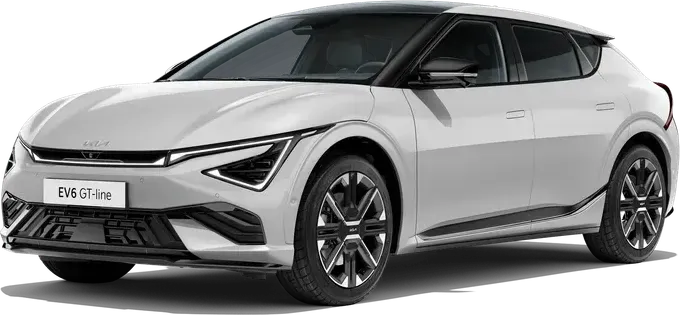
- Kia EV698
- 2023 Chevrolet Bolt146
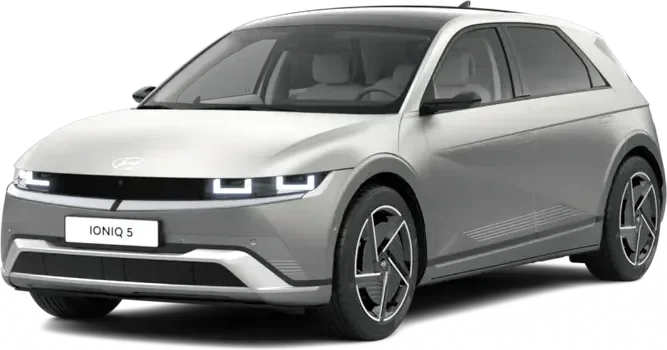
- Hyundai Ioniq 5311
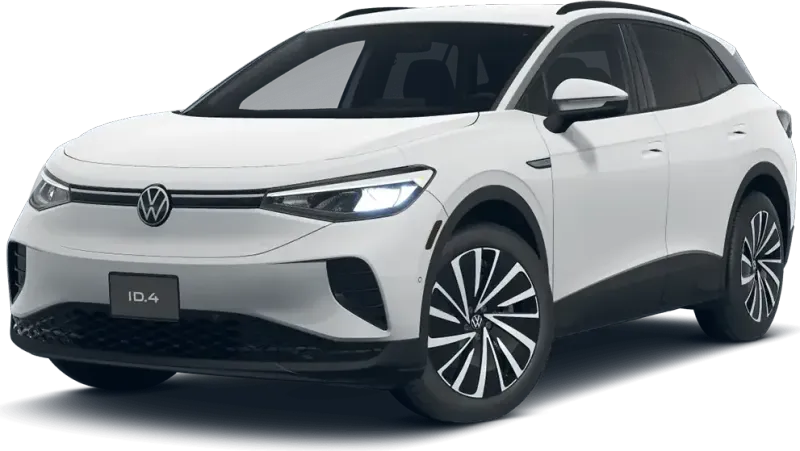
- Volkswagen ID.4402
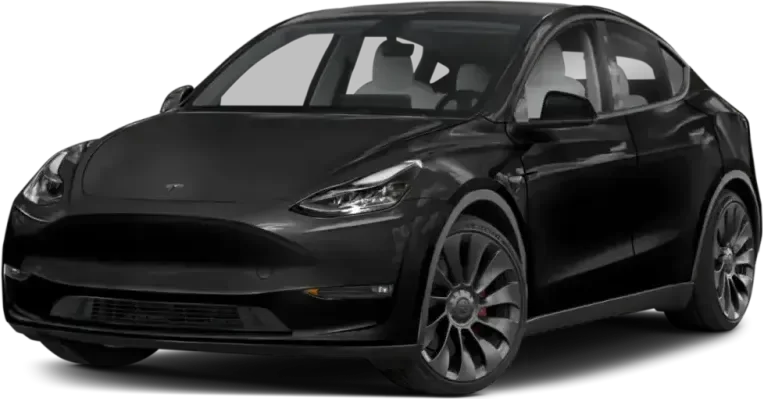
- Tesla Model Y997