2020 Acura TLX: What to check before buying
Owners have filed 59 complaints with NHTSA about this car, most about the engine, fuel system, and transmission. The 9 checks below target those problems, in the order you would do them at the car.
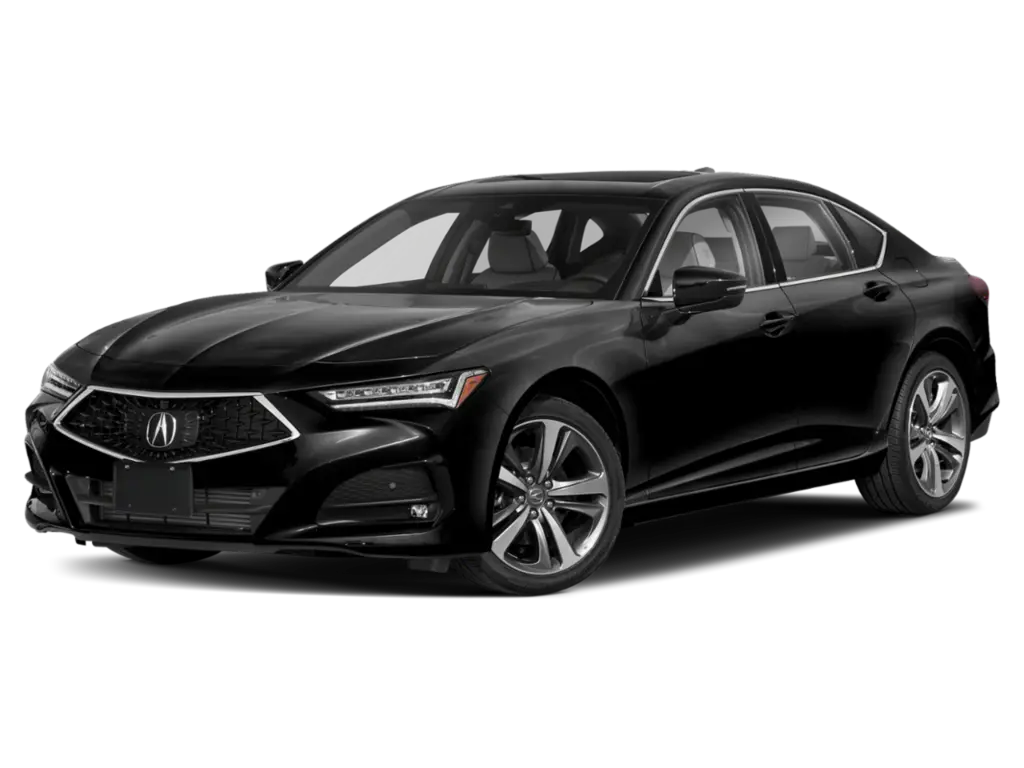 2020
- Owner complaints
- 59
- Recalls
- 4
- Crashes reported
- 4
- 1 injury
Your inspection sheet
Tick items off on your phone at the car, or print it. Ticks stay on this device.
0/9 checked
2020 Acura TLX: inspection sheet
Paperwork and questions
Before you go, or before you touch the car0/3
Cold start, engine bay, and underside
Ask the seller not to warm the car up first0/3
Test drive
At least 20 minutes, with some highway0/3
These checks are specific to this model year. For tires, body panels, fluids, and the other basics every used car needs, use the general inspection guide.
Which TLX is it?
EPA figures for each version of the 2020 Acura TLX. Use them to confirm you are looking at the version that was advertised, and as a yardstick on the test drive.
| Version | Drive | EPA rating |
|---|---|---|
| 2.4L 4-cyl | FWD | 27 mpg |
| 3.5L 6-cyl | AWD, FWD | 23–24 mpg |
- The 2020 Acura TLX was sold in two versions. Confirm which one this is from the window sticker, the engine cover, or the VIN report before you compare prices.
- Reset the trip computer at the start of the drive. A TLX that averages well under the EPA 23 mpg combined on a mixed route may have an engine or tire problem.
Check the odometer against these mileages
Owners report these failures starting around the mileages below. A car inside one of these ranges deserves a closer look at that part, or records showing it was already fixed.
Engine stalling while driving
22,000–60,000 miles
Why these checks: what owners reported
NHTSA complaints for the 2020 Acura TLX, grouped by the part owners named. Open a row to read what goes wrong.
Engine181 crash
Stalling is the main complaint. The engine shuts off at stoplights or while driving, sometimes in highway traffic, and may take a long time to restart or not restart at all. Several reports describe the auto idle stop restarting the engine and then dying. A stall at a light led to one rear-end crash. A second pattern is rod bearing failure with engine knock, including a repeat failure after the crankshaft and bearings were replaced. Other reports cover long waits for recall parts and power loss on inclines.
Most of these complaints are about waiting for a recall repair. Dealers tell owners that parts are not available, and several owners have not had a failure yet. Owners who do report a failure describe stalling at stops or while driving, lost power, rough idle, and a burst of driver-assist warning messages. Reported failure mileages run from about 22,000 to 98,000. A separate complaint describes repeated emissions test failures that the dealer could not fix.
Fuel system8No crashes
Mostly these are reports of a recall repair stuck on parts availability. Many of these owners have had no failure. When a problem does show up, the car hesitates on acceleration, stalls while driving, or fails to start now and then, often with several warning lights on. One diagnosis found a failed high-pressure fuel pump along with loud revving and disabled lane-keeping. Some owners say dealers will not rush the repair unless the check engine light is on.
Transmission7No crashes
Two patterns stand out. The transmission shifts harshly or late, refuses to upshift, or drops into neutral while driving and stays there until the car is restarted. Separately, the engine loses all power without warning, often with rod knocking blamed on a failing connecting rod bearing. One owner reports a second rod failure after the engine was rebuilt. Sudden shutdowns when pulling away from a stop raise the risk of a crash in traffic. Other reports describe AWD cutting out alongside emissions and parking brake messages.
Electrical7No crashes
The auto idle stop shuts the engine off at a light and then fails to restart it, leaving the car stuck in traffic. Some cars drop into neutral, and restarting can take more than a minute. Other complaints describe electric parking brake and emissions system warnings, flickering, and a string of driver-assist faults. One of those reports also mentions sudden automatic braking with nothing ahead. A separate report describes a front tire coming off at 65 mph shortly after dealer recall work.
Automatic emergency braking4No crashes
The front camera fails, taking adaptive cruise control, lane keeping, automatic braking, and auto high beams down with it. One owner puts the camera repair near $2000. The collision mitigation braking system also activates hard for no reason, which risks a rear-end hit. Some cars show a cluster of collision, lane-keep, brake, and cruise warnings at once, and in one case the car stalled and then would not go above 20 mph.
Airbags21 crash
Few complaints exist here, but one is serious. In a rear-end collision that pushed the car into the vehicle ahead, the air bags did not deploy, and the driver needed emergency-room care for arm and back injuries. The car was not inspected afterward, so the cause is unknown. The other complaint concerns a repair that dealers at two locations could not complete because they had no parts.
Brakes2No crashes
Rotors warp early, around 15k miles, while the pads still have plenty of life. At highway speed this can mean pumping the brakes during a sudden stop. A second problem is the electric parking brake engaging on its own while driving, braking the car without warning in highway traffic. That report includes a parking brake malfunction alarm that stays on after a restart and an emissions warning that flashes on and off.
Suspension2No crashes
A front wheel comes off while driving, with no warning beyond a feeling that a tire was going flat. That happened at about 830 miles, and the dealer suggested tampering. The other complaint is mostly about waiting roughly two years for recall parts, with dealers saying a failure has to happen first. That owner also reports stalling, slow restarts after auto stop, and cracking noises while driving.
In owners' own words
Excerpts from complaints TLX owners filed with NHTSA, as written. Listen for the same symptoms on your test drive.
Recall performed on 2020 Acura TLX 3.5 for rod bearing recall. Crankshaft and bearings were replaced. 24000 miles later, the engine spun a bearing again with all the new internals. All maintenance records were supplied when the car was brought in. Acura is wanting me to pay 40% of the cost for a short block.
Filed with NHTSA, January 2026
I was driving around 30miles/hr and the engines shut off unexpectedly. I was stuck in the middle of a highway and the engine didn’t turn back on. The dashboard showed total failure. The car was one year old with 11k miles. I just had it serviced by the dealer.
Filed with NHTSA, June 2021
The idle stop feature on the vehicle will engage at a red light stop. Then, will fail to start the engine when the light turns green. You have to engage the car in park and then hit the engine start button. This is a safety hazard in traffic. It could result in an accident.
Filed with NHTSA, August 2023
Two times in three weeks with the auto idle stop active the car failed to restart on a green light. Following all the prompts in the car it takes over a minute to re start the car while blocking traffic.
Filed with NHTSA, June 2021
How the 2020 compares with other TLX years
Complaints for this year next to the average for the other model years, area by area.
The 2020 ranks fourth for owner complaints among 8 TLX years, about 1.4 times the average of the others. Newer years have had less time to collect complaints, so compare like with like.
- Engine189
- Fuel system83
- Transmission710
- Electrical76
- Automatic emergency braking42
- Airbags21
Where the 2020 fits in the TLX's history
Redesigns and mid-cycle updates change what can go wrong.
The 2020 is the sixth model year of the TLX's first generation (2015–2020).
It includes the 2018 update.
What changed for 2018
- Revised front fascia
- New infotainment features including Apple CarPlay and Android Auto
- New 'A-Spec' performance trim
Recalls to confirm (4)
Recall repairs are free at any Acura dealer, but the seller may never have had them done. Check each campaign number against the VIN.
24V064000AirbagsFeb 2024
Honda (American Honda Motor Co.) is recalling certain 2020-2022 Pilot, Accord, Civic sedan, HR-V, Odyssey, 2020 Civic coupe, Fit, 2021-2022 Civic hatchback, 2021 Civic Type R, Insight, 2020-2021 CR-V, CR-V Hybrid, Passport, Ridgeline, Accord Hybrid, 2020 Acura MDX, 2022 Acura MDX, 2020-2022 Acura RDX, and 2020-2021 Acura TLX vehicles. The front passenger seat weight sensor may crack and short circuit, failing to suppress the air bag as intended.
Risk: An air bag that deploys unintentionally during a crash can increase the risk of injury.
Fix: Dealers will replace the seat weight sensors, free of charge. Owner notification letters were mailed March 28, 2024, October 18, 2024, and August 2025. This is a phased recall. Owners may contact Honda customer service at 1-888-234-2138. Honda's numbers for these recalls are XHP and VHQ.
23V858000Fuel systemDec 2023
Honda (American Honda Motor Co.) is recalling certain 2013-2023 Honda Accord, Civic Coupe, Civic Sedan, Civic Hatchback, Civic Type R, CR-V, HR-V, Ridgeline, Odyssey, Acura ILX, MDX, MDX Hybrid, RDX, RLX, TLX, 2019-2022 Honda Insight, Passport, 2020 Honda CR-V Hybrid, 2018-2019 Honda Clarity PHEV, Fit, and 2015-2020 Honda Accord Hybrid, Pilot, Acura NSX vehicles. The fuel pump inside the fuel tank may fail.
Risk: Fuel pump failure can cause an engine stall while driving, increasing the risk of a crash.
Fix: Dealers will replace the fuel pump module, free of charge. Owner letters were mailed September 6, 2024. Owners may contact Honda customer service at 1-888-234-2138. Honda's numbers for this recall are KGC and KGD. This recall is an expansion of NHTSA recall numbers 21V-215 and 20V-314.
23V751000EngineNov 2023
Honda (American Honda Motor Co.) is recalling certain 2015-2020 Acura TLX, 2016-2020 Acura MDX, 2016 and 2018-2019 Pilot, 2017 and 2019 Ridgeline, and 2018-2019 Odyssey vehicles. Due to a manufacturing error, the connecting rod bearing in the engine may wear and seize, damaging the engine.
Risk: A damaged engine may run improperly or stall while driving, increasing the risk of a fire, crash, or injury.
Fix: Dealers will inspect and repair, or replace the engine as necessary, free of charge. Owner letters were mailed March 28, 2024. 2016-2017 Acura MDX owner letters were mailed November 1, 2024. 2016-2020 Acura MDX owner letters are expected to be mailed in mid-December 2024. Honda began mailing owner notification letters as of March 18, 2024. 2015-2016 Acura owner letters are expected to be mailed mid-December 2024, 2018 Acura TLX owner letters are expected to be mailed the end of March/early April 2024, 2019 Acura TLX owner letters are expected to be mailed mid-May 2024, 2020 Acura TLX owner letters are expected to be mailed mid-June 2024, and 2016-2020 Acura MDX owner letters are expected to be mailed January 27, 2025. Owners may contact Honda customer service at 1-888-234-2138. Honda's numbers for these recalls are XG1 and GG0.
21V215000Fuel systemMar 2021
Honda (American Honda Motor Co.) is recalling certain 2019-2020 Acura MDX, MDX Sport Hybrid, RDX, TLX, Honda Accord, Civic Hatchback, Insight, 2019 Acura ILX, Honda Accord Hybrid, Civic Coupe, Civic Coupe Si, Civic Sedan, Civic Sedan Si, Civic Type R, Fit, HR-V, Odyssey, Passport, Pilot and Ridgeline, and 2018-2019 CR-V vehicles. The low-pressure fuel pump inside the fuel tank may fail.
Risk: Fuel pump failure can cause an engine stall while driving, increasing the risk of a crash.
Fix: Honda will notify owners, and dealers will replace the fuel pump assembly, free of charge. Owner letters were mailed May 18, 2021. Owners may contact Honda customer service at 1-888-234-2138. Note: This recall is an expansion of recall 20V-314.
Also looking at these instead of a TLX?
Cars shoppers compare with the Acura TLX, with their own 2020 checklists.
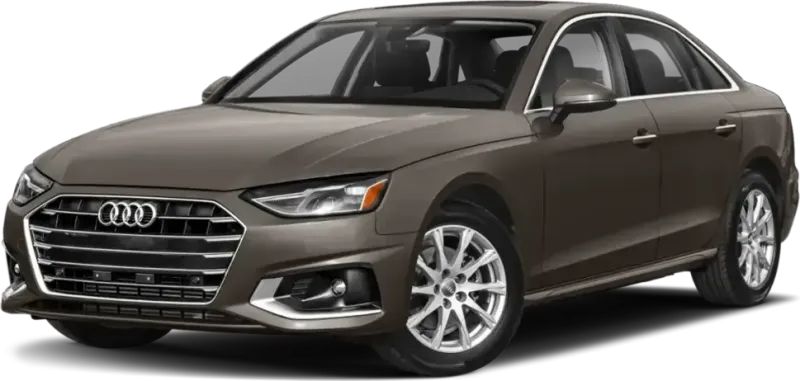
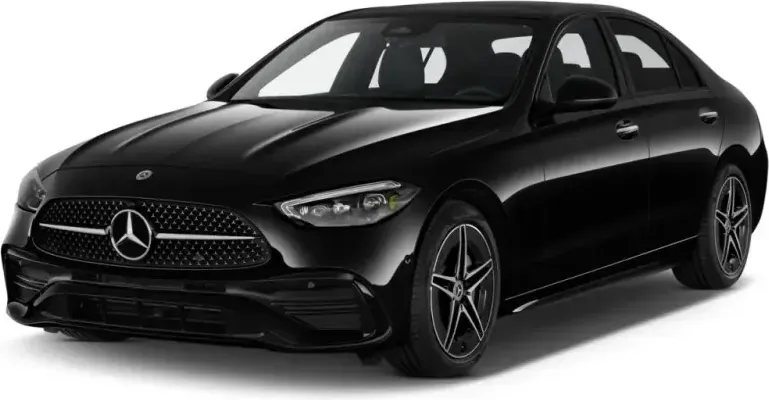
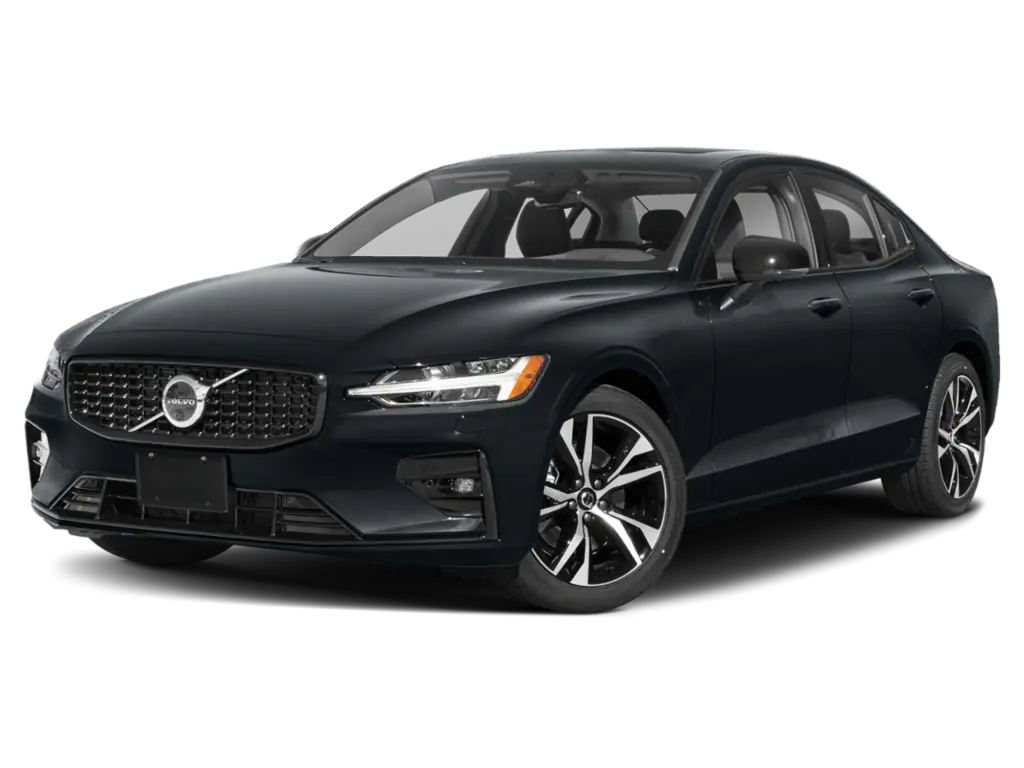
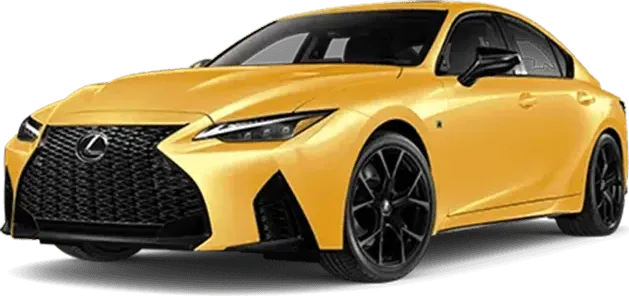
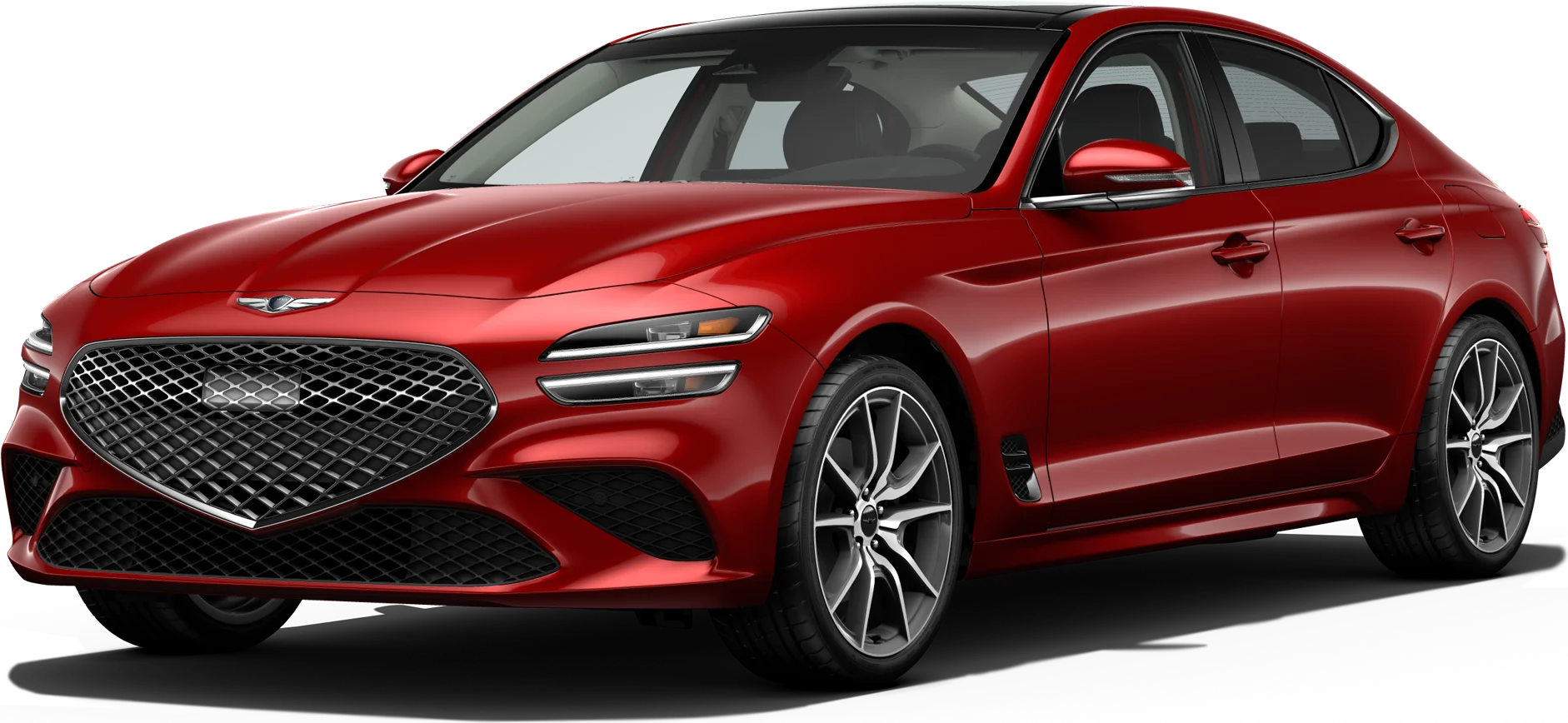
2020 owner complaints, side by side
- Lexus IS3
- Volvo S609
- Genesis G7012
- BMW 3 Series45
- 2020 Acura TLX59
- Audi A4122
- Mercedes-Benz C-Class377