2019 Acura TLX: What to check before buying
Owners have filed 87 complaints with NHTSA about this car, most about the engine, fuel system, and electrical. The 9 checks below target those problems, in the order you would do them at the car.
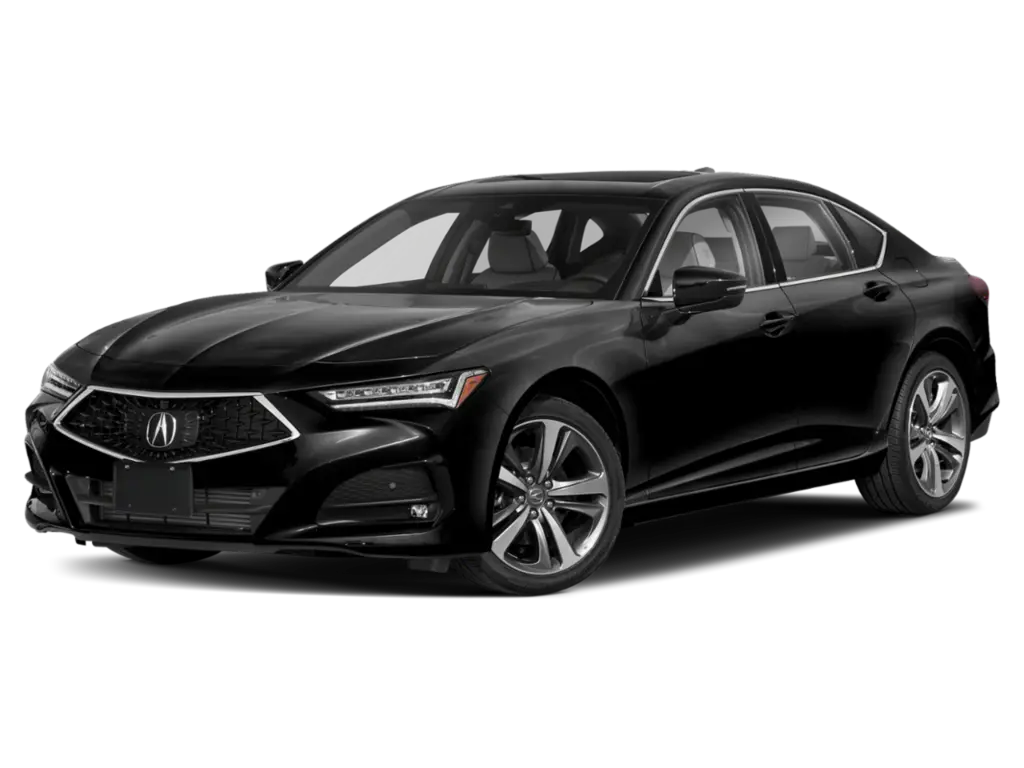 2019
- Owner complaints
- 87
- Recalls
- 5
- Crashes reported
- 7
- 3 injuries
Your inspection sheet
Tick items off on your phone at the car, or print it. Ticks stay on this device.
0/9 checked
2019 Acura TLX: inspection sheet
Paperwork and questions
Before you go, or before you touch the car0/3
Walk-around and cabin
Engine off, key in hand0/1
Cold start, engine bay, and underside
Ask the seller not to warm the car up first0/2
Test drive
At least 20 minutes, with some highway0/3
These checks are specific to this model year. For tires, body panels, fluids, and the other basics every used car needs, use the general inspection guide.
Which TLX is it?
EPA figures for each version of the 2019 Acura TLX. Use them to confirm you are looking at the version that was advertised, and as a yardstick on the test drive.
| Version | Drive | EPA rating |
|---|---|---|
| 2.4L 4-cyl | FWD | 27 mpg |
| 3.5L 6-cyl | AWD, FWD | 23–24 mpg |
- The 2019 Acura TLX was sold in two versions. Confirm which one this is from the window sticker, the engine cover, or the VIN report before you compare prices.
- Reset the trip computer at the start of the drive. A TLX that averages well under the EPA 23 mpg combined on a mixed route may have an engine or tire problem.
Check the odometer against these mileages
Owners report these failures starting around the mileages below. A car inside one of these ranges deserves a closer look at that part, or records showing it was already fixed.
Early stalling and hesitation
5,000–10,000 miles
Rod bearing knock and failure
65,000–95,000 miles
Why these checks: what owners reported
NHTSA complaints for the 2019 Acura TLX, grouped by the part owners named. Open a row to read what goes wrong.
Engine311 crash
Connecting rod bearings wear out and fail. The engine knocks or ticks, then can seize and stall while driving. Reports place this around 65K and 95k miles, and some engines fail again after a replacement engine or short block. A second pattern is the auto idle stop failing to restart the engine at lights. Drivers are left stuck with traffic behind them, and no warning lights come on first. Many complaints are about slow recall repairs: parts unavailable, long waiting lists, and dealers refusing to inspect a car until it actually fails. One complaint involves a crash.
Most of these complaints are about recall parts shortages, not breakdowns. Owners received engine recall notices, sometimes together with a fuel system notice, and could not get the repair because parts were not available. Many were put on dealer waitlists. Nearly all of these owners report no failure. The exception is one fire-related report. It describes a ticking noise at highway speed, a check engine light, a falling fuel gauge, and black smoke coming into the cabin before the driver pulled over.
Fuel system14No crashes
Most complaints here are about recall parts shortages. Owners were notified of a fuel system recall but could not get the repair because parts were not yet available, and most report no failure. The rest describe real faults. One car stalled at a red light after a fuel pump recall repair when a second fuel pump failed, and the owner was told to pay for it. Others report RPM drops and loss of power with a check engine light, and fuel filler system faults that come back after repair.
Fuel pump problems leave cars broken down with warning lights on. Drivers also report jerking under acceleration and hesitation from a stop or while moving, sometimes with less than 10K miles on the car. Owners report high pressure fuel pump failures within 10,000 miles of recall work that replaced only the low pressure pump. Others say dealers do not have parts, or that their VIN does not qualify for a fuel pump recall. Emissions and parking brake warnings show up on a car with under 900 miles, and dealers cannot find the leak the trouble code points to.
Electrical12No crashes
The most common complaints are stalling at idle and the engine not restarting after auto idle stop. Fuel pressure, battery, and other warning lights often come on together. Some cars shift into neutral or lose power while moving, and dealers often cannot reproduce the fault. Emissions system and electric parking brake warnings keep coming back. Less common reports include battery drain and no-start at about 6,000 miles, moisture inside the backup camera, a front parking sensor that false-alarms in rain, and center displays shutting off while driving. Several drivers say they were nearly rear-ended.
Transmission9No crashes
Spun connecting rod bearings kill the engine and leave the car stopped in traffic. In some cases a replacement engine starts knocking the same way. Transmission complaints include dropping into neutral at 45-50 MPH, a 2 to 5 second delay before Drive engages, and hesitation while merging. Paddle downshifts on downhill grades can make the car speed up for a few seconds. Stalling continues for some owners after a software update or fuel pump recall work. Lettering wearing off the gear selector buttons also comes up more than once.
Acceleration and cruise control33 crashes
All three reports describe sudden acceleration at low speed, and all three ended in crashes. The car surges while pulling into a garage, a parking spot, or a driveway. Two drivers say the brakes gave no resistance or did not stop the car. Two people were injured, and airbags deployed in two of the crashes. One incident happened at 28k miles. Drivers report no warning lights beforehand.
Brakes31 crash
In one crash report, the brakes do not slow the car approaching a red light even with the pedal pressed to the floor, and the car hits a stopped vehicle at about 20 MPH. The other two complaints mix brake and engine symptoms. One describes a parking brake system warning and a check engine light at 70900 miles, shortly after fuel recall work. The other describes a thumping noise that gets louder under braking, plus no response from the accelerator, at 47,396 miles.
Body and structure21 crash
The more serious report is a brake failure at a stoplight. The driver says the car did not slow after braking from 35 MPH and rear-ended the last car in line. The other complaint describes the hood lifting and rattling at freeway speeds. With only two complaints, there is no wider pattern in this category.
In owners' own words
Excerpts from complaints TLX owners filed with NHTSA, as written. Listen for the same symptoms on your test drive.
My engine has been replaced under warranty for connecting rod bearings failing before the recall 23V-751 existed. 40,000 miles later it failed again. I have paper work and other information available upon request. The vehicle is currently on it's third short block replaced by Acura. No CEL or anything prior to when the knocking started.
Filed with NHTSA, February 2026
My engine is starting to make a knocking/ticking noise, related to this recall. Very unuasal for a car with 65K miles. My local Acura dealers continue to tell me their waiting on parts??? Both recalls are almost 1 years old. How long should a consumer wait for a known manufacturers defect?
Filed with NHTSA, September 2024
It has camera issues where moisture or liquid can go inside, and it is very hard to see when I backup. I have contacted the dealer bodyshop to fix it since they repaired my bumper, but they said it is not their fault and they want more than $1000 to replace it. I did some research online, and a lot of people are having the same issue with poor quality with this brand. I never had camera issues with other brands.
Filed with NHTSA, August 2023
My engine shuts off while idling, shifts into neutral automatically, and stalls when sitting at a light. This is a huge safety concern for me. My fuel pressure light and battery comes on when it shuts off.
Filed with NHTSA, January 2024
I was pulling on to interstate 5 when attempting lane change I accelerated with no success. The gas pedal was pressed harder and still no acceleration and that went on for at least 3 to 4 seconds. This happens to me every day. I have tried different brands of fuel but always premium and that has made no changes. The vehicle had a fuel system recall which made little if any improvement when it was performed over a year ago.
Filed with NHTSA, May 2021
How the 2019 compares with other TLX years
Complaints for this year next to the average for the other model years, area by area.
The 2019 ranks second for owner complaints among 8 TLX years, about 2.2 times the average of the others. Newer years have had less time to collect complaints, so compare like with like.
- Engine317
- Fuel system142
- Electrical125
- Transmission910
- Acceleration and cruise control30
- Brakes32
Where the 2019 fits in the TLX's history
Redesigns and mid-cycle updates change what can go wrong.
The 2019 is the fifth model year of the TLX's first generation (2015–2020).
It includes the 2018 update.
What changed for 2018
- Revised front fascia
- New infotainment features including Apple CarPlay and Android Auto
- New 'A-Spec' performance trim
Recalls to confirm (5)
Recall repairs are free at any Acura dealer, but the seller may never have had them done. Check each campaign number against the VIN.
23V858000Fuel systemDec 2023
Honda (American Honda Motor Co.) is recalling certain 2013-2023 Honda Accord, Civic Coupe, Civic Sedan, Civic Hatchback, Civic Type R, CR-V, HR-V, Ridgeline, Odyssey, Acura ILX, MDX, MDX Hybrid, RDX, RLX, TLX, 2019-2022 Honda Insight, Passport, 2020 Honda CR-V Hybrid, 2018-2019 Honda Clarity PHEV, Fit, and 2015-2020 Honda Accord Hybrid, Pilot, Acura NSX vehicles. The fuel pump inside the fuel tank may fail.
Risk: Fuel pump failure can cause an engine stall while driving, increasing the risk of a crash.
Fix: Dealers will replace the fuel pump module, free of charge. Owner letters were mailed September 6, 2024. Owners may contact Honda customer service at 1-888-234-2138. Honda's numbers for this recall are KGC and KGD. This recall is an expansion of NHTSA recall numbers 21V-215 and 20V-314.
23V751000EngineNov 2023
Honda (American Honda Motor Co.) is recalling certain 2015-2020 Acura TLX, 2016-2020 Acura MDX, 2016 and 2018-2019 Pilot, 2017 and 2019 Ridgeline, and 2018-2019 Odyssey vehicles. Due to a manufacturing error, the connecting rod bearing in the engine may wear and seize, damaging the engine.
Risk: A damaged engine may run improperly or stall while driving, increasing the risk of a fire, crash, or injury.
Fix: Dealers will inspect and repair, or replace the engine as necessary, free of charge. Owner letters were mailed March 28, 2024. 2016-2017 Acura MDX owner letters were mailed November 1, 2024. 2016-2020 Acura MDX owner letters are expected to be mailed in mid-December 2024. Honda began mailing owner notification letters as of March 18, 2024. 2015-2016 Acura owner letters are expected to be mailed mid-December 2024, 2018 Acura TLX owner letters are expected to be mailed the end of March/early April 2024, 2019 Acura TLX owner letters are expected to be mailed mid-May 2024, 2020 Acura TLX owner letters are expected to be mailed mid-June 2024, and 2016-2020 Acura MDX owner letters are expected to be mailed January 27, 2025. Owners may contact Honda customer service at 1-888-234-2138. Honda's numbers for these recalls are XG1 and GG0.
21V215000Fuel systemMar 2021
Honda (American Honda Motor Co.) is recalling certain 2019-2020 Acura MDX, MDX Sport Hybrid, RDX, TLX, Honda Accord, Civic Hatchback, Insight, 2019 Acura ILX, Honda Accord Hybrid, Civic Coupe, Civic Coupe Si, Civic Sedan, Civic Sedan Si, Civic Type R, Fit, HR-V, Odyssey, Passport, Pilot and Ridgeline, and 2018-2019 CR-V vehicles. The low-pressure fuel pump inside the fuel tank may fail.
Risk: Fuel pump failure can cause an engine stall while driving, increasing the risk of a crash.
Fix: Honda will notify owners, and dealers will replace the fuel pump assembly, free of charge. Owner letters were mailed May 18, 2021. Owners may contact Honda customer service at 1-888-234-2138. Note: This recall is an expansion of recall 20V-314.
19V298000EngineApr 2019
Honda (American Honda Motor Co.) is recalling certain 2018-2019 Acura MDX and Honda Pilot vehicles and 2019 Acura RLX, RLX Sport Hybrid, TLX and Honda Odyssey and Ridgeline vehicles. The timing belt teeth may separate from the belt.
Risk: Teeth separation from the timing belt may result in an engine stall, increasing the risk of crash.
Fix: Honda will notify owners, and dealers will inspect the vehicle and replace any affected timing belt free of charge. Vehicles receiving a replacement timing belt will also have the engine inspected and any damaged components will be replaced for free. The recall began June 7, 2019. Honda owners may contact customer service at 1-888-234-2138. Honda's number for this recall is L4M. Acura owners may contact customer service at 1-888-234-2138. Acura's number for this recall is Z4L.
19V060000Fuel systemJan 2019
Honda (American Honda Motor Co.) is recalling certain 2016-2018 Acura MDX, 2015-2019 Acura TLX and 2015-2017 Honda Accord vehicles, equipped with a 3.5L V6 engine. Particulates in fuel may adhere to the internal components of the fuel pump, reducing its performance.
Risk: Reduced fuel pump performance can result in an engine stall, increasing the risk of crash.
Fix: Honda will notify owners, and dealers will update the fuel injection engine control unit (FI-ECU) software and, if necessary, replace the fuel pump, free of charge. The recall began March 25, 2019. Owners may contact customer service at 1-888-234-2138. Acura's recall number for this recall is P3W. Honda's recall number for this recall is N3X.
Also looking at these instead of a TLX?
Cars shoppers compare with the Acura TLX, with their own 2019 checklists.
2019 owner complaints, side by side
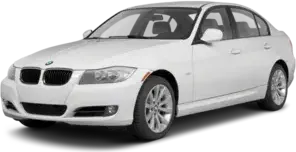
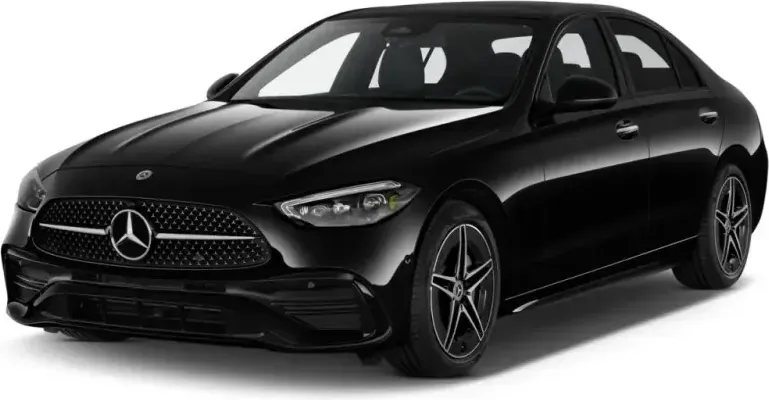
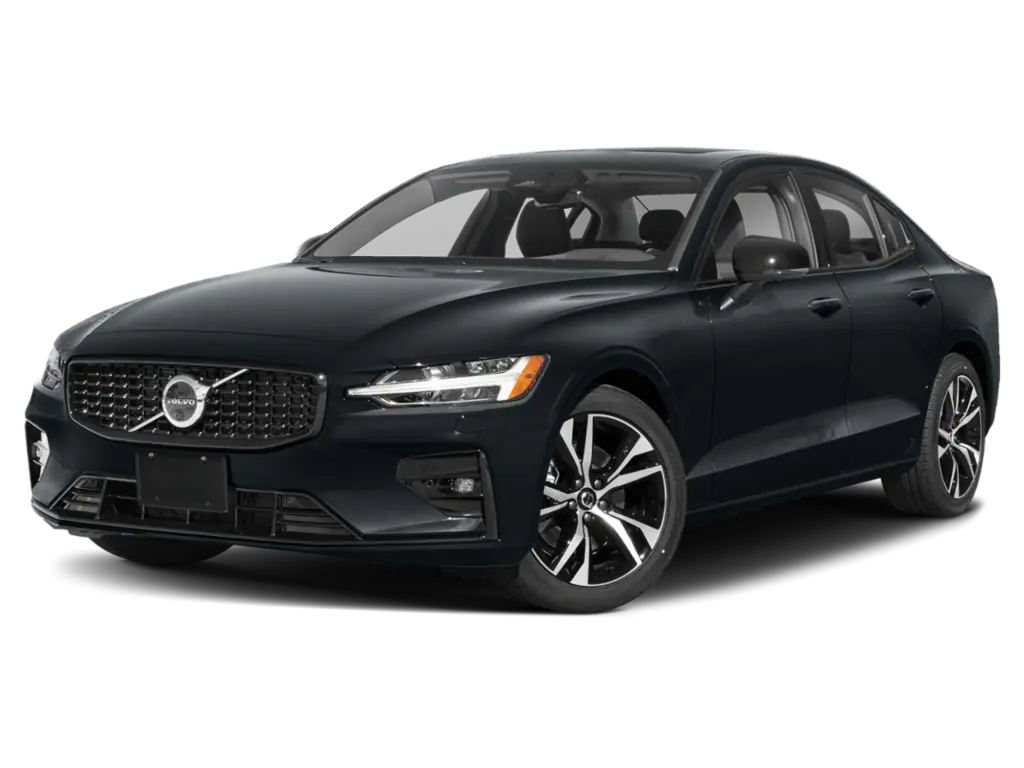
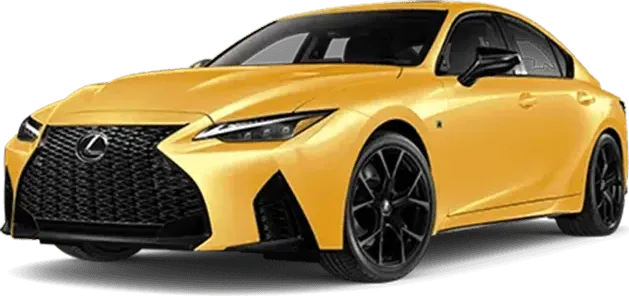
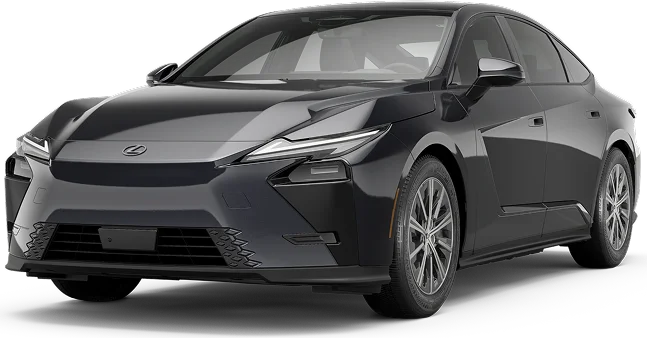
- Lexus IS8
- Volvo S6023
- Lexus ES33
- BMW 3 Series34
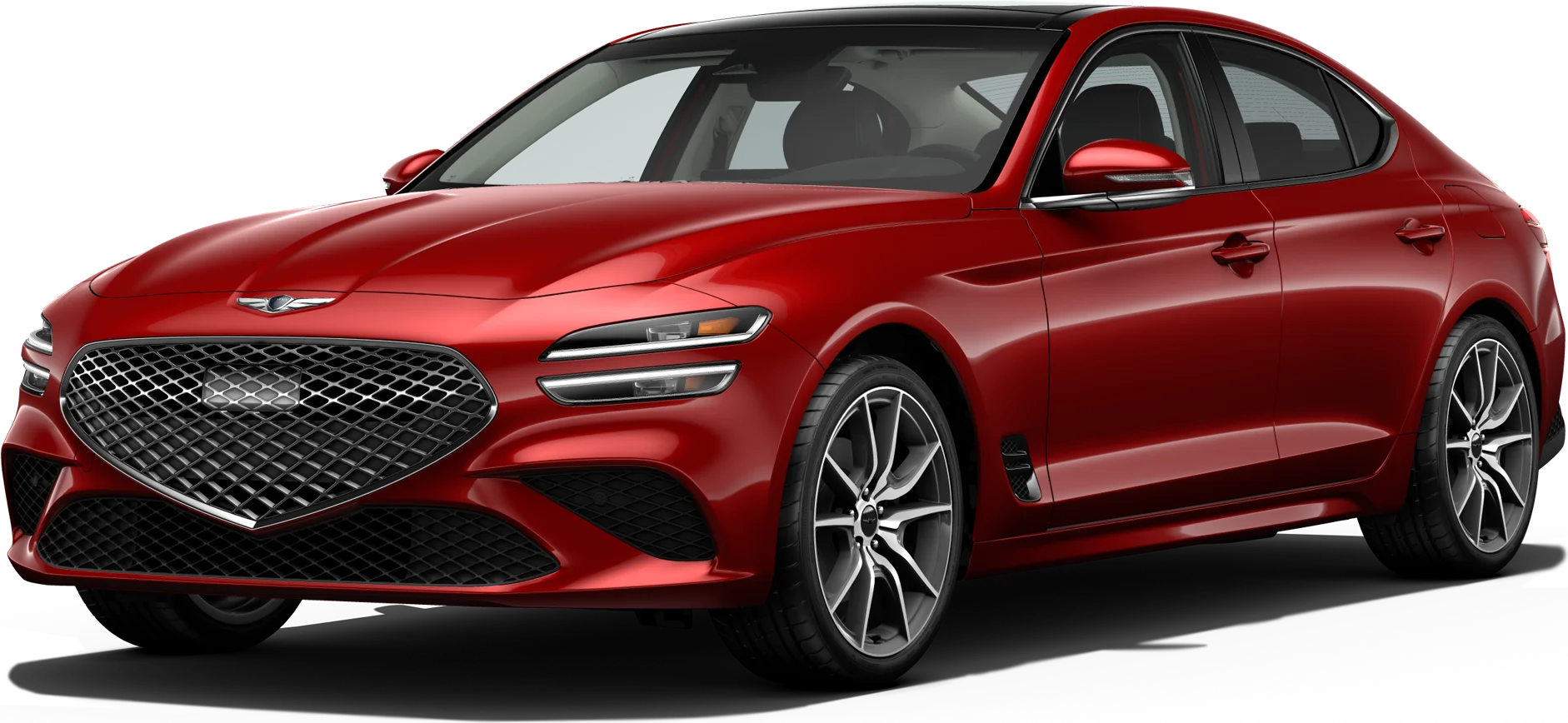
- Genesis G7057
- 2019 Acura TLX87
- Mercedes-Benz C-Class477