2018 Acura TLX: What to check before buying
Owners have filed 90 complaints with NHTSA about this car, most about the engine, electrical, and transmission. The 9 checks below target those problems, in the order you would do them at the car.
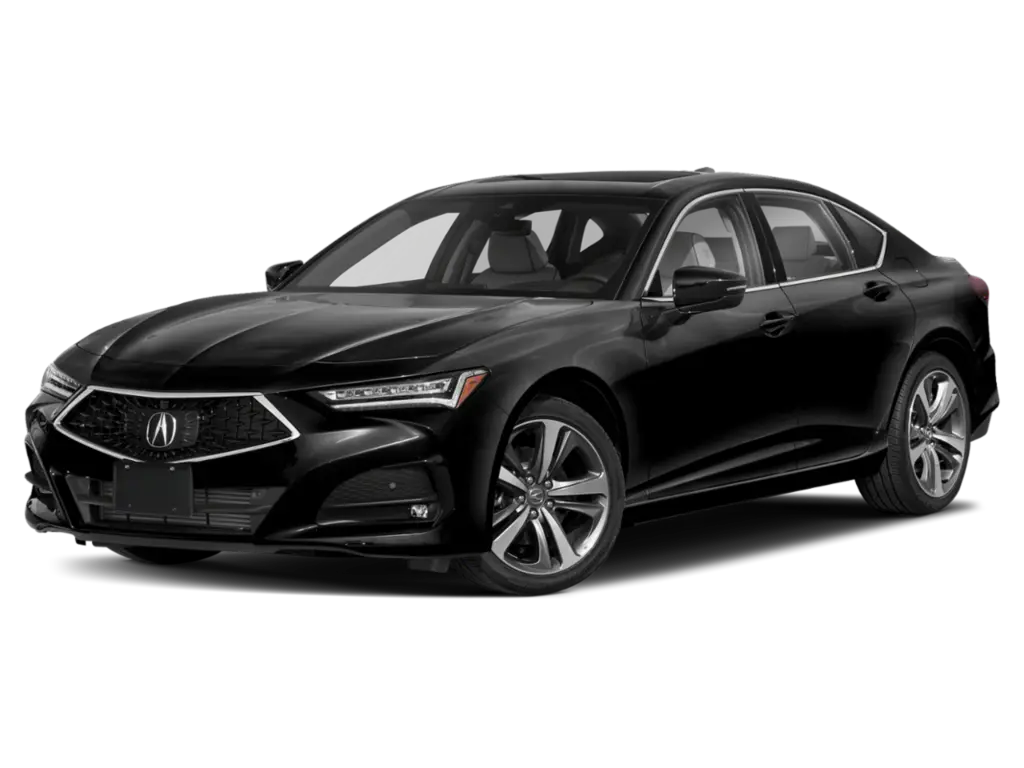 2018
- Owner complaints
- 90
- Recalls
- 3
- Crashes reported
- 3
- 2 injuries
Your inspection sheet
Tick items off on your phone at the car, or print it. Ticks stay on this device.
0/9 checked
2018 Acura TLX: inspection sheet
Paperwork and questions
Before you go, or before you touch the car0/3
Cold start, engine bay, and underside
Ask the seller not to warm the car up first0/2
Test drive
At least 20 minutes, with some highway0/4
These checks are specific to this model year. For tires, body panels, fluids, and the other basics every used car needs, use the general inspection guide.
Which TLX is it?
EPA figures for each version of the 2018 Acura TLX. Use them to confirm you are looking at the version that was advertised, and as a yardstick on the test drive.
| Version | Drive | EPA rating |
|---|---|---|
| 2.4L 4-cyl | FWD | 27 mpg |
| 3.5L 6-cyl | AWD, FWD | 24 mpg |
- The 2018 Acura TLX was sold in two versions. Confirm which one this is from the window sticker, the engine cover, or the VIN report before you compare prices.
- Reset the trip computer at the start of the drive. A TLX that averages well under the EPA 24 mpg combined on a mixed route may have an engine or tire problem.
Check the odometer against these mileages
Owners report these failures starting around the mileages below. A car inside one of these ranges deserves a closer look at that part, or records showing it was already fixed.
Connecting rod bearing failure
68,880–88,000 miles
Why these checks: what owners reported
NHTSA complaints for the 2018 Acura TLX, grouped by the part owners named. Open a row to read what goes wrong.
Engine28No crashes
Connecting rod bearings fail. The usual warning is a ticking or knocking that gets louder until the engine seizes, loses power, or stalls at highway speed. Several cars drop into neutral or limp mode, and dealers often replace the whole engine. One failure came at 88,000 miles, and an out-of-warranty repair was quoted at $20k. A separate pattern involves the auto idle stop failing to restart the engine at lights. One dealer fixed this with a software update. Some owners also hear a rattle on cold starts that dealers cannot reproduce.
Most of these filings are about a pending recall repair for connecting rod failure. Owners say parts are on backorder and dealers cannot do the work. Some engines fail while owners wait: knocking that speeds up with the throttle, rough idle, loss of power, and stalls that will not restart. One stall at roughly 107,000 miles came with a seized steering wheel. A few owners report the engine failing again years after a repair, including one with blown pistons and leaking oil.
Electrical15No crashes
The engine stalls at intersections when auto idle stop fails to restart, and the car shifts itself into neutral. Dealers often blame a weak battery. Other cars shut off at random while moving and lose power steering. Some refuse to start: the key fob is not recognized, or the starter ticks rapidly while the dash lights flicker. Groups of warnings appear together, including electric parking brake, emissions, stability, and driver-assist faults, and one car had an ABS module fault. The alarm going off for no reason is common. One buyer found the title branded for mileage tampering.
Transmission101 crash
Engine knocking and rod failure show up here too. One rod snapped and holed the block at 68,880 miles. Dealers are slow: one owner faced a 15-month wait for a recall inspection, and another was told to keep driving a knocking engine. On the transmission side, owners report a hard bang into second gear on the first drive of the day and rough shifting between 30 and 45 mph. Worn labels on the push-button shifter led drivers to press the wrong button, and the car rolled. One crash with an injury followed sudden acceleration while parking.
Fuel system7No crashes
Fuel pump failures send the car into limp mode, cause stalls, or cap speed at about 15 to 20 mph, with the dash lighting up. One four-cylinder car lost its fuel pump module at 55,000 miles. A mechanic said he sees many high-pressure fuel pump failures. One owner says stalling continued after a fuel pump recall repair. Others describe jerking and hesitation when accelerating and surging at idle, with no codes and no diagnosis from the dealer. One new car was sold with an open recall the dealer had said was fixed.
Steering6No crashes
The rear steering actuator fails. Warnings come on all at once for brakes, stability, lane keeping, cruise control, all-wheel steer, and power steering. Speed is limited to about 50 mph, and the steering wheel sits off-center or the car jerks to one side. Dealers quote $5,100 to $6,000 and refuse to cover it. One car had a failed weld on the front right lower control arm. Another had the steering seize during turns along with a stiff brake pedal. A seizing engine can also take out power steering.
Automatic emergency braking4No crashes
Driver-assist warnings for collision mitigation, adaptive cruise, lane keeping, and road departure light up together. Shops trace them to the front bumper sensor or the windshield camera. One car failed at 54,000 miles, and another failed right after a wheel alignment, with recalibration not clearing the lights. More serious are false stops: the collision system slams on full braking at about 20 mph with nothing ahead. Owners say they could have been rear-ended, and one now turns the feature off on every drive.
Brakes2No crashes
There are two reports. In one, the car vibrates under braking at highway speed and when coming to a full stop. In the other, the brake sensing system brought the car to a sudden, grinding halt on a city street with no vehicle close ahead. The driver was thrown toward the wheel and loose items flew onto the floor. Nobody was hit, but a car following closely would have been at risk.
Seat belts2No crashes
Neither report is about the seat belts. One owner describes the collision mitigation braking system stopping the car hard with no cars ahead, 12 times so far. One of those stops nearly caused a rear-end crash with a passenger aboard, and dealers found nothing wrong. The other owner says the rear lower anchors for child seats sit too far under the seat to reach, which makes installing a seat for a young child impractical.
In owners' own words
Excerpts from complaints TLX owners filed with NHTSA, as written. Listen for the same symptoms on your test drive.
The engine has been making rattling noises when you start the vehicle from a long rest, mostly over night, since it has about 24k miles on it, when I purchased it used. I noticed it some time after I purchased it. Took it to Honda dealer in Hickory, NC, but they couldn't hear it. Later also took it to Acura dealer in Charlotte, NC. They couldn't hear it either. I recorded the sound and played it back to them.
Filed with NHTSA, January 2026
While on the interstate, the Vehicles check engine light began blinking and the car lost power. Trying to accelerate the vehicle wouldn’t speed up and began sputtering. I had to maneuver to the shoulder without causing an accident. The car was making a knock/rattle while trying to accelerate. Acura dealership service department quoted me $20k repair for the engine.
Filed with NHTSA, June 2023
When I press the start button with my key fob in range and with a new battery, the car won't start, but makes a rapid "ticking" noise while all of the dashboard lights flicker and other interior and exterior lights turn on. Despite repeated attempts over several hours, the car will not start.
Filed with NHTSA, July 2021
I have a 2018 Acura tlx 6 cyl with 39k miles on it. Transmission bangs Into second gear when I first start driving the car each day. I brought to the dealership. Had codes updated and did a transmission service with no succsess. Dealership stated They can’t do anything else without tripping a code. I know this is a known issue but can’t get It resolved. All maintenance is up to date on car.
Filed with NHTSA, April 2023
UNKNOWN - Called to schedule safety recall inspection and remedy, was told there is a waiting list for 15 months. Cannot inspect my car until September 2025
Filed with NHTSA, June 2024
This unit had recall for the fuel pump and even after the recall was completed . The car is still doing the same thing . It stalls out I tried to reach out to the manufacturer and nothing has been done ..
Filed with NHTSA, July 2022
How the 2018 compares with other TLX years
Complaints for this year next to the average for the other model years, area by area.
The 2018 has the most owner complaints of the 8 TLX years we cover, about 2.3 times the average of the others. Newer years have had less time to collect complaints, so compare like with like.
- Engine287
- Electrical154
- Transmission1010
- Fuel system73
- Steering61
- Automatic emergency braking42
Where the 2018 fits in the TLX's history
Redesigns and mid-cycle updates change what can go wrong.
The 2018 is the fourth model year of the TLX's first generation (2015–2020).
It is also the first year of a mid-cycle update.
What changed for 2018
- Revised front fascia
- New infotainment features including Apple CarPlay and Android Auto
- New 'A-Spec' performance trim
Recalls to confirm (3)
Recall repairs are free at any Acura dealer, but the seller may never have had them done. Check each campaign number against the VIN.
23V858000Fuel systemDec 2023
Honda (American Honda Motor Co.) is recalling certain 2013-2023 Honda Accord, Civic Coupe, Civic Sedan, Civic Hatchback, Civic Type R, CR-V, HR-V, Ridgeline, Odyssey, Acura ILX, MDX, MDX Hybrid, RDX, RLX, TLX, 2019-2022 Honda Insight, Passport, 2020 Honda CR-V Hybrid, 2018-2019 Honda Clarity PHEV, Fit, and 2015-2020 Honda Accord Hybrid, Pilot, Acura NSX vehicles. The fuel pump inside the fuel tank may fail.
Risk: Fuel pump failure can cause an engine stall while driving, increasing the risk of a crash.
Fix: Dealers will replace the fuel pump module, free of charge. Owner letters were mailed September 6, 2024. Owners may contact Honda customer service at 1-888-234-2138. Honda's numbers for this recall are KGC and KGD. This recall is an expansion of NHTSA recall numbers 21V-215 and 20V-314.
23V751000EngineNov 2023
Honda (American Honda Motor Co.) is recalling certain 2015-2020 Acura TLX, 2016-2020 Acura MDX, 2016 and 2018-2019 Pilot, 2017 and 2019 Ridgeline, and 2018-2019 Odyssey vehicles. Due to a manufacturing error, the connecting rod bearing in the engine may wear and seize, damaging the engine.
Risk: A damaged engine may run improperly or stall while driving, increasing the risk of a fire, crash, or injury.
Fix: Dealers will inspect and repair, or replace the engine as necessary, free of charge. Owner letters were mailed March 28, 2024. 2016-2017 Acura MDX owner letters were mailed November 1, 2024. 2016-2020 Acura MDX owner letters are expected to be mailed in mid-December 2024. Honda began mailing owner notification letters as of March 18, 2024. 2015-2016 Acura owner letters are expected to be mailed mid-December 2024, 2018 Acura TLX owner letters are expected to be mailed the end of March/early April 2024, 2019 Acura TLX owner letters are expected to be mailed mid-May 2024, 2020 Acura TLX owner letters are expected to be mailed mid-June 2024, and 2016-2020 Acura MDX owner letters are expected to be mailed January 27, 2025. Owners may contact Honda customer service at 1-888-234-2138. Honda's numbers for these recalls are XG1 and GG0.
19V060000Fuel systemJan 2019
Honda (American Honda Motor Co.) is recalling certain 2016-2018 Acura MDX, 2015-2019 Acura TLX and 2015-2017 Honda Accord vehicles, equipped with a 3.5L V6 engine. Particulates in fuel may adhere to the internal components of the fuel pump, reducing its performance.
Risk: Reduced fuel pump performance can result in an engine stall, increasing the risk of crash.
Fix: Honda will notify owners, and dealers will update the fuel injection engine control unit (FI-ECU) software and, if necessary, replace the fuel pump, free of charge. The recall began March 25, 2019. Owners may contact customer service at 1-888-234-2138. Acura's recall number for this recall is P3W. Honda's recall number for this recall is N3X.
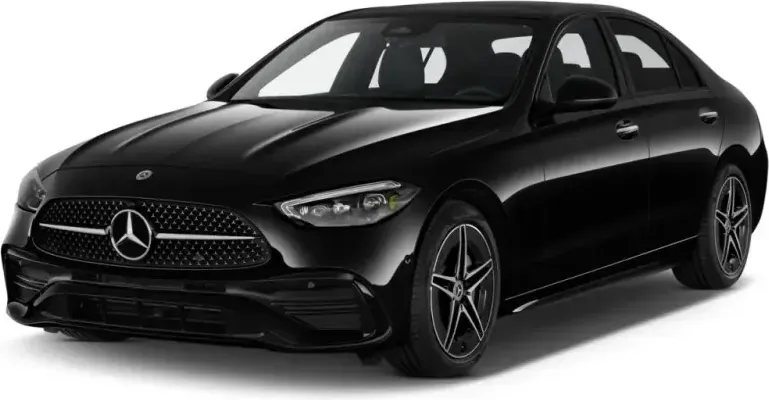
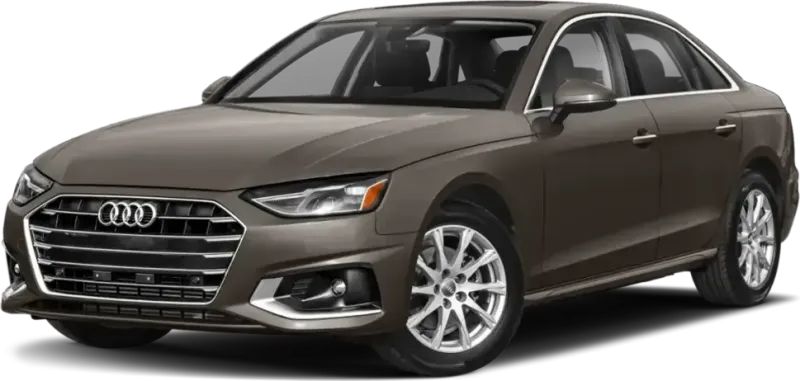
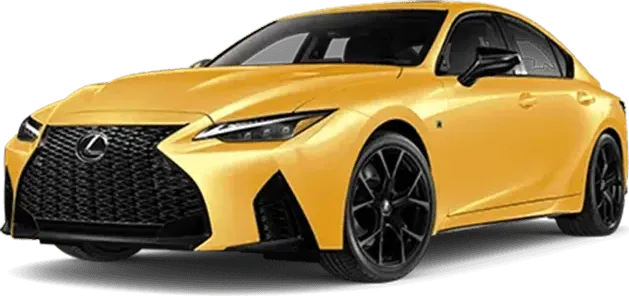
Also looking at these instead of a TLX?
Cars shoppers compare with the Acura TLX, with their own 2018 checklists.
2018 owner complaints, side by side
- Lexus IS6
- Lexus ES10
- Audi A435
- BMW 3 Series58
- 2018 Acura TLX90
- Mercedes-Benz C-Class518
- Tesla Model 3951