2018 Acura RDX: What to check before buying
Owners have filed 71 complaints with NHTSA about this car, most about the fuel system, transmission, and electrical. The 9 checks below target those problems, in the order you would do them at the car.
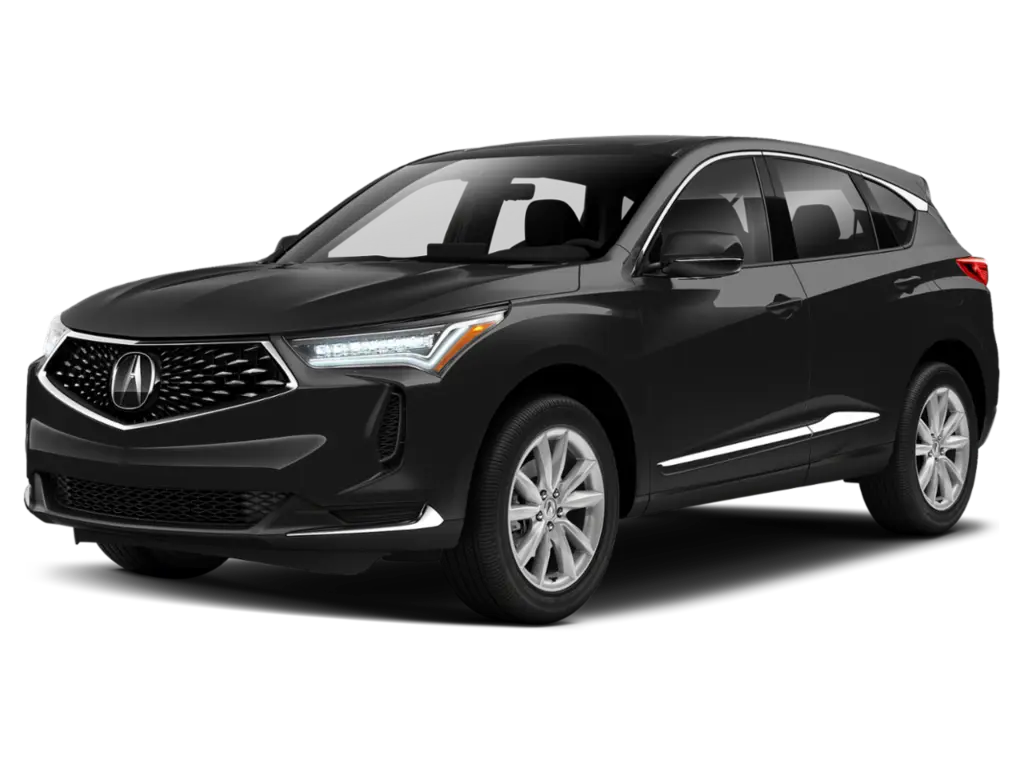 2018
- Owner complaints
- 71
- Recalls
- 1
- Crashes reported
- 5
- 3 injuries
Your inspection sheet
Tick items off on your phone at the car, or print it. Ticks stay on this device.
0/9 checked
2018 Acura RDX: inspection sheet
Paperwork and questions
Before you go, or before you touch the car0/3
Cold start, engine bay, and underside
Ask the seller not to warm the car up first0/2
Test drive
At least 20 minutes, with some highway0/4
These checks are specific to this model year. For tires, body panels, fluids, and the other basics every used car needs, use the general inspection guide.
Which RDX is it?
EPA figures for each version of the 2018 Acura RDX. Use them to confirm you are looking at the version that was advertised, and as a yardstick on the test drive.
| Version | Drive | EPA rating |
|---|---|---|
| 3.5L 6-cyl | AWD, FWD | 22–23 mpg |
- Reset the trip computer at the start of the drive. A RDX that averages well under the EPA 22 mpg combined on a mixed route may have an engine or tire problem.
Why these checks: what owners reported
NHTSA complaints for the 2018 Acura RDX, grouped by the part owners named. Open a row to read what goes wrong.
Fuel system27No crashes
Waiting on a fuel system recall repair is the main theme. Most reports describe getting a recall notice, then hearing from one or several dealers that the part is not available, and many of these owners have had no failure yet. A smaller group reports symptoms while they wait: jerking, sputtering, near-stalling, and hard starts. Some see a yellow warning light or several warning lights at once. Losing power at speed and stalling in traffic are the main crash risks described.
Hesitation and bogging when accelerating or merging are the main symptoms, along with jerking at about 20 mph, failure to start, and lost drive power. Several owners say the problem gets worse over time. Most reports, though, focus on a fuel pump recall notice and dealers saying replacement parts are unavailable. Owners describe waits of months, being put on a list, and dealers who never received the parts. Losing power while merging into traffic is a clear crash risk.
Transmission10No crashes
Harsh, jerky shifting and hesitation lead these reports. Drivers describe hard shifts around 20 mph, delayed engagement, slipping into neutral, and the engine racing without pulling away when they try to accelerate into traffic. Some see a flashing D indicator, a check transmission message, and the check engine light. Dealers often cannot reproduce the problem, and several owners say symptoms came back or got worse after a software update or torque converter replacement. Separate reports describe the car rolling away on an incline and injuring a person, and rear propeller shaft bolts backing out.
Electrical6No crashes
Intermittent no-starts and hesitation lead these reports. Dashboard lights flicker, the start button clicks, and the engine will not turn over. Others describe jerking around 20 mph after stops and stalling on the highway. In one case a faulty control unit was found and the replacement part was backordered. Other complaints cover a security alarm that goes off repeatedly while parked, which a mechanic blamed on the body control module, and failures of adaptive cruise control, navigation, and CarPlay. Rodent-chewed wiring also appears. Dealers often cannot reproduce these faults.
Acceleration and cruise control5No crashes
Lurching forward or backward when shifting into gear or touching the gas from a stop is the common complaint. Drivers also describe a hesitation followed by a sudden surge between first and second gear, and stalling or losing power while cornering at low speed. Unintended acceleration while pulling into a parking space is also reported. Dealers often cannot reproduce the problem. These unexpected surges at lights, in garages, and in parking lots carry a real collision risk.
Body and structure31 crash
Rollaways, rodent damage, and a shattered sunroof make up this small group, with no shared pattern. In one injury crash, the car rolled backward down a hill after the engine was shut off from the passenger side, knocked a person down, and hit a tree. Another report describes acorns jamming the shifter so it would not return to Park, plus a fuel line chewed by animals. A third describes the glass sunroof shattering at highway speed with no sign of impact.
Brakes3No crashes
Unintended acceleration while pressing the brake pedal appears in two reports, one of which says it happened on more than one occasion. Neither report mentions a crash. A third report describes brake lights that did not work. According to that owner, the dealer said the car came without a relay for the brake lights and installed one taken from another car. Brake lights that do not work raise the risk of being rear-ended.
Engine3No crashes
Hesitation and power loss when accelerating dominate these reports. Sometimes a sudden lunge forward follows while the driver is changing lanes or passing. One owner ties the symptoms to the torque converter and reports a flashing red check transmission light. Getting a repair is a common frustration. Dealers could not duplicate the failure, or said parts were short and only cars with active problems were being fixed. One failure appeared at approximately 34,700 miles. Losing power while merging or passing is the main safety risk.
Seats21 crash
Seatback failure in a high-speed rear-end crash is the serious report here. The seat shifted far enough that the driver slipped under the seatbelt into the rear of the cabin and was injured. The other report describes strong fumes from the artificial leather that caused dizziness bad enough to make driving unsafe. Ventilation and deep cleaning did not help, and the owner says the manufacturer declined to act.
In owners' own words
Excerpts from complaints RDX owners filed with NHTSA, as written. Listen for the same symptoms on your test drive.
The car hesitates to start and while driving jerks at around 20mph. This happened a few times in the last year. When taken to dealer, because they could not reproduce incident, said it can’t be diagnosed. I told them it jerks when accelerating at around 20mph and keeps doing it every time I have to stop at light and go again.
Filed with NHTSA, September 2024
The vehicles adaptive cruise control is unreliable. Guidance system goes haywire and cannot stay on track to destination. Carplay becomes inoperable. Have had Tameron Eastern Shore Honda who sold car to me check problem on multiple occasions and they cannot find problem.
Filed with NHTSA, April 2023
My car lurches when I put it into gear, drive or reverse. When a red light turns green and I put my foot on the accelerator the car will lurch forward. I was in my garage when I started my car and my foot was firmly on the brake as I shifted into reverse with my foot on the brake the car violently lurched backwards.
Filed with NHTSA, August 2023
When I am stopped the vehicle routinely lurches as I touch the gas. I’ve complained to the dealer about it and they can’t reproduce the problem. It does lurch for my husband also. It hasn’t caused any injuries or damage, so far.
Filed with NHTSA, February 2023
How the 2018 compares with other RDX years
Complaints for this year next to the average for the other model years, area by area.
The 2018 ranks fourth for owner complaints among 7 RDX years, well under the average of the others. Newer years have had less time to collect complaints, so compare like with like.
- Fuel system273
- Transmission1011
- Electrical69
- Acceleration and cruise control53
- Body and structure310
- Brakes35
Where the 2018 fits in the RDX's history
Redesigns and mid-cycle updates change what can go wrong.
The 2018 is the sixth model year of the RDX's second generation (2013–2018).
It includes the 2016 update.
What changed for 2016
- More powerful revised 3.5-liter V6
- New LED headlamps and LED taillamps
- Updated driver assists in AcuraWatch package
Recalls to confirm (1)
Recall repairs are free at any Acura dealer, but the seller may never have had them done. Check each campaign number against the VIN.
23V858000Fuel systemDec 2023
Honda (American Honda Motor Co.) is recalling certain 2013-2023 Honda Accord, Civic Coupe, Civic Sedan, Civic Hatchback, Civic Type R, CR-V, HR-V, Ridgeline, Odyssey, Acura ILX, MDX, MDX Hybrid, RDX, RLX, TLX, 2019-2022 Honda Insight, Passport, 2020 Honda CR-V Hybrid, 2018-2019 Honda Clarity PHEV, Fit, and 2015-2020 Honda Accord Hybrid, Pilot, Acura NSX vehicles. The fuel pump inside the fuel tank may fail.
Risk: Fuel pump failure can cause an engine stall while driving, increasing the risk of a crash.
Fix: Dealers will replace the fuel pump module, free of charge. Owner letters were mailed September 6, 2024. Owners may contact Honda customer service at 1-888-234-2138. Honda's numbers for this recall are KGC and KGD. This recall is an expansion of NHTSA recall numbers 21V-215 and 20V-314.
Also looking at these instead of a RDX?
Cars shoppers compare with the Acura RDX, with their own 2018 checklists.
2018 owner complaints, side by side
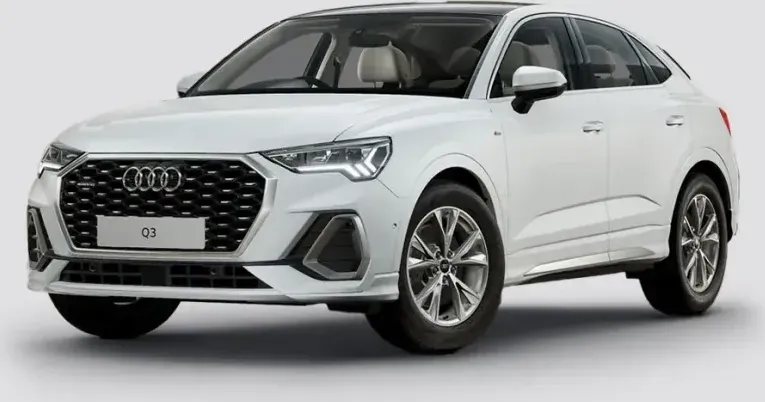
- Audi Q325
- Porsche Macan29
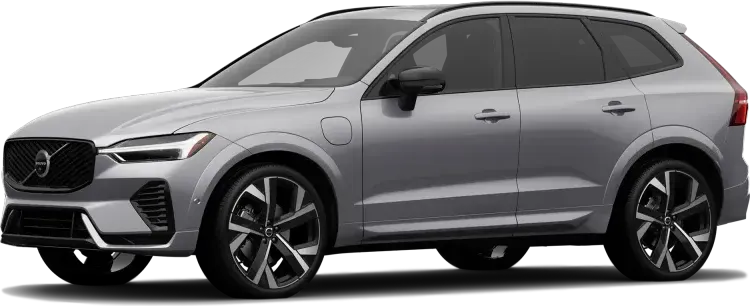
- Volvo XC6035
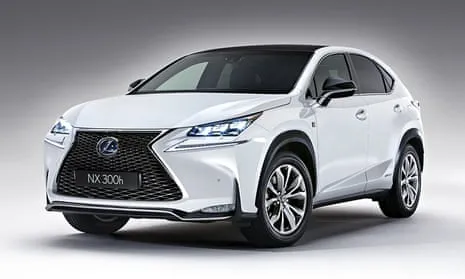
- Lexus NX36
- BMW X156
- 2018 Acura RDX71
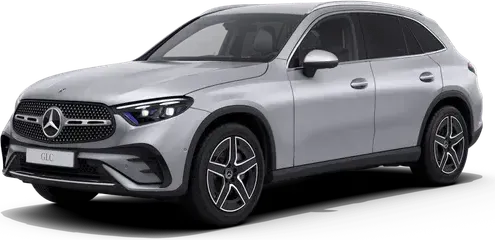
- Mercedes-Benz GLC95