Used Car Checklists

2018 Volvo XC90: What to check before buying

Owners have filed 40 complaints with NHTSA about this car, most about the electrical, body and structure, and wipers and visibility. The 9 checks below target those problems, in the order you would do them at the car.

Volvo XC902018
Owner complaints
40
Recalls
3
Crashes reported
1
2 injuries
Reliability
Good
71/100 on Auto Reliability Index

Run the VIN before you go

A history report shows accidents, title brands, odometer readings, and open recalls for this 2018 Volvo XC90. Ask the seller for the VIN; it is also on the dash at the base of the windshield.

Your inspection sheet

Tick items off on your phone at the car, or print it. Ticks stay on this device.

These checks are specific to this model year. For tires, body panels, fluids, and the other basics every used car needs, use the general inspection guide.

Reported on other XC90 years with the same design

These years share the 2018's design and most of its parts, so their problems are the ones to look for on this car too.

2019 XC90

31 owner complaints
  • Electrical 7
  • Brakes 5
  • Engine 4

Worth adding to your 2018 checks

  • Run the AC on max for ten minutes. Confirm cold air from front and rear vents and no refrigerant smell.
  • Inspect the center console and exterior door handle chrome for peeling or sharp edges.
  • Check the headliner, footwells, and carpets for water stains or dampness, and make sure the sunroof opens and closes.

Open the 2019 checklist

2020 XC90

24 owner complaints
  • Electrical 5
  • Brakes 4
  • Door latches and locks 2

Worth adding to your 2018 checks

  • On a long test drive, watch the instrument cluster for flickering, blank screens, or missing gauges.
  • Check the headliner, carpets, and footwells for water stains, dampness, or a mildew smell from sunroof leaks.
  • Open and close every door from inside and outside, and confirm each one latches flush on the first try.
Open the 2020 checklist

2021 XC90

17 owner complaints
  • Electrical 4
  • Brakes 2
  • Steering 2

Worth adding to your 2018 checks

  • Drive at highway speed and watch for a turtle icon, reduced-power warnings, or a sudden loss of acceleration.
  • Ask for dealer records of software updates or repairs for hybrid, powertrain, infotainment, or parking brake faults.
  • Brake firmly from highway speed and feel for shudder or vibration through the pedal and body.
Open the 2021 checklist

Which XC90 is it?

EPA figures for each version of the 2018 Volvo XC90. Use them to confirm you are looking at the version that was advertised, and as a yardstick on the test drive.

VersionDriveEPA rating
2.0L 4-cylGasAWD, FWD24–25 mpg
2.0L 4-cylPlug-in hybridAWD380 mi range
  • The 2018 Volvo XC90 was sold in two versions. Confirm which one this is from the window sticker, the engine cover, or the VIN report before you compare prices.
  • On the plug-in hybrid, watch for the car moving off on electric power at low speed and for any hybrid system warning on the dash.
  • Reset the trip computer at the start of the drive. A XC90 that averages well under the EPA 24 mpg combined on a mixed route may have an engine or tire problem.

Why these checks: what owners reported

NHTSA complaints for the 2018 Volvo XC90, grouped by the part owners named. Open a row to read what goes wrong.

  • Electrical7No crashes

    Water getting inside causes the most serious faults. Leaks at the windshield or sunroof seal drip down behind the rearview mirror and make the center display glitch. Water can also reach the transmission module, which then fails on the highway. The engine surges, warnings say the gear lever is locked, and the car has to be towed. Other reports describe the tailgate opening by itself, a recurring 12V battery charging fault, a frozen center screen, a no-start traced to a starter motor fuse near 101,000 miles, and squealing brakes.

  • Body and structure4No crashes

    Rear doors can open while driving in cold weather, even when the dash shows them closed and locked. A driver's door handle can snap off, which makes getting out difficult. The panoramic sunroof leaks water into the cargo area and the compartment over the battery. Water also comes in near the rearview mirror, soaking the dash, screen, and shifter, and onto the second-row seat. The secondary hood release cable can fail and leave the hood stuck shut. A service bulletin covers it, but owners report being asked to pay.

  • Wipers and visibility31 crash

    The backup camera image can be slow to appear after shifting into reverse. Owners blame the slow infotainment system, and this complaint is flagged as crash-related. Wipers can also switch on by themselves, and a technical service bulletin covers this. Owners warn the wipers may stop working entirely soon after. One out-of-warranty repair near 38,000 miles cost more than $1,500. A separate report describes a windshield that cracked from an almost invisible chip on a car with very low mileage.

  • Transmission3No crashes

    The electric rear axle drive (ERAD) can fail without warning. The car either makes a loud whine from the rear and becomes undriveable or locks up and screeches to a stop on the road. One report involves a T8. Repairs can cost close to what the car is worth, and a replacement unit can fail again. One dealer blamed improper earlier service for a repeat failure. Separately, the car can lurch forward without any throttle when the engine restarts from auto stop-start, nearly causing collisions.

  • Engine3No crashes

    Sudden shutdowns are the main pattern. The motor can cut out right after starting or while driving, sometimes after a low-performance warning, and the dashboard may go black. Restarting is slow or difficult. In one case the fault traces to the fuel filler pipe and low fuel pressure, and the repair needs a software calibration. A cracked coolant bleeder hose on the supercharger causes a sudden coolant leak and overheating, and the car will not go past 20 mph. Owners report Volvo declining goodwill repairs.

  • Brakes3No crashes

    Pads and rotors wear out unusually fast, often well before owners expect. Some cars need new brakes all around at low mileage, and the rear brakes can wear out before the fronts. Dealers either call it normal wear or a known issue and quote about $1,000 to fix it. Brake booster failure is a more dangerous problem. It starts with a hissing sound, then the pedal turns very hard and the car becomes difficult to stop. A Volvo specialist confirms the booster failure and replaces it.

  • Steering2No crashes

    Neither complaint involves steering parts. Water leaking in at the rearview mirror, which owners link to the panoramic sunroof, reaches the driver-assist computer mounted there. Pilot Assist and other electrical systems then malfunction, and the problem returns after a dealer visit. The other report describes the car shutting off at random while driving, in intersections, or at a stop. The dash sometimes goes black and an "engine not in P" message appears, which creates a real risk of being hit in traffic.

  • Fuel system2No crashes

    A leaking fuel filler pipe turns on the check engine light, usually while the car still has low mileage. The repair does not always last, and one car needs three replacement pipes. A dealer replaces the part under warranty and calls it a common problem. The same part also appears in engine complaints, where a filler pipe fault comes with the engine cutting out.

In owners' own words

Excerpts from complaints XC90 owners filed with NHTSA, as written. Listen for the same symptoms on your test drive.

Body and structure
The secondary hood latch release cable is not functioning, preventing the hood from opening. Thousands of owners complaining about that. There is a Volvo Service Bulletin Action but they are pretending to charge for that. Quality bulletin service action: S89651 What can I do?

Filed with NHTSA, March 2023

Body and structure
Door handle for drivers side door breaks off into hand. Exiting vehicle made extremely complicated: if window is compromised in any way or lock system is compromised in any way, exit of vehicle is impossible.

Filed with NHTSA, October 2024

How the 2018 compares with other XC90 years

Complaints for this year next to the average for the other model years, area by area.

The 2018 has the most owner complaints of the 9 XC90 years we cover, about 1.7 times the average of the others. Newer years have had less time to collect complaints, so compare like with like.

2018 Average of other years
  • Electrical76
  • Body and structure40
  • Wipers and visibility31
  • Transmission31
  • Engine31
  • Brakes33

Where the 2018 fits in the XC90's history

Redesigns and mid-cycle updates change what can go wrong.

The 2018 is the third model year of the XC90's second generation (2016 on).

Volvo updated the XC90 for 2020, so a 2018 does not have those changes.

What changed for 2020 (not on a 2018)

  • Revised front and rear fascias
  • New front grille design
  • Added Sensus infotainment system compatibility with Android Auto
  • Kinetic energy recovery braking system introduced

Recalls to confirm (3)

Recall repairs are free at any Volvo dealer, but the seller may never have had them done. Check each campaign number against the VIN.

  1. 23V827000Seat beltsDec 2023

    Volvo Car USA, LLC (Volvo Car) is recalling certain 2015-2024 XC90 vehicles. The second-row seat belt buckle and lower belt anchor bolts may not be tightened properly.

    Risk: An improperly tightened seat belt buckle may not restrain an occupant as intended, increasing their risk of injury during a crash.

    Fix: Dealers will inspect and tighten the second-row seat belt buckle anchorage bolts, as necessary, free of charge. Owner notification letters were mailed January 19, 2024. Owners may contact Volvo Car customer service at 1-800-458-1552. Volvo Car's number for this recall is R10259.

  2. 21V273000ElectricalApr 2021

    Volvo Car USA, LLC (Volvo Car) is recalling certain 2016-2020 XC90 Excellence vehicles. Liquid or condensation on the rear seat control display may cause the front passenger seat to move back as far as possible.

    Risk: The rear passenger may become trapped by the front seat without the ability to cancel the seat's movement, increasing the risk of injury.

    Fix: Volvo Car will notify owners, and dealers will update the rear seat control display software, free of charge. Owner notification letters were mailed July 14, 2021. Owners may contact Volvo Car customer service at 1-888-458-1552. Volvo Car's number for this recall is R10093.

  3. 18V800000ElectricalNov 2018

    Volvo Car USA LLC (Volvo) is recalling certain 2017-2019 Volvo XC90, S90, V60, V60 Cross Country, V90, XC40, XC60, and V90 Cross Country vehicles. The software installed in the Vehicle Connectivity Module (VCM) may have an error causing the Telematics and Driver Support Systems to function improperly. As a result, the GPS will not provide location information to emergency personnel in the event of an emergency.

    Risk: If the GPS location is not provided to emergency personnel it can inhibit emergency response in the event of a crash or injury.

    Fix: Volvo will notify owners, and dealers will correct the software, free of charge. The recall began December 26, 2018. Owners may contact Volvo customer service at 1-800-458-1552. Volvo's number for this recall is R39917.

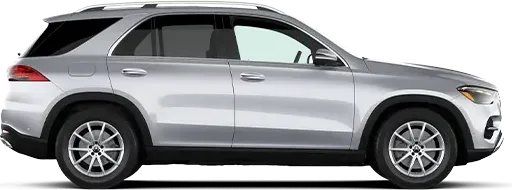
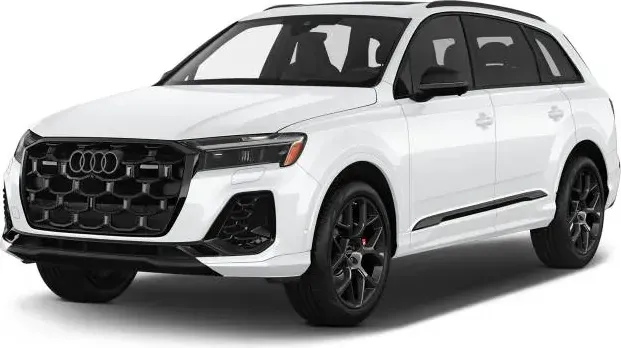
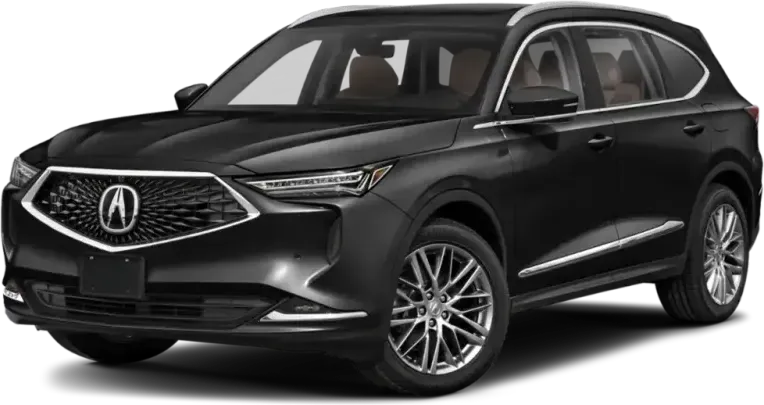
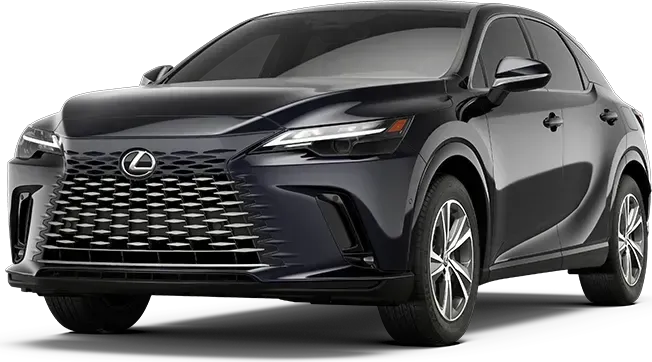
Also looking at these instead of a XC90?

Cars shoppers compare with the Volvo XC90, with their own 2018 checklists.