Used Car Checklists

2018 Toyota Sequoia: What to check before buying

Owners have filed 20 complaints with NHTSA about this car, most about the electrical and fuel system. The 9 checks below target those problems, in the order you would do them at the car.

Toyota Sequoia2018
Owner complaints
20
Recalls
5
Crashes reported
0
Reliability
Good
69/100 on Auto Reliability Index

Run the VIN before you go

A history report shows accidents, title brands, odometer readings, and open recalls for this 2018 Toyota Sequoia. Ask the seller for the VIN; it is also on the dash at the base of the windshield.

Your inspection sheet

Tick items off on your phone at the car, or print it. Ticks stay on this device.

These checks are specific to this model year. For tires, body panels, fluids, and the other basics every used car needs, use the general inspection guide.

Reported on other Sequoia years with the same design

These years share the 2018's design and most of its parts, so their problems are the ones to look for on this car too.

2019 Sequoia

7 owner complaints

Worth adding to your 2018 checks

  • Inspect the moonroof glass closely for chips, cracks, or stress marks before buying.
  • Ask the seller whether the moonroof glass has ever been replaced, and request the repair records.
  • Open the fuel filler door fully by hand and confirm it swings open without binding.
Open the 2019 checklist

Which Sequoia is it?

EPA figures for each version of the 2018 Toyota Sequoia. Use them to confirm you are looking at the version that was advertised, and as a yardstick on the test drive.

VersionDriveEPA rating
5.7L 8-cylGas4WD, RWD14–15 mpg
5.7L 8-cylFlex fuel4WD14 mpg
  • The 2018 Toyota Sequoia was sold in two versions. Confirm which one this is from the window sticker, the engine cover, or the VIN report before you compare prices.
  • Reset the trip computer at the start of the drive. A Sequoia that averages well under the EPA 14 mpg combined on a mixed route may have an engine or tire problem.

Why these checks: what owners reported

NHTSA complaints for the 2018 Toyota Sequoia, grouped by the part owners named. Open a row to read what goes wrong.

  • Electrical7No crashes

    Driver-assist warnings come on falsely and keep coming back. Blind spot monitor, rear cross traffic alert, pre-collision, front camera and adaptive cruise faults often appear within the first few hundred miles. Repeated software updates often fail to stop them. Dealer fixes reported include realigning a rear bumper sensor and replacing the forward cameras and sensors. The most serious reports involve the truck braking hard on its own, with a "Brake, obstacle ahead" message and no vehicle ahead. That creates a real risk of a rear-end crash. Some trucks went back to the dealer many times.

  • Fuel system2No crashes

    Long cranking before the engine starts and loss of power while driving are the symptoms described. Both filings are mostly about recall paperwork, not new kinds of failure. One owner reports fuel pump symptoms on a truck whose VIN is not covered by the recall they cite. The other says a dealer finished routine service, skipped the pending recall work and said no recall applied. Losing power in traffic raises crash risk, so open recall work on any used truck should be confirmed.

In owners' own words

Excerpts from complaints Sequoia owners filed with NHTSA, as written. Listen for the same symptoms on your test drive.

Fuel system
I own a 2018 Toyota Sequoia experiencing fuel pump failure symptoms including extended crank and loss of power. This issue matches NHTSA Recall 20V012000, which affects similar vehicles with the same fuel pump defect. However, my VIN is not included in the recall despite identical symptoms and safety risk. I am requesting investigation into whether additional VINs, including mine, should be included in this recall due to ongoing failures.

Filed with NHTSA, April 2026

How the 2018 compares with other Sequoia years

Complaints for this year next to the average for the other model years, area by area.

The 2018 has the most owner complaints of the 5 Sequoia years we cover, about 5.0 times the average of the others. Newer years have had less time to collect complaints, so compare like with like.

2018 Average of other years
  • Electrical70
  • Fuel system20

Where the 2018 fits in the Sequoia's history

Redesigns and mid-cycle updates change what can go wrong.

The 2018 is the 11th model year of the Sequoia's second generation (2008–2022).

Recalls to confirm (5)

Recall repairs are free at any Toyota dealer, but the seller may never have had them done. Check each campaign number against the VIN.

  1. 21E103000SteeringDec 2021

    Toyota Motor Engineering & Manufacturing (Toyota) is recalling certain JTEKT power steering gear assembly service parts for 2007-2021 Tundra and 2008-2022 Sequoia, part numbers 44250-0C160, 44250-0C131, 44250-0C170, and 11250-0C121. The power steering gear assembly may have been manufactured incorrectly, which can result in an oil leak.

    Risk: An oil leak may cause a sudden loss of power steering assist, increasing the risk of a crash.

    Fix: Dealers will inspect and replace the power steering gear assembly, free of charge. Owner notification letters were mailed on February 17, 2022. Owners may contact Toyota customer service at 1-800-331-4331. Toyota's number for this recall is 21TH01.

  2. 21V920000SteeringNov 2021

    Toyota Motor Engineering & Manufacturing (Toyota) is recalling certain 2008-2022 Sequoia and 2007-2021 Tundra vehicles. The power steering gear assembly may have been manufactured incorrectly, which can result in an oil leak.

    Risk: An oil leak may cause a sudden loss of power steering assist, increasing the risk of a crash.

    Fix: Dealers will inspect and replace the power steering gear assembly as necessary, free of charge. Owner notification letters were mailed on January 21, 2022. Owners may contact Toyota customer service at 1-800-331-4331. Toyota's numbers for this recall are 21TB10 and 21TA10.

  3. 20V012000Fuel systemJan 2020

    Toyota Motor Engineering & Manufacturing (Toyota) recalled certain 2018-2019 4Runner, Highlander, Camry, Land Cruiser, Sequoia, Sienna, Tacoma and Tundra, and Lexus RC 300, RC 350, GS 350, GX 460, IS 300, LC 500, LS 500, LX 570, RX 350L, and 2019 Toyota Avalon and Corolla, and certain Lexus NX 300, and ES 350 vehicles on January 13, 2020. On March 4, 2020, Toyota expanded the recall to include certain 2014-2015 Toyota 4Runner and Land Cruiser, 2018 Avalon, Corolla, 2014 FJ Cruiser, 2017 Sienna and Lexus 2018 ES 350, 2018-2019 GS 300, 2013-2014 GS350, 2014-2015 GX 460, IS 350 and LX 570, 2014 IS F, 2018-2019 IS 350, LC 500H and LS 500H, 2013-2015 LS 460, 2015 NX 200T and RC350, 2017 RC 200T and RX 350. Toyota also removed the 2018-2019 Toyota 4Runner and Land Cruiser and 2018-2019 Lexus GX 460 and LX 570 and 2019 NX300 from inclusion in this recall. On March 19, 2020, Toyota expanded the recall to include 2015 Lexus GS350 vehicles. The low-pressure fuel pump inside the fuel tank may fail.

    Risk: If the fuel pump fails, the engine can stall while driving, increasing the risk of a crash.

    Fix: Toyota will notify owners, and dealers will replace the fuel pump, free of charge. The recall began May 4, 2020. Owners may contact Toyota customer service at 1-888-270-9371 or Lexus customer service at 1-800-255-3987. Toyota's numbers for this recall are 20TB02 and 20TA02 for Toyota vehicles and 20LB01 and 20LA01 for Lexus vehicles.
  4. 18V685000ElectricalOct 2018

    Toyota Motor Engineering & Manufacturing (Toyota) is recalling certain 2018-2019 Toyota Tundra and Sequoia vehicles and 2019 Toyota Avalon and Avalon Hybrid vehicles. The air bag electronic control unit (ECU) may erroneously detect a fault during the vehicle start-up self check. If this occurs, the ECU may not deploy the airbags as intended, in the event of a crash. As such, these vehicles fail to comply with the requirements of Federal Motor Vehicle Safety Standard (FMVSS) number 208, "Occupant Crash Protection," and 214, "Side Impact Protection.".

    Risk: If the air bags do not deploy as intended, it can increase the risk of injury in a crash.

    Fix: Toyota will notify owners, and dealers will update the software for the air bag ECU, free of charge. The recall began October 26, 2018. Owners may contact Toyota customer service at 1-888-270-9371. Toyota's number for this recall is J0X. Note: 18V-122 was superseded by this recall. The software remedy also includes the updates to the software for 18V-122.

  5. 18V122000Stability controlFeb 2018

    Toyota Motor Engineering & Manufacturing (Toyota) is recalling certain 2018 Toyota Tundra and Sequoia vehicles. Electrical interference within the power supply circuit may cause the vehicle's electronic stability control system to be deactivated. As such, these vehicles fail to comply with the requirements of Federal Motor Vehicle Safety Standard (FMVSS) number 126, "Electronic Stability Control Systems.".

    Risk: Deactivation of the vehicle stability control system can increase the risk of a crash in certain conditions.

    Fix: Toyota will notify owners, and dealers will update the vehicle's software, free of charge. The recall began March 14, 2018. Owners may contact Toyota customer service at 1-888-270-9371. Toyota's number for this recall is J0H. Note: This recall has been superseded by 18V-685. The software remedy for 18V-685 includes the updates to the software for this recall.

Also looking at these instead of a Sequoia?

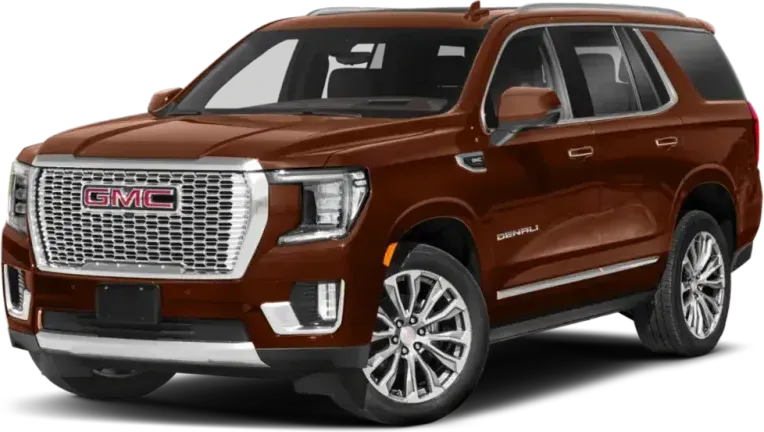
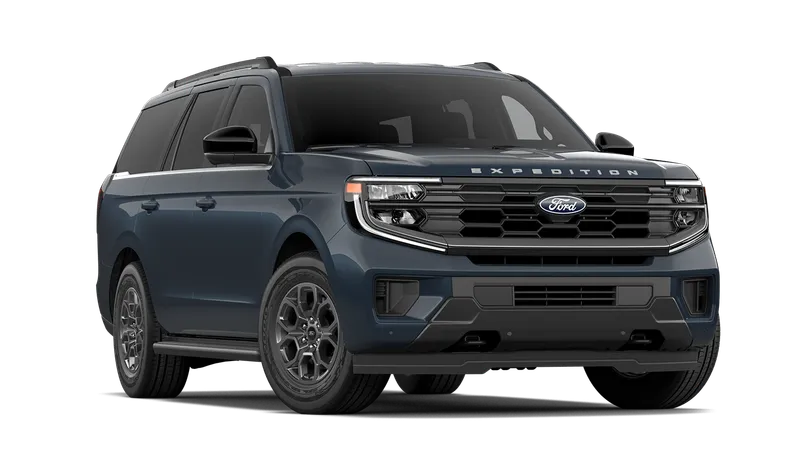
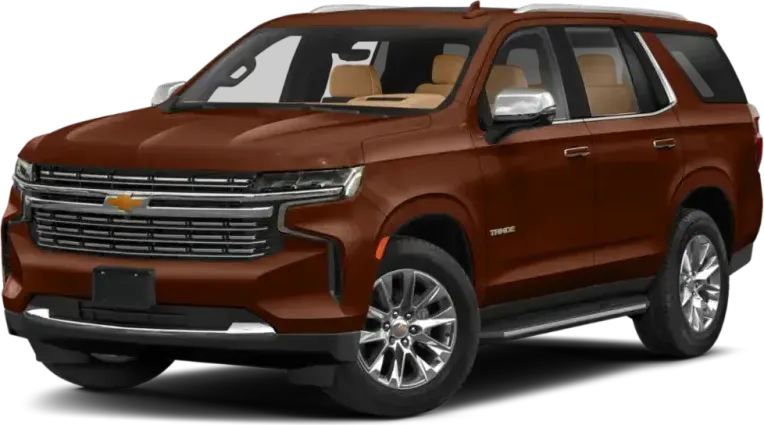
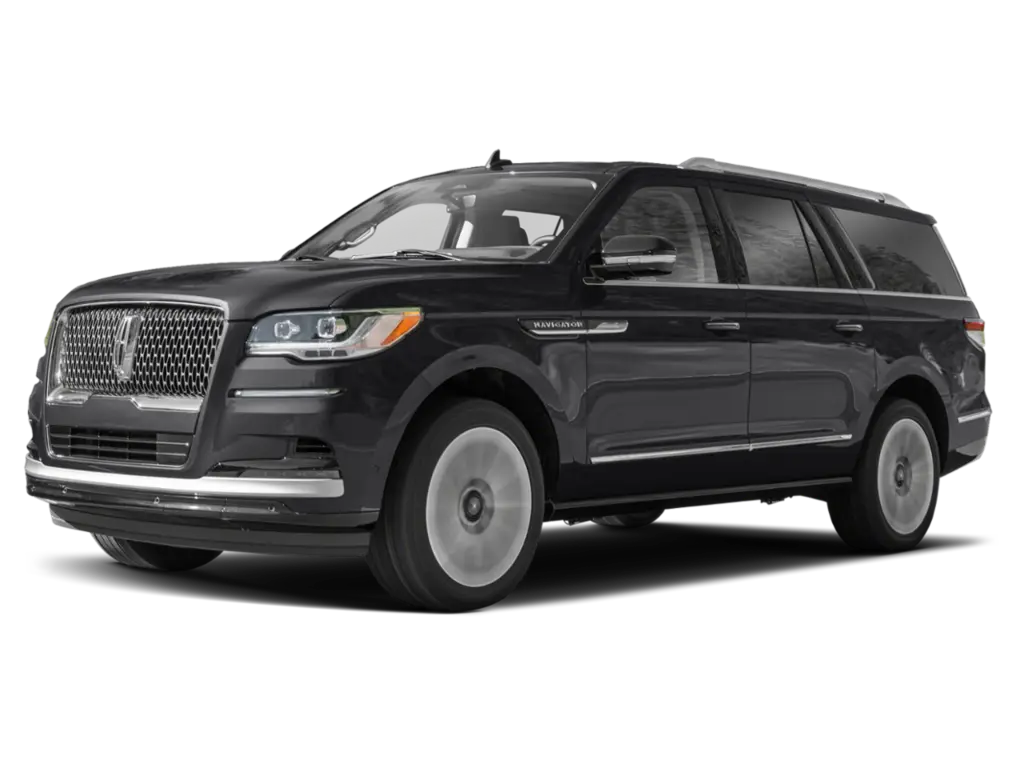
Cars shoppers compare with the Toyota Sequoia, with their own 2018 checklists.