2018 Toyota Avalon: What to check before buying
Owners have filed 24 complaints with NHTSA about this car, most about the airbags, steering, and fuel system. The 9 checks below target those problems, in the order you would do them at the car.
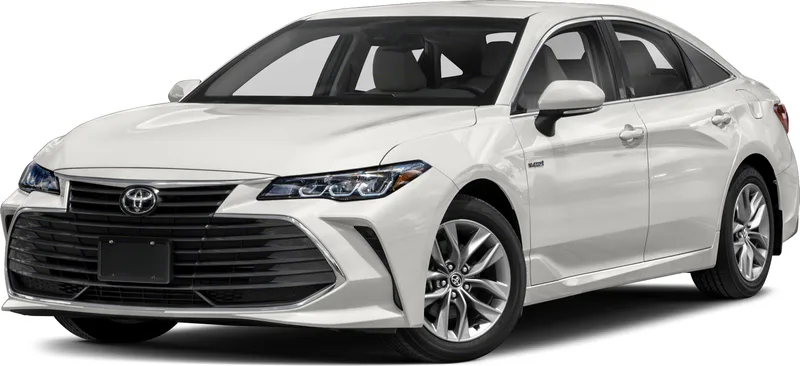 2018
- Owner complaints
- 24
- Recalls
- 2
- Crashes reported
- 7
- 4 injuries
Your inspection sheet
Tick items off on your phone at the car, or print it. Ticks stay on this device.
0/9 checked
2018 Toyota Avalon: inspection sheet
Paperwork and questions
Before you go, or before you touch the car0/2
Walk-around and cabin
Engine off, key in hand0/2
Cold start, engine bay, and underside
Ask the seller not to warm the car up first0/1
Test drive
At least 20 minutes, with some highway0/4
These checks are specific to this model year. For tires, body panels, fluids, and the other basics every used car needs, use the general inspection guide.
Which Avalon is it?
EPA figures for each version of the 2018 Toyota Avalon. Use them to confirm you are looking at the version that was advertised, and as a yardstick on the test drive.
| Version | Drive | EPA rating |
|---|---|---|
| 3.5L 6-cylGas | FWD | 24 mpg |
| 2.5L 4-cylHybrid | FWD | 40 mpg |
- The 2018 Toyota Avalon was sold in two versions. Confirm which one this is from the window sticker, the engine cover, or the VIN report before you compare prices.
- On the hybrid, watch for the car moving off on electric power at low speed and for any hybrid system warning on the dash.
- Reset the trip computer at the start of the drive. A Avalon that averages well under the EPA 24 mpg combined on a mixed route may have an engine or tire problem.
Why these checks: what owners reported
NHTSA complaints for the 2018 Toyota Avalon, grouped by the part owners named. Open a row to read what goes wrong.
Airbags54 crashes
Airbags fail to deploy in serious crashes, according to four of the five filings. Reports describe heavy frontal and side impacts that totaled the car with no frontal airbags firing. One also says the driver's seat belt did not lock. Three people were hurt. In one case, neither the dealer nor an inspector sent by the manufacturer could explain why the airbags stayed silent. The remaining complaint describes no failure. It concerns a wait for an airbag repair part that was not yet available.
Steering42 crashes
Power steering can cut out suddenly at highway speed. In one report the driver feels a pop, the power steering and triangle warning lights come on, and the wheel goes nearly dead at around 42,000 miles. Another describes the car jerking to the right under acceleration at interstate speeds. Two crash reports follow emergency swerves, one with an injury. One of them centers on airbags not deploying. In the other, the car seemed to be pulled into a median wall. The main risk is losing steering control at speed.
Fuel system3No crashes
Without warning, the engine nearly stalls for a few seconds, mostly under acceleration, and then recovers. No warning light comes on. The owner who reports this links it to the fuel pump. The other filings are about getting the fuel pump replaced: dealers lack the correct part for months, and owners are still waiting for a notice that has not arrived. No crashes are reported, but a sudden loss of power in heavy traffic is a real hazard.
Acceleration and cruise control21 crash
Unintended acceleration and erratic radar cruise control account for both reports. In one, the car surges while easing into a parking space, jumps a curb, and crashes into bushes, and the brake does not stop it until after the curb. In the other, the owner tries to raise the cruise set speed by accelerating and pressing the lever. The car instead drops back to 1 mph below the old setting, sometimes by braking. Toyota told that owner the car works as intended.
In owners' own words
Excerpts from complaints Avalon owners filed with NHTSA, as written. Listen for the same symptoms on your test drive.
Involved in a 2 vehicle accident on October 26th. My car is totaled and so is the other car. No airbags deployed and my drivers side seat belt failed to lock in the accident. I was injured and taken by ambulance to hospital.
Filed with NHTSA, November 2025
How the 2018 compares with other Avalon years
Complaints for this year next to the average for the other model years, area by area.
The 2018 ranks second for owner complaints among 5 Avalon years, close to the average of the others. Newer years have had less time to collect complaints, so compare like with like.
- Airbags53
- Steering40
- Fuel system36
- Acceleration and cruise control21
Where the 2018 fits in the Avalon's history
Redesigns and mid-cycle updates change what can go wrong.
The 2018 is the sixth model year of the Avalon's fourth generation (2013–2018).
It includes the 2016 update.
What changed for 2016
- New front grille
- Updated suspension
Recalls to confirm (2)
Recall repairs are free at any Toyota dealer, but the seller may never have had them done. Check each campaign number against the VIN.
20V024000AirbagsJan 2020
Toyota Motor Engineering & Manufacturing (Toyota) is recalling certain 2011-2019 Corolla, 2011-2013 Matrix, 2012-2018 Avalon, and 2013-2018 Avalon Hybrid vehicles. During certain crashes, the air bag electronic control unit (ECU) may malfunction, possibly disabling the deployment of the air bags and/or seat belt pretensioners.
Risk: In the event of a crash, air bags and/or seat belt pretensioners that do not deploy as intended may increase the risk of injury.
Fix: Toyota will notify owners, and dealers will inspect the ECU and install a noise filter between the air bag control module and its wire harness, as necessary, free of charge. Owners were notified of the safety risk beginning March 2, 2020. A second letter notifying owners of the remedy repair will be mailed between March 16, 2020 and June 27, 2020. Owners may contact Toyota customer service at 1-888-270-9371. Toyota's numbers for this recall are 20TB03, 20TA03 and 20TA05.
20V012000Fuel systemJan 2020
Toyota Motor Engineering & Manufacturing (Toyota) recalled certain 2018-2019 4Runner, Highlander, Camry, Land Cruiser, Sequoia, Sienna, Tacoma and Tundra, and Lexus RC 300, RC 350, GS 350, GX 460, IS 300, LC 500, LS 500, LX 570, RX 350L, and 2019 Toyota Avalon and Corolla, and certain Lexus NX 300, and ES 350 vehicles on January 13, 2020. On March 4, 2020, Toyota expanded the recall to include certain 2014-2015 Toyota 4Runner and Land Cruiser, 2018 Avalon, Corolla, 2014 FJ Cruiser, 2017 Sienna and Lexus 2018 ES 350, 2018-2019 GS 300, 2013-2014 GS350, 2014-2015 GX 460, IS 350 and LX 570, 2014 IS F, 2018-2019 IS 350, LC 500H and LS 500H, 2013-2015 LS 460, 2015 NX 200T and RC350, 2017 RC 200T and RX 350. Toyota also removed the 2018-2019 Toyota 4Runner and Land Cruiser and 2018-2019 Lexus GX 460 and LX 570 and 2019 NX300 from inclusion in this recall. On March 19, 2020, Toyota expanded the recall to include 2015 Lexus GS350 vehicles. The low-pressure fuel pump inside the fuel tank may fail.
Risk: If the fuel pump fails, the engine can stall while driving, increasing the risk of a crash.
Fix: Toyota will notify owners, and dealers will replace the fuel pump, free of charge. The recall began May 4, 2020. Owners may contact Toyota customer service at 1-888-270-9371 or Lexus customer service at 1-800-255-3987. Toyota's numbers for this recall are 20TB02 and 20TA02 for Toyota vehicles and 20LB01 and 20LA01 for Lexus vehicles.
Also looking at these instead of a Avalon?
Cars shoppers compare with the Toyota Avalon, with their own 2018 checklists.
2018 owner complaints, side by side
- 2018 Toyota Avalon24
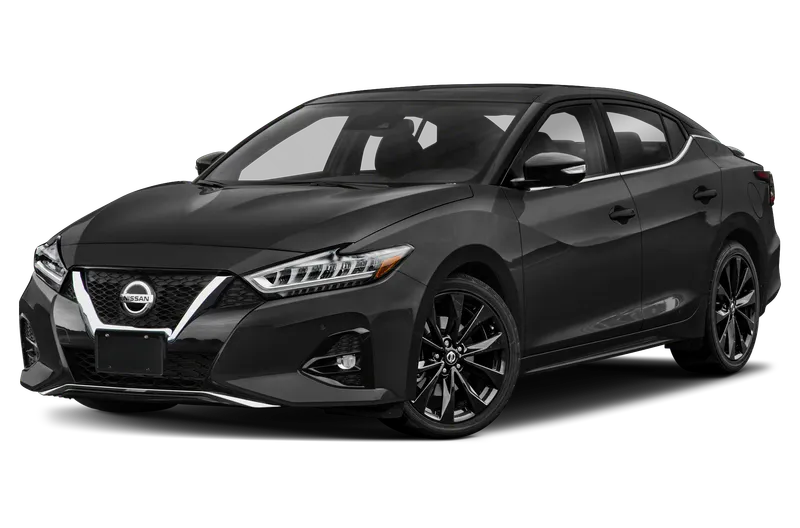
- Nissan Maxima36
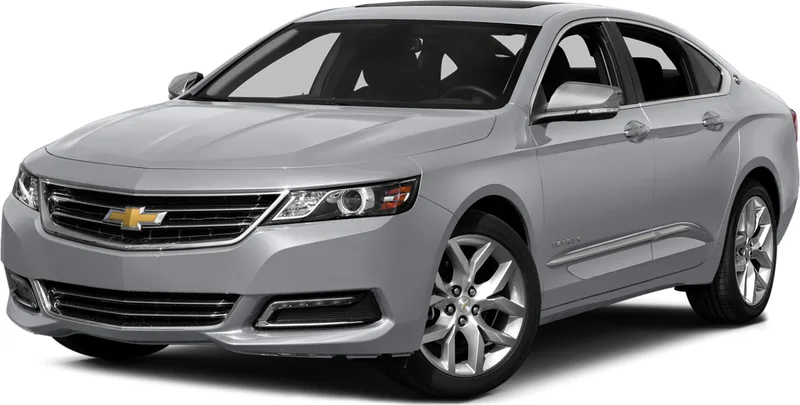
- Chevrolet Impala59
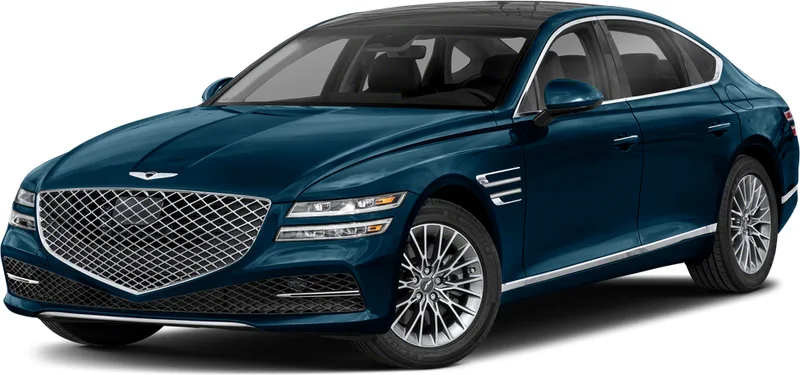
- Genesis G8094