2023 Tesla Model X: What to check before buying
Owners have filed 183 complaints with NHTSA about this car, most about the steering, electrical, and body and structure. The 9 checks below target those problems, in the order you would do them at the car.
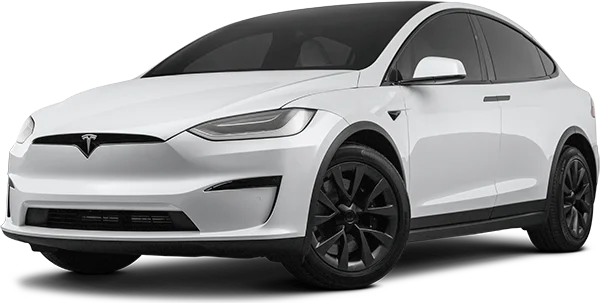 2023
- Owner complaints
- 183
- Recalls
- 16
- Crashes reported
- 16
- 10 injuries
Your inspection sheet
Tick items off on your phone at the car, or print it. Ticks stay on this device.
0/9 checked
2023 Tesla Model X: inspection sheet
Paperwork and questions
Before you go, or before you touch the car0/2
Walk-around and cabin
Engine off, key in hand0/4
Cold start, engine bay, and underside
Ask the seller not to warm the car up first0/1
Test drive
At least 20 minutes, with some highway0/2
These checks are specific to this model year. For tires, body panels, fluids, and the other basics every used car needs, use the general inspection guide.
Which Model X is it?
EPA figures for each version of the 2023 Tesla Model X. Use them to confirm you are looking at the version that was advertised, and as a yardstick on the test drive.
| Version | Drive | EPA rating |
|---|---|---|
| Electric | AWD | 348 mi range |
- With a full charge, the range estimate on the dash should land near the EPA figure of 348 miles. A much lower number on a mild day can mean a worn battery; ask for a battery health report.
Why these checks: what owners reported
NHTSA complaints for the 2023 Tesla Model X, grouped by the part owners named. Open a row to read what goes wrong.
Steering452 crashes
The horn is a small haptic button rather than a center pad, and that drives most complaints here. Drivers reach for the middle of the wheel in emergencies, hit the wiper control instead, or set the horn off by accident. The turn-signal buttons on the wheel are easy to mix up when the wheel is turned. Owners say Tesla charges for a center-horn retrofit, with one quoting more than $2,400. Single reports describe a grinding noise when turning at about 300 miles and Full Self-Driving speeding up at red lights.
Electrical162 crashes
Recurring "safety restraint system" and "safety systems disabled" errors are the most serious pattern. Some owners return to service several times without a lasting fix. Other reports cover steering-wheel turn-signal and horn buttons that are hard to use, intermittent loss of the rear camera, GPS and Park Assist, and a total power loss with rollback on a hill. Owners also report falcon doors that stop partway open and a rear interior light that blinks on its own. Two crashes are reported, including one with an injury after sudden acceleration in Plaid mode despite braking.
Body and structure11No crashes
Powered doors cause the injuries in this category. Owners report a falcon wing door closing when the opposite door's button was pressed, doors and the rear hatch reversing and coming down on people, a door striking a child as it opened, and a thumb pinched during a door's final cinch. Rear doors are hard to open by hand when the battery is dead. Separately, fender flares, wheel-well trim and the underbody guard fall off, often in heavy rain. One dealer reattached parts with adhesive at about 9,649 miles.
Brakes82 crashes
Two crash reports describe the car accelerating while parking and failing to stop with the brake pedal pressed. One of those crashes injured two people. Other complaints describe automatic emergency braking triggering on shadows, hard deceleration beside a semi on Autopilot, and the car stopping dead in a highway lane while driver-assist features were in use. Owners say Tesla could not reproduce some of these events. Single reports also mention automatic wipers that fail in rain and a pedal that feels off because of low brake fluid.
Seat belts5No crashes
Rear belts are the problem area. Reports describe twisted belts, a second-row buckle that stays stuck, belt tongues that do not seat in the buckle, and a broken anchor. One recurring rear left restraint fault means the pretensioner may not engage, and three service visits did not fix it. Tesla has called some of these maintenance issues or normal function, and in one case the belts came back from service unchanged. Parents with car seats in the second row raise most of these concerns.
Acceleration and cruise control41 crash
The main complaint is unintended acceleration at low speed. Drivers describe the car surging while pulling into a driveway or waiting for a gate and then striking the garage door or gate. One such case happened at about 8,000 miles, and one crash is reported. Another owner says the car sped up during slow driving while Park Assist and traction control kept disengaging. With cruise control on the highway, phantom braking repeats and can cut speed by twenty mph before the driver steps in.
Airbags32 crashes
A front passenger restraint system fault keeps coming back, with warning chimes and an airbag light, whether or not anyone is in the seat. Repairs between about 30,638 and 36,106 miles, including a Restraint Control Module replacement, did not hold. Two crash reports are also filed here. In one, the air bags did not deploy after a pole impact and the driver's door would not open. In the other, the car braked hard and left the road while using Full Self-Driving.
Seats2No crashes
Two separate seat failures are reported. The front passenger heated seat turns on by itself when the car is started from the phone. In one fire-related report it smoked and burned a hole in the seat with no one sitting in it, and Tesla replaced the seat under warranty. A second-row seat also fails to latch and lock in place at about 57,326 miles. Tesla declined warranty coverage for that seat and asked the owner to pay for a replacement.
In owners' own words
Excerpts from complaints Model X owners filed with NHTSA, as written. Listen for the same symptoms on your test drive.
In many near hit collisions where I need to honk the horn, memory reflexes goes to press down the center of the steering wheel to alert but the horn button isn’t there on this vehicle. It’s put as a button on the right side but after 25,000 Miles and at least 4 times, I could not locate it quick enough. This is a serious safety issue.
Filed with NHTSA, July 2025
The horn is now activated by a small button, missed it a few times during emergency situations, it needs to be by the center hub! The turn signals are also by the buttons, easy to make mistakes during emergency maneuvers when there is no time to look down. At least place the buttons on each side of the right thumb wheel, so to easily build muscle memory without looking at them. For safety, please demand Tesla to make such retrofits. Thank you!
Filed with NHTSA, December 2023
The vehicle has start throwing a safety restraint error. We got into the service mode and it shows there is electrical problems with the driver side airbag system and that it may not deploy in the event of an accident. Tesla is delaying the appointment to review this for 12 days. Their app advised to not drive the car due to a safety issue as all safety measures may not work appropriately. Seems to be a safety level recall.
Filed with NHTSA, October 2025
There was not an incident. But the vehicle is not so safe. The driver needs to move eyes from the road for many normal functions like wipers, horn, high beam. In addition, using the phone is dangerous because all the information is displayed on the main screen and requires the driver to look away an select options. This should be displayed in the dash board behind the steering wheel (like it was in prior models)
Filed with NHTSA, April 2023
When I pressed the button (lower button near the left side rear seat inside the car) to close the falcon door on left side of the car, The right falcon door accidentally started closing . A person was standing under right falcon door . The door hit the person, injured them and then stopped
Filed with NHTSA, March 2024
The right falcon door started closing even though a person was standing right under it. ( the right falcon door was triggered by mistake when we closed the left door). The falcon door hit the person on their upper shoulder, injured them and stopped
Filed with NHTSA, March 2024
On two occasions while driving using Tesla’s FSD, the brake has failed to engage in emergency situations after engaging the brake pedal. I have reported this issue to Tesla as part of a broader buy back request for my car which has had multiple issues and continues to have multiple issues. Tesla simply stated they could not replicate this issue and denied my buyback request. I do not feel safe driving this car around.
Filed with NHTSA, February 2025
How the 2023 compares with other Model X years
Complaints for this year next to the average for the other model years, area by area.
The 2023 has the most owner complaints of the 7 Model X years we cover, about 2.6 times the average of the others. Newer years have had less time to collect complaints, so compare like with like.
- Steering457
- Electrical1611
- Body and structure113
- Brakes82
- Seat belts51
- Acceleration and cruise control45
Where the 2023 fits in the Model X's history
Redesigns and mid-cycle updates change what can go wrong.
The 2023 is the ninth model year of the Model X's first generation (2015–2023).
It includes the 2021 update.
What changed for 2021
- Introduction of the Plaid performance model
- Updated interior and powertrain
Recalls to confirm (16)
Recall repairs are free at any Tesla dealer, but the seller may never have had them done. Check each campaign number against the VIN.
25V172000AirbagsMar 2025
Tesla, Inc. (Tesla) is recalling certain 2021-2024 Model S and 2021-2025 Model X vehicles. An air bag with the incorrect horn pad may have been installed, preventing the horn from sounding.
Risk: An inoperative horn may prevent the driver from alerting other drivers, increasing the risk of a crash.
Fix: Tesla service will inspect and install an air bag with the correct horn pad as necessary, free of charge. Owner notification letters were mailed May 20, 2025. Owners may contact Tesla customer service at 1-877-798-3752. Tesla's number for this recall is SB-25-20-001.
25V002000Backup cameraJan 2025
Tesla, Inc. (Tesla) is recalling certain 2024-2025 Model 3, Model S, 2023-2025 Model X, and Model Y vehicles. The computer circuit board may short, resulting in the loss of the rearview camera image. As such, these vehicles fail to comply with the requirements of Federal Motor Vehicle Safety Standard (FMVSS) number 111, "Rear Visibility.".
Risk: A rearview camera that does not display an image reduces the driver's rear view, increasing the risk of a crash.
Fix: Tesla released an over-the-air (OTA) software update, free of charge. Tesla will also identify any vehicles that experienced a circuit board failure, or stress that may lead to a circuit board failure, and replace the affected computers, free of charge. Owner notification letters were mailed March 7, 2025. Owners may contact Tesla customer service at 1-877-798-3752. Tesla's number for this recall is SB-25-00-001.
24V967000AirbagsDec 2024
Tesla, Inc. (Tesla) is recalling certain 2021-2025 Model S and Model X vehicles. The driver's air bag could tear during deployment. As such, these vehicles fail to comply with the requirements of Federal Motor Vehicle Safety Standard (FMVSS) numbers 208, "Occupant Crash Protection" and 212, "Windshield Mounting.".
Risk: A torn air bag may not adequately protect an occupant in a crash, increasing the risk of injury.
Fix: Tesla service will replace the air bag assembly, free of charge. Owner notification letters were mailed February 21, 2025. Owners may contact Tesla customer service at 1-877-798-3752. Tesla's number for this recall is SB-24-20-001.
24V554000Door latches and locksJul 2024
Tesla, Inc. (Tesla) is recalling certain 2021-2024 Model 3, Model S, Model X, and 2020-2024 Model Y vehicles. The hood latch assembly may fail to detect an unlatched hood condition after the hood has been opened.
Risk: An unlatched hood can fully open, obstructing the driver's view and increasing the risk of a crash.
Fix: Tesla has released an over-the-air (OTA) software update, free of charge. Owner notification letters were mailed September 24, 2024. Owners may contact Tesla customer service at 1-877-798-3752. Tesla's number for this recall is SB-24-00-012.
24V376000Seat beltsMay 2024
Tesla, Inc. (Tesla) is recalling certain 2012-2024 Model S, 2015-2024 Model X, 2017-2023 Model 3, and 2020-2023 Model Y vehicles. In the event of an unbelted driver, the seat belt warning light and audible chime may not activate as intended. As such, these vehicles fail to comply with the requirements of Federal Motor Vehicle Safety Standard number 208, "Occupant Crash Protection.".
Risk: A seat belt warning system that fails to alert occupants of an unbelted seat belt can increase the risk of injury during a crash.
Fix: Tesla will release an over-the-air (OTA) software update. Owner notification letters were mailed July 26, 2024. Owners may contact Tesla customer service at 1-877-798-3752. Tesla's number for this recall is SB-24-00-008.
24V051000ElectricalJan 2024
Tesla, Inc. (Tesla) is recalling certain 2012-2023 Model S, 2016-2024 Model X, 2017-2023 Model 3, 2019-2024 Model Y, and 2024 Cybertruck vehicles. An incorrect font size is displayed on the instrument panel for the Brake, Park, and Antilock Brake System (ABS) warning lights. As such, these vehicles fail to comply with the requirements of Federal Motor Vehicle Safety Standard number 105, "Hydraulic and Electric Brake Systems" and 135, "Light Vehicle Brake Systems.".
Risk: Warning lights with a smaller font size can make critical safety information on the instrument panel difficult to read, increasing the risk of a crash.
Fix: Tesla began releasing an over-the-air (OTA) software update, free of charge. Owners may contact Tesla customer service at 1-877-798-3752. Tesla's number for this recall is SB-24-00-003.
24V035000Backup cameraJan 2024
Tesla, Inc. (Tesla) is recalling certain 2023 Model S, X, and Y vehicles equipped with full self-driving computer 4.0 and running a software release version 2023.44.30 through 2023.44.30.6 or 2023.44.100. Software instability may prevent the rearview camera image from displaying.
Risk: A rearview image that does not display while in reverse decreases the driver's visibility and increases the risk of a crash.
Fix: Tesla has released an over-the-air (OTA) software update, free of charge. Owner notification letters were mailed March 22, 2024. Owners may contact Tesla customer service at 1-877-798-3752. Tesla's number for this recall is SB-24-00-002.
23V862000Door latches and locksDec 2023
Tesla, Inc. (Tesla) is recalling certain 2021-2023 Model S and X vehicles. The cabin doors can be unlocked during a crash. As such, these vehicles fail to comply with the requirements of Federal Motor Vehicle Safety Standard number 214, "Side Impact Protection.".
Risk: An unlocked door may unlatch and open during a crash, increasing the risk of injury.
Fix: Tesla has released an over-the-air (OTA) software update, free of charge. Owner notification letters were mailed February 17, 2024. Owners may contact Tesla customer service at 1-877-798-3752. Tesla's number for this recall is SB-23-00-009.
23V838000ElectricalDec 2023
Tesla, Inc. (Tesla) is recalling 2012-2023 Model S, 2016-2023 Model X, 2017-2023 Model 3, and 2020-2023 Model Y vehicles equipped with all versions of Autosteer leading up to the version(s) that contains the recall remedy. In certain circumstances when Autosteer is engaged, the prominence and scope of the feature's controls may not be sufficient to prevent driver misuse of the SAE Level 2 advanced driver-assistance feature.
Risk: In certain circumstances when Autosteer is engaged, and the driver does not maintain responsibility for vehicle operation and is unprepared to intervene as necessary or fails to recognize when Autosteer is canceled or not engaged, there may be an increased risk of a crash.
Fix: Tesla will release an over-the-air (OTA) software update, free of charge. Owner notification letters were mailed February 10, 2024. Owners may contact Tesla customer service at 1-877-798-3752. Tesla's number for this recall is SB-23-00-008.
23V743000SteeringNov 2023
Tesla, Inc. (Tesla) is recalling certain 2021-2024 Model S and Model X vehicles. An incorrect air bag may have been installed when the steering yoke or round steering wheel was replaced with a different style of yoke or steering wheel.
Risk: An air bag that is not designed to function with the replacement steering yoke or wheel may deploy incorrectly, increasing the risk of injury during a crash.
Fix: Tesla Service will inspect and replace the driver air bag as necessary, free of charge. Owner notification letters were mailed January 2, 2024. Owners may contact Tesla customer service at 1-877-798-3752. Tesla's number for this recall is SB-23-20-005.
23V679000ElectricalOct 2023
Tesla, Inc. (Tesla) is recalling certain 2021-2023 Model X vehicles. The vehicle controller may fail to detect low brake fluid and will not display a warning light. As such, these vehicles fail to comply with the requirements of Federal Motor Vehicle Safety Standard number 135, "Light Vehicle Brake Systems.".
Risk: Without a warning light, the vehicle may be driven with low brake fluid, which can reduce braking performance and increase the risk of a crash.
Fix: Tesla has released an over-the-air (OTA) software update, free of charge. Owner notification letters were mailed December 12, 2023. Owners may contact Tesla customer service at 1-877-798-3752. Tesla's number for this recall is SB-23-00-005.
23V488000Seat beltsJul 2023
Tesla, Inc. (Tesla) is recalling certain 2021-2023 Model S and Model X vehicles. The front-row seat belts may not be connected properly to the pretensioner anchors, which can cause the seat belts to detach.
Risk: A detached seat belt may not properly restrain an occupant during a crash, increasing the risk of injury.
Fix: Tesla Service will inspect the front-row seat belts and connect the seat belts to pretensioner anchors, or replace the seat belt assemblies, as necessary, free of charge. Owner notification letters were mailed September 12, 2023. Owners may contact Tesla customer service at 1-877-798-3752. Tesla's number for this recall is SB-23-20-004.
23V489000Automatic emergency brakingJul 2023
Tesla, Inc. (Tesla) is recalling certain 2023 Model S, Model X, and Model Y vehicles. The forward-facing camera may be misaligned, causing some of the active safety features such as emergency braking, forward collision warning, and lane assist to become unavailable without alerting the driver.
Risk: Safety features that are unavailable without any warning to the driver may increase the risk of a crash.
Fix: Tesla Service will inspect and adjust the pitch angle, as necessary, free of charge. Owner notification letters were mailed September 12, 2023. Owners may contact Tesla customer service at 1-877-798-3752. Tesla's number for this recall is SB-23-17-006.
23V244000Backup cameraApr 2023
Tesla, Inc. (Tesla) is recalling certain 2023 Model X vehicles equipped with a full self-driving computer 4.0 and running software release version 2023.2.200. Weak camera signal strength may prevent the rearview image from displaying. As such, these vehicles fail to comply with the requirements of Federal Motor Vehicle Safety Standard number 111, "Rear Visibility.".
Risk: A rearview image that does not display while in reverse decreases the driver's visibility, increasing the risk of injury or crash.
Fix: Tesla has released an over-the-air (OTA) software update, free of charge. All affected vehicles have been remedied. Owners may contact Tesla customer service at 1-877-798-3752.
23V085000SteeringFeb 2023
Tesla, Inc. (Tesla) is recalling certain 2016-2023 Model S, Model X, 2017-2023 Model 3, and 2020-2023 Model Y vehicles equipped with Full Self-Driving Beta (FSD Beta) software or pending installation. The FSD Beta system may allow the vehicle to act unsafe around intersections, such as traveling straight through an intersection while in a turn-only lane, entering a stop sign-controlled intersection without coming to a complete stop, or proceeding into an intersection during a steady yellow traffic signal without due caution. In addition, the system may respond insufficiently to changes in posted speed limits or not adequately account for the driver's adjustment of the vehicle's speed to exceed posted speed limits.
Risk: FSD Beta software that allows a vehicle to exceed speed limits or travel through intersections in an unlawful or unpredictable manner increases the risk of a crash.
Fix: Tesla will release an over-the-air (OTA) software update, free of charge. Owner notification letters were mailed April 15, 2023. Owners may contact Tesla customer service at 1-877-798-3752. Tesla's number for this recall is SB-23-00-001.
22V843000AirbagsNov 2022
Tesla, Inc. (Tesla) is recalling certain 2021-2023 Model X vehicles. The restraint control module (RCM) calibration may cause the front passenger air bag to deploy incorrectly during certain low speed crashes. As such, these vehicles fail to comply with the requirements of Federal Motor Vehicle Safety Standard number 208, "Occupant Crash Protection.".
Risk: A passenger air bag that does not deploy as intended increases the risk of injury during a crash.
Fix: Tesla has released an over-the-air (OTA) software update to recalibrate the RCM, free of charge. Owner notification letters were mailed January 14, 2023. Owners may contact Tesla customer service at 1-877-798-3752. Tesla's number for this recall is SB-22-00-015.
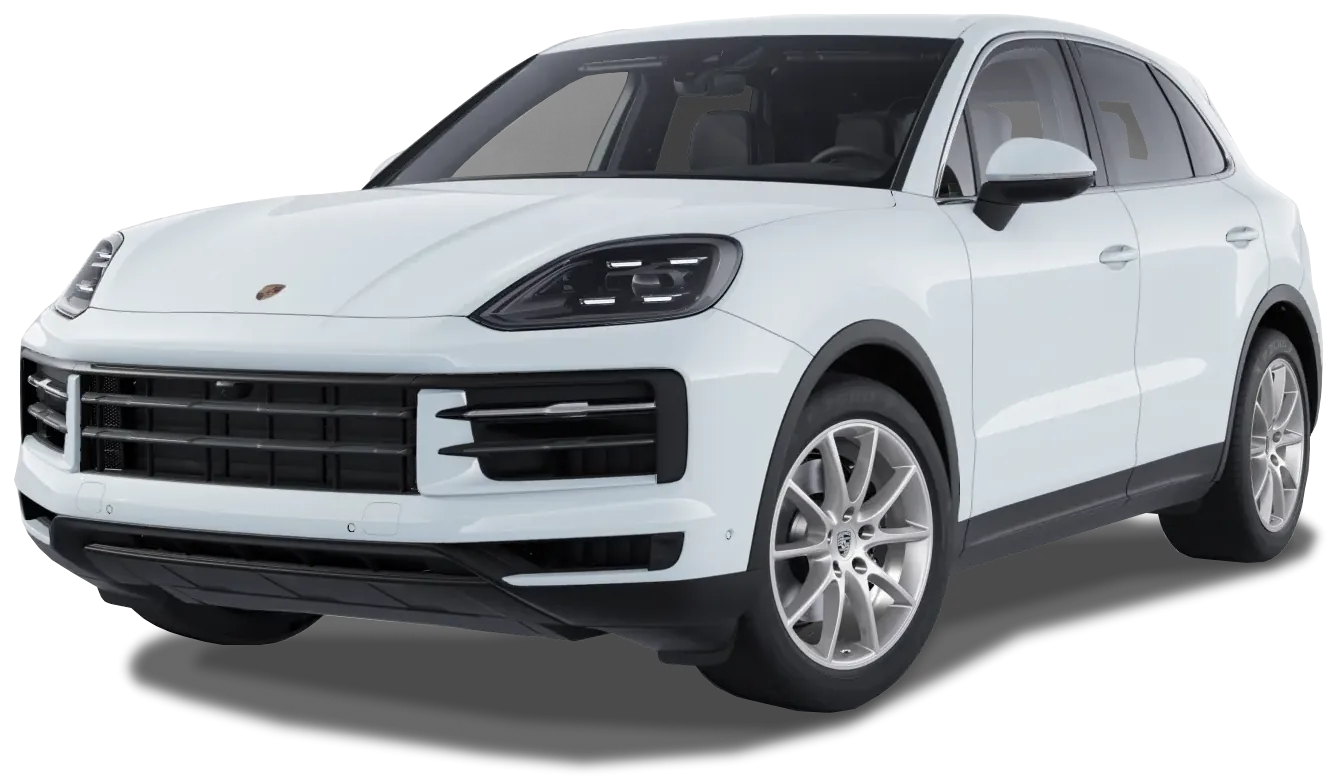
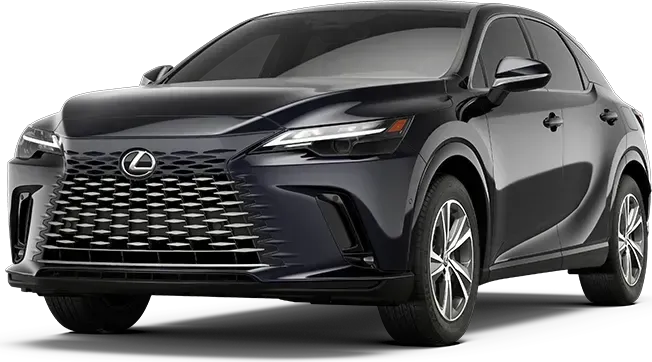
Also looking at these instead of a Model X?
Cars shoppers compare with the Tesla Model X, with their own 2023 checklists.
2023 owner complaints, side by side
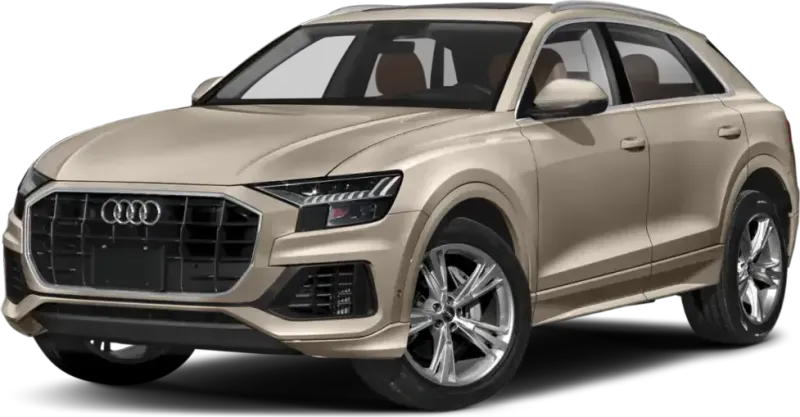
- Audi Q82
- Porsche Cayenne4
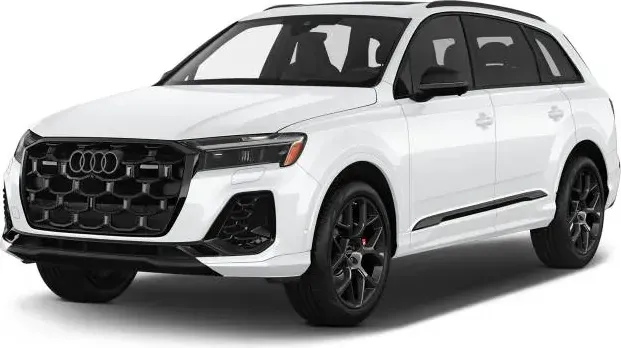
- Audi Q716
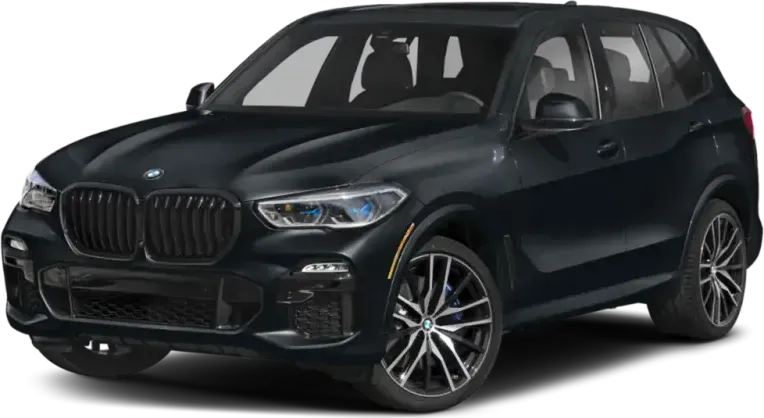
- BMW X524
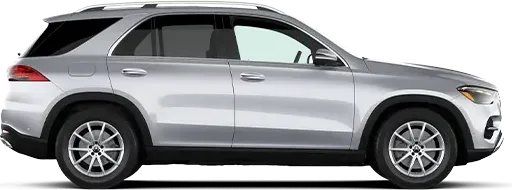
- Mercedes-Benz GLE29
- Lexus RX45
- 2023 Tesla Model X183