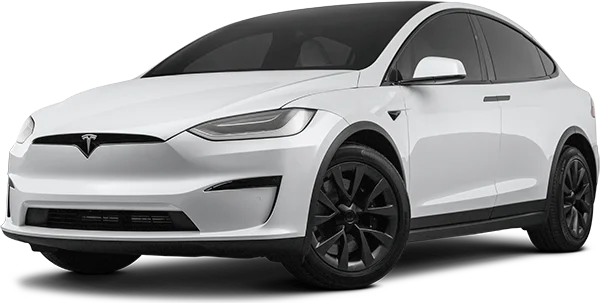
2020 Tesla Model X: What to check before buying
Owners have filed 120 complaints with NHTSA about this car, most about the suspension, electrical, and steering. The 9 checks below target those problems, in the order you would do them at the car.
 2020
- Owner complaints
- 120
- Recalls
- 10
- Crashes reported
- 17
- 6 injuries
Your inspection sheet
Tick items off on your phone at the car, or print it. Ticks stay on this device.
0/9 checked
2020 Tesla Model X: inspection sheet
Paperwork and questions
Before you go, or before you touch the car0/2
Walk-around and cabin
Engine off, key in hand0/1
Cold start, engine bay, and underside
Ask the seller not to warm the car up first0/1
Test drive
At least 20 minutes, with some highway0/5
These checks are specific to this model year. For tires, body panels, fluids, and the other basics every used car needs, use the general inspection guide.
Which Model X is it?
EPA figures for each version of the 2020 Tesla Model X. Use them to confirm you are looking at the version that was advertised, and as a yardstick on the test drive.
| Version | Drive | EPA rating |
|---|---|---|
| Electric | AWD | 351 mi range |
- With a full charge, the range estimate on the dash should land near the EPA figure of 351 miles. A much lower number on a mild day can mean a worn battery; ask for a battery health report.
Check the odometer against these mileages
Owners report these failures starting around the mileages below. A car inside one of these ranges deserves a closer look at that part, or records showing it was already fixed.
Phantom braking on cruise
7,000–50,000 miles
Half-shaft acceleration shudder
11,000–46,000 miles
Inner-edge tire wear
14,000–15,000 miles
Front suspension creaking, arm failures
23,000–62,000 miles
Why these checks: what owners reported
NHTSA complaints for the 2020 Tesla Model X, grouped by the part owners named. Open a row to read what goes wrong.
Suspension281 crash
Front half-shafts cause a violent shudder or bounce under acceleration, often around 30 to 40 mph. Many cars get new axles more than once, and owners are told service bulletin SB-21-39-001 is not a permanent fix. Rear camber can't be adjusted, which leaves heavy inner-edge tire wear, sometimes down to the cord by 14,000 miles. The tires also can't be rotated because the front and rear sizes differ. Control arms, suspension links and ball joints fail and get replaced repeatedly. Several filings are junkyard posts by third parties, and the one crash report is about an insurance repair dispute.
Electrical223 crashes
Falcon doors refuse to open because they detect an obstruction that isn't there. Overriding doesn't help, and rear passengers have to climb out the front. Some cars drain the 12V battery while parked, show low-voltage warnings, and lose ABS, brake hold and power steering on the move. Other reports describe false pre-collision braking, a frunk lid flying open at highway speed, and a failed self-driving computer at about 76,000 miles. Three of these complaints involve crashes, including unintended acceleration reports and a Smart Summon collision.
Steering181 crash
The front end creaks, squeaks or knocks when turning or going over bumps. Shops trace it to control arms, fore and aft links, ball joints and the sway bar, and the noise often returns after repairs. A steering assist reduced warning can come with traction, stability and emergency braking all shutting off at once. In one report the wheel locked completely. Acceleration shudder through the wheel at 15 to 45 mph also shows up here. One crash report describes a front suspension housing cracking at 70 mph, which caused two blowouts and loss of control.
Acceleration and cruise control127 crashes
The car suddenly speeds up at low speed: while parking, in drive-thru lines, or sitting at a light. Drivers say braking did not stop it. Seven of the 12 complaints involve crashes and two involve injuries, and some happened on nearly new cars. Other reports describe hard phantom braking on Autopilot or adaptive cruise at highway speed with nothing ahead, which nearly caused rear-end collisions. In one report the cruise control set speed jumps up or down on its own several times a day.
Automatic emergency braking81 crash
Phantom braking dominates these reports. On Autopilot or adaptive cruise, the car brakes hard with no traffic or obstacle ahead. It happens on open highways, when cresting a rise, or when the car seems to think it is in a construction zone, dropping from 60 or 70 mph to 45. Some owners say it happens weekly and caused several near rear-end collisions, so they stopped using the features. Reports span roughly 10,000 to 50,000 miles. The single crash entry mentions only sudden acceleration.
Seats4No crashes
In one report the driver's seat moves toward the steering wheel on its own at 70 mph and again while parked. In others it sticks after reclining and won't adjust, or slides on its tracks during driving and braking. One car got a whole new seat assembly. Rear seat restraint and seat safety system fault messages also appear. One owner was told the service center has been investigating the error for two years without a fix.
Transmission31 crash
This category has only three complaints, and each is different. One car surged while pulling into a parking space and hit a retaining wall. In another, the accelerator pedal broke off while climbing a hill, which left the car stranded on a blind curve and needing a tow. A third car made a constant grinding and whining noise at about 30 mph. The dealer traced it to a front half-shaft at about 46,000 miles.
Body and structure3No crashes
In one report a front subframe bolt sheared after a dip in a parking lot. After that, every turn and bump made a metal-on-metal noise. A rear falcon door doesn't close on the first press, scrapes the C-pillar, and sometimes stops halfway, so passengers have to climb over to get in or out. Repeat service visits haven't fixed it. In another case the side mirrors unfolded while backing out of a garage, which damaged one mirror.
In owners' own words
Excerpts from complaints Model X owners filed with NHTSA, as written. Listen for the same symptoms on your test drive.
I had my car for almost 12 months and have drive ~11000 miles. In the past one month, I started experiencing a violent shudder/vibration during initial acceleration between ~30-40mph. Tesla service has refused to act upon this issue saying they don't have a fix for this issue. They do have a service bulletin SB-21-39-001 issued for this problem but mentioned that this is not a permanent fix for this issue. Finally, nothing was done to address the issue.
Filed with NHTSA, June 2021
We purchased a Tesla Model X 2 years ago and have driven a little over 10,000 miles on it. The car has had continuous suspension problems which resulted in replacing the half shaft twice, control arms and now suspension pins. We drive solely on city roads and highways, it does not seem safe that a car used for regular commute to/from work and school would have such serious mechanical problems so early on.
Filed with NHTSA, March 2025
The vehicle's A/C system was not working as intended, noticing air is blowing very weak. The vehicle was took to tesla service center and was told that rodents had gotten into the vehicle (not sure how) and chewed wire systems and air filters. Tesla reports the damages affected a/c systems and electrical control for the vehicle including auto pilot assistant. Cost of repair was $2020.17, not covered by tesla insurance.
Filed with NHTSA, August 2023
On at least 3 separate occasions, we parked the vehicle in a lot with no cars or obstructions nearby. We attemped to open the falcon doors to get our baby out and they would not open signalling an 'obstruction'. Then we attempted to override the obstruction and it refused to override. We had to remove our baby out of the front of the vehicle. I've reached out to Tesla for over one month with zero support.
Filed with NHTSA, April 2024
I saw a warning light briefly about the suspension then the car started making very large squeals is sounds like metal on metal in the steering underneath me as the driver and the front end - looked at the suspension pictures and not seeing anything with the ride on the computer screen. I have 62,000 mikes on my car - owned it for a little more than 14 months - drive a lot as a real estate broker
Filed with NHTSA, December 2021
We have taken the vehicle to Tesla service center multiple times (3 or 4) for the passenger side suspension creaking. Fore and aft links replaced as well as upper control arms. Car continues to make noise and service center stating they cannot duplicate the problem - this is happening to multiple model x.
Filed with NHTSA, February 2024
How the 2020 compares with other Model X years
Complaints for this year next to the average for the other model years, area by area.
The 2020 ranks third for owner complaints among 7 Model X years, about 1.5 times the average of the others. Newer years have had less time to collect complaints, so compare like with like.
- Suspension2810
- Electrical2210
- Steering1812
- Acceleration and cruise control124
- Automatic emergency braking84
- Seats42
Where the 2020 fits in the Model X's history
Redesigns and mid-cycle updates change what can go wrong.
The 2020 is the sixth model year of the Model X's first generation (2015–2023).
Tesla updated the Model X for 2021, so a 2020 does not have those changes.
What changed for 2021 (not on a 2020)
- Introduction of the Plaid performance model
- Updated interior and powertrain
Recalls to confirm (10)
Recall repairs are free at any Tesla dealer, but the seller may never have had them done. Check each campaign number against the VIN.
24V376000Seat beltsMay 2024
Tesla, Inc. (Tesla) is recalling certain 2012-2024 Model S, 2015-2024 Model X, 2017-2023 Model 3, and 2020-2023 Model Y vehicles. In the event of an unbelted driver, the seat belt warning light and audible chime may not activate as intended. As such, these vehicles fail to comply with the requirements of Federal Motor Vehicle Safety Standard number 208, "Occupant Crash Protection.".
Risk: A seat belt warning system that fails to alert occupants of an unbelted seat belt can increase the risk of injury during a crash.
Fix: Tesla will release an over-the-air (OTA) software update. Owner notification letters were mailed July 26, 2024. Owners may contact Tesla customer service at 1-877-798-3752. Tesla's number for this recall is SB-24-00-008.
24V153000Automatic emergency brakingFeb 2024
Tesla, Inc. (Tesla) is recalling certain 2013, 2018-2021 Model S, 2020-2021 Model X, 2018-2022 Model 3, and 2020-2022 Model Y vehicles. A factory reset muted the Pedestrian Warning System (PWS) sounds. As such, these vehicles fail to comply with the requirements of Federal Motor Vehicle Safety Standard number 141, "Minimum Sound Requirements for Hybrid and Electric Vehicles.".
Risk: Pedestrians may be unaware of an approaching vehicle if the PWS sounds are muted, increasing the risk of a crash.
Fix: Tesla released an over-the-air (OTA) software update, release 2023.44.30.14, free of charge. Owner notification letters were mailed April 27, 2024. Owners may contact Tesla customer service at 1-877-798-3752. Tesla's number for this recall is SB-24-00-006.
24V051000ElectricalJan 2024
Tesla, Inc. (Tesla) is recalling certain 2012-2023 Model S, 2016-2024 Model X, 2017-2023 Model 3, 2019-2024 Model Y, and 2024 Cybertruck vehicles. An incorrect font size is displayed on the instrument panel for the Brake, Park, and Antilock Brake System (ABS) warning lights. As such, these vehicles fail to comply with the requirements of Federal Motor Vehicle Safety Standard number 105, "Hydraulic and Electric Brake Systems" and 135, "Light Vehicle Brake Systems.".
Risk: Warning lights with a smaller font size can make critical safety information on the instrument panel difficult to read, increasing the risk of a crash.
Fix: Tesla began releasing an over-the-air (OTA) software update, free of charge. Owners may contact Tesla customer service at 1-877-798-3752. Tesla's number for this recall is SB-24-00-003.
23V838000ElectricalDec 2023
Tesla, Inc. (Tesla) is recalling 2012-2023 Model S, 2016-2023 Model X, 2017-2023 Model 3, and 2020-2023 Model Y vehicles equipped with all versions of Autosteer leading up to the version(s) that contains the recall remedy. In certain circumstances when Autosteer is engaged, the prominence and scope of the feature's controls may not be sufficient to prevent driver misuse of the SAE Level 2 advanced driver-assistance feature.
Risk: In certain circumstances when Autosteer is engaged, and the driver does not maintain responsibility for vehicle operation and is unprepared to intervene as necessary or fails to recognize when Autosteer is canceled or not engaged, there may be an increased risk of a crash.
Fix: Tesla will release an over-the-air (OTA) software update, free of charge. Owner notification letters were mailed February 10, 2024. Owners may contact Tesla customer service at 1-877-798-3752. Tesla's number for this recall is SB-23-00-008.
23V085000SteeringFeb 2023
Tesla, Inc. (Tesla) is recalling certain 2016-2023 Model S, Model X, 2017-2023 Model 3, and 2020-2023 Model Y vehicles equipped with Full Self-Driving Beta (FSD Beta) software or pending installation. The FSD Beta system may allow the vehicle to act unsafe around intersections, such as traveling straight through an intersection while in a turn-only lane, entering a stop sign-controlled intersection without coming to a complete stop, or proceeding into an intersection during a steady yellow traffic signal without due caution. In addition, the system may respond insufficiently to changes in posted speed limits or not adequately account for the driver's adjustment of the vehicle's speed to exceed posted speed limits.
Risk: FSD Beta software that allows a vehicle to exceed speed limits or travel through intersections in an unlawful or unpredictable manner increases the risk of a crash.
Fix: Tesla will release an over-the-air (OTA) software update, free of charge. Owner notification letters were mailed April 15, 2023. Owners may contact Tesla customer service at 1-877-798-3752. Tesla's number for this recall is SB-23-00-001.
22V818000SteeringNov 2022
Tesla, Inc. (Tesla) is recalling certain 2017-2021 Model S and Model X vehicles. The electronic power assist steering (EPAS) system may experience a loss of power steering assist when driving on rough roads or after hitting a pothole.
Risk: A loss of power steering assist can require greater steering effort, especially at low speeds, increasing the risk of a crash.
Fix: Tesla has released an over-the-air (OTA) software update to recalibrate the EPAS system, free of charge. Owner notification letters were mailed December 31, 2022. Owners may contact Tesla customer service at 1-877-798-3752. Tesla's number for this recall is SB-22-00-014.
22V235000ElectricalApr 2022
Tesla, Inc. (Tesla) is recalling certain 2020-2022 Model Y, Model X, Model S, and 2017-2022 Model 3 vehicles. The Boombox function allows sounds to be played through an external speaker while the vehicle is in motion, which may obscure the Pedestrian Warning System (PWS) sounds. As such, these vehicles fail to comply with the requirements of Federal Motor Vehicle Safety Standard number 141, "Minimum Sound Requirements for Hybrid and Electric Vehicles.".
Risk: Pedestrians may be unaware of an approaching vehicle if the PWS sounds are obscured, increasing the risk of a crash.
Fix: Tesla will perform an over-the-air (OTA) software update that will disable the Boombox functionality when the vehicle is in Drive, Neutral and Reverse modes, including Summon and Smart Summon, free of charge. Owner notification letters were mailed June 6, 2022. Owners may contact Tesla customer service at 1-877-798-3752. Tesla's number for this recall is SB-22-00-003. Note: This recall supersedes recall 22V-063. Vehicles configured with Summon or Smart Summon and already remedied under 22V-063 will need to have the new remedy software installed.
22V063000ElectricalFeb 2022
Tesla, Inc. (Tesla) is recalling certain 2020-2022 Model S, Model X, Model Y, and 2017-2022 Model 3 vehicles. The Boombox function allows sounds to be played through an external speaker while the vehicle is in motion, which may obscure the Pedestrian Warning System (PWS) sounds. As such, these vehicles fail to comply with the requirements of Federal Motor Vehicle Safety Standard number 141, "Minimum Sound Requirements for Hybrid and Electric Vehicles.".
Risk: Pedestrians may be unaware of an approaching vehicle if the PWS sounds are obscured, increasing the risk of a crash.
Fix: Tesla will perform an over-the-air (OTA) software update that will disable the Boombox functionality when the vehicle is in Drive, Neutral and Reverse modes, free of charge. Owner notification letters are expected to be mailed April 5, 2022. Owners may contact Tesla customer service at 1-877-798-3752. Tesla's number for this recall is SB-22-00-003. Note: This recall has been superseded by Recall 22V-235. Tesla's number for the new recall is SB-22-00-003.
22V037000ElectricalJan 2022
Tesla, Inc. (Tesla) is recalling certain 2016-2022 Model S and Model X, 2017-2022 Model 3, and 2020-2022 Model Y vehicles. The "rolling stop" functionality available as part of the Full Self-Driving (Beta) software may allow the vehicle to travel through an all-way stop intersection without first coming to a stop.
Risk: Failing to stop at a stop sign can increase the risk of a crash.
Fix: Tesla will perform an over-the-air (OTA) software update that disables the "rolling stop" functionality, free of charge. Owner notification letters were mailed March 28, 2022. Owners may contact Tesla customer service at 1-877-798-3752. Tesla's number for this recall is SB-22-00-001.
21V846000Automatic emergency brakingOct 2021
Tesla, Inc. (Tesla) is recalling certain 2017-2021 Model S, Model 3, Model X, and 2020-2021 Model Y vehicles operating software version 2021.36.5.2. A communication error may cause false forward-collision warning (FCW) or unexpected activation of the automatic emergency brake (AEB) system.
Risk: Unexpected activation of the AEB system may cause the car to stop suddenly, increasing the risk of a crash.
Fix: Tesla Service has released an over-the-air (OTA) software update, free of charge. The recall began October 25, 2021. Owners may contact Tesla customer service at 1-877-798-3752. Tesla's number for this recall is SB-21-00-004.
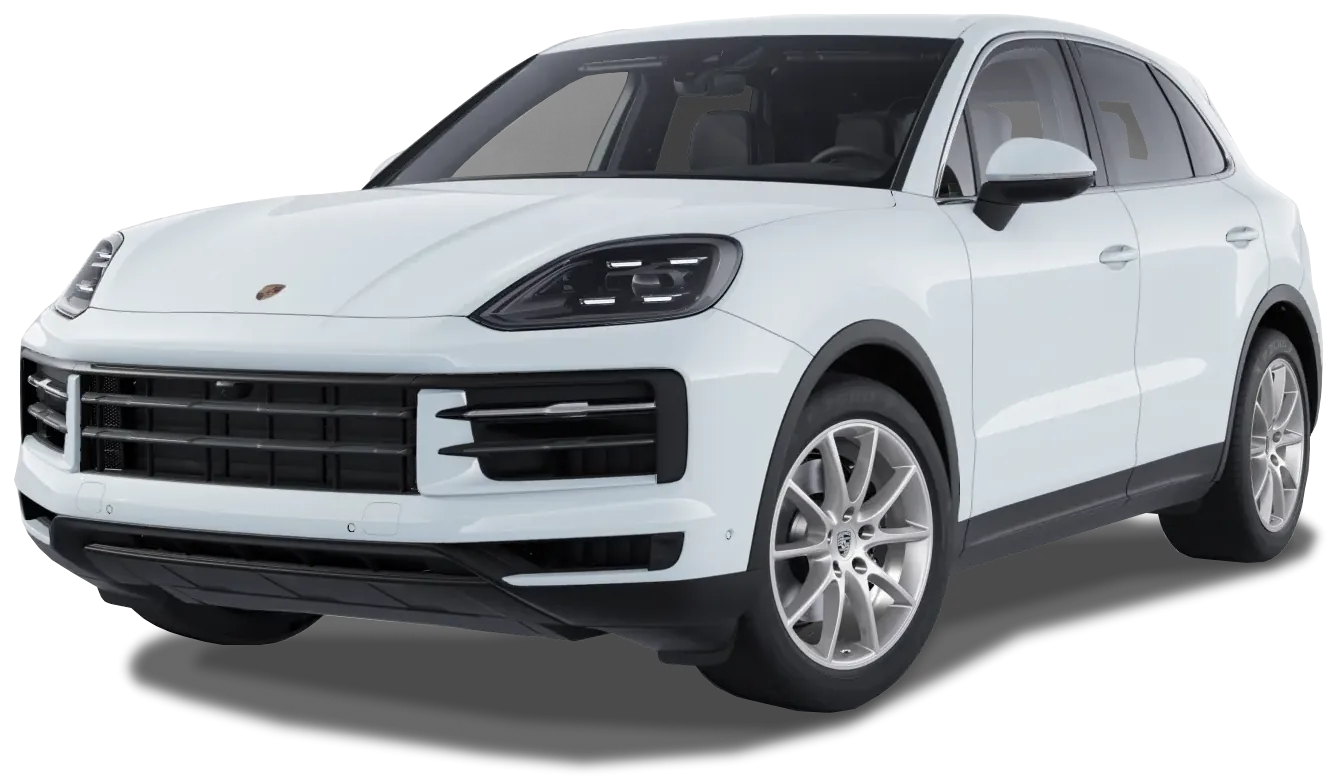
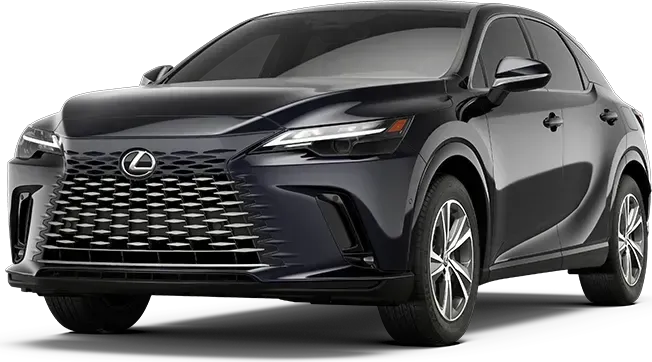
Also looking at these instead of a Model X?
Cars shoppers compare with the Tesla Model X, with their own 2020 checklists.
2020 owner complaints, side by side
- Porsche Cayenne14
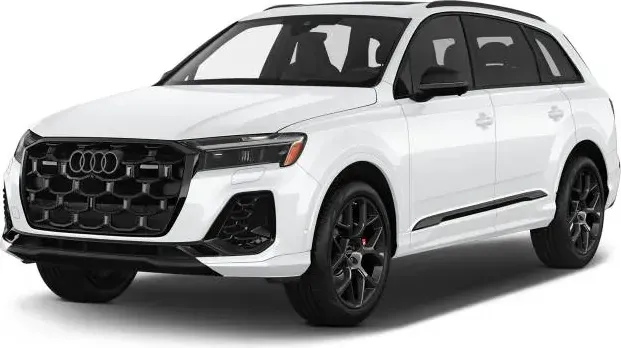
- Audi Q722
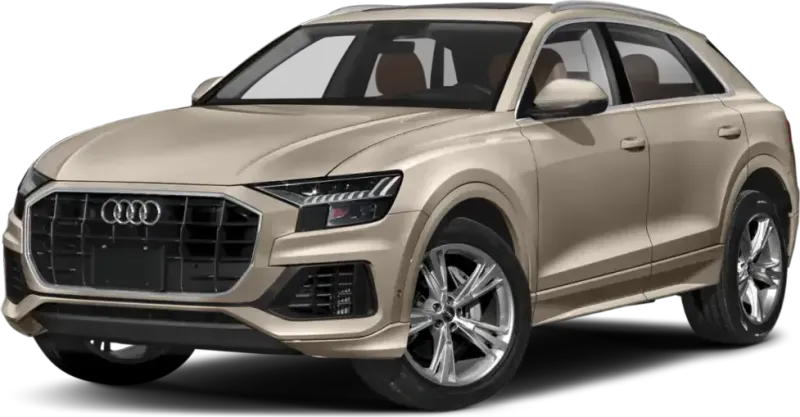
- Audi Q825
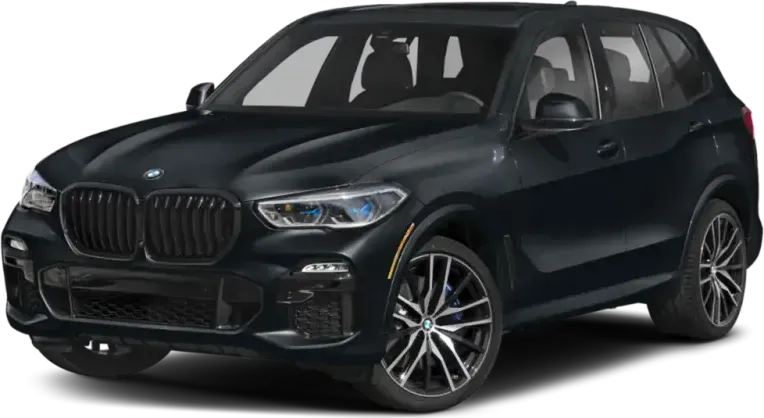
- BMW X581
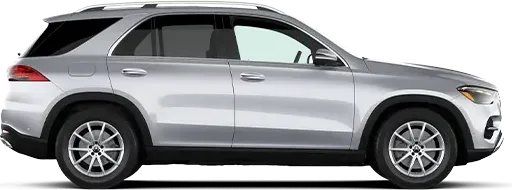
- Mercedes-Benz GLE112
- 2020 Tesla Model X120
- Lexus RX130