2023 Hyundai Santa Cruz: What to check before buying
Owners have filed 73 complaints with NHTSA about this car, most about the transmission, electrical, and engine. The 10 checks below target those problems, in the order you would do them at the car.
 2023
- Owner complaints
- 73
- Recalls
- 2
- 1 urgent
- Crashes reported
- 1
- 1 injury
One recall on this model year told owners to park outside until the repair was done.
Do not buy until you have dealer paperwork or a recall lookup showing it was completed for this VIN.
Your inspection sheet
Tick items off on your phone at the car, or print it. Ticks stay on this device.
0/10 checked
2023 Hyundai Santa Cruz: inspection sheet
Paperwork and questions
Before you go, or before you touch the car0/3
Cold start, engine bay, and underside
Ask the seller not to warm the car up first0/5
Test drive
At least 20 minutes, with some highway0/2
These checks are specific to this model year. For tires, body panels, fluids, and the other basics every used car needs, use the general inspection guide.
Which Santa Cruz is it?
EPA figures for each version of the 2023 Hyundai Santa Cruz. Use them to confirm you are looking at the version that was advertised, and as a yardstick on the test drive.
| Version | Drive | EPA rating |
|---|---|---|
| 2.5L 4-cyl | AWD, FWD | 23 mpg |
- Reset the trip computer at the start of the drive. A Santa Cruz that averages well under the EPA 23 mpg combined on a mixed route may have an engine or tire problem.
Check the odometer against these mileages
Owners report these failures starting around the mileages below. A car inside one of these ranges deserves a closer look at that part, or records showing it was already fixed.
Sudden loss of acceleration
1,360–3,000 miles
Misfires from faulty fuel injectors
20,000–36,000 miles
Why these checks: what owners reported
NHTSA complaints for the 2023 Hyundai Santa Cruz, grouped by the part owners named. Open a row to read what goes wrong.
Transmission25No crashes
Sudden loss of acceleration is the main complaint. The engine revs to 3,500 to 4,000 rpm while the truck crawls at 20 to 45 mph, often while merging, turning across traffic, or entering a highway. Many reports say no warning light comes on. Others see a transmission error or low transmission fluid message, and code P193B-79 is cited more than once. Restarting usually clears it. Several cases begin under 3,000 miles. Dealers often cannot reproduce the fault, and one owner is on a second transmission. Misfires from faulty fuel injectors and shudder from a stop also appear.
Electrical11No crashes
Fire is the most serious risk here. Two reports describe fires in parked vehicles: one at the rear near the tow hitch with the engine off, one in an attached garage shortly after parking. Other complaints describe every dash warning light coming on with no throttle response, rough cold idle and misfires, and stalling followed by a burning plastic smell. Failed trailer and taillight wiring harnesses, silent safety warning chimes traced to a loose radio connection, false emergency braking, and headlights cycling on and off in automatic mode round out the list.
Engine8No crashes
Fluid leaks lead these reports. Oil seeps from the oil pan gasket or the oil filter cap, sometimes bad enough to trigger the low oil light, and repairs do not always hold. Coolant escapes through a faulty reservoir cap seal. Small rocks pass through the open lower grille and puncture the radiator, in one case at about 3,000 miles, with warranty coverage denied. A cylinder 3 fuel injector failure with code P030300 near 36000 miles, a failed thermostat leaving no cabin heat, and repeated loss of power also appear.
Brakes3No crashes
Unexpected braking at speed is the common thread. The automatic emergency braking system activates on the freeway at 60 to 70 mph with nothing ahead, slowing the truck briefly before releasing. In another case the electric parking brake engages at 70 mph and later at 25 mph, nearly causing crashes; the dealer replaced the parking brake cables and rear calipers but faced a month-plus wait for parts. Restarting clears the fault, and dealers often cannot reproduce it. One report starts at 1,000 miles.
Trailer Hitches3No crashes
None of these complaints describe a hitch failure. All three come from owners who received a trailer hitch recall notice and could not get the repair because parts were not available. Dealers confirmed the shortage, and owners say the wait has gone on too long. The pattern is a parts distribution delay rather than a reported breakdown, though fire reports filed under other components mention the tow hitch area.
Exterior lights3No crashes
Condensation builds up inside the taillights, and replacement units can fog again, leading to repeat dealer visits and worry that brake or turn signals could fail. Headlight complaints focus on the low-mounted front lamps. Owners describe a dark spot covering the left lane and halogen bulbs on lower trims that are dim and project unusually low at night. One owner says the dealer called the headlight pattern a manufacturer issue that cannot be resolved.
Airbags21 crash
Two different problems appear. In one crash, the truck hit a pole while parking at 1,200 miles, the air bags did not deploy, and the driver was injured. Separately, the air bag warning light comes on and off at random. A dealer cleaned and reconnected a sensor switch, but the light returned within a block, and the dealer then planned to replace an air bag component.
Body and structure2No crashes
A fire starts at the rear driver's side quarter panel of a parked truck with no warning lights beforehand, and the fire department had to put it out. The other report describes the tailgate opening on its own at low speed, once in a parking lot and once while pulling out of a driveway, twice within 3 months of ownership. Both tailgate incidents happened with the bed empty.
In owners' own words
Excerpts from complaints Santa Cruz owners filed with NHTSA, as written. Listen for the same symptoms on your test drive.
Vehicle has multiple engine misfires, resulting from faulty fuel injectors. Unable to maintain speed, vehicle controls become hard to control due to vehicles engine misfires. Vehicle has less ten 20,000 miles. Dealership unable to obtain new fuel injectors due to manufacture not having supply. Vehicle in shop longer for 30 days. Contacted Hyundai USA told that Hyundai knows about problem but has so plan to rectify situation.
Filed with NHTSA, October 2023
Loss of power during driving No warning or warning lights vehicle would not accelerate engine speed increased only to 3k rpm’s but vehicle would not accelerate This could have been life threatening if I was in traffic Shut vehicle off and restarted problem when away From looking on forums this is an issue with the Santa Cruz
Filed with NHTSA, August 2024
Less than a week after purchasing the vehicle, the audio stopped working. All warnings had no audible indication, including lane departure, rear collision, front collision, blind spot, and back seat. Looking up the issue online, it seems this is common on the trim of my vehicle (Limited). I brought it to the dealership for repair. When I got it back, they said there was a loose connection in the back of the radio.
Filed with NHTSA, October 2022
Oil filter cap oil leak problem. Typical problem with this vehicles that require attention. These defective oil leak caps are a safety and environmental concern. The engine almost starved of oil while driving on the highway. Manufacturer has been contacted and are not proactive in taking care of this defect.
Filed with NHTSA, April 2025
While driving the vehicle during winter the temperature of the engine dropped due to thermostat failure leading to no heat in the cabin and a check engine light. Vehicle was towed to the dealer as this failure can cause both engine damage and is unsafe for the occupants in freezing temperatures.
Filed with NHTSA, January 2024
The emergency brake system comes on while driving 60 - 70 miles an hour on freeway. It has happened twice. It does not happen every time I drive 60 - 70. The light comes on stating Emergency Braking and my vehicle slows down. It does not last for very long then goes away. I took it to the dealership and it did not do it for them. They kept it 3 days.
Filed with NHTSA, March 2025
How the 2023 compares with other Santa Cruz years
Complaints for this year next to the average for the other model years, area by area.
The 2023 ranks second for owner complaints among 4 Santa Cruz years, close to the average of the others. Newer years have had less time to collect complaints, so compare like with like.
- Transmission2530
- Electrical115
- Engine86
- Brakes31
- Trailer Hitches31
- Exterior lights33
Where the 2023 fits in the Santa Cruz's history
Redesigns and mid-cycle updates change what can go wrong.
The 2023 is the second model year of the Santa Cruz's first generation (2022–2023).
Hyundai updated the Santa Cruz for 2025, so a 2023 does not have those changes.
What changed for 2025 (not on a 2023)
- New headlights with redesigned LED daytime running lights
- New front fascia
- New grille
- New exterior colors
- New alloy wheel designs
- New curved panoramic screen with two 12.3-inch displays
Recalls to confirm (2)
Recall repairs are free at any Hyundai dealer, but the seller may never have had them done. Check each campaign number against the VIN.
23V181000Trailer HitchesPark outsideMar 2023
Hyundai Motor America (Hyundai) is recalling certain 2019-2023 Santa Fe, 2021-2023 Santa Fe HEV, 2022-2023 Santa Fe Plug-in HEV and Santa Cruz vehicles potentially equipped with a tow hitch harness installed as original equipment, or purchased as an accessory through a Hyundai dealership. Water accumulation on the tow hitch harness module printed circuit board (PCB) may cause an electrical short, which can result in a fire.
Risk: A fire while parked or driving can increase the risk of injury.
Fix: Owners are advised to park their vehicles outside and away from structures until the remedy is completed. Dealers will install a new fuse and wire extension kit as necessary, free of charge. Owner notification letters were mailed starting May 16, 2023. Owners may contact Hyundai customer service at 1-855-371-9460. Hyundai's number for this recall is 244. This recall is an expansion of previous recall number 22V-633.
23V038000Body and structureJan 2023
Hyundai Motor America (Hyundai) is recalling certain 2022 Tucson and 2022-2023 Santa Cruz vehicles. The roof moldings may detach.
Risk: A detached roof molding could become a road hazard, increasing the risk of a crash.
Fix: Dealers will inspect and replace, or secure the roof moldings, as necessary, free of charge. Owner notification letters were mailed March 30, 2023. Owners may contact Hyundai customer service at 1-855-371-9460. Hyundai's number for this recall is 241.
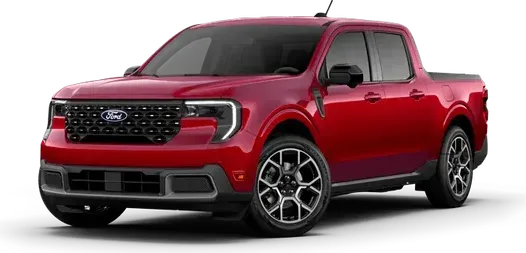
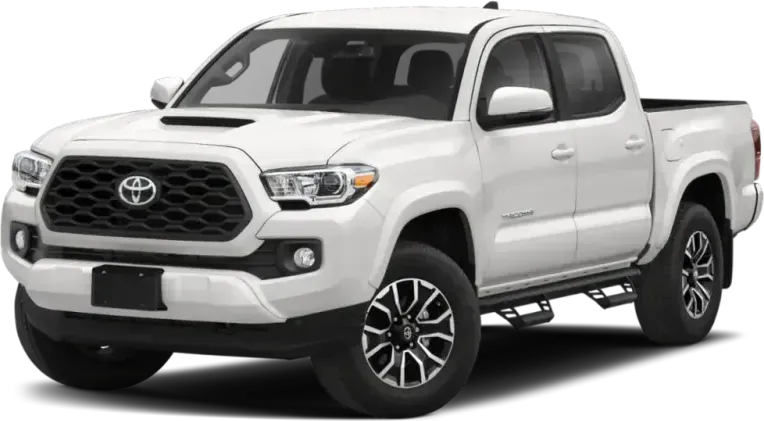
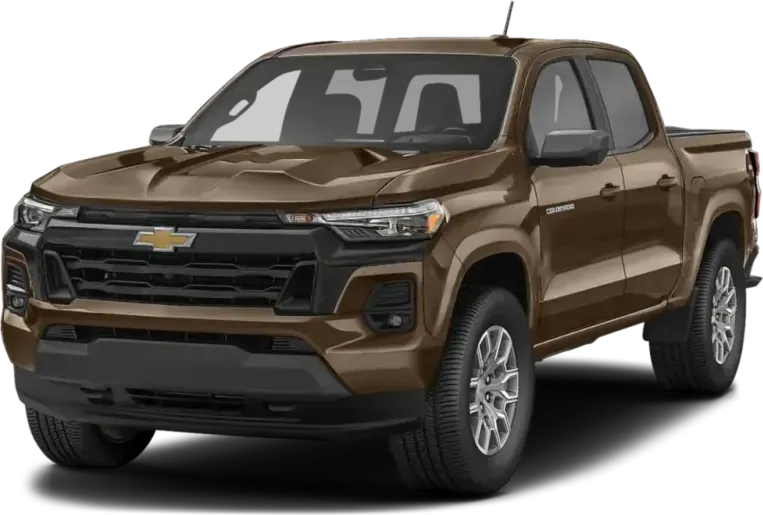
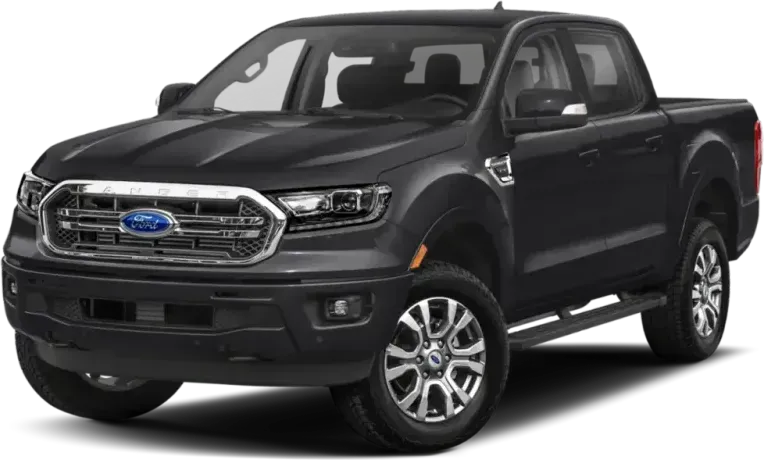
Also looking at these instead of a Santa Cruz?
Cars shoppers compare with the Hyundai Santa Cruz, with their own 2023 checklists.
2023 owner complaints, side by side
- Ford Ranger16
- Toyota Tacoma42
- 2023 Hyundai Santa Cruz73
- Chevrolet Colorado113
- Ford Maverick308