Used Car Checklists

Used 2017 Honda Fit: What to look for before buying

Owners have filed 43 complaints with NHTSA about this car, most about the electrical, engine, and fuel system. The 8 checks below target those problems, in the order you would do them at the car.

NHTSA data through October 2026Updated Maintained by Arnas Kazlaus

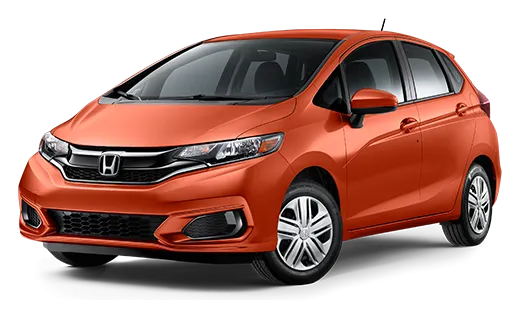
Honda Fit2017
Owner complaints
43
Recalls
0
Crashes reported
0
1 injury
Reliability
Excellent
83/100 on Auto Reliability Index

Run the VIN before you go

A history report shows accidents, title brands, odometer readings, and open recalls for this 2017 Honda Fit. Ask the seller for the VIN; it is also on the dash at the base of the windshield.

Your inspection sheet

Tick items off on your phone at the car, or print it. Ticks stay on this device.

These checks are specific to this model year. For tires, body panels, fluids, and the other basics every used car needs, use the general inspection guide.

Reported on other Fit years with the same design

These years share the 2017's design and most of its parts, so their problems are the ones to look for on this car too.

2018 Fit

117 owner complaints
  • Fuel system 36
  • Electrical 30
  • Engine 12

Worth adding to your 2017 checks

  • Start the engine cold and listen for grinding or rattling in the first seconds, a sign of VTC actuator trouble.
  • Scan for stored misfire codes such as P0300 to P0304 or P219A, and ask for injector or carbon-cleaning records.
  • On a cold start, confirm the fuel and odometer display reads cleanly without flickering, scrambled digits, or blanking.
Open the 2018 checklist

2016 Fit

122 owner complaints
  • Electrical 51
  • Fuel system 11
  • Wheels and tires 11

Worth adding to your 2017 checks

  • Start the car cold and watch the right-side fuel and odometer display for blanking, flickering, or garbled characters.
  • Listen at cold start for a rattle or grind lasting a second or two from the engine.
  • Scan for stored misfire codes and ask for records showing fuel injector replacement.
Open the 2016 checklist

2019 Fit

139 owner complaints
  • Fuel system 50
  • Electrical 44
  • Body and structure 8

Worth adding to your 2017 checks

  • Start the car cold and confirm the right-side display shows fuel level and odometer without blanking or scrambled characters.
  • Ask for service records showing fuel injector replacement or carbon cleaning, and scan for codes P0302, P0304, and P219A.
  • Let the engine idle, then accelerate firmly, and feel for shaking, sputtering, or hesitation.
Open the 2019 checklist

Which Fit is it?

EPA figures for each version of the 2017 Honda Fit. Use them to confirm you are looking at the version that was advertised, and as a yardstick on the test drive.

VersionDriveEPA rating
1.5L 4-cylFWD36 mpg
  • Reset the trip computer at the start of the drive. A Fit that averages well under the EPA 36 mpg combined on a mixed route may have an engine or tire problem.

Check the odometer against these mileages

Owners report these failures starting around the mileages below. A car inside one of these ranges deserves a closer look at that part, or records showing it was already fixed.

  • Fuel injector and P0420 faults

    46,000–88,000 miles

0 mi25k50k75k100k

Why these checks: what owners reported

NHTSA complaints for the 2017 Honda Fit, grouped by the part owners named. Open a row to read what goes wrong.

  • Electrical12No crashes

    The digital display that shows the fuel gauge, odometer, and trip data goes blank, flickers, or fills with jumbled pixels. Most reports tie it to cool, damp mornings. The screen often comes back after 10 to 15 minutes of driving. Until it does, drivers cannot see their fuel level or mileage, so they risk running out of gas. Owners say the fault happens more often as the car ages. Other reports cover rodents chewing through engine wiring, every warning light coming on at once, the console dying during Bluetooth use and leaving the car unable to start, and grinding at push-button start.

  • Engine8No crashes

    A loud rattle lasting about 2 seconds on cold start is the most common report. It usually happens after the car has sat for 6 to 8 hours. Owners blame the VTC actuator and worry it could damage the engine if it fails. A second pattern is more serious: stalling, juddering, and loss of power at freeway speeds, sometimes with a flashing check engine light, which forces drivers onto the shoulder. Several owners say new fuel injectors did not stop the stalling or the harsh jerking. Abnormal vibration at idle also appears.

  • Fuel system6No crashes

    Check engine lights with code P0420 and failing fuel injectors make up most of these reports. They appear between roughly 46,000 and 88,000 miles. Symptoms include sputtering under acceleration, hard or failed starts, shuddering at a stop, and fuel in the oil. Carbon cleaning did not fix an air-fuel ratio fault, and some owners were quoted a new catalytic converter and oxygen sensors before the cause was found. Reported repairs include new injectors and a new fuel joint pipe. A failing VTC actuator, which causes a cold-start rattle, also shows up here.

  • Body and structure5No crashes

    Paint peels, flakes, and chips, most often on the roof, where the clear coat lifts first. Reports also describe chips on the hood and doors that leave bare metal exposed. In the worst case, paint delaminates and rusts across the whole body and the problem returns after a dealer repaint. Damage can start within months of purchase and gets worse over time. In a separate problem, the panel under the oil pan falls off because its fastening clips go missing, and owners call the design flawed.

  • Transmission2No crashes

    The CVT stalls or jerks now and then when shifted from Park to Drive. In one report this started after a routine fluid flush at about 36K miles. The same report says the transmission drops into neutral when slowing down, which makes the car unstable at higher speeds, and that fuel economy dropped noticeably. Two dealers could not fix it because no warning lights came on. The other complaint describes the same cold-start engine rattle reported under Engine, which the owner blames on a defective variable valve timing gear.

In owners' own words

Excerpts from complaints Fit owners filed with NHTSA, as written. Listen for the same symptoms on your test drive.

Electrical
The fuel gauge on the dash goes blank, especially when the weather is cooler, so you can't see how much fuel is in the car. This is obviously dangerous because you could run out of fuel. The problem has been reported by other honda fit owners and a google search brings up many complaints about this issue. It appears to be a design defect. Feel free to contact me if you would like to inspect the car.

Filed with NHTSA, June 2023

Electrical
The odometer is completely useless, unable to tell mileage, fuel level and such. Several reports online of the same issue with honda fits. I could run out of gas unexpectedly, I don't know when its time to change oil.

Filed with NHTSA, November 2023

Engine
The car will stall while on the freeway. Had fuel injectors replaced and still does not drive well. I am now being told I may have to look at the fuel pump which should be working automatically. I have now invested almost 3,000 on a car with less than 90,000 miles on it that is maintained religiously so that nothing happens to it.

Filed with NHTSA, October 2024

Engine
After replacing fuel injectors recently I have no warning lights on but the car has been stalling and pulling. Today on the freeway as I attempted to accelerate from 30 mph my car jerked and pulled 3 times harshly almost causing an accident. Still no warning lights and this has happened multiple times. I have submitted a prior concern and it has not been addressed and the problem only continues and has gotten worse.

Filed with NHTSA, December 2024

Fuel system
Fuel injectors failed. Check engine light suddenly came on. There was fuel in the oil, putting safety at risk. Problem confirmed by a private auto service center. Had to replace fuel injectors and fuel joint pipe. The warranty on fuel injectors has been extended for 2015-2016 Honda Fits. Please help this get extended to the 2017 Honda fit because it is the same part and the same problem.

Filed with NHTSA, October 2024

Body and structure
Chipping paint from the hood and drivers por and all four passenger doors have chipped paint and the bare metal is exposed. Started happening a couple months after I bought the vehicle and progressively getting worse. I have taken it to the dealer at Checkered Honda of Virginia. They said this car didn’t have any paint recalls but they mentioned some Honda civics and accords had paint issues.

Filed with NHTSA, May 2023

How the 2017 compares with other Fit years

Complaints for this year next to the average for the other model years, area by area.

The 2017 ranks fifth for owner complaints among 6 Fit years, well under the average of the others. Newer years have had less time to collect complaints, so compare like with like.

2017 Average of other years
  • Electrical1248
  • Engine813
  • Fuel system625
  • Body and structure56
  • Transmission27

Where the 2017 fits in the Fit's history

Redesigns and mid-cycle updates change what can go wrong.

The 2017 is the third model year of the Fit's third generation (2015–2020).

Honda updated the Fit for 2018, so a 2017 does not have those changes.

What changed for 2018 (not on a 2017)

  • Revised exterior design
  • Introduction of Sport trim

Also looking at these instead of a Fit?

Cars shoppers compare with the Honda Fit, with their own 2017 checklists.