Used 2016 Honda Fit: What to look for before buying
Owners have filed 122 complaints with NHTSA about this car, most about the electrical, fuel system, and wheels and tires. The 9 checks below target those problems, in the order you would do them at the car.
NHTSA data through October 2026Updated Maintained by Arnas Kazlaus
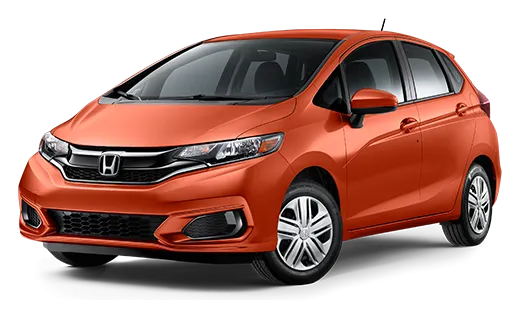 2016
- Owner complaints
- 122
- Recalls
- 1
- Crashes reported
- 5
- 3 injuries
- Reliability
- Good
- 77/100 on Auto Reliability Index
Your inspection sheet
Tick items off on your phone at the car, or print it. Ticks stay on this device.
0/9 checked
2016 Honda Fit: inspection sheet
Paperwork and questions
Before you go, or before you touch the car0/1
Walk-around and cabin
Engine off, key in hand0/2
Cold start, engine bay, and underside
Ask the seller not to warm the car up first0/6
These checks are specific to this model year. For tires, body panels, fluids, and the other basics every used car needs, use the general inspection guide.
Which Fit is it?
EPA figures for each version of the 2016 Honda Fit. Use them to confirm you are looking at the version that was advertised, and as a yardstick on the test drive.
| Version | Drive | EPA rating |
|---|---|---|
| 1.5L 4-cyl | FWD | 36 mpg |
- Reset the trip computer at the start of the drive. A Fit that averages well under the EPA 36 mpg combined on a mixed route may have an engine or tire problem.
Check the odometer against these mileages
Owners report these failures starting around the mileages below. A car inside one of these ranges deserves a closer look at that part, or records showing it was already fixed.
Fuel injector failure and misfires
27,000–60,000 miles
Fuel and odometer display blanking
30,000–52,000 miles
Starter failure, no crank
43,900–44,000 miles
Why these checks: what owners reported
NHTSA complaints for the 2016 Honda Fit, grouped by the part owners named. Open a row to read what goes wrong.
Electrical51No crashes
The right-side display that shows fuel level and the odometer goes blank, flickers, or fills with garbled characters. It is worst in cold weather and often recovers as the car warms, though some cars now do it in summer. Dealers point to the gauge cluster itself. Onset runs from about 16,000 to 52,000 miles. A second pattern is a no-crank start: the lights come on but the engine will not turn over, traced to the starter near 44,000 miles. Rodent-chewed engine wiring, a stuck tire-pressure light, and a costly Smart Power Control Unit failure also appear.
Fuel system111 crash
Fuel injectors fail, causing misfires, a steady check engine light, weak acceleration, lower fuel economy, and sudden loss of power. Several drivers see multiple warning lights at once and have to pull off the highway. One crash-related report describes stalling and lurching with a low fuel rail pressure reading. Failures cluster between roughly 37,000 and 58,000 miles, and the repair replaces all four injectors. Some owners say Honda moved to a revised injector part. One report describes a failing CVT at high mileage despite scheduled service.
Wheels and tires11No crashes
Tire sidewalls bubble, bulge, and crack, and one tire blew out at highway speed. Most reports concern the tires themselves rather than the car, naming Nexen, Dextero, and Firestone tires, with the Firestone failing at about 5,400 miles. Several owners describe repeat failures on the same brand of replacement tire, a shortage of replacement stock, and an awkward reimbursement process from the tire maker. A bulge in one tread caused uneven bald wear and a bump felt while driving.
The tire-pressure warning light comes on with all tires correctly inflated, in one case roughly every 500 miles, and returns after dealers check, change, and rotate the tires. One report describes the opposite fault: no warning light at all after wheels without pressure sensors were installed. Another notes abnormal tire wear by 24,000 miles and trouble finding matching replacement tires. None of these reports involve a crash or injury.
Engine10No crashes
Fuel injector failure dominates here too: misfires, hesitation, limp mode, and a dashboard full of warning lights, sometimes at highway speed and sometimes twice on the same car. Several drivers report the catalytic converter failing afterward, and one dealer blamed that damage on the bad injectors. Some owners cite a Honda service bulletin covering injector replacement. A separate pattern is a rattle or grind for a second or two on cold start, blamed on the VTC actuator; one dealer warned it could let the timing jump. Rodents chewing engine insulation and wiring also appear.
Acceleration and cruise control42 crashes
The car accelerates on its own at low speed. In two crash reports it happened while reversing or pulling into a parking spot, sending the car into a brick wall and over a curb into a storefront window. One driver suffered neck and back injuries. Dealers could not find a cause or reproduce the problem. One of the four reports is misfiled and instead describes the fuel, speed, and odometer display failing in cold weather, which a dealer blamed on a loose solder joint.
Airbags41 crash
Airbags failed to deploy in one crash report involving a rear-end collision that totaled the car. Most other reports describe repair delays and parts shortages: separate driver and passenger airbag notices, driver-side parts arriving first, and no firm date for passenger-side parts, with rental coverage ending in between. Other drivers report driver and passenger inflator warning lights, one of which will not reset, and a steering wheel airbag cover that gets very hot after driving. Check federal recall records for any specific car.
Brakes41 crash
The brake pedal feels mushy and can sink to the floor, and one dealer found nothing until it agreed to bleed the brake lines. Another report describes deep grooves worn into the front rotors by 10,000 miles, which the dealer called normal. The single crash report filed here actually describes the car accelerating on its own while reversing into a stone wall, matching the speed control complaints. A fourth report describes all dashboard warning lights coming on and the system shutting down while driving.
Transmission3No crashes
The CVT breather tube clogs, which can push out the rubber fill plug, spill fluid, and let water and dirt into the transmission. The result is slipping and stuttering when pulling away from a stop, including onto busy roads. Another report describes a transmission fluid leak that a new pan gasket did not fix. On the manual 6-speed, a ticking noise on clutch release persisted after the clutch and throwout bearing were replaced, and Honda called it a normal characteristic.
In owners' own words
Excerpts from complaints Fit owners filed with NHTSA, as written. Listen for the same symptoms on your test drive.
Fuel gage display (including ODOMETER, time and temperature) has disappeared. Backlight on, but no information displayed. This is unsafe when 40+ miles away from a gas station and cannot see the neither the fuel gage or the odometer! First occurred in 2019, with around 40,000 miles, as the years pass it goes out for longer periods of time and more frequently, almost daily, sometimes for a few days.
Filed with NHTSA, December 2021
Vehicle has 16,000 miles on the odometer. Fuel gauge on the right side of the panel often blanks out. Sometimes it comes back when tapped with a finger. Sometimes it flickers while driving. This appears to be a very common problem with this vehicle but has not yet been recalled.
Filed with NHTSA, September 2023
The cvt transmission is going out. The dealer has conformed this. This vehicle only has 120000 miles on it and has had every transmission service that was recommended. When this goes completely it could cause an accident at freeway speeds. I believe this model year needs to be added to the cvt recall list and should be covered by honda to 150000 since they clearly know they have an issue here.
Filed with NHTSA, March 2024
While driving on highway, my car started to lose power. My attempts to maintain speed resulted in my car stalling and lurching forward, intermittently. I had to pull over on the side. Someone with a diagnostic tool checked and the tool read out indicated "Fuel rail pressure too low" and ABS indicated as abnormal.
Filed with NHTSA, August 2022
1. Nexen-P185/55R16 83H 2. A bubble has formed in the sidewall. Can cause Tire blow out. 3. This is the third Nexen tire to form a bubble. I reported the last one a little over a month ago. Tire service provider to order a new tire and replace today. 4. It has not been inspected by law enforcement or investigators. 5. No, there were not.
Filed with NHTSA, August 2025
- Vehicle experienced a cylinder-specific misfire (P0304) at ~60,000 miles - Dealer diagnosed a faulty fuel injector, confirmed as a known issue covered by Honda Service Bulletin 22-002 - The misfire caused rough running / hesitation - As part of the service bulletin, Honda offered to replace the fuel injectors under the following conditions: <10 years from purchase date, <150,000 miles
Filed with NHTSA, October 2026
I start the vehicle when it's cold and the VCT actuator rattles terrible for 1-2 seconds. Honda knows about this problem but will not issue a recall.
Filed with NHTSA, February 2023
How the 2016 compares with other Fit years
Complaints for this year next to the average for the other model years, area by area.
The 2016 ranks third for owner complaints among 6 Fit years, close to the average of the others. Newer years have had less time to collect complaints, so compare like with like.
- Electrical5140
- Fuel system1124
- Wheels and tires110
- Engine1012
- Acceleration and cruise control40
- Airbags44
Where the 2016 fits in the Fit's history
Redesigns and mid-cycle updates change what can go wrong.
The 2016 is the second model year of the Fit's third generation (2015–2020).
Honda updated the Fit for 2018, so a 2016 does not have those changes.
What changed for 2018 (not on a 2016)
- Revised exterior design
- Introduction of Sport trim
Recalls to confirm (1)
Recall repairs are free at any Honda dealer, but the seller may never have had them done. Check each campaign number against the VIN before you buy.
- 15V697000Body and structureOct 2015
Open a campaign number for NHTSA's full notice: what fails, the risk, and the fix.
Also looking at these instead of a Fit?
Cars shoppers compare with the Honda Fit, with their own 2016 checklists.