Used 2018 Chevrolet Volt: What to look for before buying
Owners have filed 229 complaints with NHTSA about this car, most about the electrical, transmission, and fuel system. The 9 checks below target those problems, in the order you would do them at the car.
NHTSA data through October 2026Updated Maintained by Arnas Kazlaus
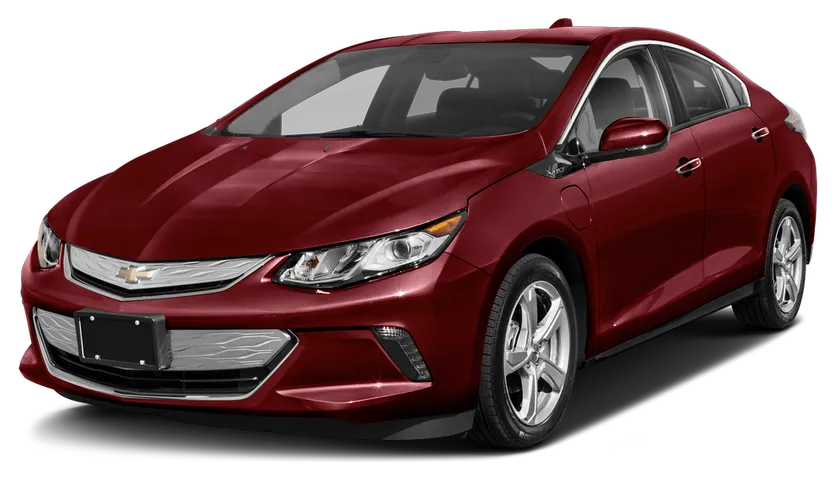 2018
- Owner complaints
- 229
- Recalls
- 2
- Crashes reported
- 4
- 1 injury
- Reliability
- Good
- 60/100 on Auto Reliability Index
Your inspection sheet
Tick items off on your phone at the car, or print it. Ticks stay on this device.
0/9 checked
2018 Chevrolet Volt: inspection sheet
Paperwork and questions
Before you go, or before you touch the car0/4
Walk-around and cabin
Engine off, key in hand0/2
Cold start, engine bay, and underside
Ask the seller not to warm the car up first0/1
Test drive
At least 20 minutes, with some highway0/2
These checks are specific to this model year. For tires, body panels, fluids, and the other basics every used car needs, use the general inspection guide.
Which Volt is it?
EPA figures for each version of the 2018 Chevrolet Volt. Use them to confirm you are looking at the version that was advertised, and as a yardstick on the test drive.
| Version | Drive | EPA rating |
|---|---|---|
| 1.5L 4-cyl | FWD | 420 mi range |
- On the plug-in hybrid, watch for the car moving off on electric power at low speed and for any hybrid system warning on the dash.
- Reset the trip computer at the start of the drive. A Volt that averages well under the EPA 42 mpg combined on a mixed route may have an engine or tire problem.
Check the odometer against these mileages
Owners report these failures starting around the mileages below. A car inside one of these ranges deserves a closer look at that part, or records showing it was already fixed.
EGR valve failure, engine unavailable
20,000–45,000 miles
Why these checks: what owners reported
NHTSA complaints for the 2018 Chevrolet Volt, grouped by the part owners named. Open a row to read what goes wrong.
Electrical70No crashes
The car often refuses to power down. It shows "Shift to Park" while the shifter is already in Park. Lights stay on, the doors will not lock, and the 12-volt battery can drain. Cycling the shifter or pressing its button usually clears the message, but owners say it gets more frequent over time. One dealer replaced a shifter wire harness jumper, and the fault came back. A second pattern is sudden loss of drive power on the highway with a "Propulsion Power Is Reduced" warning. Dealers trace it to the battery energy control module (BECM), with repair bills over $3,000.
Transmission50No crashes
A false "Shift to Park" message dominates these reports. The car will not turn off or lock until the driver works the shifter or restarts it, sometimes several times. In a few cases the shifter stops working entirely and no power reaches the wheels. Other reports describe losing propulsion while driving. The car hesitates in an intersection, jerks and stalls, or shows the park warning at freeway speed and has to be towed. Dealers point to the battery energy control module in some cases, and replacement parts are unavailable.
Fuel system38No crashes
Propulsion cuts out while driving. A "Reduced Propulsion" warning appears, the car slows to a crawl or goes into limp mode, and some cars stop in a travel lane or fail to climb a hill. Electric range can drop to zero without warning, and the gas engine starts on its own. Dealers most often blame the battery energy control module (BECM). Some cases are traced to the EGR valve or catalytic converter. Many complaints center on backordered parts, cars sitting at dealers for a month or more, and no loaner.
Engine28No crashes
The gas engine shuts down mid-drive. "Reduced Propulsion" and then "Engine Not Available" messages appear, often at highway speed, leaving only whatever battery range remains. Drivers end up stranded or towed. Dealers usually diagnose a failed EGR valve, sometimes with the cooler, at roughly 20,000 to 45,000 miles. The part is backordered, and cars sit at dealers for months. A separate pattern is a burnt plastic smell from under the hood once the engine is fully warm, reported on low-mileage cars. Dealers dismiss it as break-in.
Brakes72 crashes
Front brake calipers stick, which overheats the wheels and causes smoke, odor, and high tire pressure. The problem returns after cleaning or dealer service. Two complaints involve crashes. In one, the brakes lose all resistance on a long downhill in stop-and-go traffic, and inspectors find no error codes. In the other, the car accelerates on its own while parking and injures the driver. Other reports cover ABS failure tied to a fractured front half shaft anti-click washer that damages the wheel speed sensor, and brake lights that stay off when the regen paddle slows the car.
Wipers and visibility41 crash
The windshield fogs over completely when the defrost is turned on in cool weather, and one driver reports a crash from the lost visibility. Another report describes heat and defrost stopping during a "Reduced Propulsion" episode in heavy rain, which left the glass fogged. Glare from interior chrome temporarily blinds drivers in direct sun. In one case a protruding screw punctured the washer fluid tank and drained it.
Steering3No crashes
Power steering cuts out while driving. A dash message appears and the wheel becomes very hard to turn, making quick avoidance impossible. Assist can return after the car sits for a while. Dealers find stored codes, including C056D, but often cannot reproduce the failure and leave it unrepaired. One car is towed. A separate report describes the car sputtering, pulling to the right at highway speed, and smoking, with no warning light, at about 80,200 miles.
Acceleration and cruise control2No crashes
Power drops suddenly, either at startup or at freeway speed. A "Propulsion Power is Reduced" warning appears, the car makes a strange noise, and it will not drive normally until it is restarted several times. In another case the car shows "Shift to Park" while moving downhill on a freeway, stops responding to the accelerator, and coasts in traffic. One dealer responds with a battery capacity reset, which the owner doubts will fix it.
In owners' own words
Excerpts from complaints Volt owners filed with NHTSA, as written. Listen for the same symptoms on your test drive.
In June of 2023 the car experienced propulsion power reduction. The car was at the dealer awaiting repair for 3 weeks. On Dec. 14,2023 the same thing happened again. The car was also unable to accelerate once mobile. The car has about 90k miles on it.
Filed with NHTSA, December 2023
Took my 2018 chey volt to the dealer after trying to start the car and shifting into reverse a Action Required and shift to park massage appears. Towed the car to the Chevy dealership of on 11-19-2024 and on 12-17-2024 after the dealership has been talking with GM they tell me the car needs a new battery pack and there are none to be found. Car is still under GM warranty! Service adviser recommends calling GM to buy back or get a Lemon law Attorney
Filed with NHTSA, December 2024
BECM (Battery Energy Control Module) failed. Initially received check engine light, reduced propulsion power, and battery not available warnings but was able to drive via the internal combustion engine. Within 24 hours, car was completely dead in my driveway and would not drive at all on either propulsion system. Ended up having to have it towed to the dealership where the faulty BECM was diagnosed and replaced under warranty.
Filed with NHTSA, November 2023
Driving down interstate when the following error came up on the console: ACTION REQUIRED: SHIFT VEHICLE INTO PARK Coasted to a stop in the middle of a homeless encampment under the freeway. I was in fear of my life due to the failure of the vehicle. Vehicle taken to Rydell Chevrolet 18600 Devonshire St, Los Angeles, CA 91324. Told the Power Inverter Module had failed. Parts unavailable.
Filed with NHTSA, December 2023
The BECM (Battery Electric Charging Module) is failing, and making my Chevrolet Volt unsafe to drive. I can't get over 35 miles per hour on the highway, and it stops driving on electricity randomly. Going from 25 miles to saying 0 miles of EV charge while driving on the road. It also says "reduced propulsion", and has a hard time accelerating from a complete stop.
Filed with NHTSA, February 2023
Our Volt EGR valve has gone bad and car not drivable. They claim these have been on back order (very expensive) for a year! They also say it's NOT part of emissions! WTH? Car gas 36k HELP!!
Filed with NHTSA, July 2024
Failed EGR Valve. While I was driving, I got a "Propulsion Power Reduced" message and "Engine Unavailable." My car slowly began losing power, leaving me with about 30 seconds to safely pull over. I had it towed to the dealer and they diagnosed a faulty EGR valve. This seems to be a widespread problem with the Chevrolet Volts. To make matters worse, the replacement part is extremely hard to find, with many people waiting on backorder for over a year.
Filed with NHTSA, July 2024
The vehicle has a failure of the BECM and the EGR valve and cooler. Both parts are unavailable. I've been without my car for over a month. The service center cannot tell me when parts will be available.
Filed with NHTSA, November 2023
How the 2018 compares with other Volt years
Complaints for this year next to the average for the other model years, area by area.
The 2018 ranks second for owner complaints among 4 Volt years, close to the average of the others. Newer years have had less time to collect complaints, so compare like with like.
- Electrical70102
- Transmission5055
- Fuel system3849
- Engine2842
- Brakes711
- Wipers and visibility40
Where the 2018 fits in the Volt's history
Redesigns and mid-cycle updates change what can go wrong.
The 2018 is the third model year of the Volt's second generation (2016–2023).
It includes the 2017 update.
What changed for 2017
- Facelift with updated features and improved fuel economy.
Recalls to confirm (2)
Recall repairs are free at any Chevrolet dealer, but the seller may never have had them done. Check each campaign number against the VIN before you buy.
Open a campaign number for NHTSA's full notice: what fails, the risk, and the fix.
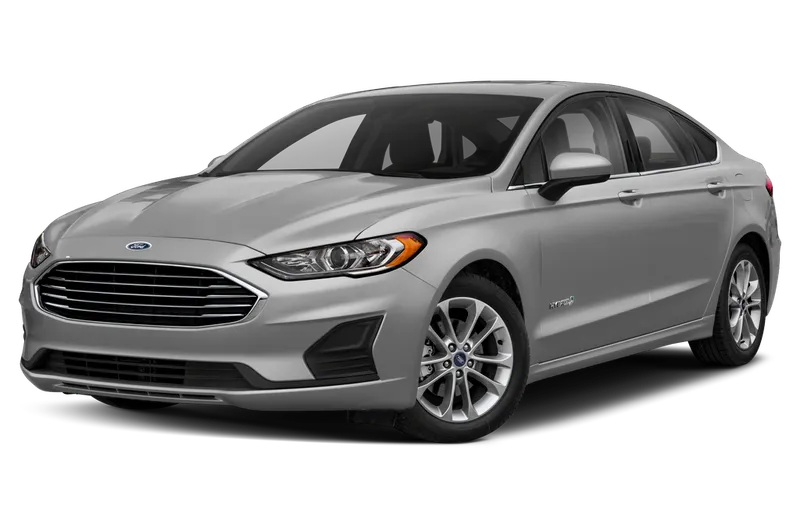
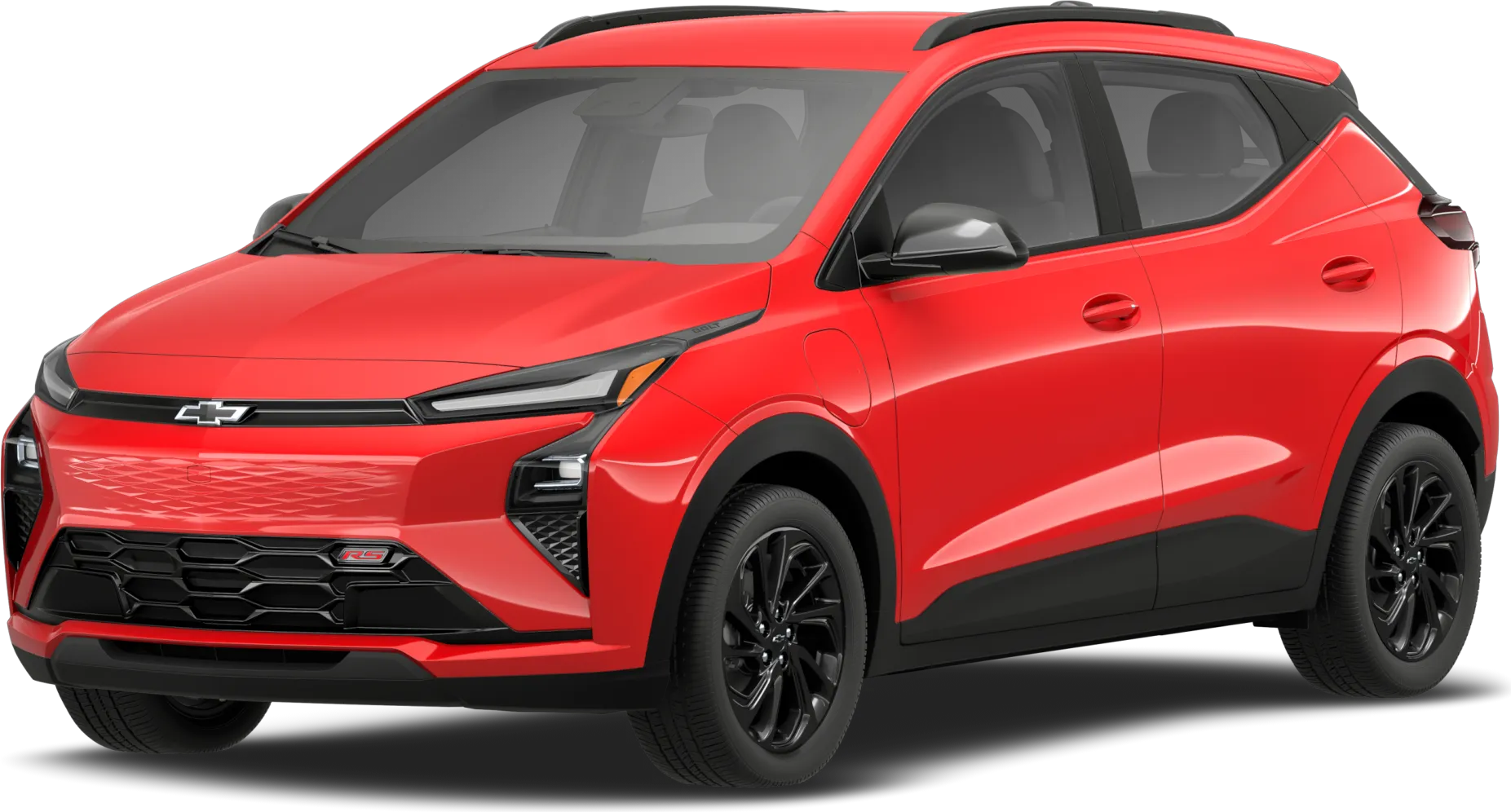
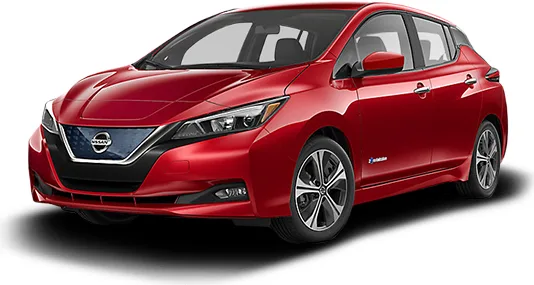
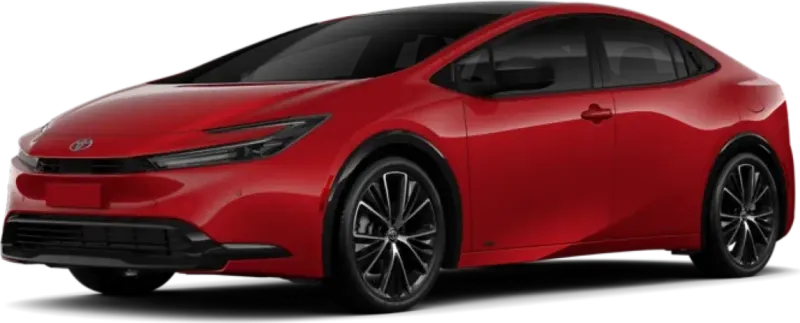
Also looking at these instead of a Volt?
Cars shoppers compare with the Chevrolet Volt, with their own 2018 checklists.
2018 owner complaints, side by side
- Toyota Prius53
- Nissan Leaf69
- Chevrolet Bolt90
- 2018 Chevrolet Volt229
- Ford Fusion511