Used Chevrolet Volt: What to look for, year by year
Pick the model year you are going to see. Each sheet lists the checks for the problems owners reported on that year, in the order you would do them at the car. Owners filed 1,138 complaints across these 4 years; the 2017 drew the most.
NHTSA data through October 2026Updated Maintained by Arnas Kazlaus
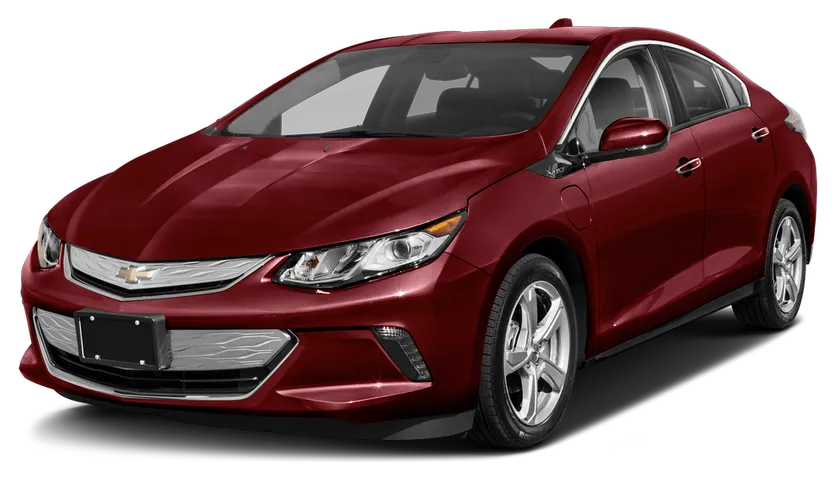
Choose a model year
Problems that follow the Volt from year to year
Each of these is a top-three complaint area in at least two model years. Darker cells mean more complaints that year. Whatever year you are looking at, give these extra time.
| Area | 2016 | 2017 | 2018 | 2019 | Total |
|---|---|---|---|---|---|
| Electrical | 53 | 243 | 70 | 9 | 375 |
| Transmission | 29 | 124 | 50 | 12 | 215 |
| Fuel system | 36 | 110 | 38 | 184 |
Volt generations and updates
First years of a new generation and mid-cycle updates are marked. Each year links to its checklist.
Second generation
2016–2023
2017 update: Facelift with updated features and improved fuel economy.
Mileages where Volt problems start
From owner reports for each model year, lowest mileage first. Compare these with the odometer of the car you are seeing.
| Typical mileage | Problem | Year |
|---|---|---|
| 15,000–60,600 miles | EGR valve failure, reduced propulsion | 2017 |
| 20,000–45,000 miles | EGR valve failure, engine unavailable | 2018 |
| 20,000–41,000 miles | Airbag warning, passenger sensor fault | 2017 |
| 28,000–30,000 miles | Power steering assist failure | 2017 |
| 31,000–45,000 miles | False Shift to Park message | 2017 |
| 32,000–56,500 miles | Battery energy control module failure | 2017 |
| 40,000–47,000 miles | EGR valve failure | 2016 |
| 84,000–152,400 miles | BECM failure, no-start or power loss | 2016 |