Used Car Checklists

Used 2019 Nissan Titan: What to look for before buying

Owners have filed 49 complaints with NHTSA about this car, most about the engine, electrical, and transmission. The 9 checks below target those problems, in the order you would do them at the car.

NHTSA data through October 2026Updated Maintained by Arnas Kazlaus

Nissan Titan2019
Owner complaints
49
Recalls
4
Crashes reported
3
1 injury
Reliability
Good
69/100 on Auto Reliability Index

Run the VIN before you go

A history report shows accidents, title brands, odometer readings, and open recalls for this 2019 Nissan Titan. Ask the seller for the VIN; it is also on the dash at the base of the windshield.

Your inspection sheet

Tick items off on your phone at the car, or print it. Ticks stay on this device.

These checks are specific to this model year. For tires, body panels, fluids, and the other basics every used car needs, use the general inspection guide.

Reported on other Titan years with the same design

These years share the 2019's design and most of its parts, so their problems are the ones to look for on this car too.

2020 Titan

24 owner complaints
  • Electrical 6
  • Transmission 6
  • Engine 3

Worth adding to your 2019 checks

  • Drive in stop-and-go traffic and feel for harsh downshifts into first or a lurch forward as the truck slows.
  • Roll through a slow turn, then accelerate, and watch for hesitation, lag, or RPMs flaring before each upshift.
  • Check the headliner near the A and B pillars and the carpet for water stains, dampness, or musty smells.
Open the 2020 checklist

2018 Titan

90 owner complaints
  • Engine 41
  • Electrical 12
  • Fuel system 10

Worth adding to your 2019 checks

  • Listen at cold start and under hard acceleration for any engine knock, and walk away if you hear one.
  • Ask for records of any engine replacement, crankshaft repair, or fuel pump work, and confirm what warranty remains.
  • On diesel trucks, ask whether the CP4 fuel pump has failed or been replaced and whether limp mode has occurred.
Open the 2018 checklist

2021 Titan

58 owner complaints
  • Transmission 24
  • Electrical 10
  • Automatic emergency braking 4

Worth adding to your 2019 checks

  • Drive in stop-and-go traffic and feel for harsh downshifts or a forward lurch as the truck slows to a stop.
  • Accelerate from a full stop and while merging; walk away if it hesitates, stays in first, or flares engine revs.
  • Ask for service records showing transmission complaints, repeat dealer visits, or open cases with Nissan.
Open the 2021 checklist

Which Titan is it?

EPA figures for each version of the 2019 Nissan Titan. Use them to confirm you are looking at the version that was advertised, and as a yardstick on the test drive.

VersionDriveEPA rating
5.6L 8-cyl4WD, RWD18 mpg
  • Reset the trip computer at the start of the drive. A Titan that averages well under the EPA 18 mpg combined on a mixed route may have an engine or tire problem.

Check the odometer against these mileages

Owners report these failures starting around the mileages below. A car inside one of these ranges deserves a closer look at that part, or records showing it was already fixed.

  • Original tire leaks and blowouts

    15,000–24,060 miles

0 mi25k50k

Why these checks: what owners reported

NHTSA complaints for the 2019 Nissan Titan, grouped by the part owners named. Open a row to read what goes wrong.

  • Engine13No crashes

    Sudden loss of power at highway speed is the main pattern, often with no warning lights beforehand. Several reports describe the engine shaking hard, stalling, or dropping into limp or reduced power mode while merging or towing up grades, with near-misses involving semi-trucks. Failed or seized crankshafts come up repeatedly, and one diesel engine was found locked solid with a replacement estimate of $32,000. Other reports cite a binding actuator triggering reduced power at 45,000 miles, oil pouring from the exhaust on a high-mileage diesel, and a clutch fan that failed twice and damaged the radiator.

  • Electrical101 crash

    A radio that switches itself on, often at very loud volume, while the truck is parked and off is the most common complaint. The infotainment screen also reboots or freezes, and Apple CarPlay and Android Auto drop out. A second group involves power supply faults: no-starts that need a jump, battery drain, voltage dropping to 11.75 volts with gear hunting and sluggish throttle, blown ECM fuses, and stalling while driving. One report links a power loss to a crash with an injury.

  • Transmission4No crashes

    Torque converter failure shows up around 60,000 to 68,000 miles. It starts as shudder for several minutes after a cold start, then becomes pronounced shudder under light throttle between 25 and 50 mph, with erratic 3-4 and 4-5 shifts and torque converter clutch slip. Owners call the behavior unpredictable at highway speed. Other reports describe hesitation and fluttering when accelerating onto highways, a truck that shifts into reverse but does not move at 47,000 miles, and a 45 to 75 mph vibration that repeated dealer visits did not fix.

  • Wheels and tires4No crashes

    Slow leaks in original General Grabber tires force owners to add air every two days. Dealers found pinholes, an inner crack, and separated inner tread, one case at 15,000 miles. Blowouts are also reported, including a rear tire failing at 80 mph around 24,060 miles and another after a dealer dismissed visible sidewall peeling and missing tread chunks. In each blowout the driver kept control and avoided a crash, but families with children were aboard in one case.

  • Fuel system3No crashes

    Diesel fuel pump failure is the costliest pattern. A failed CP4 pump sends metal debris through the fuel system and into the engine, causing sudden shaking and power loss and leading to a new engine. One repair estimate reached $32,396.32 on a truck under 80,000 miles. Separately, a gasoline tank ruptured outward while parked, dumping 26 gallons of fuel onto the rear wheel and brake pads and creating a fire risk.

  • Brakes2No crashes

    Rear brakes squeal and wear out too fast in one report, with five failed dealer repair attempts on a truck showing only 4,000 miles and a warning that the wear can lead to brake failure. The other report describes the check engine, ABS, and traction control lights coming on together and returning within days after each dealer visit. Both owners describe repeated trips to the service department without a lasting fix.

  • Suspension2No crashes

    A stabilizer bar link bracket missing its factory weld is the only failure described. A clunking noise led to a bushing replacement, and the bracket was then found torn completely off the frame. Both reports describe the same missed weld on a certified pre-owned truck serviced at one dealer, so they likely trace to a single vehicle. The manufacturer declined a buyback, citing aftermarket parts installed by the owner.

In owners' own words

Excerpts from complaints Titan owners filed with NHTSA, as written. Listen for the same symptoms on your test drive.

Engine
While operating vehicle within city limits the engine failed and the vehicle was unable to move under its own power. While slowing down, the vehicle's check engine light came on and the vehicle immediately lost power and would not turn over. The vehicle was towed to a mechanic's shop and after reviewing the problem and performing an inspection, it was determined the engine crankshaft seized.

Filed with NHTSA, October 2025

Engine
Clutch Fan has failed twice and caused major damage in the engine compartment: Clutch fan, clutch fan sensor , sensor harness and radiator plus radiator shroud

Filed with NHTSA, January 2025

Electrical
Vehicle came to a complete stop while driving and left me stranded 40 miles from home. The vehicle would not start with push button start and following diagnostics from dealership was found to have suffered multiple blown fuses to ECM. The technicians could not determine the cause of the failure.

Filed with NHTSA, August 2026

Transmission
Vehicle has a fluttering or lagging feel/sound when accelerating, often taking longer to accelerate than it should. When merging on to a highway, this has become a danger to myself and others. This problem has been confirmed by Nissan in tens of thousands of Nissan Titans. More recently, my truck (only 47,000 miles) shifts into reverse but will not actually go into reverse, which is pointing to a transmission problem.

Filed with NHTSA, May 2025

How the 2019 compares with other Titan years

Complaints for this year next to the average for the other model years, area by area.

The 2019 ranks third for owner complaints among 7 Titan years, about 1.3 times the average of the others. Newer years have had less time to collect complaints, so compare like with like.

2019 Average of other years
  • Engine138
  • Electrical105
  • Transmission410
  • Wheels and tires41
  • Fuel system32
  • Brakes21

Where the 2019 fits in the Titan's history

Redesigns and mid-cycle updates change what can go wrong.

The 2019 is the fourth model year of the Titan's second generation (2016–2024).

Nissan updated the Titan for 2020, so a 2019 does not have those changes.

What changed for 2020 (not on a 2019)

  • Updated rear model options with improved engine performance
  • New 9-speed automatic transmission introduced
  • Enhanced safety features

Recalls to confirm (4)

Recall repairs are free at any Nissan dealer, but the seller may never have had them done. Check each campaign number against the VIN before you buy.

  1. 21V169000Wheels and tiresMar 2021
  2. 20V556000Exterior lightsSep 2020
  3. 19V654000Backup cameraSep 2019
  4. 19V495000ElectricalJun 2019

Open a campaign number for NHTSA's full notice: what fails, the risk, and the fix.

Also looking at these instead of a Titan?

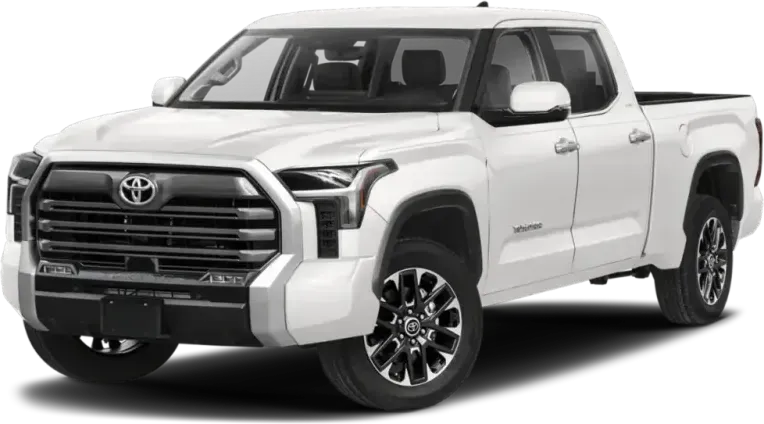
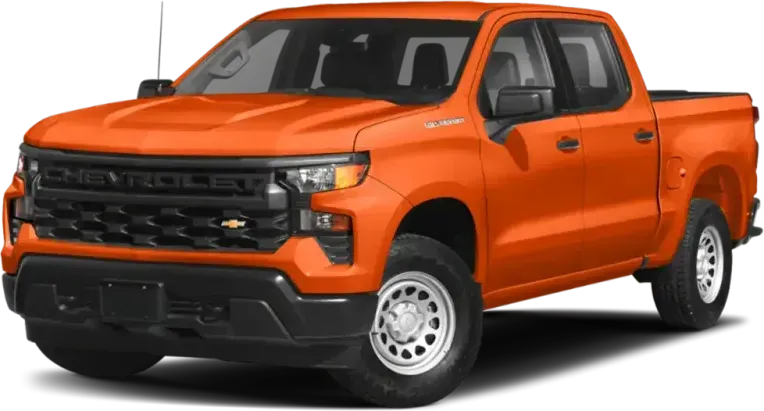
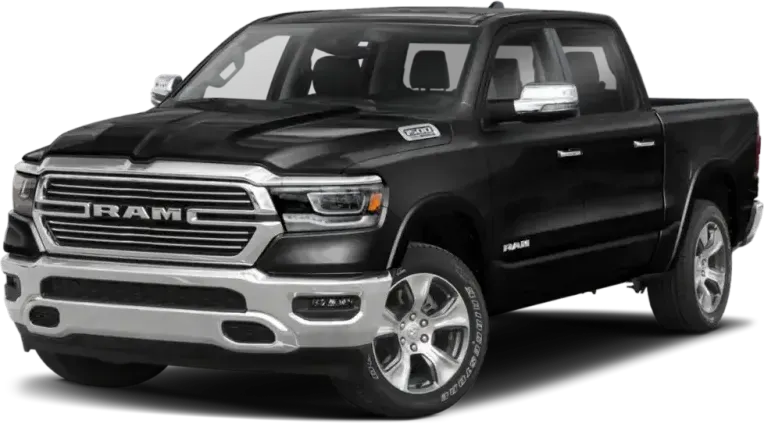
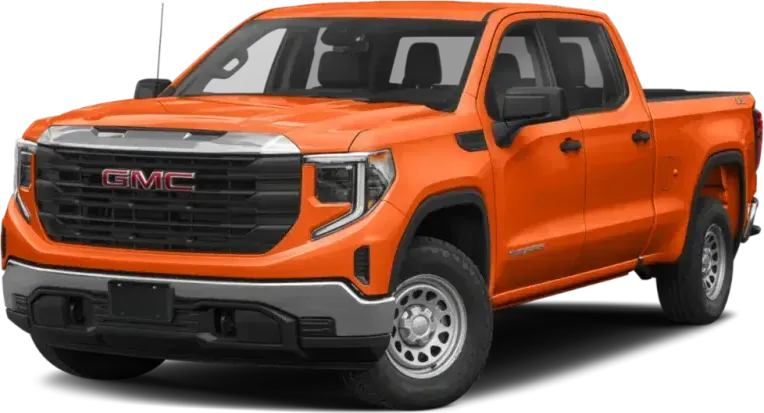
Cars shoppers compare with the Nissan Titan, with their own 2019 checklists.