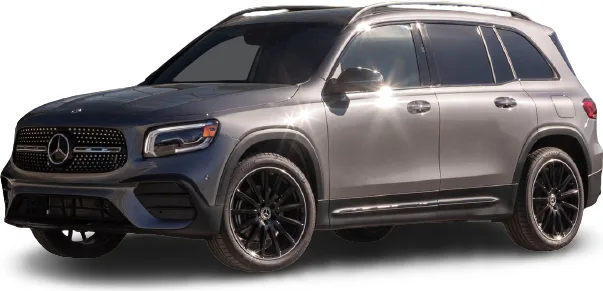
Used 2018 Mercedes-Benz GLA: What to look for before buying
Owners have filed 51 complaints with NHTSA about this car, most about the engine, electrical, and transmission. The 9 checks below target those problems, in the order you would do them at the car.
NHTSA data through October 2026Updated Maintained by Arnas Kazlaus
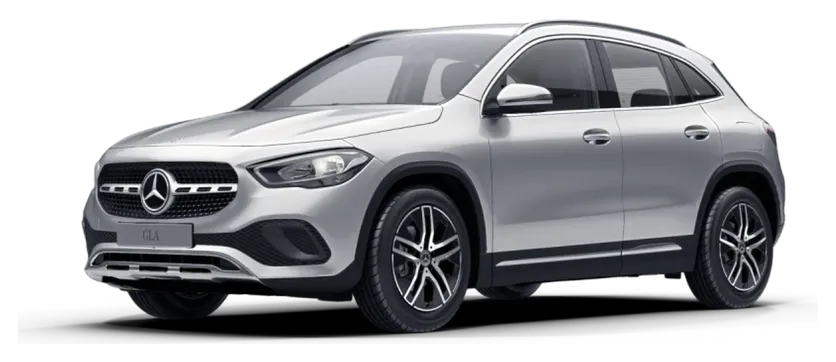 2018
- Owner complaints
- 51
- Recalls
- 12
- Crashes reported
- 2
- 1 injury
- Reliability
- Good
- 61/100 on Auto Reliability Index
Your inspection sheet
Tick items off on your phone at the car, or print it. Ticks stay on this device.
0/9 checked
2018 Mercedes-Benz GLA: inspection sheet
Paperwork and questions
Before you go, or before you touch the car0/2
Walk-around and cabin
Engine off, key in hand0/2
Cold start, engine bay, and underside
Ask the seller not to warm the car up first0/2
Test drive
At least 20 minutes, with some highway0/3
These checks are specific to this model year. For tires, body panels, fluids, and the other basics every used car needs, use the general inspection guide.
Which GLA is it?
EPA figures for each version of the 2018 Mercedes-Benz GLA. Use them to confirm you are looking at the version that was advertised, and as a yardstick on the test drive.
| Version | Drive | EPA rating |
|---|---|---|
| 2.0L 4-cylGas | FWD, 4WD | 26–27 mpg |
| 2.0L 4-cylFlex fuel | 4WD | 26 mpg |
- The 2018 Mercedes-Benz GLA was sold in two versions. Confirm which one this is from the window sticker, the engine cover, or the VIN report before you compare prices.
- Reset the trip computer at the start of the drive. A GLA that averages well under the EPA 26 mpg combined on a mixed route may have an engine or tire problem.
Why these checks: what owners reported
NHTSA complaints for the 2018 Mercedes-Benz GLA, grouped by the part owners named. Open a row to read what goes wrong.
Engine11No crashes
A check engine light with code P052E, traced to the crankcase ventilation (PCV) valve, is the most common report. Some cars also jerk at low speed. Repair quotes run from $1,500 to $3,500, and owners are frustrated that the repair is not covered. Other reports describe a stall with a fuel odor that was traced to failed injectors, a car that cut off and would not shift, and warnings for inoperative brakes and steering that left the car unable to park or shut off. A metallic clinking from the rear also comes up.
The car hesitates and jerks when accelerating, from idle or at speed, and the check engine light comes on. Both reports trace the problem to a failed crankcase vent (PCV) valve. In one case the light came on while the car was parked, and the owner found the fault with an OBD2 scanner at about 110,000 miles. Neither car had been repaired, and coverage was either denied or still unsettled.
Electrical6No crashes
A car parked in a garage caught fire at 11,000 miles and destroyed the home. That is the most serious report here. More often, the battery drains and the car will not crank, which leads to repeated battery replacements and trickle chargers. The instrument cluster and center screen black out or reboot, taking the speedometer, fuel gauge, backup camera and radio with them. One network failure set off SRS, ABS and SOS warnings and locked the car in park. Dealers quote thousands of dollars for these repairs.
Transmission6No crashes
The transmission shifts into neutral on its own, at a stoplight, at 25 mph, or on the freeway. The car loses power and shows warnings such as "Transmission Error" or "Do not shift." These reports fall between about 40,000 and 59,762 miles. Some drivers coast to the shoulder in traffic, and one was told only to replace the battery before the problem came back. A separate report describes a rear differential that started making noise and then failed a second time after an earlier repair.
Airbags6No crashes
Many of these filings are not about failures. They are about delays. Owners say they received a repair notice and then waited for months because dealers had no parts. The failures that are reported share one pattern: the air bag warning light comes on, the steering column clicks when the wheel turns, and the horn and steering wheel buttons stop working. One dealer found a fractured clockspring at about 45,000 miles. Another report links the same symptoms to a dead battery and jump-start, with driver air bag circuit faults recorded.
Fuel system5No crashes
A strong fuel smell fills the cabin at startup, especially in below-freezing weather. One report says the fumes made people lightheaded. The other main theme is the crankcase vent valve. Owners describe a check engine light with code P052E, surges in acceleration, and repair quotes of $1,500 to $2,000. Several say a mechanic called these common problems on this car.
Body and structure31 crash
The sunroof glass explodes without warning at highway speed and showers the driver with shards. In another case, the trim panel in front of the panoramic roof tore off on the highway after its adhesive gave way, which could have struck the car behind. One crash report with an injured passenger says none of the air bags deployed, and the owner disputes the manufacturer's explanation. With only three filings, these are isolated but serious events.
Brakes2No crashes
Shaking under braking is one of only two reports. In that case the owner found rusted rotors at 55,924 miles, but the dealer said the rotors were fine. The other filing describes a safety warning on the screen that was never diagnosed and turned into a lease and payment dispute. These two reports show no consistent brake failure pattern.
Wipers and visibility2No crashes
The sunroof lifts at one corner and will not close, and the mechanic's fix is a full sunroof replacement. The other report points to a sunroof bonding problem that can let water into the cabin. Both reports involve the roof glass, not the wipers, lights or mirrors.
In owners' own words
Excerpts from complaints GLA owners filed with NHTSA, as written. Listen for the same symptoms on your test drive.
Why is the Crankcase Ventilation System P052E Code (PCV) covered in most Mercedes models, but not the GLA? This is an expensive repair that seems to cover other cars but penalizes GLA owners just to have a safe car to drive like the other models. I strongly believe GLA should be on the recall list for the matter, as it is dangerous to drive on the road, especially for those who cannot afford to fix it for upwards of $1,500 to $2000.
Filed with NHTSA, February 2026
How the 2018 compares with other GLA years
Complaints for this year next to the average for the other model years, area by area.
The 2018 has the most owner complaints of the 6 GLA years we cover, about 3.4 times the average of the others. Newer years have had less time to collect complaints, so compare like with like.
- Engine112
- Electrical61
- Transmission62
- Airbags61
- Fuel system51
- Body and structure30
Where the 2018 fits in the GLA's history
Redesigns and mid-cycle updates change what can go wrong.
The 2018 is the fifth model year of the GLA's first generation (2014–2020).
It includes the 2017 update.
What changed for 2017
- Redesigned grille
- New front and rear bumpers
- Updated 18-inch alloy wheels
- All LED headlamps and taillights
- New Canyon Beige color option
- 8.0-inch infotainment screen
Recalls to confirm (12)
Recall repairs are free at any Mercedes-Benz dealer, but the seller may never have had them done. Check each campaign number against the VIN before you buy.
- 23V854000Body and structureDec 2023
- 22V365000ElectricalMay 2022
- 21V229000SteeringApr 2021
- 21V197000Body and structureMar 2021
- 21V072000CommunicationFeb 2021
- 21V058000ElectricalFeb 2021
- 19V585000Seat beltsAug 2019
- 19V132000SeatsFeb 2019
- 18V912000Wipers and visibilityDec 2018
- 18V405000Child SeatJun 2018
- 17V653000Exterior lightsOct 2017
- 17V627000AirbagsOct 2017
Open a campaign number for NHTSA's full notice: what fails, the risk, and the fix.
Also looking at these instead of a GLA?
Cars shoppers compare with the Mercedes-Benz GLA, with their own 2018 checklists.