Used Car Checklists

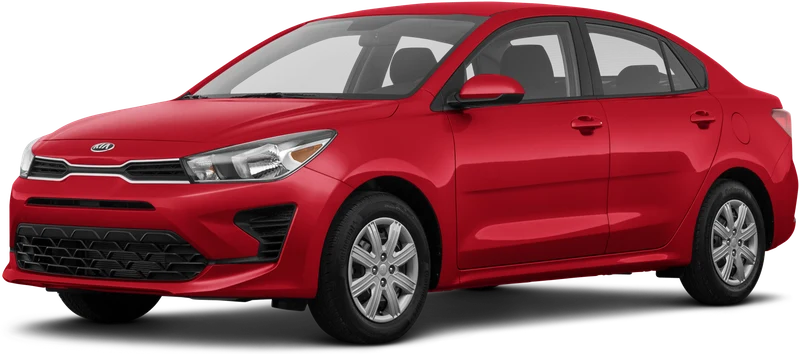
Used 2023 Kia Rio: What to look for before buying

Owners have filed 12 complaints with NHTSA about this car, most about the electrical, steering, and engine. The 7 checks below target those problems, in the order you would do them at the car.

NHTSA data through October 2026Updated Maintained by Arnas Kazlaus

Kia Rio2023
Owner complaints
12
Recalls
0
Crashes reported
0
Reliability
Excellent
84/100 on Auto Reliability Index

Run the VIN before you go

A history report shows accidents, title brands, odometer readings, and open recalls for this 2023 Kia Rio. Ask the seller for the VIN; it is also on the dash at the base of the windshield.

Your inspection sheet

Tick items off on your phone at the car, or print it. Ticks stay on this device.

These checks are specific to this model year. For tires, body panels, fluids, and the other basics every used car needs, use the general inspection guide.

Reported on other Rio years with the same design

These years share the 2023's design and most of its parts, so their problems are the ones to look for on this car too.

2022 Rio

12 owner complaints
  • Brakes 2

Worth adding to your 2023 checks

  • Press the brake pedal hard with the engine running and confirm it stays firm without slowly sinking.
  • Look under the front of the car for wet brake lines or fluid drips, and check the brake fluid level.
  • On a downhill stretch, brake firmly and feel for ABS pulsing when the road is dry and grip is good.
Open the 2022 checklist

2021 Rio

15 owner complaints
  • Brakes 3
  • Steering 3
  • Transmission 2

Worth adding to your 2023 checks

  • Stop at a light, release the brake, and confirm the car moves forward promptly when you press the gas.
  • Make slow, tight turns both ways and listen for scraping, squealing, or a snap near the front right wheel.
  • Drive a straight road with lane assist on and note any pull toward oncoming traffic or a flickering lane assist icon.
Open the 2021 checklist

2020 Rio

27 owner complaints
  • Engine 5
  • Transmission 4
  • Steering 4

Worth adding to your 2023 checks

  • Pull away from several full stops with firm throttle and walk away if the engine stumbles, hesitates, or stalls.
  • Drive at least 20 minutes with the AC on and watch for a check engine light or a rising temperature gauge.
  • Climb a steep hill and confirm the transmission shifts and road speed rises with engine RPM.
Open the 2020 checklist

Which Rio is it?

EPA figures for each version of the 2023 Kia Rio. Use them to confirm you are looking at the version that was advertised, and as a yardstick on the test drive.

VersionDriveEPA rating
1.6L 4-cylFWD36 mpg
  • Reset the trip computer at the start of the drive. A Rio that averages well under the EPA 36 mpg combined on a mixed route may have an engine or tire problem.

Why these checks: what owners reported

NHTSA complaints for the 2023 Kia Rio, grouped by the part owners named. Open a row to read what goes wrong.

  • Electrical2No crashes

    The engine drops revs and shuts off during warm-up, then takes several tries to restart. The car also jerks slightly while stopped, and a stall while driving could cause a crash. The dealer finds no fault codes and makes no repair. The other complaint is mostly about theft damage and repair delays. A break-in wrecks the ignition system on a nearly new car, and local dealers are too overloaded with theft-damaged Kias to get parts or accept the car for repair.

  • Steering2No crashes

    The car does not track straight with the steering wheel centered. Misalignment shows up from new and comes back after a dealer alignment, and the owner is then told further service is not under warranty. Above 55 mph the car feels like it is being pushed by strong crosswinds and needs extra steering input to stay centered. Steering feels sticky rather than smooth. An alignment check finds one rear wheel's toe out of spec with no way to adjust it. A tire pressure display that should appear on the screen is also missing.

  • Engine2No crashes

    Power cuts out while driving with no warning light, and afterward the transmission will not shift into gear, so the car has to be towed. Losing power in traffic is a real crash risk. A rattle at startup is also reported around 34000 miles, but the noise goes away before a technician can hear it. In both cases the dealer finds nothing wrong and makes no repair, so owners are left with an unresolved fault.

How the 2023 compares with other Rio years

Complaints for this year next to the average for the other model years, area by area.

The 2023 is tied for the fewest owner complaints of the 6 Rio years we cover, well under the average of the others. Newer years have had less time to collect complaints, so compare like with like.

2023 Average of other years
  • Electrical21
  • Steering22
  • Engine25

Where the 2023 fits in the Rio's history

Redesigns and mid-cycle updates change what can go wrong.

The 2023 is the sixth model year of the Rio's fourth generation (2018–2023).

It includes the 2021 update.

What changed for 2021

  • Updated front fascia
  • Improved technology and safety systems

Also looking at these instead of a Rio?

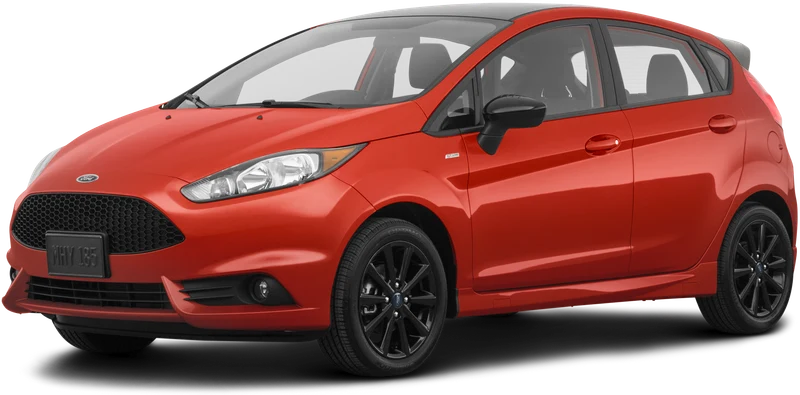
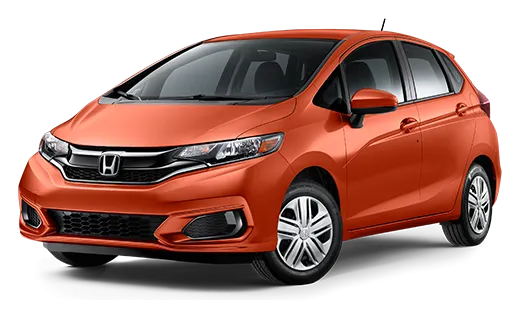
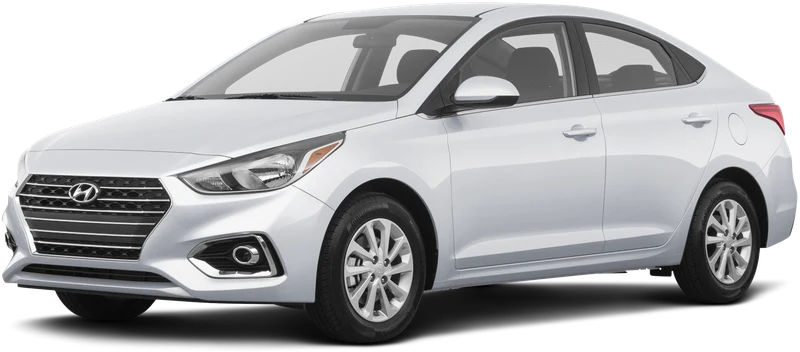
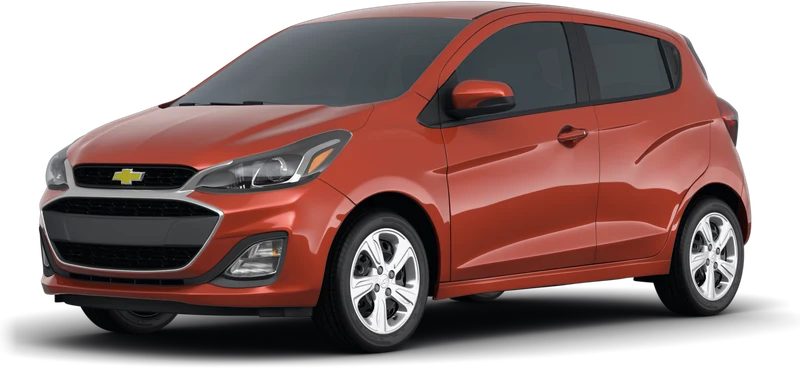
Cars shoppers compare with the Kia Rio, with their own 2023 checklists.